
Written by: Ms. Jubilyn G. Kiing- UBHS Faculty Member
UBHS shares its KALINGA experience with 190 educators at the Baguio Educators Summit 2026, highlighting how education, technology, and compassion can respond to learning disruption and strengthen community well-being.
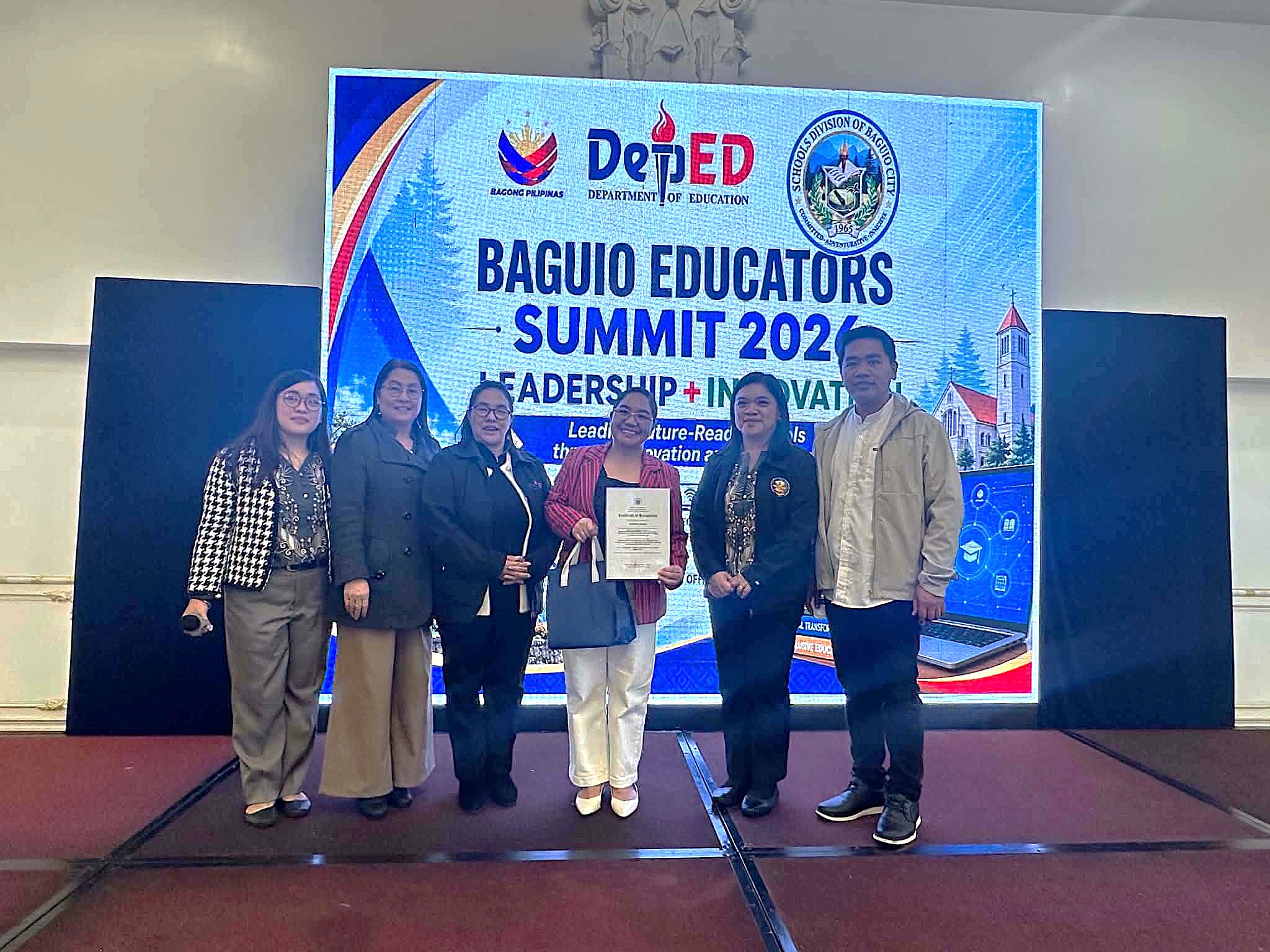
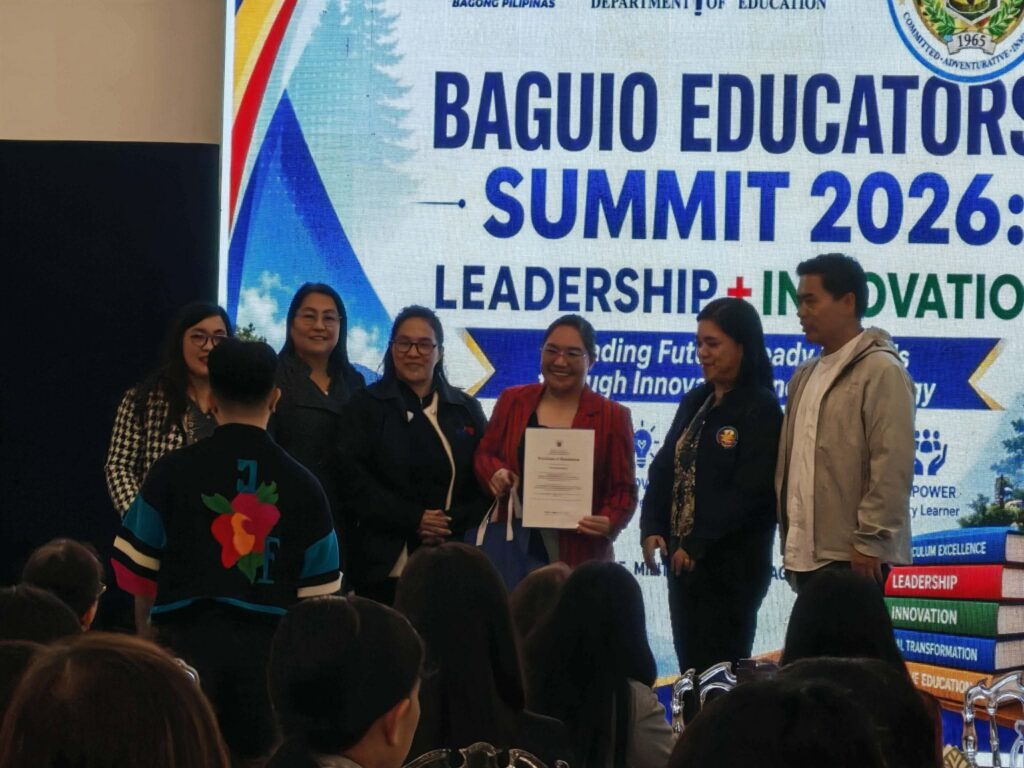
September 7, 2026 | Baguio City — The University of Baguio (UB) continues to fulfil its role in the community not only as an institution of learning but also as a partner in advancing responsive education, social responsibility, and sustainable development. This commitment was highlighted through the participation of the UB High School (UBHS) in the Baguio Educators Summit 2026, held on September 7 at La Fayette Luxury Suites in Baguio City.
Held in celebration of National Teachers’ Day, the summit carried the theme “Leadership + Innovation: Leading Future-Ready Schools Through Innovation and Technology,” bringing together school leaders and educators from public and private schools for professional learning and the sharing of practices.
Representing UB High School, Dr. Violeta F. Apiles, Principal, shared the school’s KALINGA experience, presenting how a learner-centered and technology-supported approach can help schools remain responsive even when circumstances disrupt the normal delivery of education.
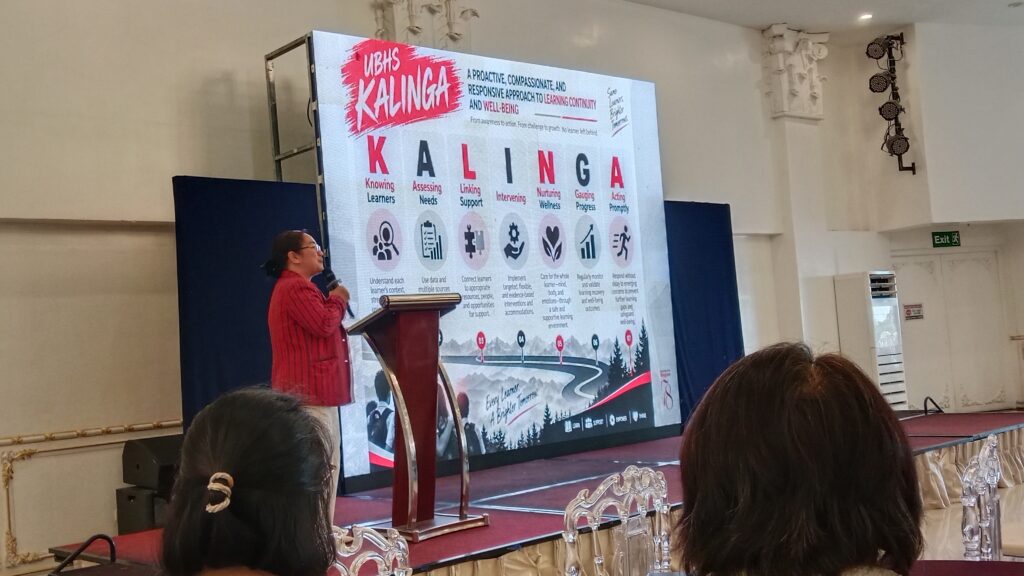
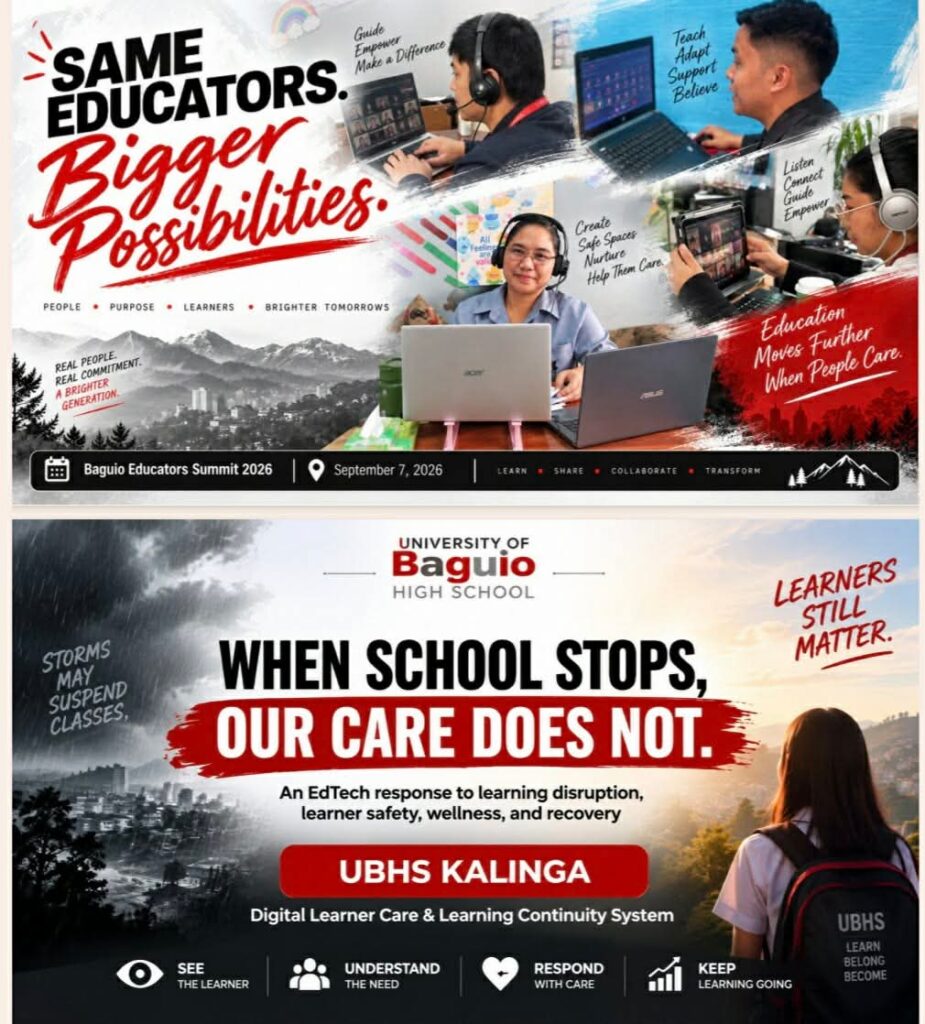
UBHS KALINGA: When School Stops, Care Does Not
Dr. Apiles shared UBHS KALINGA, a digital learner care and learning continuity system developed as an EdTech response to learning disruption, learner safety, wellness, and recovery.
Its name reflects seven interconnected dimensions: Knowing Learners, Assessing Needs, Linking Support, Intervening, Nurturing Wellness, Gauging Progress, and Acting Promptly.
At its core is a simple but powerful principle: “Storms may suspend classes, and when school stops, our care does not.” The statement captures the responsibility of schools to continue looking after learners even when face-to-face instruction is interrupted.
As part of the KALINGA experience, Dr. Apiles also shared the N.E.S.T. (Network for Emergency Safety Tracking) and the UBHS Wellness Reset Day, both implemented as UBHS Community Wellness Check-in initiatives. These efforts demonstrate how learner support can extend beyond academic concerns by creating mechanisms for checking on learners’ safety, well-being, and readiness to return to learning, particularly during and after disruptions.
Through these interconnected efforts, learner support becomes a continuing process. Educators identify learners and their circumstances, assess needs, connect them with appropriate support, intervene when necessary, nurture their well-being, monitor their progress, and respond promptly to emerging concerns.
Dr. Apiles also emphasized that technology should strengthen, not replace, the human work of teaching. As she expressed it, “Technology did not replace our teachers; it helped our teachers see.” Digital tools can help educators recognize learner needs and make evidence-informed decisions, but empathy, professional judgment, and human connection remain at the center.
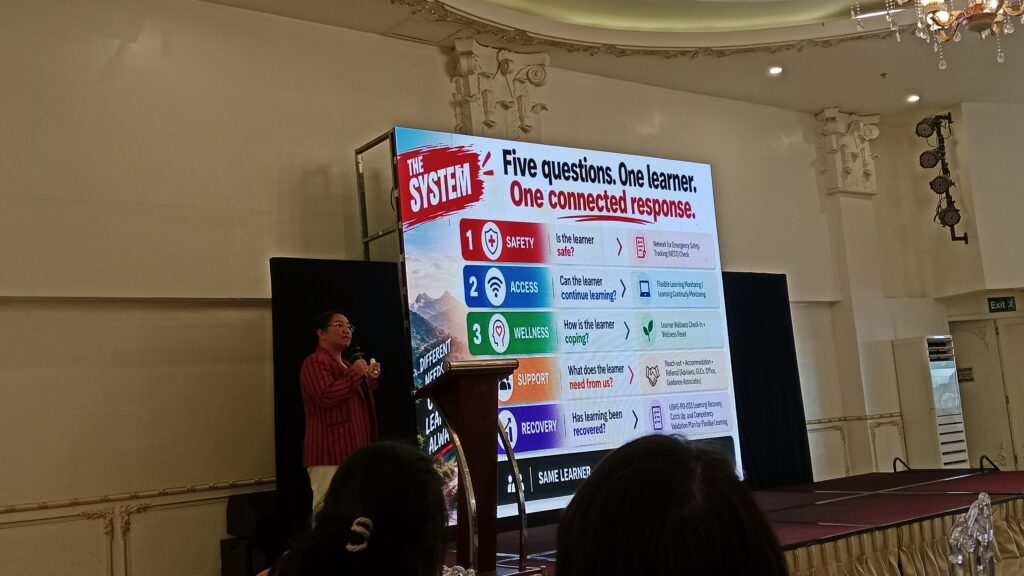
Equally meaningful was her reflection on the origins of KALINGA: “We did not start by building a system; we started by responding to a need.”
This perspective offers an important lesson on innovation. Educational technology becomes meaningful when it responds to an actual challenge and helps people care, connect, and act more effectively.
UBHS’s Contribution to the Wider Community
By bringing the KALINGA experience to a gathering of educators beyond its campus, the UB High School shares knowledge and practices that may inspire other schools facing similar challenges. This reflects UB’s broader social responsibility as an institution that seeks to contribute not only to its learners but also to the communities it serves.
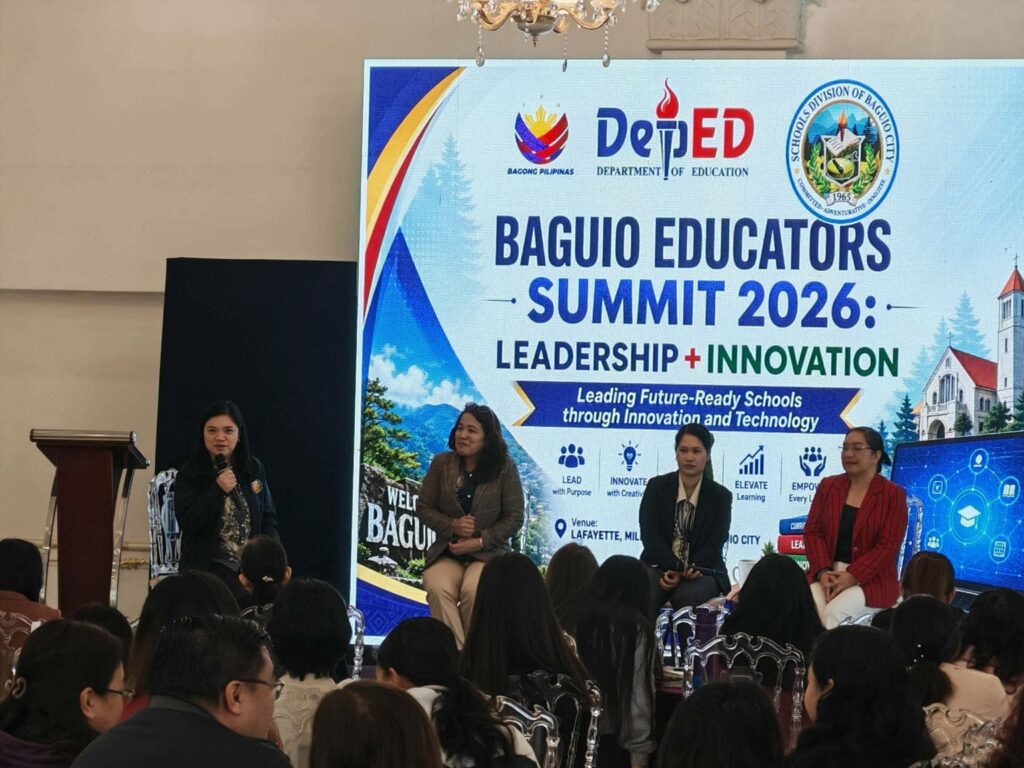
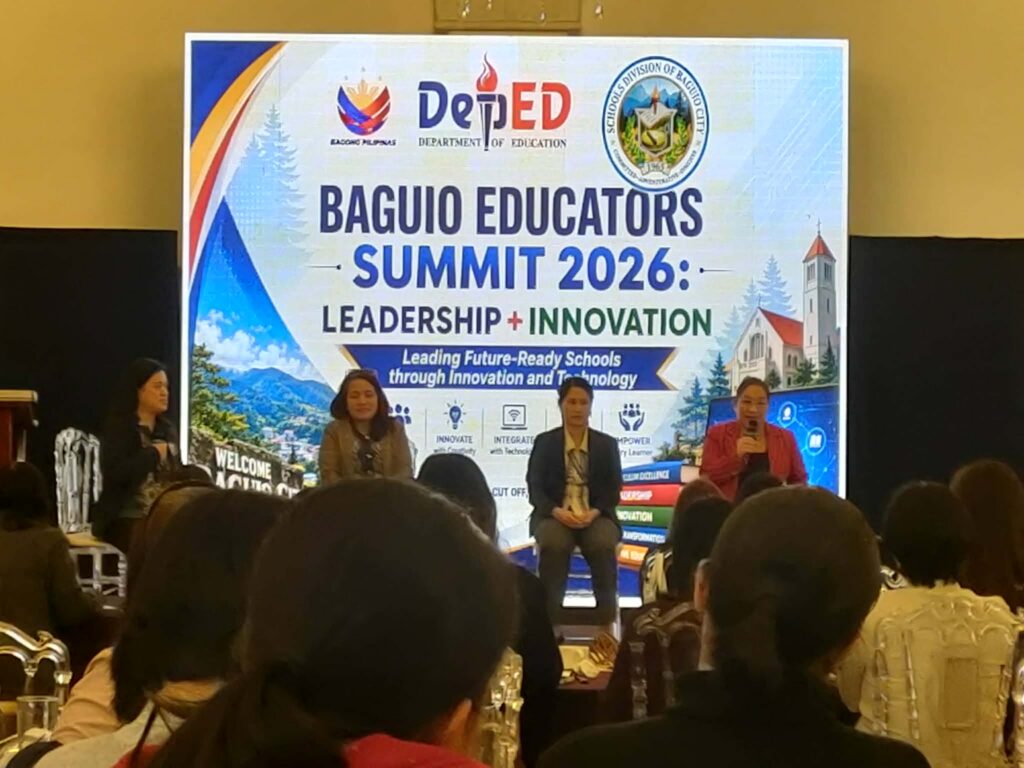
The initiative resonates strongly with the United Nation’s Sustainable Development Goals (SDGs) specifically SDG 4: Quality Education, particularly the pursuit of inclusive, equitable, and meaningful learning opportunities. It also supports the spirit of SDG 17: Partnerships for the Goals, as educational institutions learn from one another and work collectively toward responsive solutions. Its emphasis on care for learners and continuity amid disruption further reflects the university’s commitment to sustainable and resilient communities.
Through KALINGA, UBHS demonstrates that being future-ready is not simply about adopting technology. It is about using innovation with purpose, knowing when to listen, when to respond, and how to keep people at the center.
When circumstances change and classrooms fall silent, KALINGA reminds communities that education may pause, but care does not have to.