
By: Filibert Patrick F. Tad-awan, PhD
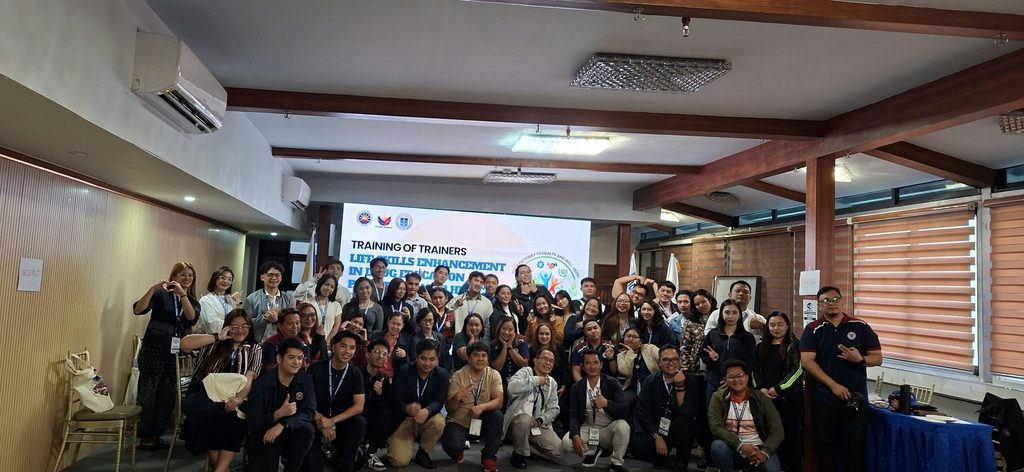
BAGUIO CITY, Philippines | November 2026 — Reinforcing its commitment to student well-being, holistic development, and preventive education, the University of Baguio (UB), through the School of Criminal Justice and Public Safety (SCJPS), participated in the three-day Training of Trainers on Life Skills Enhancement in Drug Education and Prevention for Higher Education Institutions, organized through the collaboration of the Commission on Higher Education (CHED) and the Dangerous Drugs Board (DDB) at 456 Hotel, Baguio City.
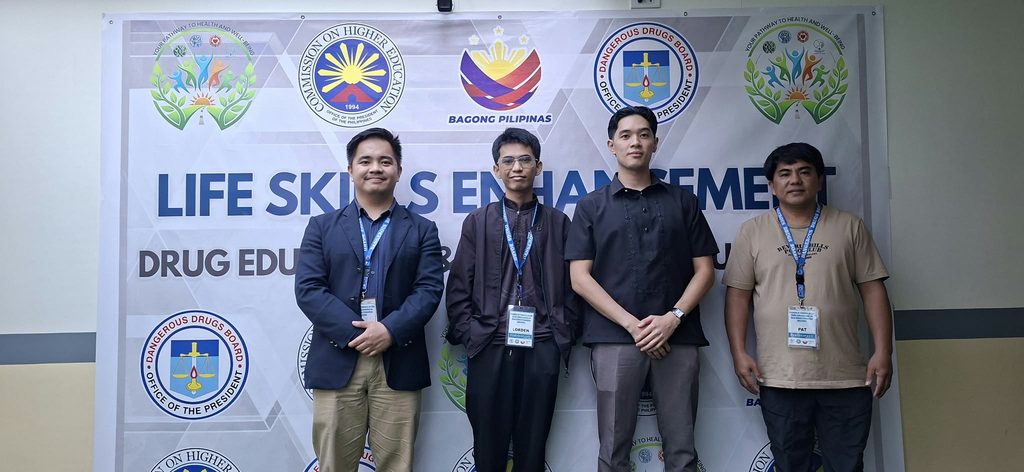
Representing the University were Dr. Filibert Patrick F. Tad-awan, Program Chair; Mr. Theodore Domoguen, Faculty Member; and Mr. Lorden Alvaro, Student Leader. Their participation brought together academic leadership, faculty engagement, and student representation in an initiative designed to strengthen the capacity of higher education stakeholders to promote evidence-informed drug prevention education and responsible decision-making.
The training provided participants with foundational knowledge, practical life skills, and facilitation competencies for addressing substance-use risks through preventive education. Beyond increasing awareness of the consequences of drug use, the initiative emphasized the importance of developing personal and interpersonal competencies that enable individuals to manage challenges, respond constructively to social influences, and make informed choices. It also underscored the responsibility of trained participants to extend these competencies to their respective academic communities through succeeding educational and peer engagement activities.
Strengthening Life Skills as a Foundation for Drug Prevention
Anchored on CHED’s Pathway to “Health and Well-Being” in Higher Education, under CHED Memorandum Order No. 05, series of 2026, the training reinforced a holistic and preventive approach to student health and well-being. The framework recognizes that higher education institutions play an important role in establishing supportive learning environments and strengthening institutional capacities to address substance use and other psychosocial concerns.
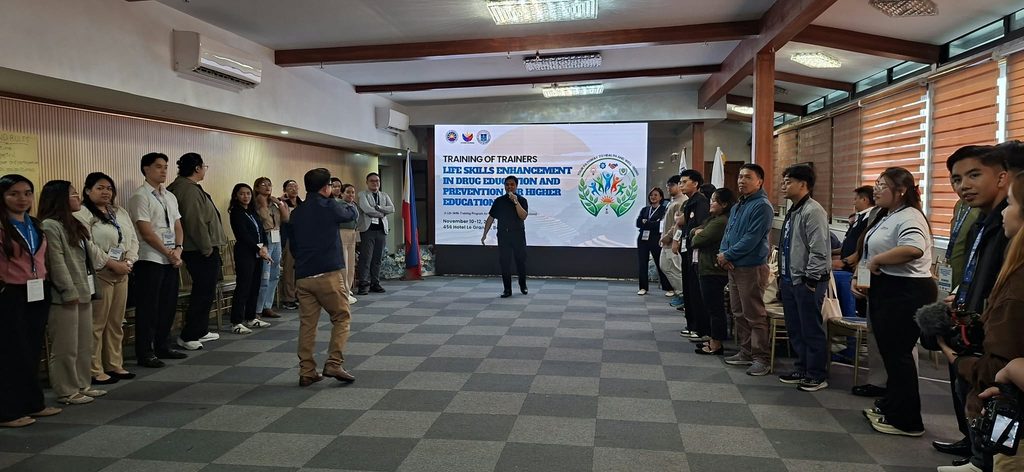
The first day introduced participants to the training framework, course orientation, goal setting, and self-esteem development. Facilitated by resource persons from the Dangerous Drugs Board, the sessions highlighted the importance of self-awareness, positive self-perception, and supportive relationships in shaping individual attitudes and behavior.
Through experiential activities, including Secret Friends and Positive Envelopes, participants explored how encouragement, affirmation, and positive social connections contribute to emotional resilience and personal confidence. These exercises demonstrated the value of participatory learning in helping individuals recognize their strengths, appreciate others, and develop a stronger sense of personal and social responsibility.
The second day focused on communication skills, facilitation skills, and decision-making skills. Discussions and learning activities emphasized effective interpersonal communication, participatory instructional approaches, and critical thinking in responding to peer pressure, risky situations, and other challenges encountered by young adults.
Particular attention was given to the role of educators and student leaders as facilitators of meaningful discussions and constructive learning experiences. By developing the ability to communicate effectively, guide group interactions, and evaluate possible courses of action, participants gained competencies relevant to promoting responsible choices and positive behavioral development among students.
The third day addressed assertion skills and personal skills, emphasizing the importance of communicating boundaries, exercising personal responsibility, maintaining healthy relationships, and responding appropriately to challenging social situations. The program concluded with learning reflections, participant evaluations, and the awarding of certificates, allowing participants to consolidate the knowledge and competencies developed throughout the training.
Collectively, the training highlighted the interconnected roles of self-awareness, communication, decision-making, assertiveness, facilitation, and personal development in strengthening preventive education. These competencies provide a practical foundation for helping students navigate social pressures, manage personal challenges, and adopt healthier behavioral choices.
Advancing Preventive Education Through Academic and Student Leadership
A distinguishing feature of the University’s participation was the involvement of representatives from academic administration, the faculty, and student leadership. This combination reflects the importance of engaging different sectors of the higher education community in advancing drug prevention as a shared educational and institutional responsibility.
As Program Chair, Dr. Filibert Patrick F. Tad-awan’s participation provides an opportunity to explore how life skills-based preventive education can be integrated into relevant academic and student development initiatives within the School of Criminal Justice and Public Safety. The competencies developed may also inform program-level discussions on student welfare, preventive interventions, and the enrichment of learning activities.
For Mr. Theodore Domoguen, the training offered instructional approaches and facilitation techniques that may be applied in classroom discussions, student mentoring, and educational activities addressing substance-use prevention, personal responsibility, and psychosocial development. These approaches can help make preventive education more participatory and responsive to the experiences and concerns of students.
Meanwhile, Mr. Lorden Alvaro’s participation as a student leader emphasized the importance of student involvement in promoting healthy behaviors and positive peer influence. Student representatives can contribute to prevention initiatives by encouraging informed decision-making, sharing accurate information, and supporting activities that foster responsible choices and a supportive campus environment.
The participation of these three representatives demonstrates the value of a collaborative approach in which academic leaders, faculty members, and students contribute complementary perspectives to institutional preventive education efforts.
Translating Training into Sustainable Institutional Action
Beyond individual professional development, the Training of Trainers emphasized the importance of extending the knowledge and competencies gained to participating institutions and their respective communities. Participants are expected to serve as facilitators who can share the lessons learned and help expand drug prevention education beyond the training venue.
For the University of Baguio, this provides an opportunity to strengthen existing and future preventive education initiatives through knowledge-sharing sessions, faculty and student leadership development, peer education activities, and the integration of life skills-based approaches into relevant academic and student development programs.
The competencies developed may also inform the preparation of learning materials and educational activities addressing self-esteem, effective communication, assertiveness, decision-making, and responsible behavior. Through appropriate institutional follow-through, these approaches can help students develop practical skills for recognizing risks, managing challenges, and responding constructively to social influences.
Such initiatives are particularly relevant to the whole-institution approach promoted under CHED’s health and well-being framework, which recognizes that student welfare requires the participation of administrators, educators, personnel, and students. By extending preventive education across different areas of the academic community, higher education institutions can establish more coordinated and sustainable approaches to promoting health, safety, and positive student development.
Advancing the Sustainable Development Goals Through Preventive Education
The University’s participation contributes to the advancement of the United Nations Sustainable Development Goals (SDGs), particularly those addressing public health, inclusive education, institutional responsibility, and collaborative action.
SDG 3: Good Health and Well-Being, particularly Target 3.5, which calls for strengthening the prevention and treatment of substance abuse, including narcotic drug abuse and harmful alcohol use, represents the initiative’s primary development alignment. By equipping educators and student leaders with life skills-based preventive education approaches, the training supports efforts to promote informed decision-making, address substance-related risks, and encourage healthier behavioral choices among young people.
The initiative also supports SDG 4: Quality Education, particularly Target 4.7, which emphasizes the development of knowledge and skills necessary for sustainable development, responsible citizenship, and the promotion of a culture of peace. The integration of life skills into educational activities reinforces the broader purpose of higher education by complementing academic learning with competencies in communication, critical thinking, self-awareness, ethical judgment, and social responsibility.
Furthermore, the activity contributes to SDG 16: Peace, Justice and Strong Institutions by reinforcing preventive approaches that support safe, inclusive, and responsible educational communities. Strengthening the capacity of academic personnel and student leaders to facilitate evidence-informed prevention initiatives helps promote institutional accountability, constructive engagement, and environments where students can access guidance and support.
The collaboration between CHED and the Dangerous Drugs Board, together with the participation of higher education institutions, also advances SDG 17: Partnerships for the Goals. The initiative demonstrates how interagency cooperation and institutional participation can facilitate knowledge exchange, capacity development, and coordinated action toward shared educational and public health objectives.
Through these complementary contributions, the training illustrates how preventive education can connect institutional capacity-building with broader national and global development priorities.
Building Healthier, Safer, and More Resilient Academic Communities
The University of Baguio’s participation in the CHED–DDB Training of Trainers reinforces the important role of higher education institutions in advancing drug prevention as an integral component of student development and public health. By equipping academic personnel and student leaders with essential life skills and facilitation competencies, the University strengthens its capacity to promote informed decision-making, positive peer influence, and responsible behavior within the academic community.
More importantly, the initiative recognizes that effective prevention extends beyond the dissemination of information. It requires sustained educational engagement, supportive institutional environments, and the development of practical competencies that empower individuals to manage challenges and make responsible choices.
Through the continued application and dissemination of the knowledge gained, the University of Baguio contributes to broader efforts to develop healthier individuals, safer learning environments, and more resilient communities. The initiative underscores the value of education not only in imparting knowledge but also in empowering people with the skills, values, and confidence necessary to make informed and responsible decisions.