
Written by Mr. Johnkinse Bango Jr.
The University of Baguio brings digital literacy, literacy development, and learner well-being through the UBHS Reading and Tutorial for Reformation Program to Itogon
Extending its educational mission beyond the classroom, the University of Baguio High School (UBHS), under the leadership of Principal Dr. Violeta F. Apiles and the coordination of Sir Jan Rae Manuel, Outreach Program Coordinator, conducted an educational outreach program at Gumatdang Integrated School in Itogon, Benguet, on November 13, 2026, bringing together educators and student leaders to advance digital literacy, reading development, and learner well-being.
Anchored on the theme, “Bright Minds, Kind Hearts and Digital Skills: Empowering Young Learners through Knowledge, Values and Literacy,” the initiative engaged 11 student representatives from three UBHS organizations—the English Club, University of Baguio High School Supreme Student Government (UBHS-SSG), and Math Club—alongside 12 teachers. Through a series of educational activities and professional knowledge-sharing sessions, the delegation sought to provide meaningful learning experiences while strengthening collaboration between educational institutions and their respective communities.
Under Dr. Apiles’ leadership, the initiative reflected the school’s commitment to education as a vehicle for community development. Meanwhile, the coordination of Sir Manuel helped bring together the participating student organizations and educators in implementing activities that addressed both the academic and socio-emotional needs of young learners.

UBHS Extends Educational Outreach Through Literacy and Digital Empowerment
The half-day program recognized the growing importance of an educational approach that goes beyond conventional classroom instruction. As learners navigate an increasingly digital and interconnected society, developing technological competence, communication skills, emotional awareness, and functional literacy has become essential to preparing them for future academic and social demands.
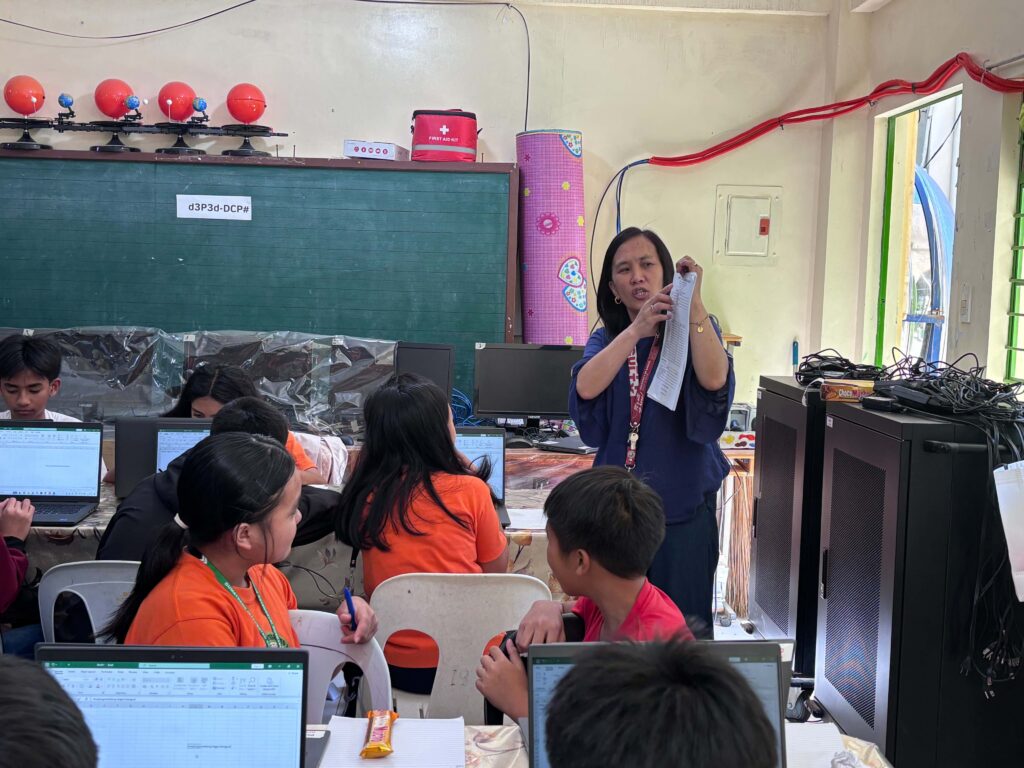
One of the major components of the outreach was the Basic Computer Literacy session, with a specific focus on Microsoft Excel, for Grade 6 learners of Gumatdang Integrated School. Through guided instruction and hands-on learning, the elementary students were introduced to the fundamental functions and applications of spreadsheet software, particularly its use in organizing information and supporting academic tasks.
The session emphasized the importance of developing digital competencies at an early stage of education. As technology increasingly influences how information is accessed, processed, and communicated, introducing young learners to essential computer applications provides a foundation for responsible and productive participation in digital environments. More than familiarizing students with software, the activity demonstrated how digital tools can serve as practical instruments for learning, problem-solving, and information management.


Complementing the technological component was a discussion on bullying and its effects, which highlighted the importance of empathy, respect, and psychological safety in educational settings. The session emphasized the emotional and social consequences of bullying and reinforced the shared responsibility of schools, teachers, and learners in cultivating supportive environments where children feel protected, respected, and valued.
The program also featured an interactive storytelling session, providing young learners with opportunities to engage with narratives while developing listening comprehension, vocabulary, imagination, and appreciation for literature. Through storytelling, the initiative underscored the importance of making literacy engaging and accessible, particularly during the formative years when foundational reading and language competencies are established.
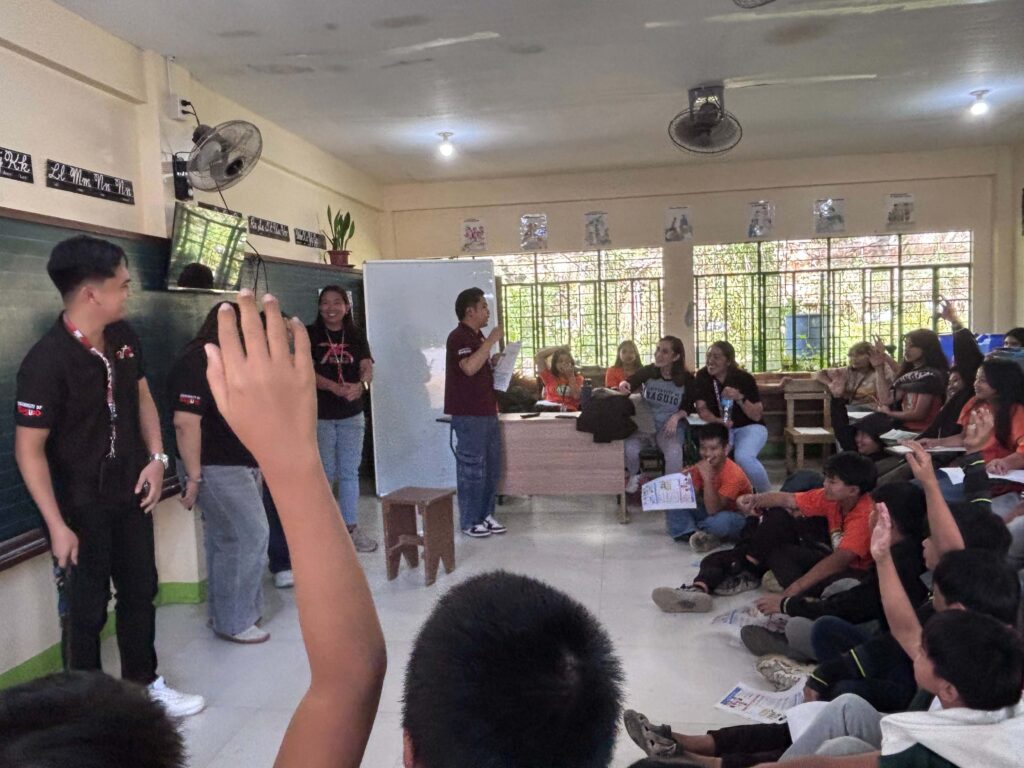
Beyond the activities intended directly for learners, the outreach also incorporated a significant academic and professional component through The Reading Roadmap: Shared Frameworks and Operational Practices,” which featured the sharing of ho UBHS implemented its Reading Advancement Program for possible adoption of Gumatdang Integrated School solidifying their request for a Reading program which they can contextualize for their own school.
The session provided a platform for exchanging perspectives on language education, reading development, and instructional practices that can contribute to more systematic and responsive literacy initiatives. As an internationally recognized reference framework, the CEFR provides common descriptors for understanding language proficiency and communicative competence across progressive levels. Its inclusion in the discussion highlighted the importance of establishing shared reference points in planning language instruction, identifying learners’ proficiency levels, and developing appropriate educational interventions.
More importantly, the sharing of operational practices emphasized the need to translate educational frameworks into purposeful classroom implementation. Aligning learning objectives, instructional strategies, and assessment practices with learners’ developmental needs remains essential in strengthening language education. Through this professional exchange, the Reading Roadmap highlighted the value of collaboration among educators in establishing coherent approaches to reading instruction and supporting the continuous development of learners’ language competencies.

The participation of 12 teachers and the school principal further reinforced the professional dimension of the initiative. Their involvement provided an opportunity for educational dialogue and the sharing of practices that may inform classroom instruction and literacy development. This demonstrated that outreach programs can serve not only as avenues for direct learner engagement but also as platforms for professional collaboration and institutional partnership.
The initiative likewise reflected the broader development agenda embodied in the United Nations Sustainable Development Goals (SDGs). Most directly, it advanced SDG 4: Quality Education, through its focus on foundational digital competencies, storytelling, reading development, and the exchange of instructional practices. By extending educational activities and knowledge-sharing opportunities to a partner school, the program reinforced the importance of inclusive and equitable learning opportunities for all.
Its discussion of bullying, emotional awareness, and positive social relationships also aligned with SDG 3: Good Health and Well-being, recognizing that learners’ mental and social well-being is integral to holistic development. Similarly, bringing educational support and learning opportunities to a community in Itogon reflected the principles of SDG 10: Reduced Inequalities, particularly the importance of addressing differences in access to meaningful educational experiences.
Furthermore, the collaboration among UBHS administrators, teachers, student organizations, and Gumatdang Integrated School exemplified SDG 17: Partnerships for the Goals. The initiative demonstrated how educational institutions can work together through shared expertise, collective participation, and community engagement to advance sustainable development objectives.
The participation of the English Club, UBHS-SSG, and Math Club also highlighted the role of student organizations as platforms for leadership development, civic engagement, and social responsibility. Through their involvement in facilitating learning experiences and engaging with younger learners, the 11 student representatives were able to translate their knowledge and organizational responsibilities into meaningful community service. Their participation reinforced the principle that students are not merely recipients of education but can also become active contributors to community development.
Ultimately, the outreach program demonstrated the importance of an integrated educational approach—one that recognizes the interconnectedness of digital competence, literacy, values formation, and learner well-being. Through the leadership of Dr. Apiles, the coordination of Sir Manuel, and the collective participation of teachers and student representatives, UBHS reaffirmed its commitment to extending its educational mission beyond the university campus.
More than a one-day community engagement, “Bright Minds, Kind Hearts and Digital Skills” served as an expression of education grounded in service, collaboration, and shared responsibility. It affirmed that the impact of education is measured not only by the knowledge acquired within classrooms but also by the capacity of educational institutions and their learners to share that knowledge, empower communities, and contribute to a more informed, compassionate, and resilient society.