Written by Hannah G. Monang

Strengthening academic programs through institutional collaboration and knowledge exchange, West Visayas State University (WVSU)–Lambunao Campus conducted a benchmarking visit to the University of Baguio (UB) on November 20, 2026, to explore best practices in criminology and forensic science education, crime laboratory development, internship implementation, and graduate education opportunities.
The engagement provided an avenue for WVSU–Lambunao Campus to learn from the University of Baguio’s academic and instructional practices, particularly in delivering specialized criminal justice education and integrating practical competencies into student learning. Discussions also covered curriculum development, laboratory facilities, professional preparation, and potential academic pathways that could further strengthen the educational opportunities available to students.
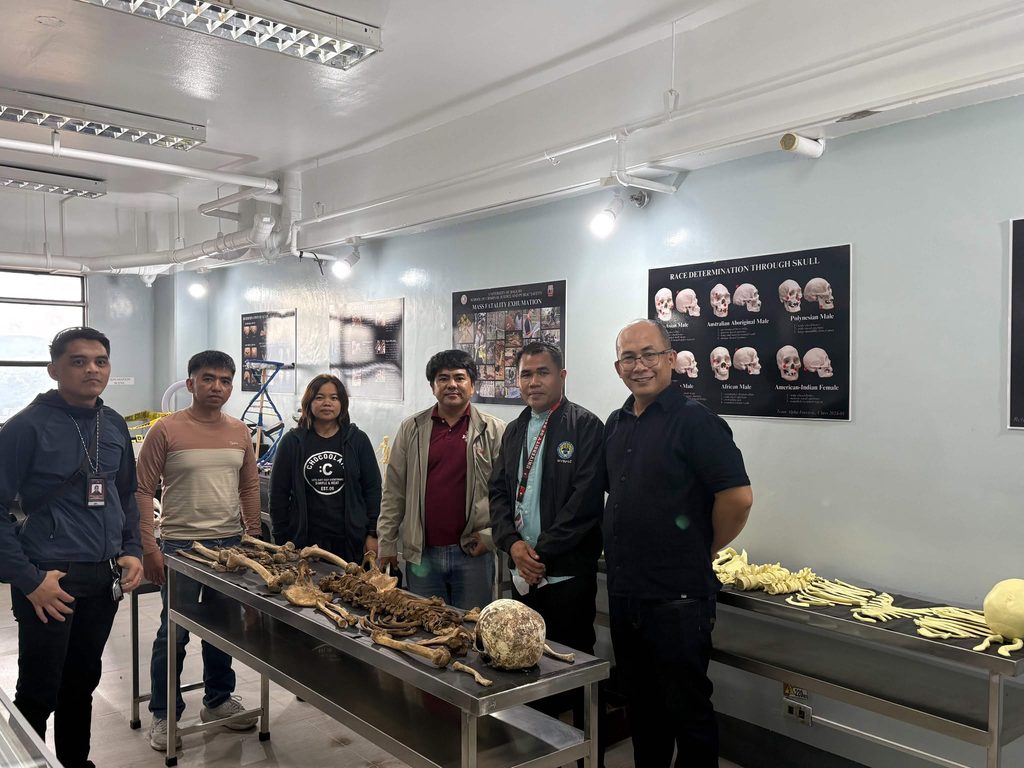
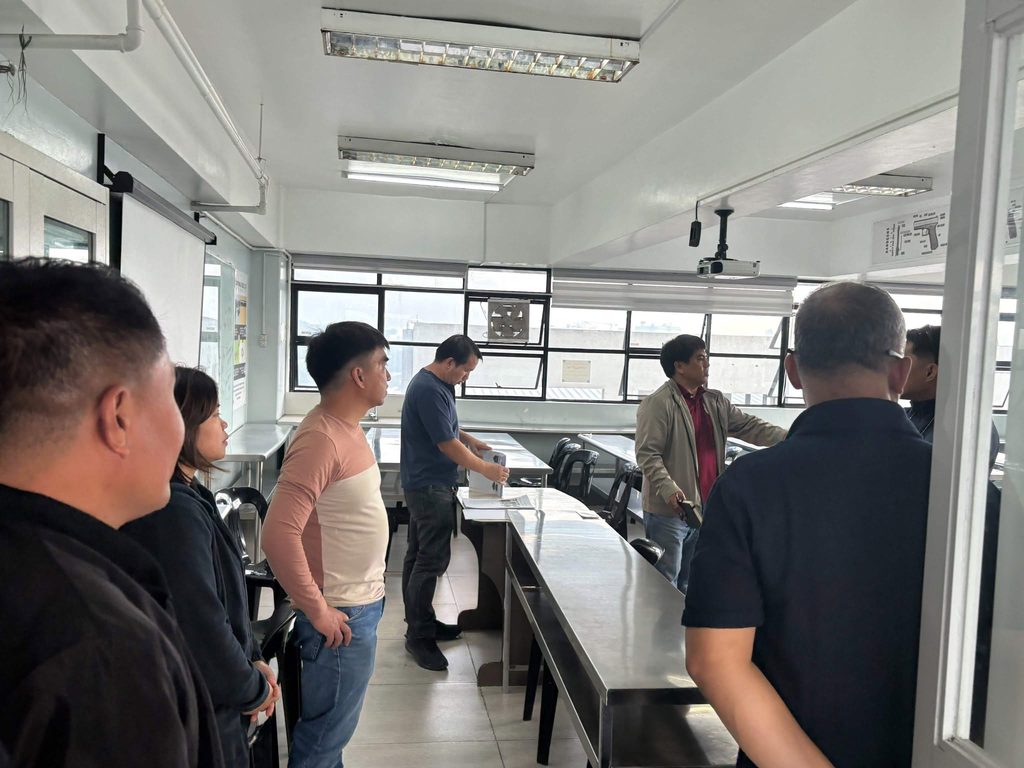
Representing WVSU–Lambunao Campus were Dr. Glenn Latanga, Director for Academic Affairs, and Prof. Clyde Larroder, Coordinator of the Planning and Development Office. They were welcomed by the University of Baguio delegation led by Dr. Filibert Patrick F. Tad-ayawan, Program Chair of the Bachelor of Forensic Science, representing Dr. Charesma Grace K. Lud-ayen, Dean of the School of Criminal Justice and Public Safety (SCJPS). They were joined by Dr. Marie Joy M. Capdos, School Research Anchorperson; Mr. Immanuel Jesus A. Fernandez, Internship Coordinator; and Mr. Ericson T. Wallace, Crime Laboratory Custodian.
The meeting provided a platform for the two institutions to exchange experiences and institutional practices in academic program implementation, laboratory-based instruction, research, internship management, and student professional development. With WVSU–Lambunao Campus offering the Bachelor of Science in Criminology, the engagement was particularly relevant to its continuing efforts to enhance its existing academic offerings and explore opportunities for further development in forensic science education.
Strengthening Forensic Science Education Through Laboratory Development
A significant component of the benchmarking activity focused on the development, organization, and management of crime laboratory facilities as essential learning environments for criminology and forensic science students.
The discussions covered laboratory planning, equipment requirements, maintenance, safety protocols, documentation, evidence-handling procedures, and the integration of practical laboratory exercises into academic instruction. These areas highlighted the importance of providing students with opportunities to translate theoretical knowledge into technical competencies through structured and supervised learning experiences.
The University of Baguio shared its instructional approaches in forensic science education, particularly in areas such as crime scene investigation, questioned document examination, and evidence processing. Through its Bachelor of Forensic Science program, UB integrates theoretical instruction with laboratory-based learning and professional exposure to help students develop the foundational knowledge and practical skills required in forensic-related disciplines.
The exchange offered WVSU–Lambunao Campus valuable considerations for planning and strengthening laboratory facilities that can support relevant academic standards and respond to the evolving demands of scientific investigation, criminal justice, and public safety.
Advancing Experiential Learning Through Internship Best Practices
Recognizing that professional competence extends beyond classroom instruction, the institutions also exchanged practices concerning the implementation and management of student internship programs.
Discussions centered on partner-institution identification, student placement, supervision, competency-based assessment, workplace safety, professional ethics, documentation, and coordination with law enforcement, forensic, and public safety agencies.
The University of Baguio emphasized the importance of experiential learning in preparing students for professional environments. Its internship and practical training activities provide opportunities for students to become familiar with professional procedures, workplace responsibilities, and the application of classroom concepts in actual or supervised training settings.
In forensic science education, practical exposure may involve crime scene assessment, documentation, evidence identification, collection, and preservation, subject to the nature and supervision of the training activity.
The exchange underscored that effective internship programs must go beyond fulfilling academic requirements. They should cultivate technical proficiency, ethical judgment, accountability, communication skills, and professional readiness among students preparing for careers in criminal justice and forensic services.
Exploring Academic Program Development and Professional Pathways
The benchmarking activity also examined approaches to strengthening criminology education and exploring the development of forensic science programs. Discussions included curriculum design, faculty qualifications, instructional resources, laboratory requirements, accreditation considerations, student admissions, and linkages with relevant industries and government agencies.
Given the existing Bachelor of Science in Criminology offering of WVSU–Lambunao Campus and the University of Baguio’s undergraduate programs in Criminology and Forensic Science, the exchange provided an opportunity to examine how specialized academic offerings can respond to emerging professional demands and developments in the criminal justice sector.
Particular attention was given to the career opportunities and academic pathways available to graduates. Criminology and forensic science education can prepare students for careers in law enforcement, crime investigation, forensic laboratory services, public safety, research, and related fields. These academic foundations may also support graduates who intend to pursue further studies in law, medicine, and other specialized disciplines, subject to the applicable admission and professional requirements.
The discussions highlighted the importance of maintaining relevant curricula, strengthening faculty capabilities, and establishing meaningful connections between academic instruction and the competencies expected in professional practice.
Exploring Graduate Education and Continuing Academic Development
Beyond undergraduate program development, the institutions explored graduate education opportunities that could complement their respective academic offerings and support continuing professional development.
The discussion considered possible academic pathways in criminology, forensic science, criminal justice, public administration, education, research, and related disciplines. These areas reflect the importance of advanced studies in developing specialized knowledge, research capabilities, leadership competencies, and professional expertise.
For WVSU–Lambunao Campus, the exchange provided an opportunity to consider how its existing graduate education offerings, including its Master of Science in Criminology, major in Forensic Science, could complement its undergraduate criminology program.
The University of Baguio, through its School of Criminal Justice and Public Safety, likewise shared its graduate academic environment and its role in supporting advanced learning and research in criminal justice and related fields.
The discussion reinforced the value of establishing coherent academic pathways that encourage lifelong learning, strengthen faculty development, and promote research-informed approaches to criminal justice education. Potential areas of cooperation may include research collaboration, graduate academic development, faculty engagement, and other initiatives that both institutions may pursue through appropriate institutional arrangements.
Advancing Quality Education, Justice, and Institutional Partnerships
The benchmarking engagement contributes to the University’s continuing commitment to the United Nations Sustainable Development Goals (SDGs), particularly SDG 4, SDG 16, and SDG 17.
SDG 4: Quality Education
The activity supports SDG 4 by promoting the continuous improvement of higher education through the exchange of academic practices, curriculum development strategies, laboratory-based instruction, and internship management. It advances the objectives of Targets 4.3 and 4.4 by encouraging relevant tertiary education and strengthening the technical competencies and professional preparedness of students pursuing careers in criminology and forensic science.
SDG 16: Peace, Justice and Strong Institutions
The engagement supports SDG 16 by emphasizing the importance of scientific, ethical, and evidence-based approaches to criminal investigation and justice administration. Discussions on forensic laboratory instruction, evidence handling, and professional training reinforce the role of quality criminal justice education in preparing competent professionals who can contribute to the rule of law, institutional accountability, and the administration of justice. These contributions are aligned with Targets 16.3 and 16.6.
SDG 17: Partnerships for the Goals
The benchmarking visit directly advances SDG 17 by providing an avenue for inter-university knowledge exchange, institutional learning, and the exploration of collaborative initiatives. The engagement between West Visayas State University–Lambunao Campus and the University of Baguio demonstrates the value of academic partnerships in sharing expertise, strengthening institutional capabilities, and identifying opportunities for cooperation in research, faculty development, student internships, and curriculum enrichment. These efforts support the objectives of Targets 17.16 and 17.17.
Sustaining Institutional Learning Through Collaboration
The benchmarking visit reflects the importance of collaboration among higher education institutions in responding to the evolving demands of criminal justice and forensic science education. By sharing its academic practices, laboratory-based instructional approaches, internship experiences, and graduate education environment, the University of Baguio provided WVSU–Lambunao Campus with relevant institutional insights that may inform its continuing academic development initiatives.
Beyond the exchange of information, the engagement highlighted the value of sustained institutional relationships in advancing educational quality, strengthening professional preparation, and encouraging research-driven innovation. Potential areas for future cooperation include curriculum enrichment, faculty development, research collaboration, student internship opportunities, and continuing academic engagement, subject to further discussions and appropriate institutional arrangements.
Through initiatives such as this, the University of Baguio continues to recognize the importance of knowledge sharing and inter-institutional collaboration in advancing quality education and preparing future professionals who can contribute meaningfully to criminal justice, public safety, and the broader pursuit of a just and sustainable society.