
Written by Joanna Marie V. Villavicencio
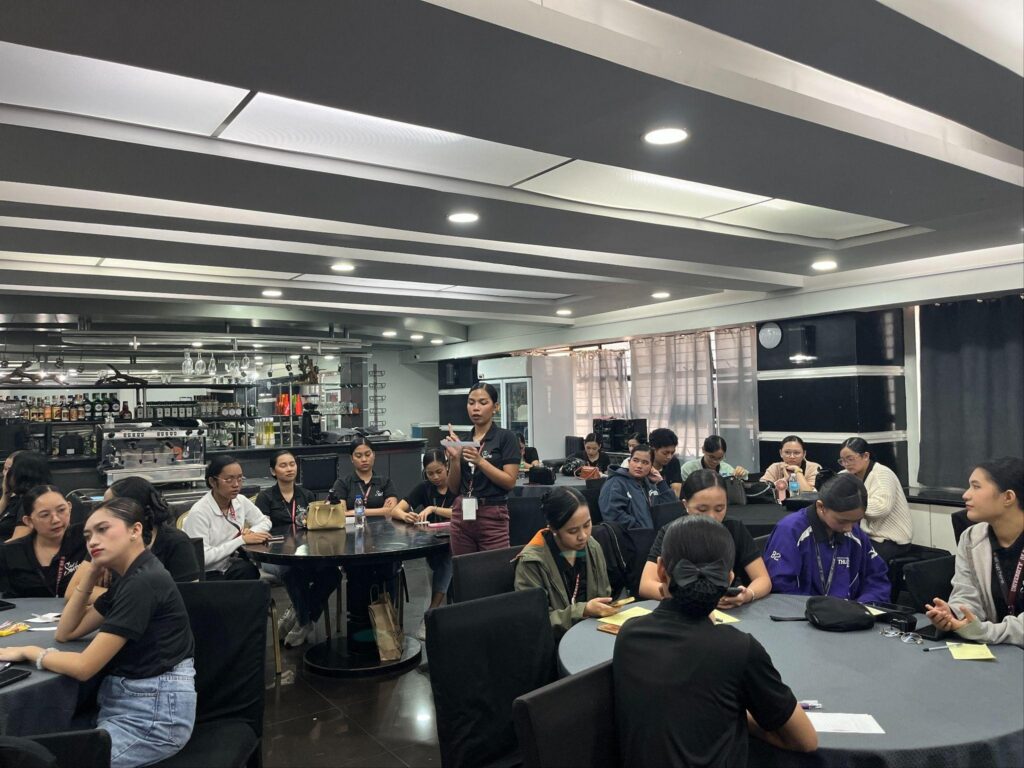
The University of Baguio’s School of International Hospitality and Tourism Management (UB-SIHTM) held its inaugural “Tourism A.S.C.E.N.D. Workshop” on March 28th, 2026, at the Sazerac Bar at the University of Baguio. The theme of this specialized training workshop was “Mastering Travel Services & Guest Relations,” providing a strategic platform for integrating traditional hospitality skills with the technological and service-enhanced expectations of Contemporary Global Travel Markets.
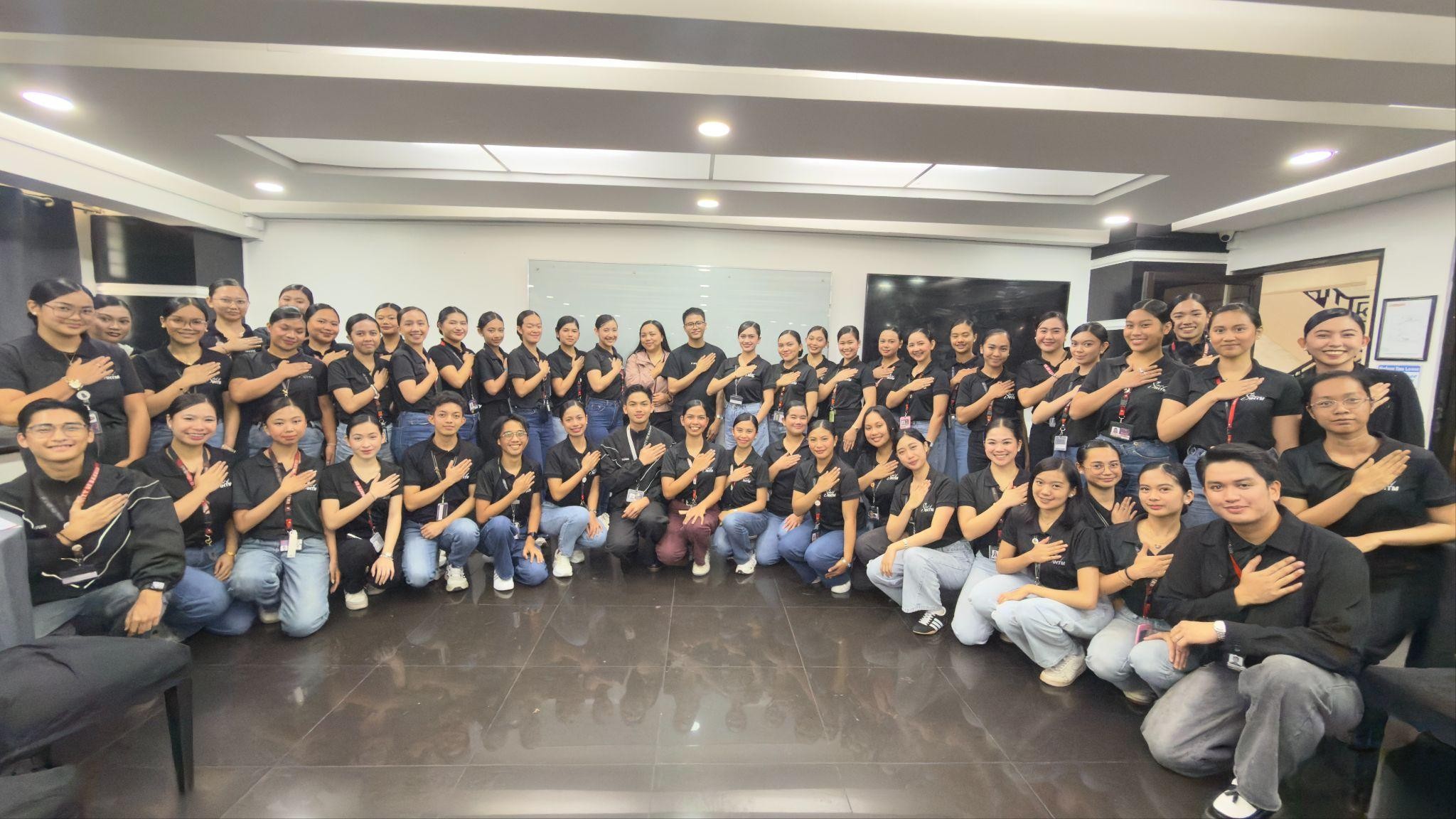
The primary goal of the workshop is to develop 51 Bachelor of Science in Tourism Management (BSTM) student volunteers into highly skilled “Experience Architects” in advance of the upcoming SIHTM Open House. Structurally, the workshop involved establishing rigorous and measurable institutional performance targets, including a 90% success rate on practical exercises, completion of all educator-led course module training, and establishment of an average participant satisfaction of 4.5 out of 5.0. The program’s delivery of localized, high-impact instructional methodology was a clear expression of the University’s mission to sustain professional excellence while developing educated and empowered global citizens.
Support for global sustainability was a key theme throughout the workshop, with direct support provided to four of the United Nations Sustainable Development Goals (SDGs).
Specifically, SDG 4: Quality Education was supported through vocational training aligned with industry, requiring participants to connect academic concepts to real-world requirements of the corporate world. Preparedness for student employment and the development of additional knowledge and expertise to reduce employee turnover in the hospitality and tourism industry directly supported SDG 8: Decent Work and Economic Growth.
The A.S.C.E.N.D. also promoted SDG12: Responsible Consumption and Production via an improved operational resource management system that uses a thoughtful approach. In addition, SDG 17: Partnerships for the Goals was strengthened through cross-sectoral mentor linkages in delivering services to students through A.S.C.E.N.D.
In line with these priorities, student outputs reflected all aspects of these goals, with 100% of final group presentations assessed incorporating at least two distinct SDGs in their evaluations.
The collaboration amongst the primary stakeholders of this initiative was integral to its success. There was no budget framework utilized during the seamless organization of the workshop, which was established under the direction of Overall Coordinator and BSTM Program Chair Joanna Marie V. Villavicencio, MBA.
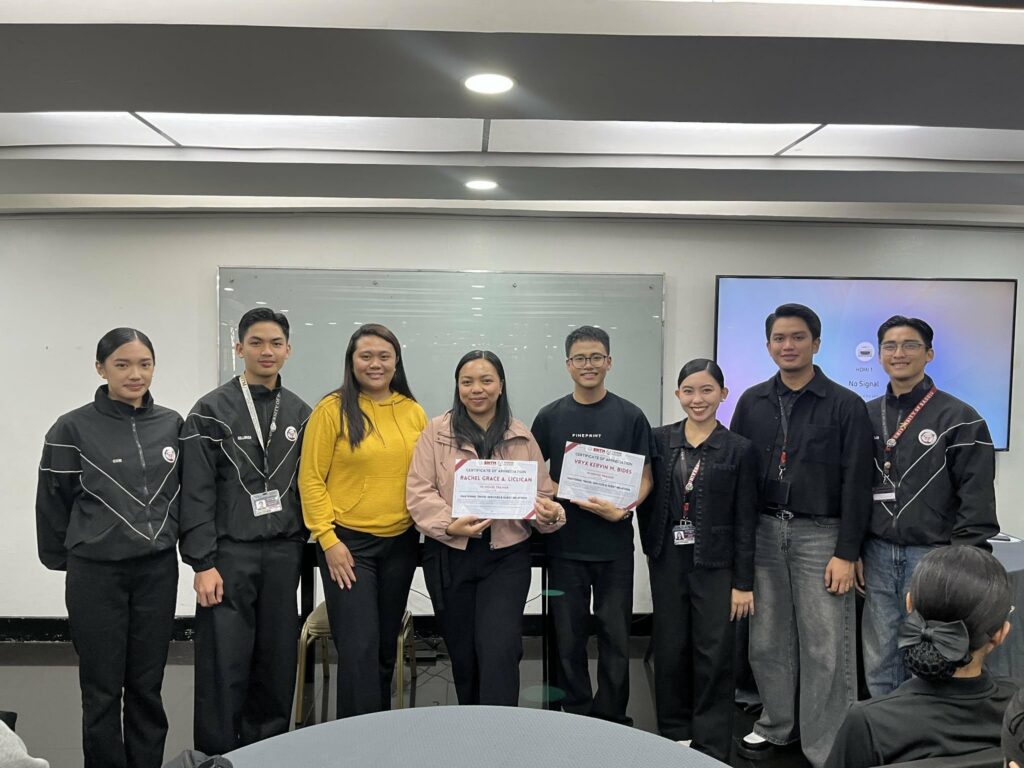
BSTM full-time faculty members Rachel Grace A. Liclican and Vryx Kervin M. Bides served as internal trainers for this workshop, drawing on their extensive corporate experience, including previous consulting and service officer positions with highly respected organizations such as Rajah Travel Corporation and PETC Global. Their expertise played a significant role in shaping the curriculum content delivered through the A.S.C.E.N.D. Workshop.
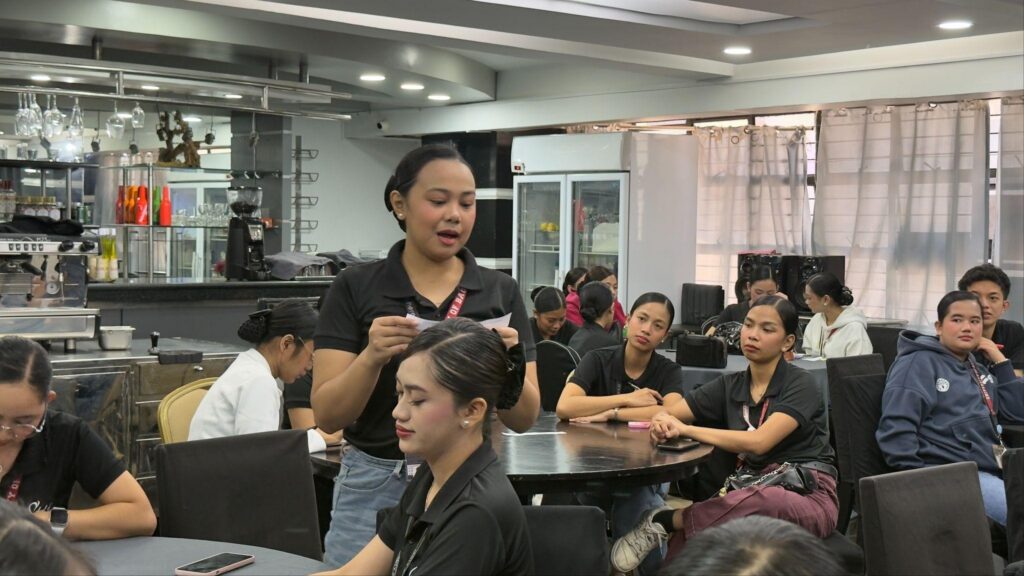
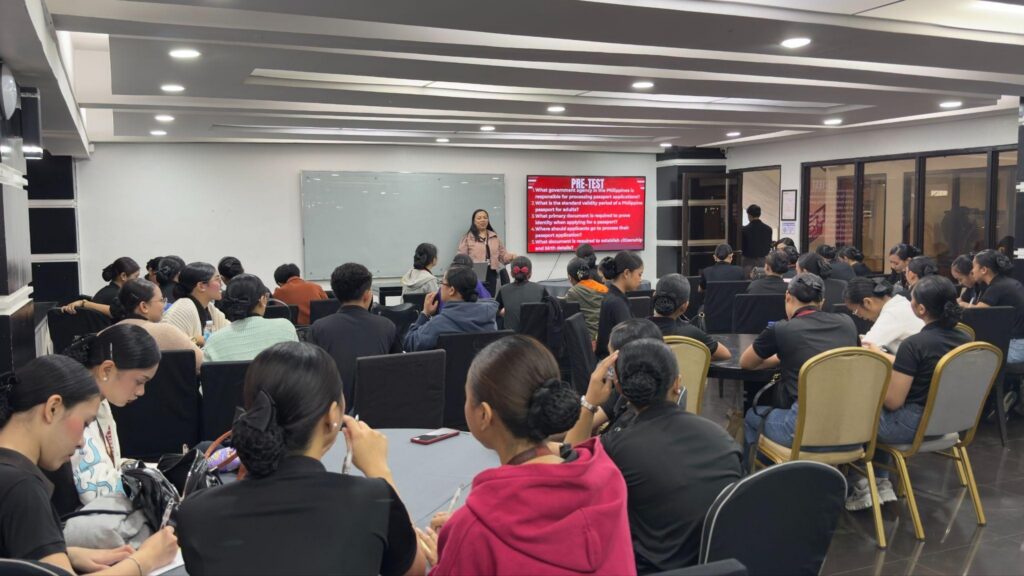
Moreover, the curriculum was developed around the successful stories of BSTM students who have achieved international careers, using their paths to success to provide tangible benchmarks for all volunteer students to measure their overall career readiness for any future position they may obtain in the tourism industry.
The immediate impact of the A.S.C.E.N.D. Workshop was quantitatively measured through post-activity performance metrics gathered from the student-volunteers who participated. They rated their skill acquisition as excellent in areas such as practical tour guiding, exceptional customer service, and professional communication. In addition, they reported strong gains in hands-on technical skills.
Overall, the workshop’s operational objectives were achieved, with student-volunteers reporting that they felt 100% prepared to assist guests during the Open House. In the long term, the A.S.C.E.N.D. Workshop serves as an essential faculty development program, facilitating the formal transition of BSTM faculty into qualified, highly rated internal facilitators capable of addressing complex inquiry-related questions.
Finally, student volunteers expressed a high level of satisfaction with the A.S.C.E.N.D. Workshop, consistent with the positive feedback received from participants. As such, the A.S.C.E.N.D. Workshop stands as a model for the development of future workshops and events.