
Written by Bernardine Bernabe, RPm (OVPAA-CSR)
In its continuing pursuit of academic excellence, operational efficiency, and sustainable development, the University of Baguio Central Supply Room (UBCSR) successfully conducted a comprehensive four-day Laboratory Orientation, Departmental Planning Meeting, and Laboratory Training Workshop from July 20 to 23, 2026 at the SMART AVR. The initiative brought together laboratory custodians and student assistants from various academic units in a unified effort to strengthen laboratory governance, reinforce safety standards, cultivate professional competence, and embrace innovation in laboratory management.
Designed as an integrated capacity-building program, the four-day activity reflected the University’s commitment to ensuring the laboratories remained safe, efficient, and sustainable learning environments that support quality education and institutional excellence. By combining orientation, strategic planning, technical skills development, and digital innovation, the program equipped participants with the knowledge, competencies, and collaborative mindset necessary to respond to the evolving demands of higher education while advancing the University’s contribution to the United Nations Sustainable Development Goals (SDGs).
Building Foundations for Safe and Student-Centered Laboratory Operations
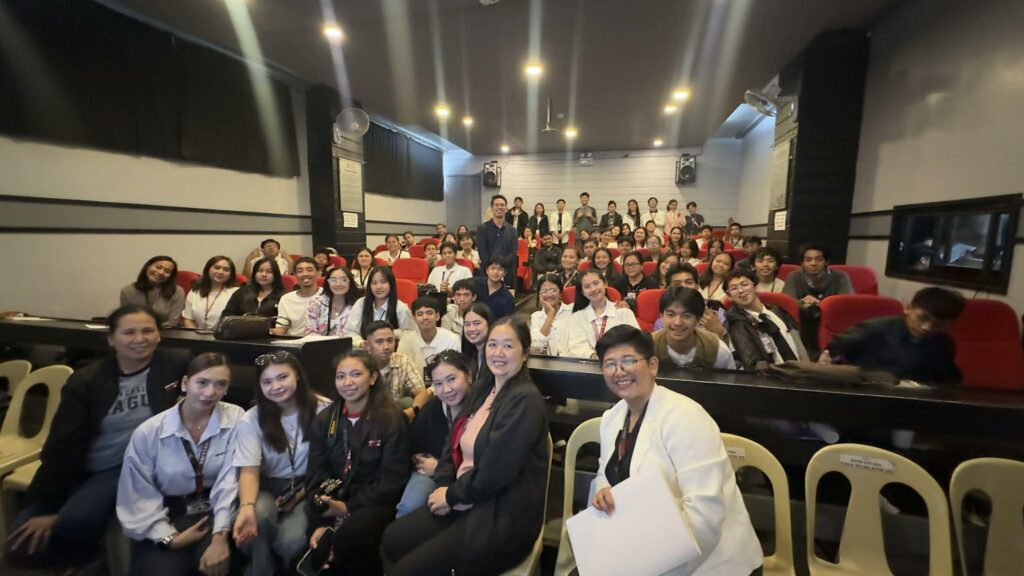
The program commenced on July 20, 2026 with the UBCSR Laboratory Orientation for laboratory custodians and student assistants. The orientation provided participants with a comprehensive introduction to the University’s institutional policies, students support services and laboratory operations. Representatives from various university offices discussed Human Resource policies and employee welfare, health and safety services, student affairs, campus security, emergency preparedness, data privacy, library resources, counseling and mental health services, information technology services, and laboratory operational best practices. Experienced laboratory custodians also shared practical approaches to managing science, engineering, computing, and specialized laboratories, enabling newly appointed personnel to appreciate the vital role of laboratories in supporting instruction, research, and student development. More than introducing institutional procedures, the orientation cultivated a culture of professionalism, accountability, collaboration, and service among laboratory personnel who play an essential role in maintaining learning environments conducive to academic excellence.
On the second day, the central supply room convened its Laboratory Custodians’ Strategic Planning and Performance Review Meeting, which served as an avenue for evaluating departmental accomplishments, and strengthening organizational effectiveness for the coming academic year. Guided by the department’s commitment to continuous quality improvement, participants reviewed accomplishments of the Central Supplier Room under the five Key Result Areas (KRAs), assessed accomplished and non-compliant indicators, identified operational concerns, and established strategic action plans to enhance departmental performance. The meeting also facilitated discussions on committee assignments, institutional sustainability initiatives, research productivity, laboratory monitoring systems, accessibility improvements, outreach participation, and documentation practices. Furthermore, the department organized research teams, strengthened committee structures, standardized monitoring mechanisms, and reinforced collaborative planning among laboratory custodians to ensure evidence-based decision-making, and sustained institutional excellence. These collective efforts demonstrate the Central Supplier Room’s dedication to accountability, quality assurance, and responsive governance that continuously improves laboratory services across the University.
The third day featured the UBCSR Laboratory Training Workshop for laboratory custodians and student assistants focusing on Laboratory Safety, Proper Maintenance, and Efficient Work Practices. Led by Mr. Mark Alben B. Ponciano emphasized the importance of cultivating a proactive safety culture through the proper implementation of laboratory safety protocols, preventive maintenance practices, and efficient operational procedures. Participants enhanced their competencies in identifying laboratory hazards, maintaining laboratory equipment, implementing safe work practices, and promoting accountability in day-to-day laboratory operations. The workshop underscored that effective laboratory management extends beyond compliance with safety standards. It requires continuous vigilance, teamwork, and responsible stewardship of facilities and equipment that support instruction and research. By strengthening technical competence and reinforcing preventive approaches to laboratory maintenance, the training contributes to creating safer learning
environments that protect students, faculty members, and laboratory personnel while ensuring the longevity and efficient utilization of institutional resources.
The fourth-day program concluded with another UBCSR Laboratory Training Workshop exclusively for laboratory custodians on Streamlining Laboratory Documentation: How to Use Artificial Intelligence to Write Clear, Concise, Narrative Reports. Facilitated by Dr. Roselle G. Aniceto, the session introduced participants to the responsible integration of artificial intelligence as a productivity tool for institutional documentation. Through practical demonstrations, laboratory custodians explored strategies for producing organized, concise, and evidence-based narrative reports while maintaining professional judgment, accuracy, and ethical standards in documentation. The workshop emphasized that artificial intelligence complements-not replaces the critical thinking and expertise of laboratory professionals by enhancing the efficiency, consistency, and quality of institutional reporting. Documentation remains an essential component of quality assurance, monitoring, and decision-making. The integration of emerging digital technologies positions the Central Supply Room to respond effectively to the University’s evolving standards of governance and operational excellence.
Strengthening Sustainable Development Through Laboratory Excellence
Collectively, the four-day capacity-building initiative demonstrates the University of Baguio Central Supply Room’s unwavering commitment to advancing sustainable laboratory management through continuous professional development and institutional innovation. The program directly contributes to the Sustainable Development Goals, particularly:
- SDG 3 (Good Health and Well-Being) by strengthening laboratory safety and workplace wellness;
- SDG 4 (Quality Education) by promoting continuous professional learning among laboratory personnel;
- SDG 8 (Decent Work and Economic Growth) by enhancing workforce, competence and operational efficiency;
- SDG 9 (Industry, Innovation, and Infrastructure) by integrating artificial intelligence and innovation management practices into laboratory operations;
- SDG 12 (Responsible Consumption and Production) by reinforcing proper maintenance, resource, stewardship, and responsible laboratory practices;
- SDG 16 (Peace Justice and Strong Institutions) by strengthening governance, accountability, quality assurance, and data informed decision making; and
- SDG 17 (Partnership for the Goals) through collaboration among university offices, laboratory, personal, and institutional stakeholders in advancing shared organizational objectives.
A Continuing Commitment to Laboratory Excellence and Sustainable Stewardship
The successful conduct of the four-day program affirms that laboratory excellence extends beyond maintaining facilities and equipment. It is cultivated through competent personnel, effective leadership, collaborative planning, responsible stewardship, and a commitment to continuous innovation. By investing in the professional growth of laboratory custodians and student assistants, strengthening institutional governance, promoting safe laboratory practices, and embracing digital transformation, the University of Baguio Central Supply Room continues to create learning environments where safety, innovation, accountability, and sustainability work together to support the university’s mission of developing globally competent professionals. and advancing meaningful contributions towards sustainable development.