
Written by: Kevin D. Cawid and Ros Claire Marzan (UBHS Faculty)
In an increasingly interconnected world where artificial intelligence (AI) continues to reshape how people access, process and share information, developing responsible and critical AI literacy has become an essential part of education. Recognizing the importance of preparing learners for the opportunities and challenges of the digital age, the University of Baguio High School (UBHS), Philippines, and the International Education Center (IEC), Vietnam, joined hands for a meaningful cross-cultural learning experience under GAWIS 3.0 (Global Advocate for Weaving Indigenous Spirit) on November 16, 2026, from 11:00 AM to 12:00 NN.,
GAWIS 3.0: Strengthening Global Connections Through Collaborative Learning
GAWIS is a continuing series of cross-cultural and collaborative learning activities initiated during School Year 2025–2026. Designed to establish meaningful connections among learners from different cultural and educational backgrounds, the initiative provides opportunities for knowledge exchange, intercultural dialogue, and shared learning experiences that extend beyond the conventional classroom. Now on its third implementation, GAWIS continues to strengthen international academic collaboration by exploring relevant global issues while promoting cultural appreciation, mutual understanding, and responsible global citizenship. Through its evolving activities, the initiative demonstrates the importance of connecting schools and communities in developing learners who are not only academically capable but also culturally aware, socially responsible, and prepared to engage in an increasingly interconnected world.
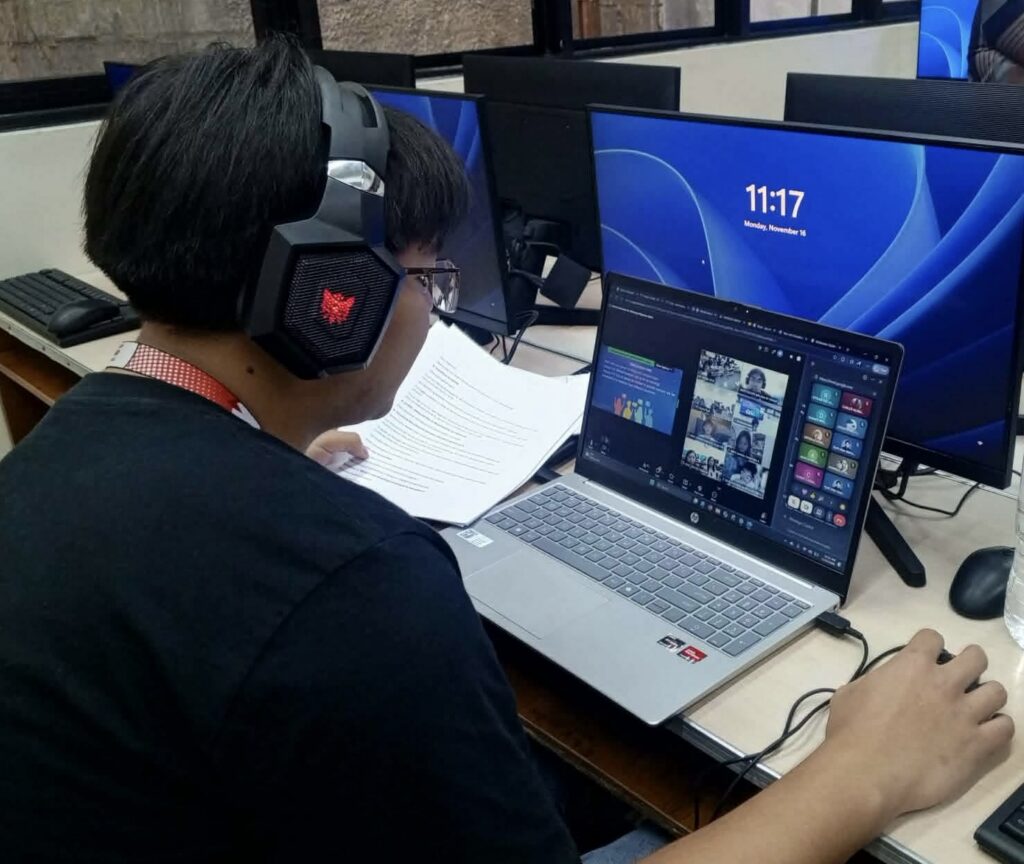
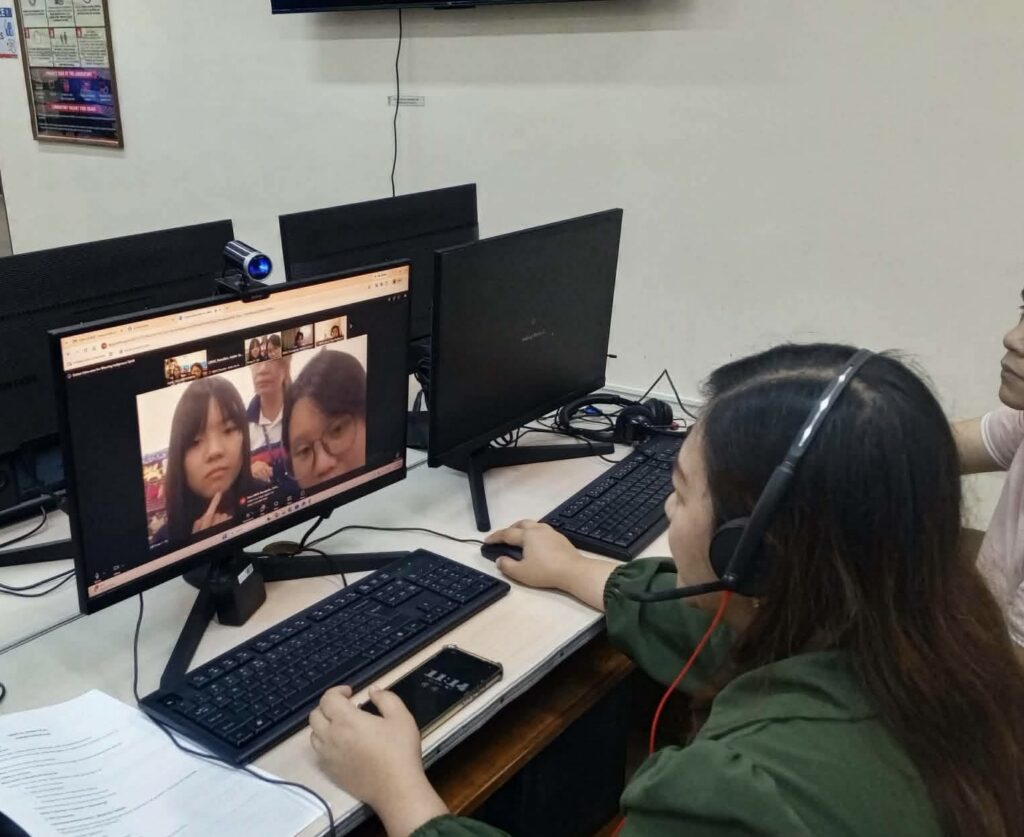
Anchored on the theme, “Beyond the Prompt: A Cross-School Dialogue on Responsible and Critical Use of AI in Learning,” the activity brought together 35 Grade 11 learners from UBHS, particularly from Section 11-Biyo, and 18 students aged 16–18 from IEC, Vietnam. Conducted at the ME05 Computer Laboratory on the fifth basement of the University of Baguio’s Legacy Building, the session provided a platform for students from two different educational and cultural backgrounds to exchange ideas, examine the role of AI in academic learning, and explore how technology can be used responsibly and meaningfully.
The initiative was facilitated by the teachers handling the AI, Ethics, and 21st Century Skills (AIECS) subject, reflecting the school’s commitment to integrating digital literacy, ethical awareness, and critical thinking into classroom instruction. The session featured Mr. Kevin Jones D. Cawid as the lesson presenter, Ms. Ros Claire A. Marzan and Mr. John Kinse D. Bango as facilitators, and Mr. Kyth Allan M. Manuel as moderator.
Providing administrative leadership and support were Mrs. Rowena W. Severo, Assistant Principal for UB Senior High School, and Mrs. Jubilyn G. Kiing, Assistant Principal for UB Junior High School. The initiative was under the leadership of Dr. Violeta F. Apiles, UBHS Principal. Serving as members of the technical working group were Ms. Shaira Jane S. Ongyod and Mr. Jan Rae M. Manuel. Documentation was handled by UBHS student assistants Hazel Munar and Hannah Arive, together with MIS student assistant Scott Miel S. Remiendo.
Dubbed “AI Under the Microscope” the learning session consisted of three interactive activities designed to encourage students to question, examine, and evaluate the information and outputs generated through artificial intelligence.
The first activity, “Greetings and Human or AI Quiz” served as an engaging introduction to the topic. Participants were presented with different images and challenged to identify whether each was created by artificial intelligence or captured from real human subjects. Beyond testing their ability to distinguish AI-generated content from authentic images, the activity encouraged students to recognize how increasingly sophisticated AI technologies can influence their perception of digital information. It highlighted the importance of looking beyond appearances and developing a questioning attitude toward the content they encounter online.
The second activity, “Cross-School Analysis Activity” provided the participants with an opportunity to collaborate and learn from one another. Students were divided into mixed groups and invited to participate in breakout rooms where they introduced and presented different AI tools that could support academic learning and information gathering. Using their chosen tools, the groups were tasked to answer guide questions by searching for relevant information and analyzing assigned samples.
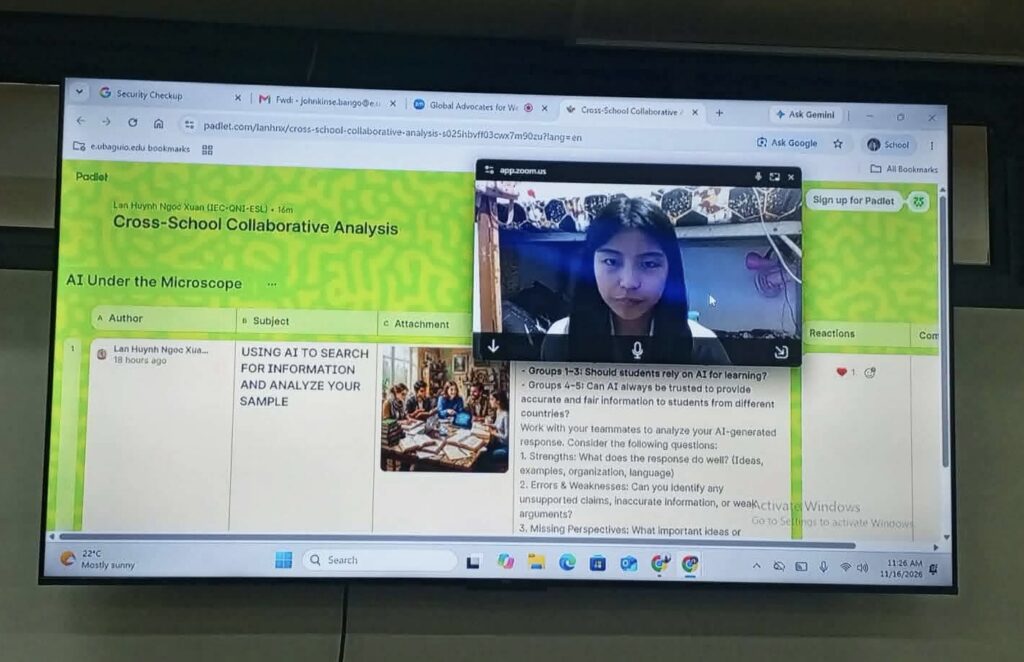
This activity allowed learners to experience the practical applications of AI while examining the importance of verifying information, evaluating the reliability of generated responses, and exercising sound judgment when using technological tools. More importantly, the cross-school grouping encouraged students to share perspectives, communicate their ideas, and work collaboratively despite differences in their educational and cultural experiences.
The third activity, “Sharing of Discussion Findings” served as the culminating part of the session. Representatives from the groups presented their observations, responses, and insights based on their collaborative analysis. The sharing session provided an opportunity for students to compare their findings, recognize the strengths and limitations of different AI tools, and reflect on how responsible AI use requires more than simply entering prompts and accepting generated answers. Through this exchange, participants were encouraged to understand that AI should serve as a learning companion rather than a substitute for independent thinking, creativity, and human decision-making.
More than a technology-oriented activity, the collaboration demonstrated the value of international academic partnerships in broadening students’ understanding of global issues. By bringing together Filipino and Vietnamese learners, GAWIS 3.0 created a learning environment where intercultural communication, mutual respect, and shared responsibility became integral to the educational experience. The students were not merely introduced to AI tools; they were given opportunities to question their applications, assess their outputs, and recognize their responsibilities as young digital citizens.
Ultimately, the cross-cultural learning session reinforced the importance of equipping learners with the knowledge and values necessary to navigate an AI-driven world. It emphasized that being digitally competent means knowing not only how to use technology but also when, why, and how to use it ethically and critically.
Through GAWIS 3.0, UBHS and IEC Vietnam demonstrated that meaningful learning extends beyond geographical boundaries and traditional classroom settings. As students continue to explore emerging technologies, the collaboration serves as a reminder that responsible innovation begins with informed individuals who think critically, communicate respectfully, and work collectively.

Beyond the prompt lies a greater responsibility: to think critically, learn collaboratively, and use artificial intelligence with integrity. Through this partnership, UBHS and IEC continue to weave connections across cultures, empowering the next generation of learners to become responsible, ethical, and globally minded digital citizens.
This initiative supports Sustainable Development Goal (SDG) 4: Quality Education by promoting inclusive, meaningful, and collaborative learning experiences that develop learners’ digital literacy, critical thinking, and responsible use of emerging technologies. It also advances SDG 17: Partnerships for the Goals by strengthening international academic collaboration between UBHS and IEC Vietnam.