

Written by Nona Gabriel | Photo by Sittie Darimbang
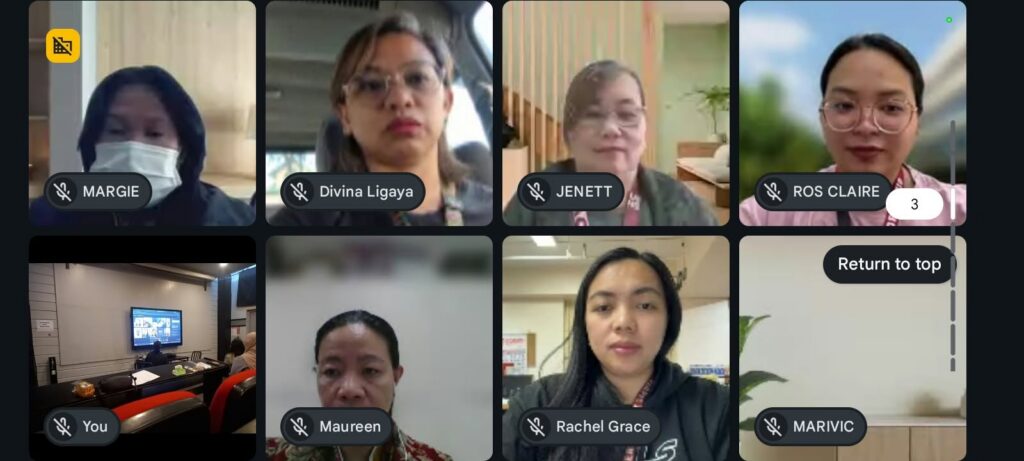
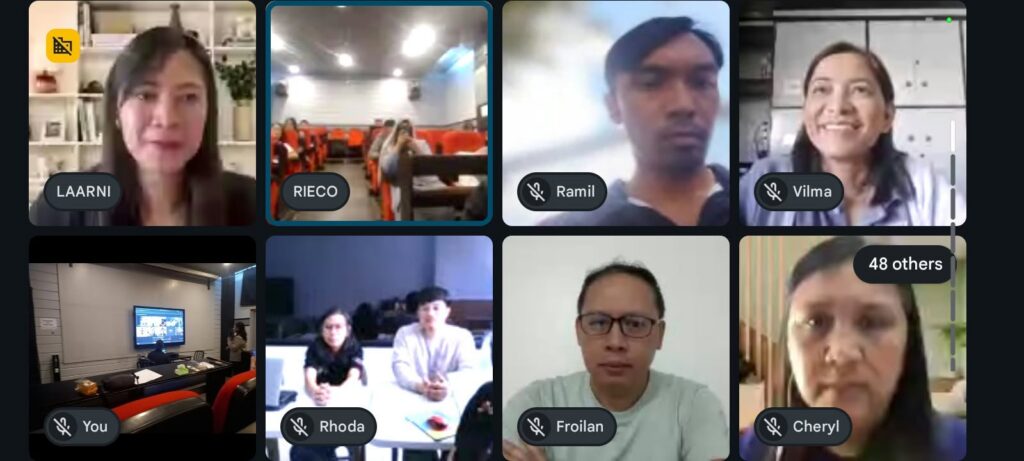
The University of Baguio conducted a focused training session on September 25 at the Alumni AVR for its University Research Board (URB) to strengthen the ethical and scientific quality of research reviews across the institution. The activity brought together members from six (6) Research Instrumentation Committees (RIC), fourteen (14) Institutional Research Committees (IRC), and forty-five (45) Research Ethics Committees (REC) to improve how research proposals and manuscripts are evaluated.
The activity supports the University’s contribution to the United Nations Sustainable Development Goals, particularly SDG 4 (Quality Education) by building reviewers’ technical skills, SDG 8 (Decent Work and Economic Growth) by strengthening institutional research productivity, and SDG 17 (Partnerships for the Goals) by fostering cross-committee collaboration and capacity-building.

Dr. Donnavila Marie P. Herbster, Director of RIECO, opened the program by stressing that a stronger review process is essential if the university wants to publish in Scopus-indexed journals. She also introduced upcoming RIECO activities, including CUBE Arise on October 1 and a Regional Colloquium and SDG-related webinar on October 15, as important platforms for showcasing and further developing the university’s research outputs.
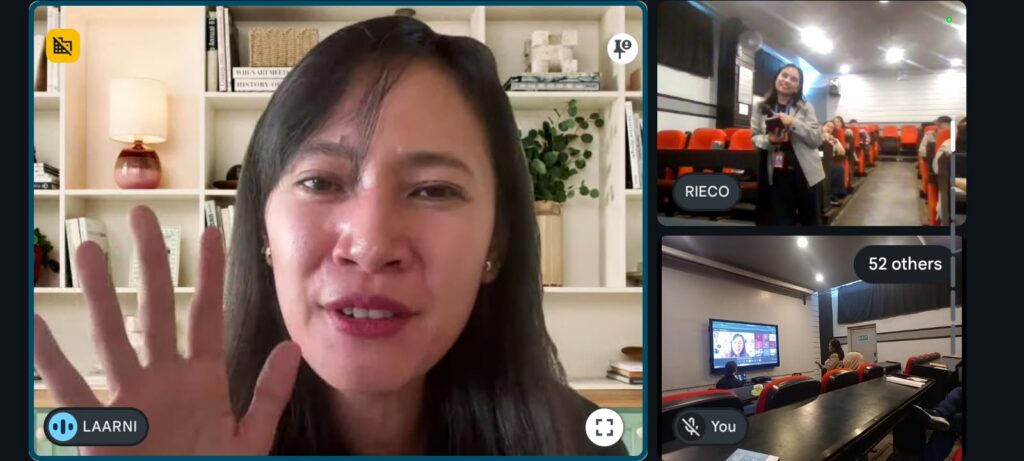
Dr. Laarni Natividad, Officer of the Research Capacitation and Services Officer at the Research, Innovation and Sustainable Extension (RISE) Center of SLU, served as the resource speaker and discussed key points on ethical and scientific review. She reminded reviewers to align research objectives with the treatment of data and to ensure that methods and analyses match the study’s goals. She also shared practical “do’s and don’ts,” emphasizing that reviewers should be kind, professional, and respectful, and should submit their reviews on time as a way of honoring the authors’ work.
The session ended with a closing message from Dr. Janice Kaylyn K. Lonogan, Vice President for Academic Affairs, who encouraged reviewers to also become active researchers themselves. She noted that producing one’s own research and collaborating with colleagues can deepen understanding of the review process and help build a stronger, more supportive research culture aligned with the university’s sustainable development goals.