
Written by Katrine Dumling and Kate Jamaica Nanao (QAO Staff)
Photos courtesy of Rene Pascua (LNK-MAP Office)
In an era where educational institutions are expected not only to teach but also to model excellence, the University of Baguio (UB) continues to champion a culture of accountability, innovation, and sustainable leadership. Through its proactive management practices and commitment to quality assurance, UB ensures that its systems evolve with the changing educational landscape, anchored on data-driven governance and a shared pursuit of continuous improvement.
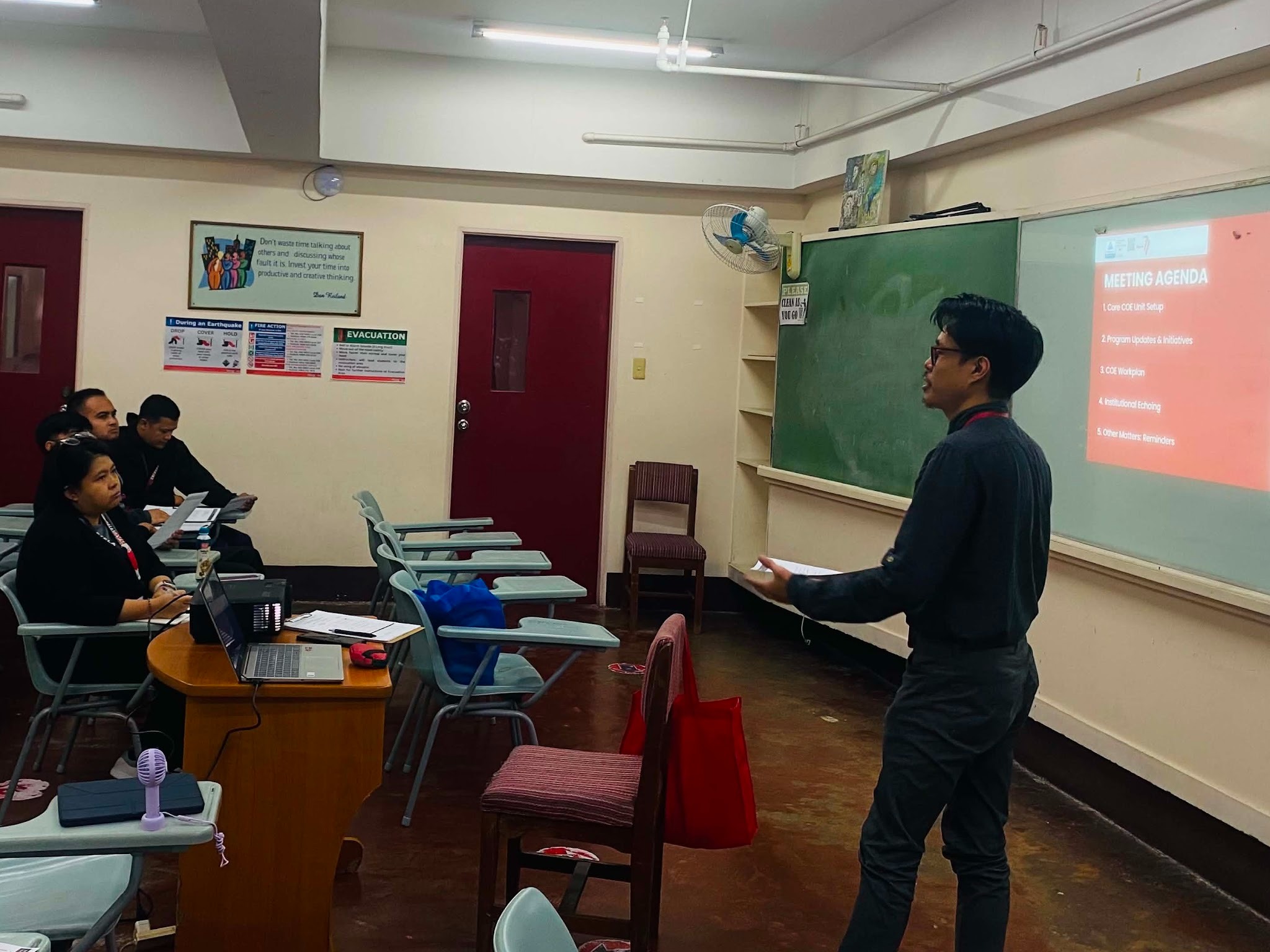
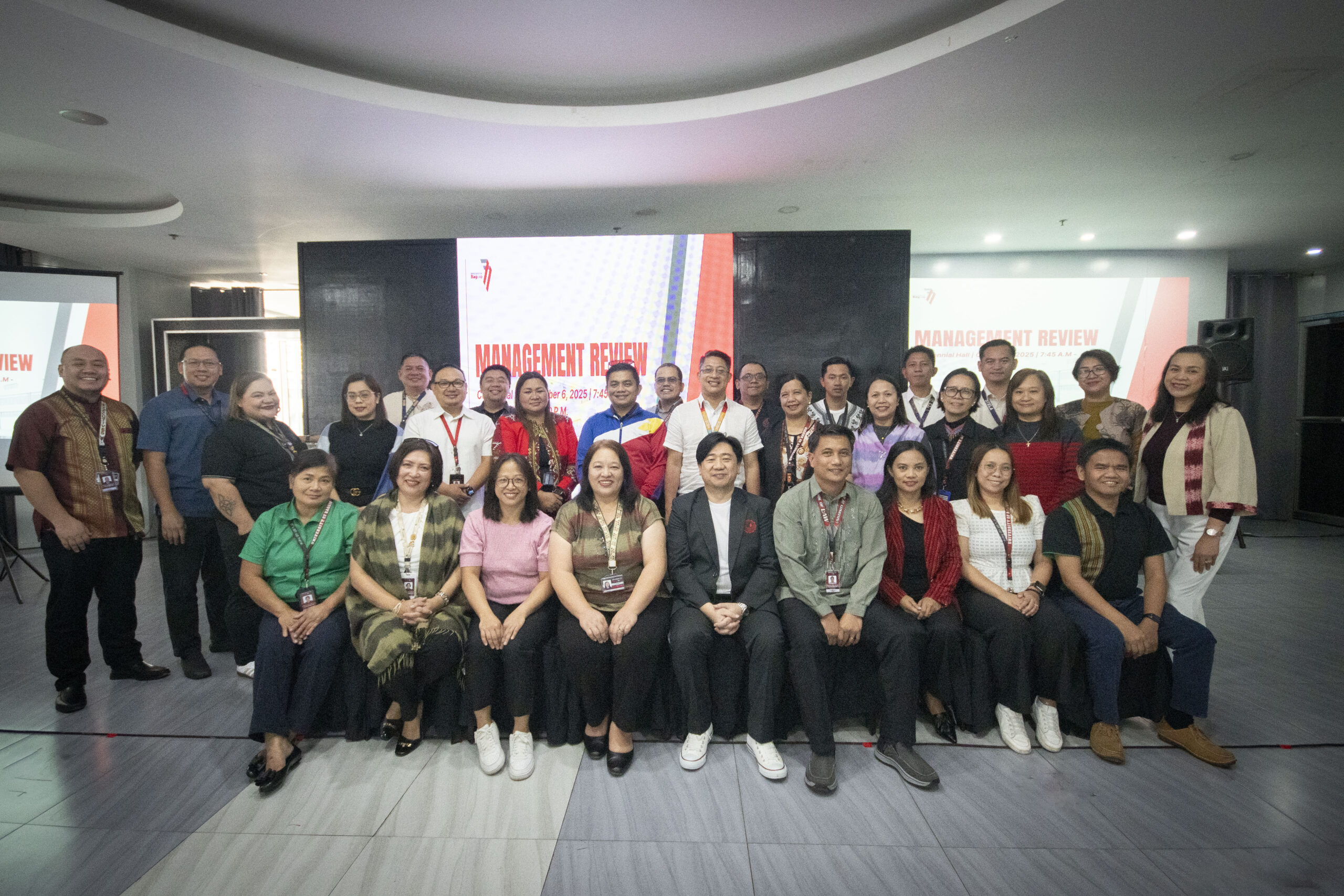
UB held its Management Review 2025 on October 6, 2025, at the UB Centennial Hall, bringing together a total of 44 participants composed of top management, deans, directors, principals, executive secretaries and staff from the Quality Assurance Office (QAO). Spearheaded by the QAO in collaboration with the Educational Organization Management Representative (EOMR), the review served as a vital institutional mechanism for assessing performance, evaluating ISO 21001:2018 compliance, and reinforcing UB’s culture of excellence, innovation, and continuous improvement.


Through collaborative reflection and evidence-based discussion, the Management Review enabled the University to evaluate its systems, track institutional milestones, and plan strategic actions toward quality education and sustainability. It is one of the most comprehensive exercises in the academic calendar, embodying the University’s collective commitment to accountability and its long-standing pursuit of excellence.
The Management Review is part of the Educational Organization Management System (EOMS) requirement, which ensures that UB’s management practices remain effective, adequate, and aligned with institutional goals. This year’s review aimed to assess the suitability and performance of UB’s management systems under ISO 21001:2018 standards. It also presented the latest developments in the UB ACCESS (Accreditation and Certification Compliance through Effective Sharing System), a UB digital platform designed to streamline documentation, monitor quality processes, and strengthen inter-office collaboration.
Through open dialogue, the review fostered transparency and inclusivity, empowering participants to analyze performance data, share best practices, and identify actionable areas for improvement. The discussions encouraged evidence-based decision-making, continuous enhancement of operational systems, and stronger alignment with both institutional and global standards.


Program Highlights and Key Discussion
The program opened with a prayer led by Ms. Leny Estacio, Director of the Center for Counseling and Student Development (CCSD), followed by the Management Review rationale based on ISO 21001:2018 presented by Dr. Kareen B. Leon, Director of the QAO and facilitator of the activity. Presentations featured a series of significant updates, beginning with UB ACCESS insights delivered by Mr. Justin Marcus Andrada, Full Stack Developer and Document Controller of the QAO, who shared how the platform enhances documentation, reporting, and compliance processes across UB units.


Further enriching the discussions, Ms. Melanie Rulla-Saro, Director of the Linkages Office (LNK), and Dr. John Balanquit, Dean of the School of Business Administration and Accountancy (SBAA), delivered the FLAIR 2025 UPLIFT Masterclass Echo, highlighting UB’s commitment to upscaling programs, fostering internationalization, and embracing future-oriented leadership. Dr. Leon also presented the ISO 21001:2018 Readiness Report and SWOT/TOWS Analysis, which provided an analytical overview of the University’s strengths, gaps, and areas for development.
During the reactor-response sessions, deans and directors engaged in meaningful exchanges regarding institutional data related to academic excellence, student satisfaction, research innovation, financial management, compliance, and inclusion. These exchanges reinforced the participatory spirit of the review, where every office contributed insights toward improving systems and processes.


The event culminated in a Panel Discussion featuring UB’s top executives, Dr. Javier Herminio D. Bautista (President), Atty. Rommel P. Ayson (Vice President for Administration), Dr. Johann Ben A. Bautista (Vice President for Finance), and Dr. Janice Kaylyn K. Lonogan (Vice President for Academic Affairs / EOMR). The panel emphasized the importance of shared accountability, data-driven leadership, and resilience in navigating the evolving landscape of higher education.
The Management Review 2025 aligns with several United Nations Sustainable Development Goals (SDGs), particularly SDG 4 – Quality Education: Advances education for sustainable development (SDG 4.7.1) through data-informed quality assurance and continuous improvement., SDG 8 – Decent Work and Economic Growth: Fosters inclusive, productive, and innovative institutional management (SDG 8.5.1) through professional development and leadership capacity-building, SDG 9 – Industry, Innovation, and Infrastructure: Promotes innovation and digital integration (SDG 9.5.1) via the UB ACCESS system, SDG 16 – Peace, Justice, and Strong Institutions: Embodies good governance and accountability (SDG 16.6.2) through participatory review processes and open data validation, and SDG 17 – Partnerships for the Goals: Strengthens inter-office and external collaboration (SDG 17.17.1) for institutional sustainability and shared learning.

infrastructure development, strengthening UB’s digital ecosystem and operational resilience. Furthermore, the review embodies strong institutional governance by fostering transparency, accountability, and participatory management, while its collaborative framework demonstrates the University’s commitment to partnerships for sustainable development.
By integrating these SDGs into its management framework, UB ensures that its policies and operations contribute meaningfully to the Times Higher Education (THE) Impact Rankings and to the global education agenda.
The Management Review has had a profound impact on both the institution and the UB community. It has strengthened communication and collaboration among administrative and academic leaders, encouraging unified decision-making based on verified data. The review also allowed for greater engagement among offices, which led to more coherent and aligned strategies in achieving the University’s academic and operational objectives.
For the UB community, the review promotes a shared sense of ownership and responsibility. Faculty and staff benefit from improved management systems that support efficiency, productivity, and inclusivity. The outcomes of the discussions directly influence curriculum enhancement, research innovation, and student services, thereby improving the overall educational experience.


In the long term, the review reinforces UB’s commitment to evidence-based governance and continuous improvement. It strengthens the University’s reputation as a leader in sustainable education and institutional quality, ensuring that every decision contributes to a more inclusive, ethical, and globally competitive academic environment.
The University of Baguio Management Review 2025 stands as a reaffirmation of UB’s dedication to excellence, innovation, and sustainability. By aligning its systems with the ISO 21001:2018 Educational Organization Management System and the United Nations Sustainable Development Goals, the University continues to lead through accountability, transparency, and shared leadership. The event not only reviewed performance but also renewed a collective commitment to building a resilient institution that continues to shape lives through quality education and transformative governance.
Because at the University of Baguio, it’s all up here.