
Written by Dr. Donnavila Panday-Herbster
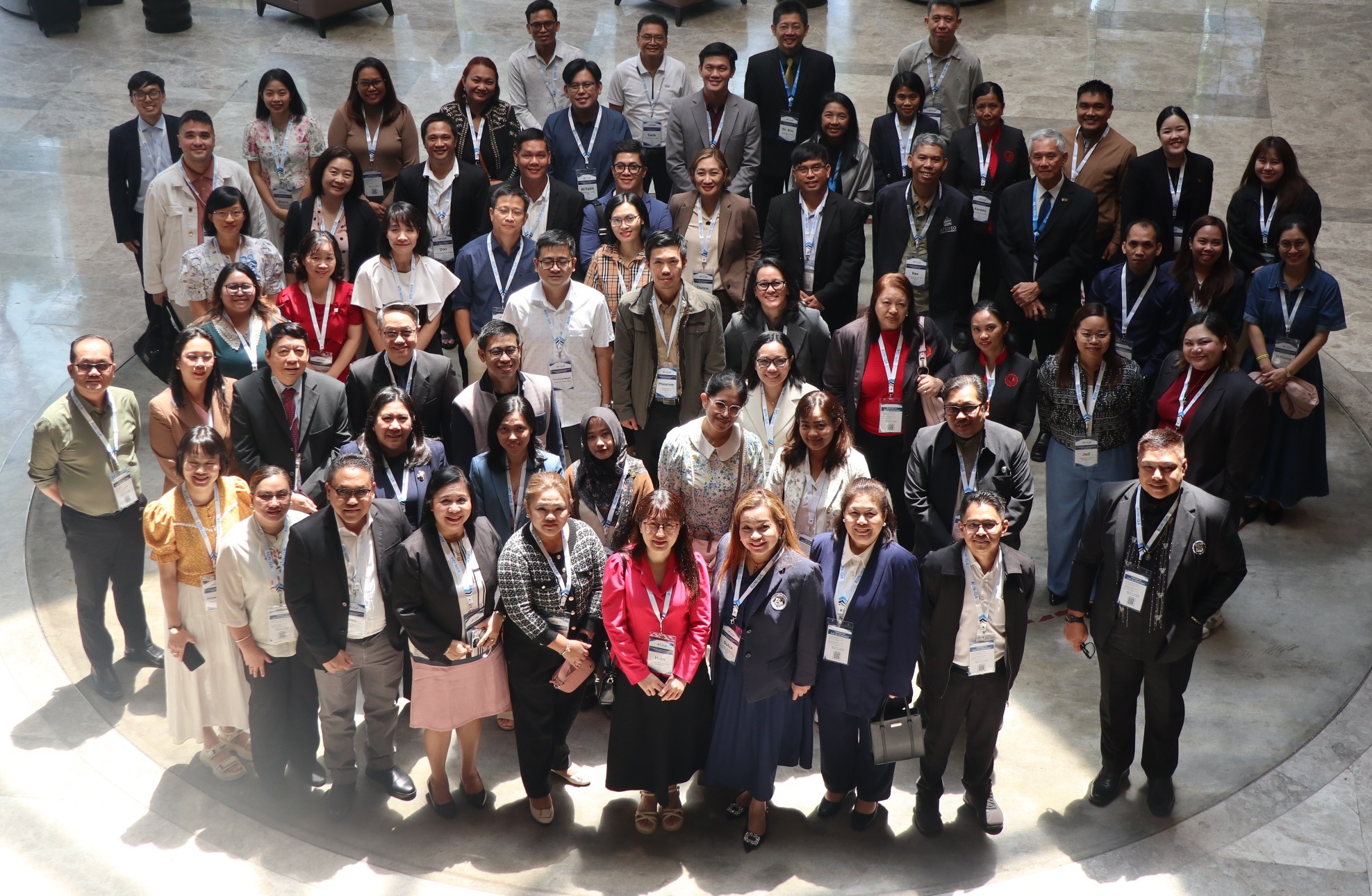
The University of Baguio (UB) continues to strengthen its commitment to global academic quality and institutional excellence through its participation in the ASEAN University Network-Quality Assurance ( AUN-QA ) Tier 1 Training held from October 14 to 17, 2025 at the New World Saigon Hotel, Ho Chi Minh City, Vietnam.
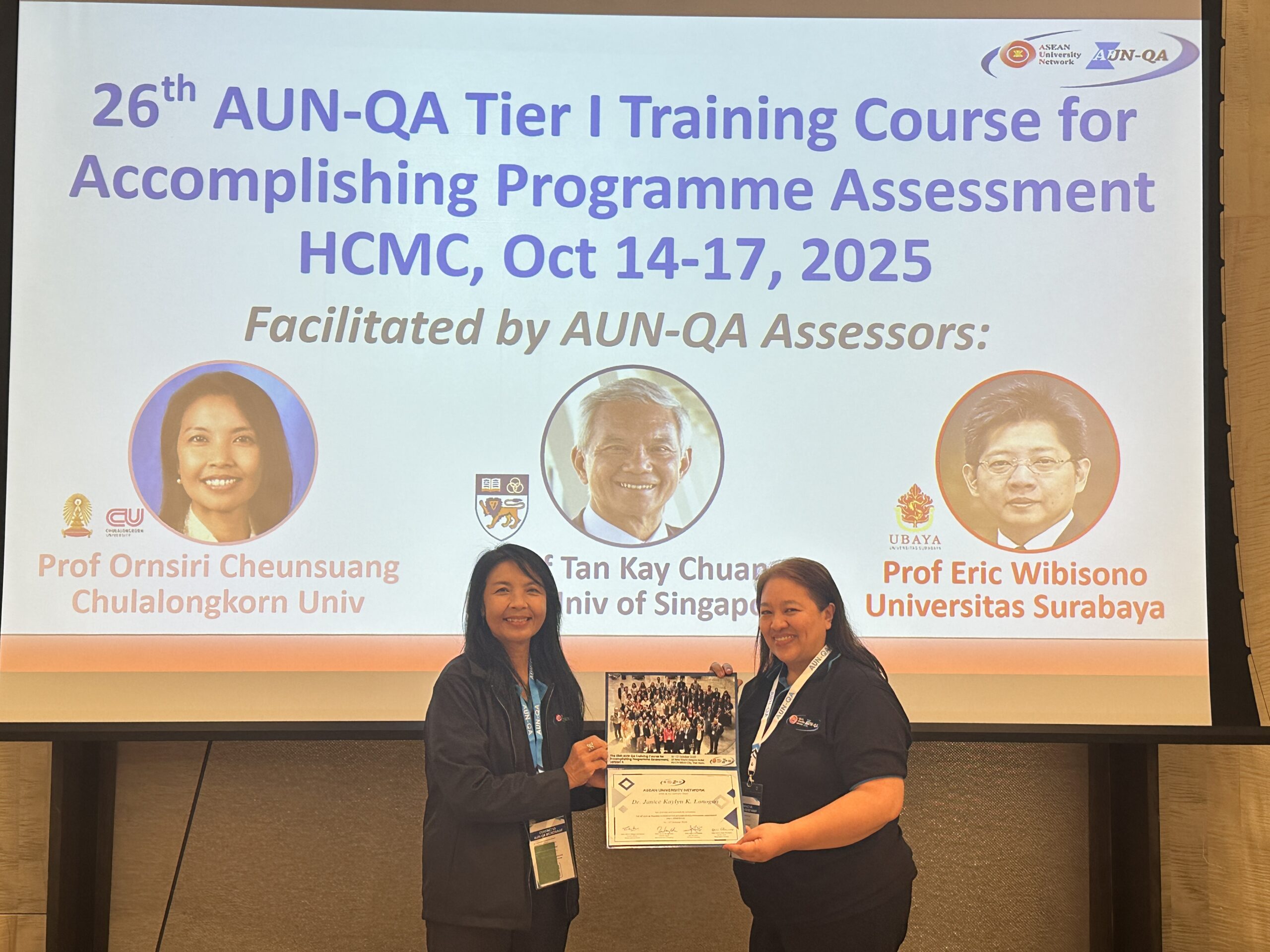
Vice President for Academic Affairs
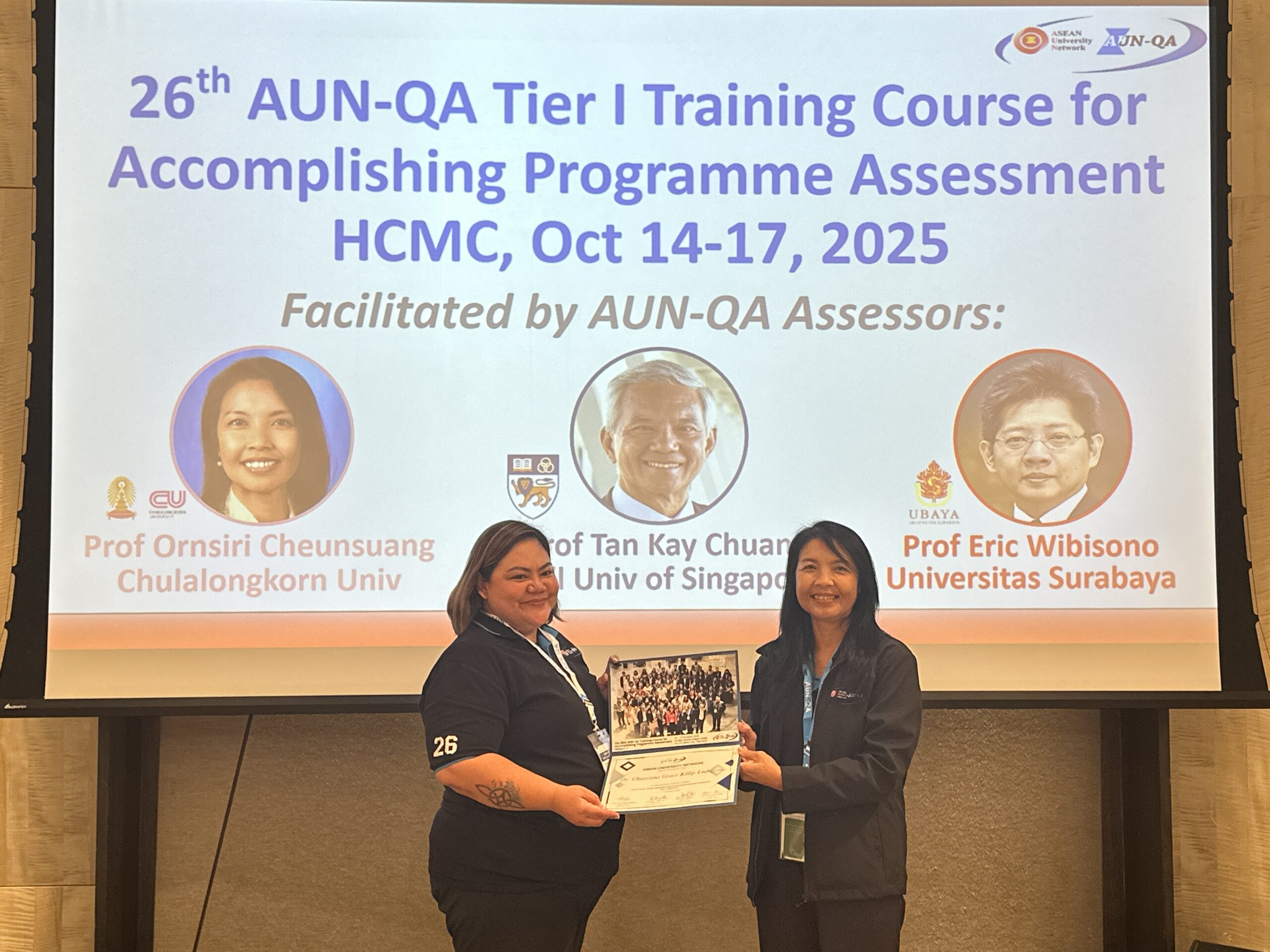
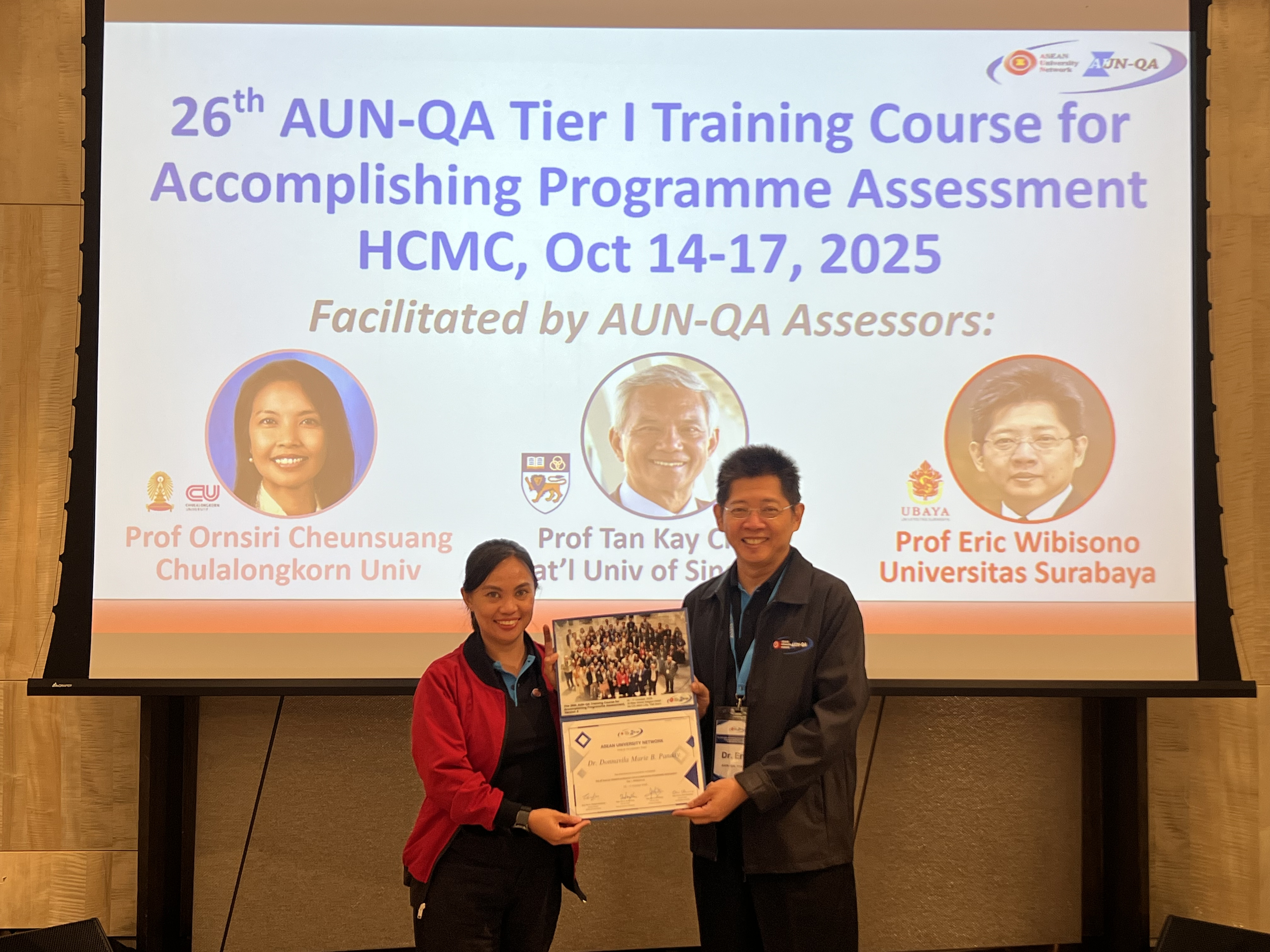
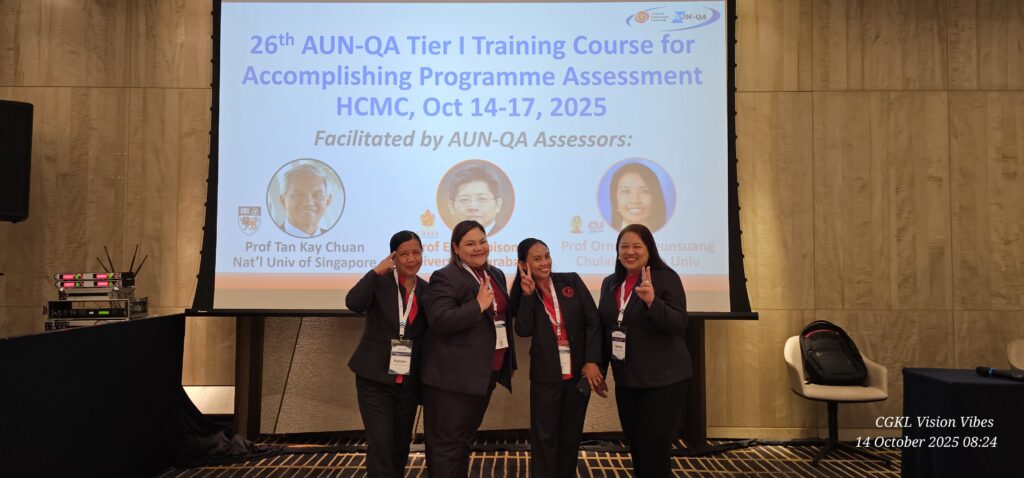
Representing the University were Dr. Janice Kalyn K. Lonogan, Vice President for Academic Affairs; Dr. Charesma Grace K. Lud-ayen, Dean of the School of Criminal Justice and Public Safety (SCJPS); Dr. Kareen B. Leon, Director of the Quality Assurance Office (QAO); and Dr. Donnavila Marie Panday-Herbster, Director of the Research, Innovation, Extension, and Community Outreach (RIECO) Office. The primary objective of the AUN-QA Tier 1 training is to build institutional capacity in implementing regional quality assurance standards anchored on ASEAN higher education frameworks. Specifically, it equips academic leaders and quality assurance practitioners with the competencies to develop robust internal quality assurance systems, prepare for program-level accreditation, and align institutional processes with AUN-QA’s eight criteria—ranging from expected learning outcomes to continuous quality enhancement.
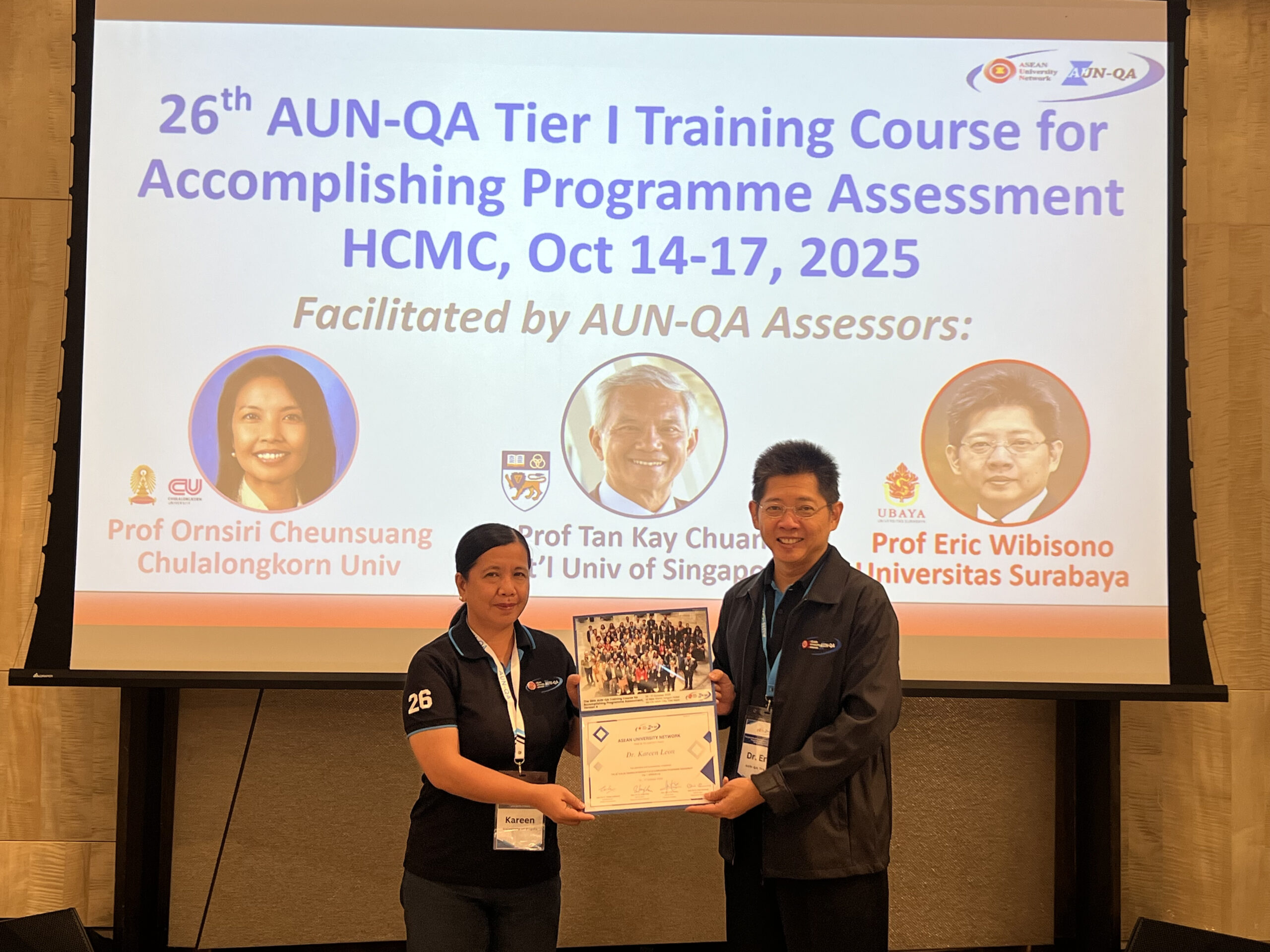
Director of the Quality Assurance Office (QAO)
For the University of Baguio, the training provided a valuable platform to evaluate its existing curriculum design, outcome-based education framework, and quality assurance processes in preparation for its future submission to AUN accreditation by 2027. The University’s participation in the AUN-QA training supports Sustainable Development Goal 4: Quality Education, particularly in promoting inclusive, equitable, and quality learning opportunities and ensuring relevant skills for sustainable development.
Along with SDG 17: Partnership for Goals, the activity fosters collaboration with institutions under the ASEAN University Network (AUN). The training strengthens UB’s partnership with other ASEAN universities, promoting knowledge exchange, best practice sharing, and mutual growth as an institution. This activity encourages multi-stakeholder partnerships to mobilize and share knowledge, expertise, and technology for sustainable development.
By embedding the AUN-QA framework into its internal systems, UB enhances teaching quality, learning outcomes, and institutional governance—key indicators aligned with THE Impact Ranking metrics such as teaching excellence, research impact, and global partnership engagement. This initiative further contributes to UB’s strategic direction toward continuous improvement, transparency, and accountability in higher education delivery.
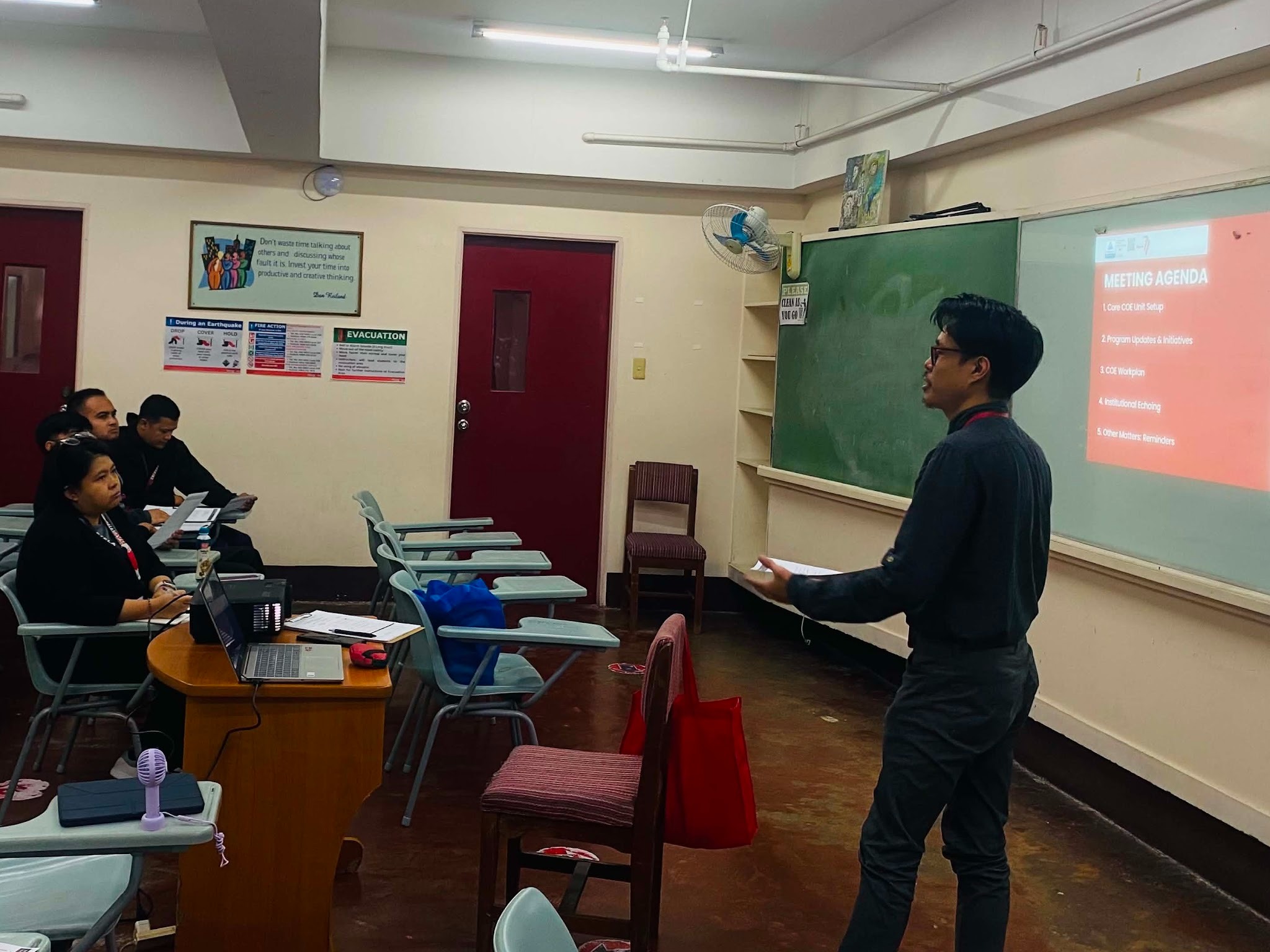
Following the training, the UB delegation convened to translate their learnings into actionable strategies, aligning with AUN-QA’s program-level criteria. Key highlights include:
Criterion 1: Expected Learning Outcomes (ELOs) – The group agreed to revisit all Program Learning Outcomes (PLOs) to ensure alignment with the University’s Vision-Mission-Objectives-Core Values (VMOC) and AUN-QA standards. Dr. Kareen Leoon emphasized the reappointment of the VMOC Committee and proposed the inclusion of PEAC-trained evaluators for future assessments.
Criterion 2: Curriculum Mapping – Each program is tasked to ensure that curriculum maps are complete, coherent, and outcomes-based, demonstrating clear linkages between course outcomes and institutional goals.
The AUN-QA exposure also inspired institutional reforms and initiatives: Development of a Self-Assessment Report (SAR) for all program chairs beginning this academic year; Establishment of timelines for SAR review and verification and final submission; Strengthening of student support systems, instructional resources, and facilities through coordination among VPA, CPDO, HRMC, and MIS; and Integration of feedback loops and evidence-based improvement mechanisms following the Input–Process–Output–Outcome–Impact framework.
The University’s active participation in the AUN-QA network marks a decisive step toward international accreditation readiness and continuous enhancement of academic quality. Beyond compliance, it nurtures a culture of quality, accountability, and collaboration, enabling UB to benchmark against ASEAN’s best practices.
Ultimately, these efforts advance UB’s vision of becoming a globally recognized learning institution producing competent, ethical, and service-oriented professionals—fully aligned with the call for Quality Education and Sustainable Institutional Growth under SDG 4.