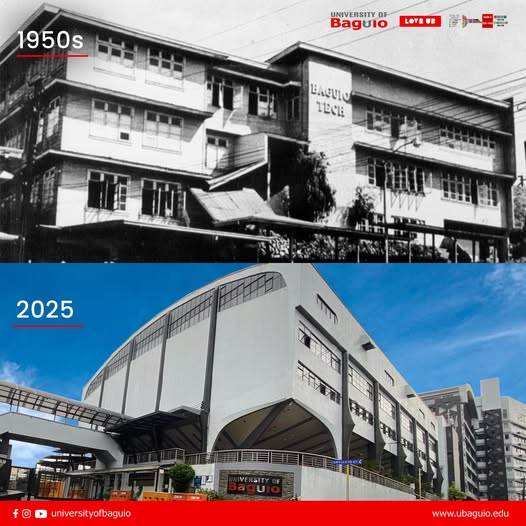

In alignment with Sustainable Development Goal (SDG) 11: Sustainable Cities and Communities, the University of Baguio (UB) continues to embody sustainability and resilience in its infrastructure development. A shining example of this commitment is the construction of the Legacy Building, which officially opened its doors on January 15, 2024. This new academic facility stands as a symbol of UB’s dedication to sustainable urban renewal and the responsible use of previously developed land.
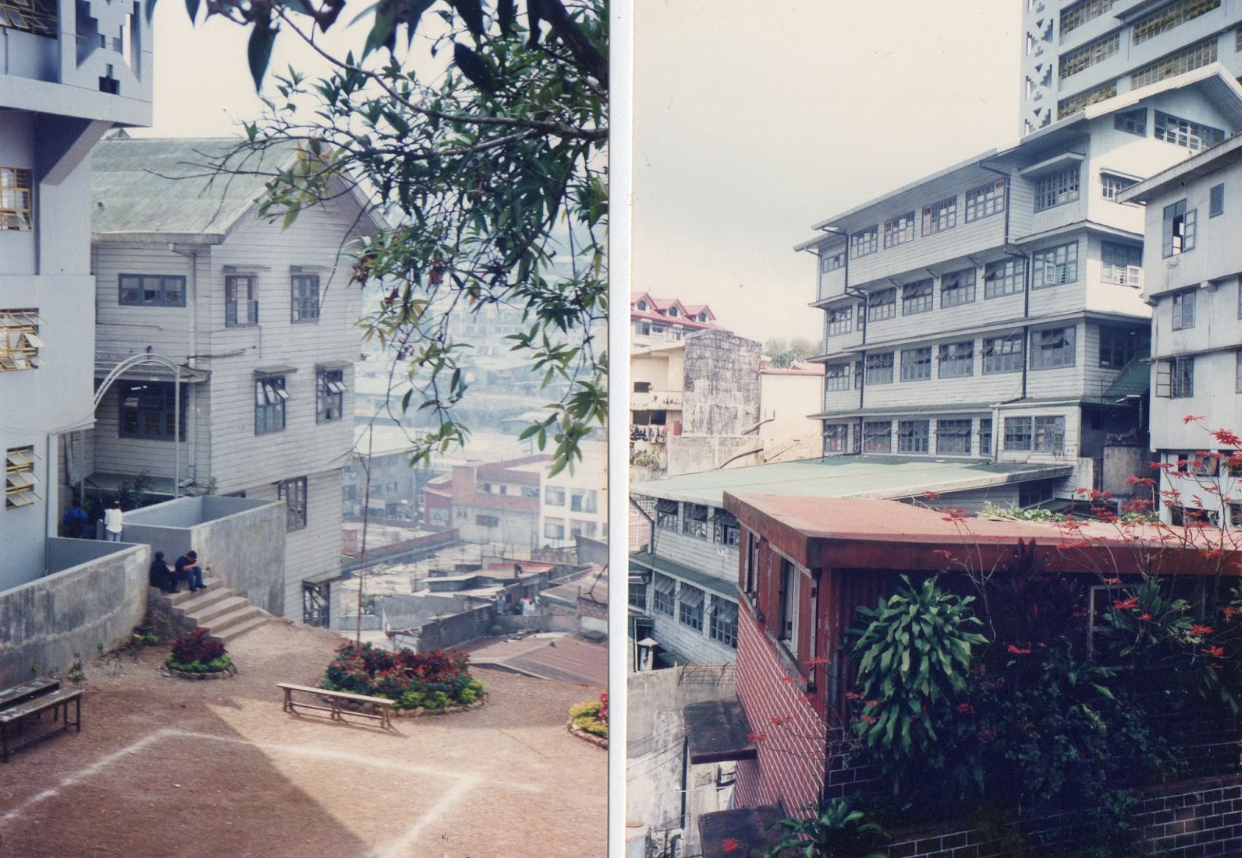
Built on a brownfield site, the Legacy Building now occupies the historic grounds of the former UB Preparatory High School and Dap-ayan Hall, which were tragically destroyed by fire in 2008. Instead of abandoning or relocating the space, the University of Baguio made the conscious decision to redevelop and repurpose the area, transforming it into a vibrant educational hub that continues to serve its community while preserving the site’s institutional heritage.
The Legacy Building now houses modern classrooms, collaborative learning spaces, and the Admissions and Records Center, alongside offices for several allied programs and the Senior High School Department. Designed to promote creativity, innovation, and intellectual development, the facility integrates both functionality and sustainability, making efficient use of urban space while maintaining a connection to the university’s storied past.
This redevelopment initiative not only maximizes land use efficiency but also underscores the University of Baguio’s proactive approach to sustainable campus planning. By rebuilding on a brownfield site, UB reduces environmental impact, avoids unnecessary urban sprawl, and reinforces its role as a responsible steward of Baguio City’s limited and valuable land resources.
Through projects like the Legacy Building, the University of Baguio continues to demonstrate that progress and preservation can coexist—reaffirming its mission to cultivate a future that honors the past while advancing sustainable development.