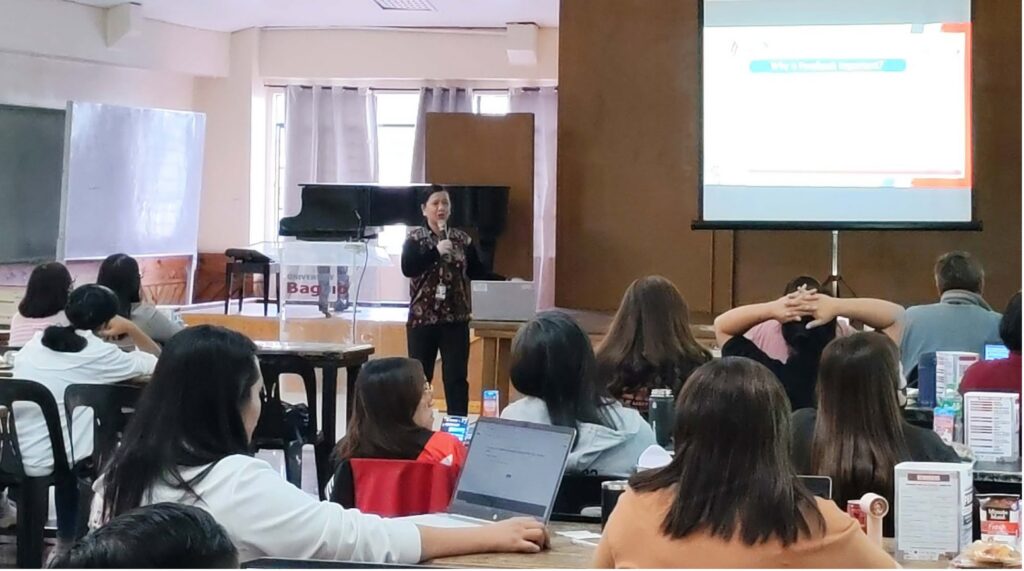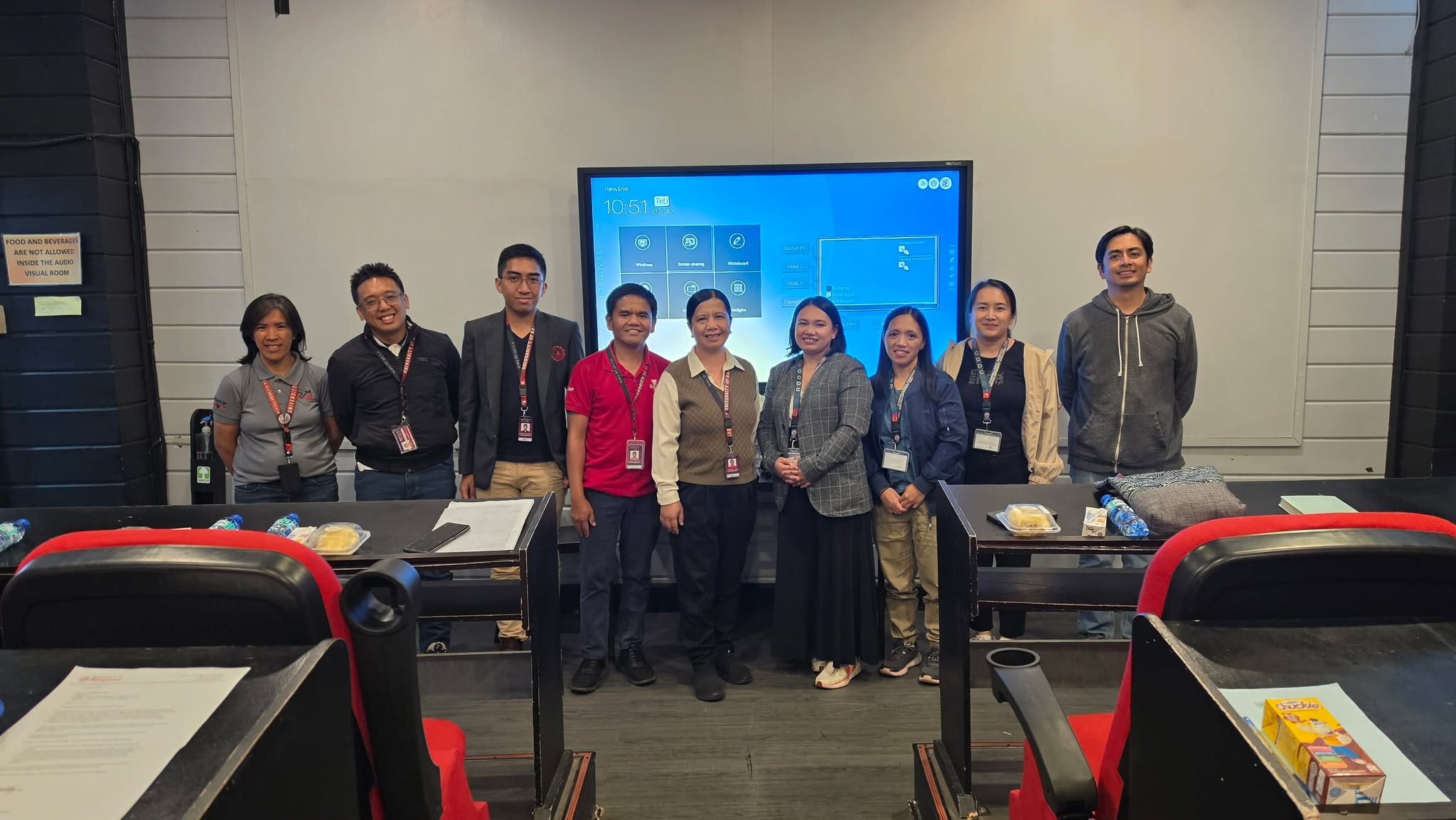

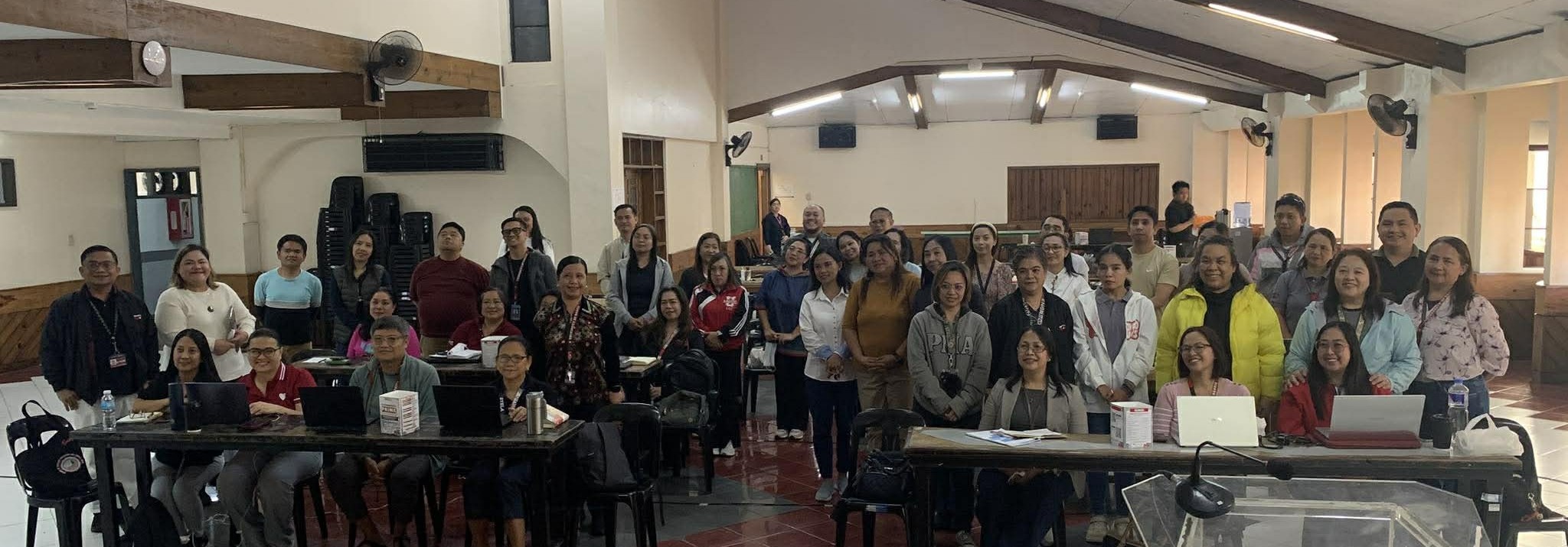
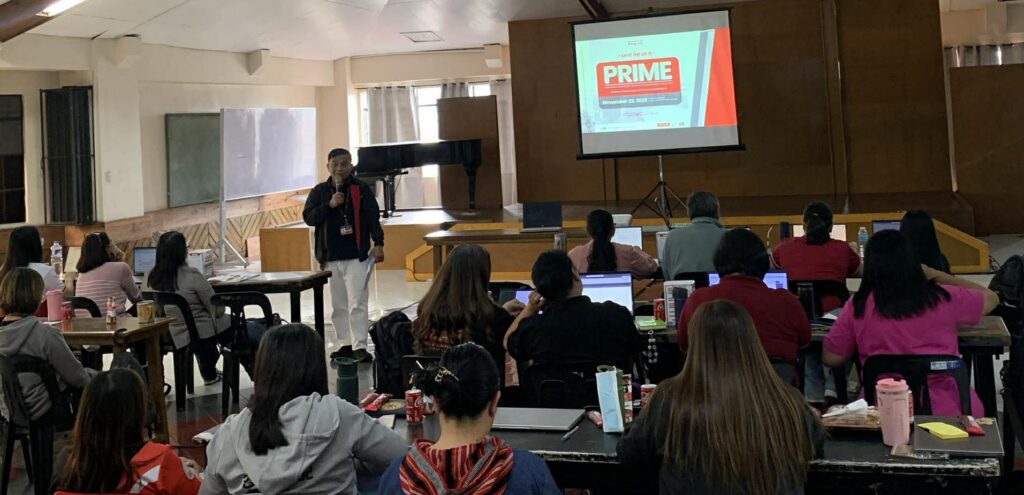
In preparation for its ASEAN University Network Quality Assurance (AUN-QA) application, the University of Baguio, through the Quality Assurance Office, successfully conducted the Professional Reinforcement for Innovation and Mentorship in Education (P.R.I.M.E.) seminar-workshop on November 22, 2025, at the FGB Hall. The full-day session brought together 53 academic leaders, particularly the Deans, Principals, Program Chairs, and Assistant Principals from various schools across the university for collaborative and purposeful engagement on quality assurance and institutional excellence. Designed to deepen participants’ understanding of the AUN-QA criterion and processes, the activity supported UB’s efforts to strengthen its academic standards, promote continuous improvement, and align its programs with global expectations.
The program opened with a welcome message from Dr. Janice Kaylyn Lonogan, Vice President for Academic Affairs, who set the direction for the day’s discussions. She drew a meaningful connection between the ISO processes already being practiced by the university and the AUN-QA framework that UB aims to adopt. Dr. Lonogan highlighted that while ISO provides the necessary structure and stability for institutional systems, AUN-QA guides curriculum development, teaching practices, learning outcomes, and the overall student experience. Together, these frameworks promote an agile, innovative, and internationally aligned academic environment. She encouraged the academic leaders to view AUN-QA not as an additional burden, but as an opportunity for UB to further strengthen its capacity for excellence.
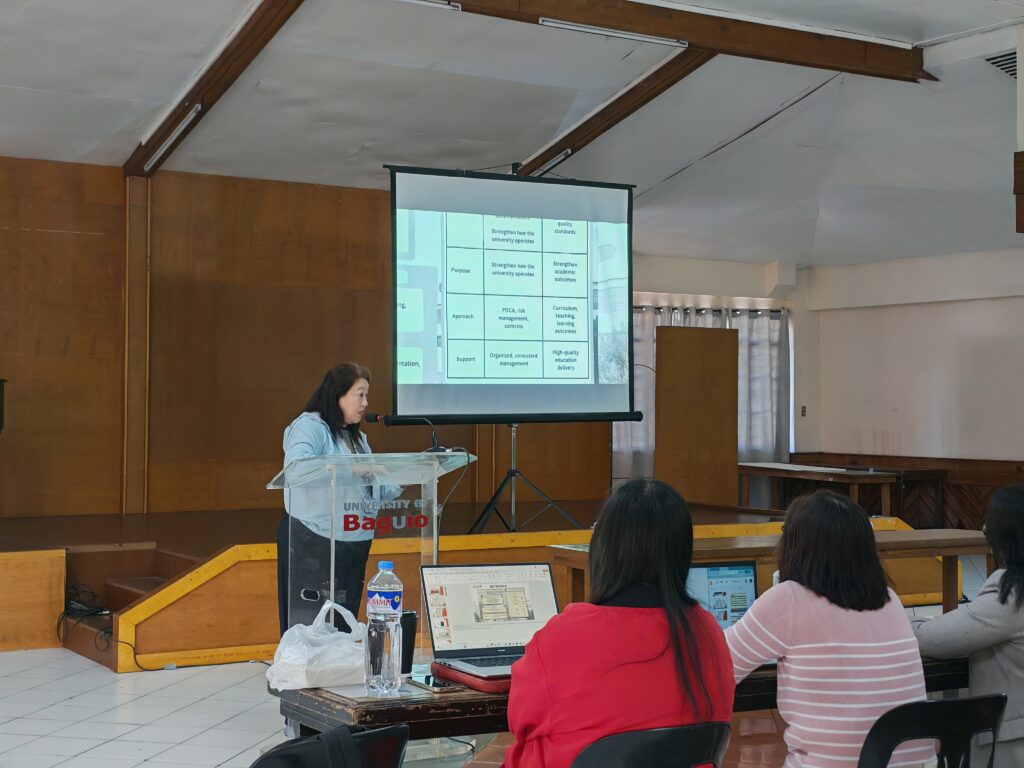
Building on this foundation, Dr. Charesma Lud-ayen, Dean of the School of Criminal Justice and Public Safety, facilitated an in-depth discussion on AUN-QA Criterion 1 to 4, the core elements of institutional quality assurance. She acknowledged the university’s existing quality efforts while emphasizing the need for sustained, evidence-based improvement. Dr. Lud-ayen underscored that UB’s mission extends beyond producing academically competent students to developing responsible individuals capable of contributing meaningfully to society.
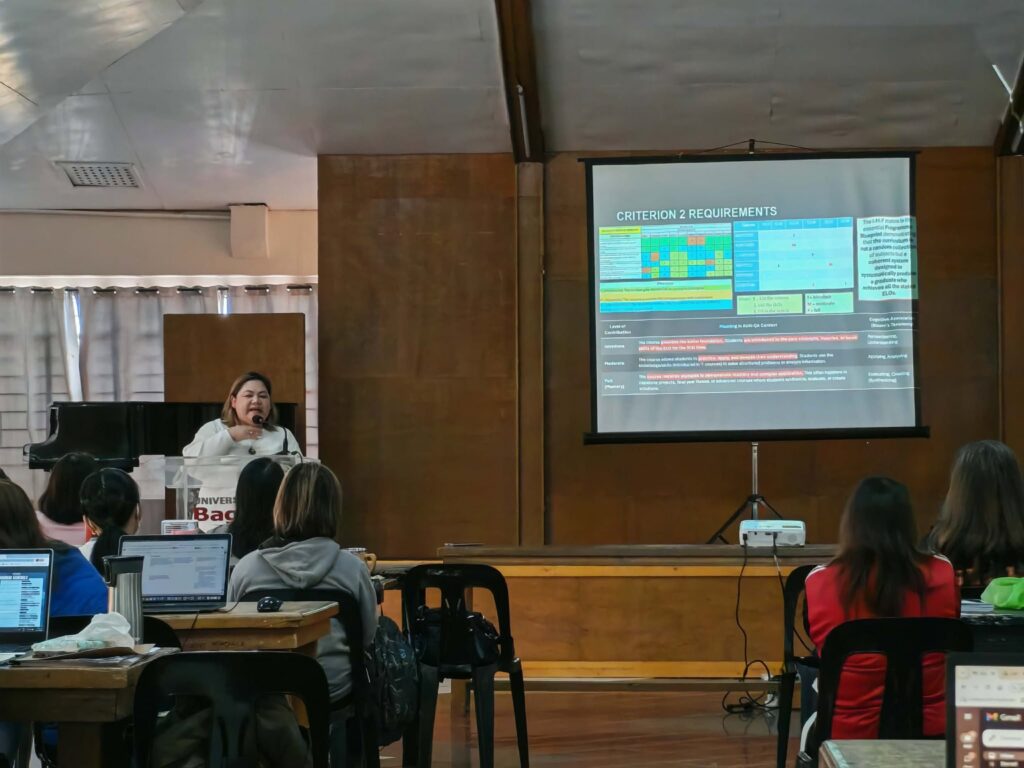
The morning session continued with presentations from each school, showcasing their actual assessment materials and instructional practices. These demonstrations provided a clear picture of existing strengths and gaps, paving the way for constructive and forward-looking dialogue. Dr. Antonio D. Mangaliag, Dean of the School of Teacher Education and Liberal Arts, and Dr. Julius T. Gat-eb, School Principal of UB Laboratory Elementary School, offered comprehensive feedback that will serve as baseline data for schools as they refine their instructional materials and establish unified institutional standards.
In the afternoon session, Dr. Donnavila Marie Panday-Herbster presented AUN-QA Criterion 5 to 7, emphasizing the importance of academic staffing, student support services, and physical facilities in sustaining quality education. She reminded participants that as Deans, Principals, Assistant Principals, Program Chairs, and Coordinators, they serve as custodians of academic quality.
Dr. Panday explained that AUN-QA is not merely a compliance requirement but a transformative framework that challenges universities to rethink how they support their faculty, strengthen student welfare, and maintain conducive learning environments. Her insights on strategic manpower planning, professional development, and evidence-driven improvement guided participants in identifying both the strengths of their respective units and areas requiring further enhancement.
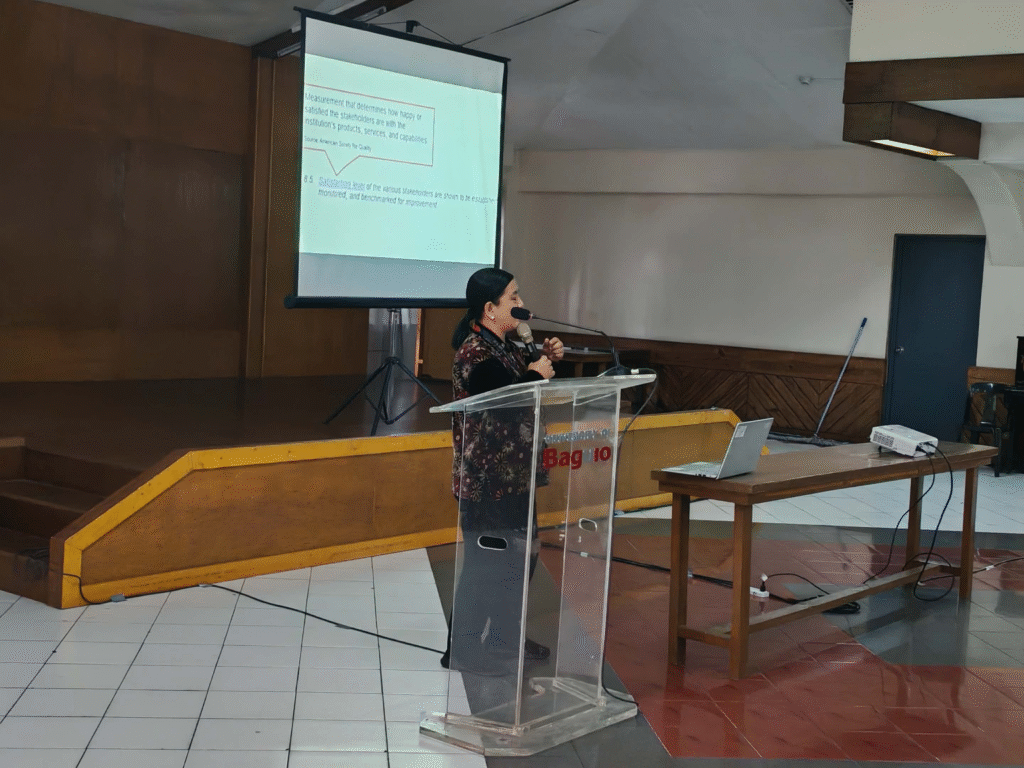
On Criterion 8, Dr. Kareen B. Leon, Director of Quality Assurance Office, highlighted the five (5) requirements of the said criterion. Dr. Leon also discussed the role of Plan, Do, Act, Check, and Act (PDCA) framework. Furthermore, she reiterated that the feedback mechanism is highly relevant in the University. Aside from measuring how satisfied the employers are, feedback makes better academic and business decisions.
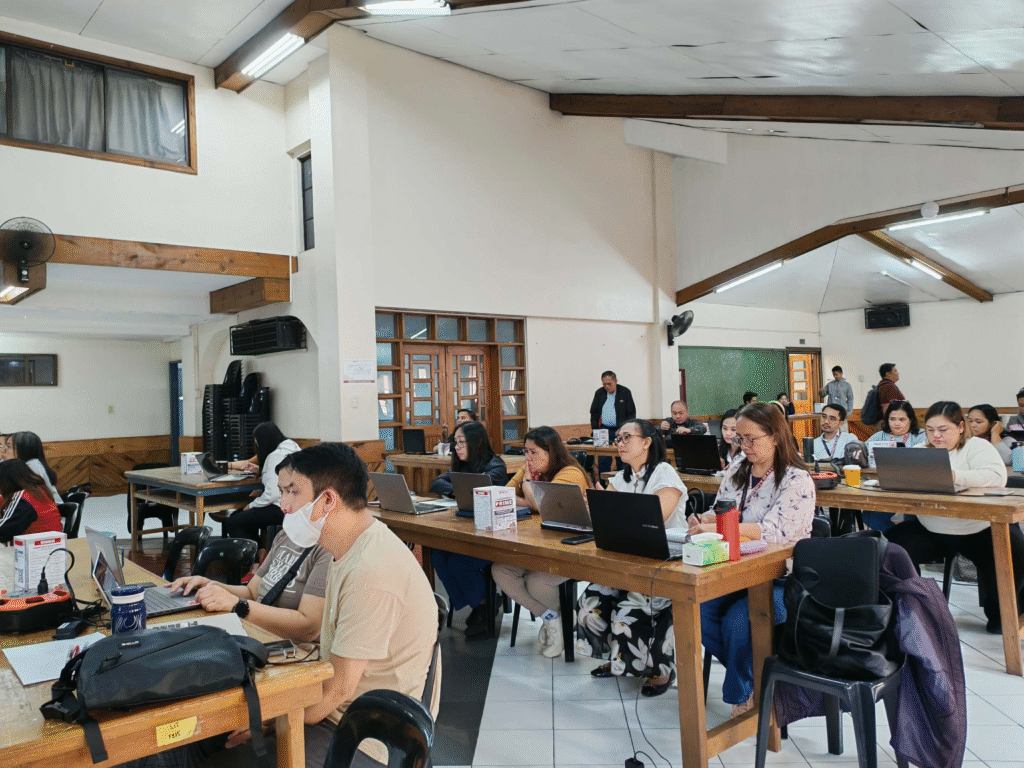
In general, the P.R.I.M.E. seminar-workshop reflects the University of Baguio’s unwavering commitment to academic quality, collaborative leadership, and international alignment. By fostering institutional dialogue and strengthening collective understanding of quality assurance practices, UB actively advances SDG 4 (Quality Education) and SDG 8 (Decent Work and Economic Growth) by preparing graduates for professional excellence, and promotes SDG 17 (Partnerships for the Goals) by reinforcing inter-unit collaboration across the university.
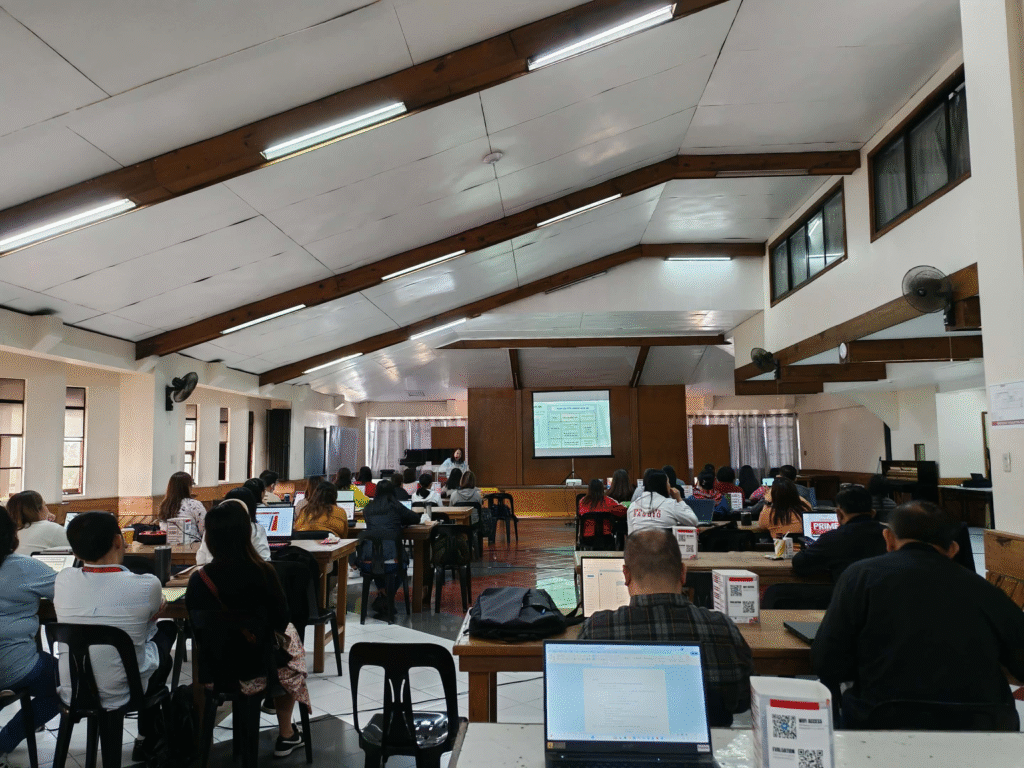
As UB continues integrating ISO and AUN-QA frameworks, one message remains clear: educational excellence is not a fixed achievement but an ongoing journey, anchored in innovation, reflection, and shared responsibility. Through efforts such as P.R.I.M.E., the university contributes to building a more sustainable, inclusive, and future-ready academic community for all.