
Written by Janssel O. Bomay-et & Shaira R. Plandez (SBAA interns, QAO)
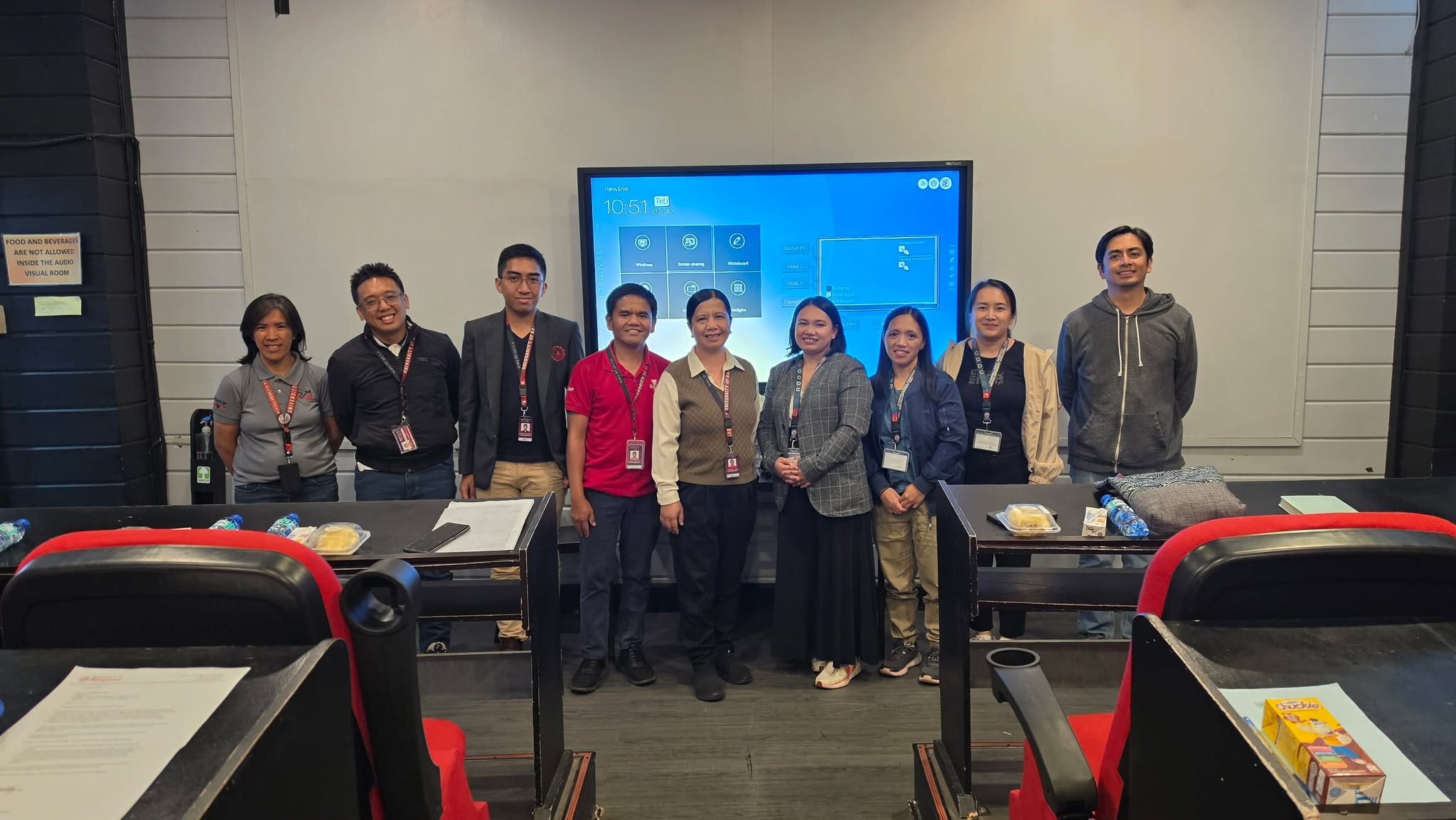
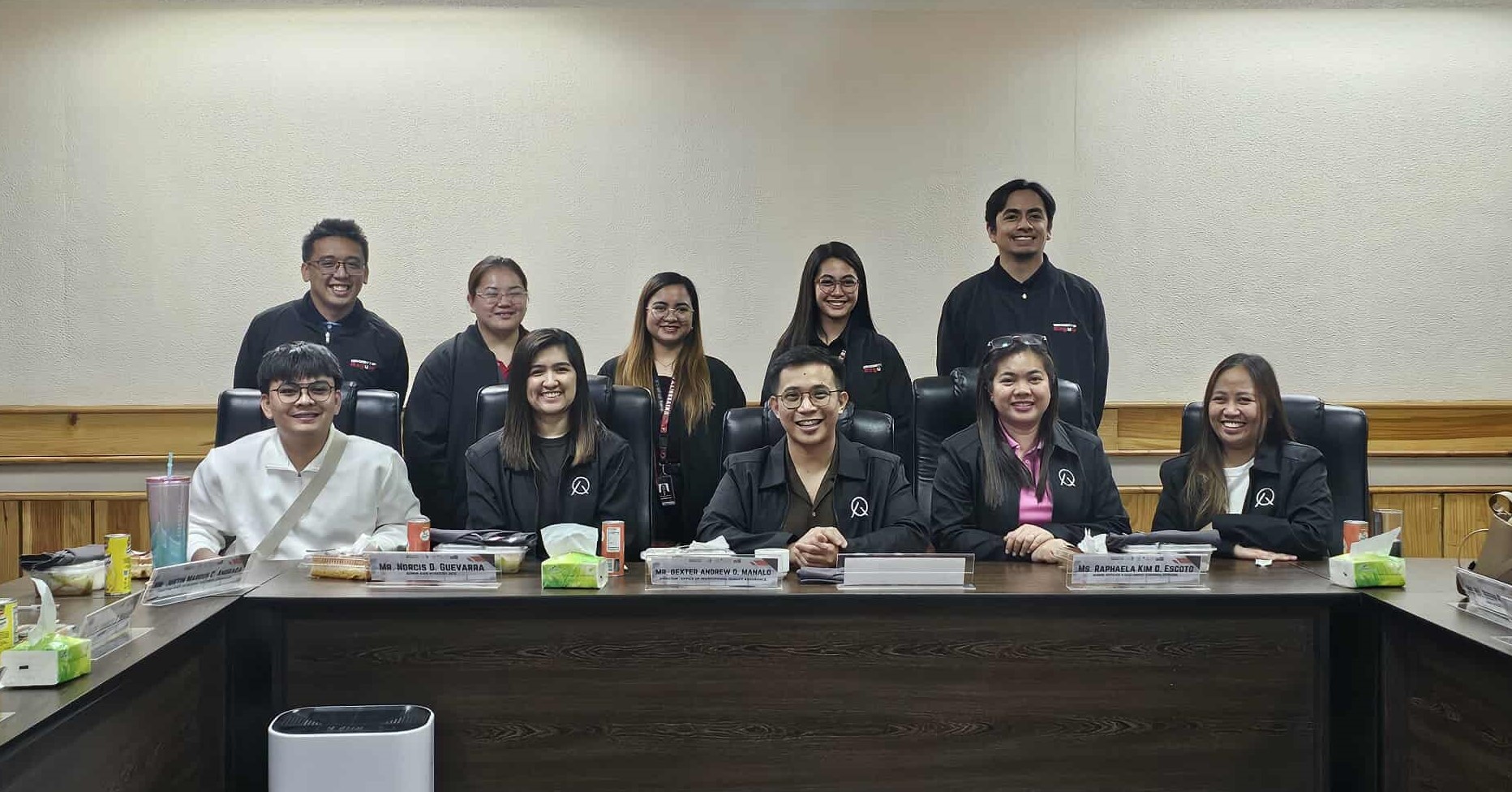
On October 24, 2025, the University of Baguio (UB) hosted guests from Pampanga State Agricultural University (PSAU) Office of Institutional Quality Assurance for a benchmarking visit held at the UB Management Conference Room (MCR). The activity was organized for PSAU with the goal of gaining valuable insights into UB’s experience in gaining ISO 21001:2018 certification.
The benchmarking engagement provided PSAU with the opportunity to learn from UB’s approaches and strategies that have positioned the institution as ISO 21001:2018 certified. Discussions centered on UB’s quality assurance documentation, systems, and continuous improvement processes, which have contributed to its strong reputation for educational management and institutional effectiveness.
Through this collaborative exchange, both universities strengthened their mutual commitment to fostering excellence, innovation, and accountability in higher education. The visit also promoted the spirit of cooperation and knowledge-sharing between the two institutions as they work toward enhancing their respective quality assurance systems.
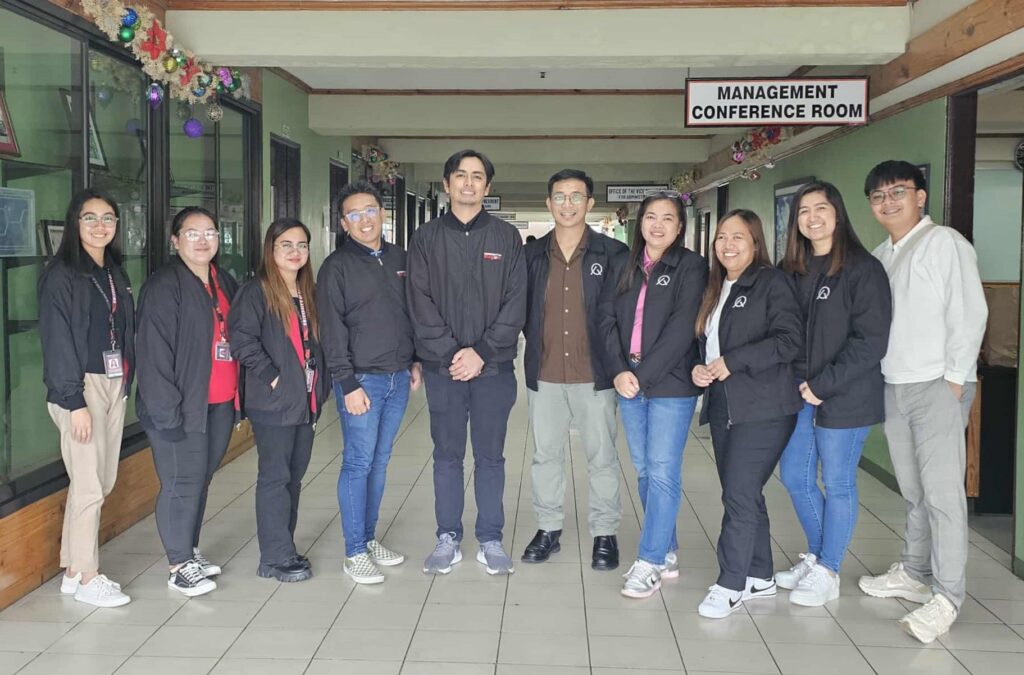
The University of Baguio (UB) warmly welcomed delegates from Pampanga State Agricultural University (PSAU) for a benchmarking visit held on October 24, 2025, at the UB Management Conference Room (MCR). The visit was organized for PSAU’s Office of Institutional Quality Assurance and focused on them learning from UB’s practices in Quality Assurance (QA), particularly the ISO 21001:2018 Education Organization Management System (EOMS) certification and implementation.
The benchmarking activity aimed to foster mutual learning and strengthen PSAU’s institutional systems through insights drawn from UB’s approaches to educational management, documentation, and continuous improvement processes. It also served as a platform for both institutions to exchange knowledge and explore strategies for advancing quality assurance mechanisms in higher education.

Facilitated by UB’s Quality Assurance Office (QAO), the session brought together representatives from both universities, highlighting their shared commitment to excellence, innovation, and accountability. The discussions centered on UB’s journey toward achieving international standards in education, emphasizing its institutional culture of evidence-based practices and quality-driven leadership. The UB representatives from QAO are Mr. Kristian S. Corpuz, Mr. Justin Marcus C. Andrada, Ms. Kate Jamaica B. Nanao, Ms. Nahdia O. Wallang, and Ms. Katrine P. Dumling. From PSAU are Mr. Norcis D. Guevarra (Admin Aide VI/Assist. DCO), Ms. Raphaela Kim O. Escoto (Admin Officer II/Document Control Officer), Ms. Ma. Reena Rose P. Tayag (Admin Officer IV/Assist. QMR), Ms. Glenda Marie T. Maniago (Admin Officer V/Quality Management Representative), and Mr. Dexter Andrew O. Manalo (Director, Office of Institutional Quality Assurance).
Through the exchange, PSAU participants gained a deeper understanding of UB’s frameworks for quality assurance and operational efficiency. The benchmarking engagement also underscored UB’s role as a leading institution in higher education quality management, serving as a model that inspires continuous institutional growth among partner universities.
Securing a sustainable future through excellent education
This collaborative initiative promoted a shared vision of fostering innovation, inclusivity, and excellence in education. It reflected both institutions’ dedication to continuous improvement and their commitment to providing transformative learning experiences through quality-driven policies and systems.
This activity aligns with the United Nations Sustainable Development Goals (SDGs), particularly SDG 4: Quality Education, SDG 8: Decent Work and Economic Growth, and SDG 17: Partnerships for the Goals. By focusing on the enhancement of quality assurance frameworks and academic management systems, the benchmarking directly supports SDG 4 through the promotion of high-quality, equitable, and effective education standards. It also contributes to SDG 8 by ensuring that education systems produce competent graduates and professionals who are prepared for meaningful and productive employment. Furthermore, the collaborative nature of the visit exemplifies SDG 17, as it fosters institutional partnerships that strengthen knowledge-sharing, capacity-building, and sustainable academic development.