
Written by Krystianne Labay | Photos by Oliver Celi
The 4th International Research Colloquium, organized by the Research Innovation, Extension, and Community Outreach (RIECO) of the University of Baguio, stood as a testament to the power of academic collaboration in advancing the Sustainable Development Goals (SDGs) 4: Quality Education by creating an inclusive platform for research dissemination, interdisciplinary dialogue, and academic mentorship. Faculty members, researchers, and students benefit from exposure to global insights and best practices, enriching their educational experience and strengthening institutional research cultures. It also addressed SDG 17: Partnerships for the Goals, showcasing how higher education institutions can serve as catalysts for international cooperation. By pooling knowledge, resources, and innovation, the partner universities amplify their collective capacity to address regional and global challenges.
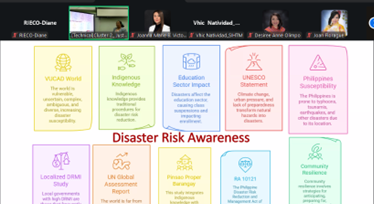
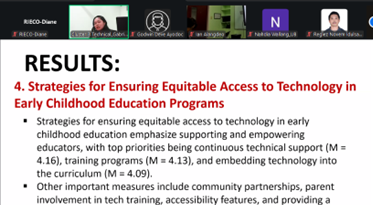
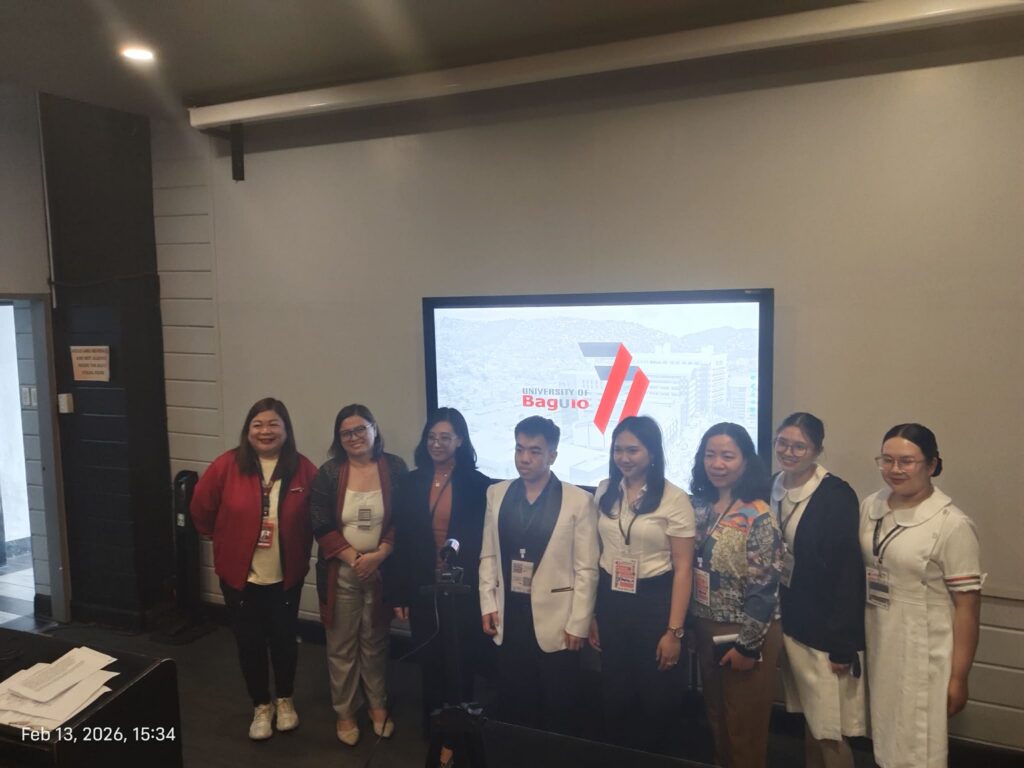
An attendance of 176 participants, from both online and on-site, management, students, and staff came together to witness and learn from the colloquium. The colloquium highlighted how strong university partnerships can create meaningful and lasting global impact.
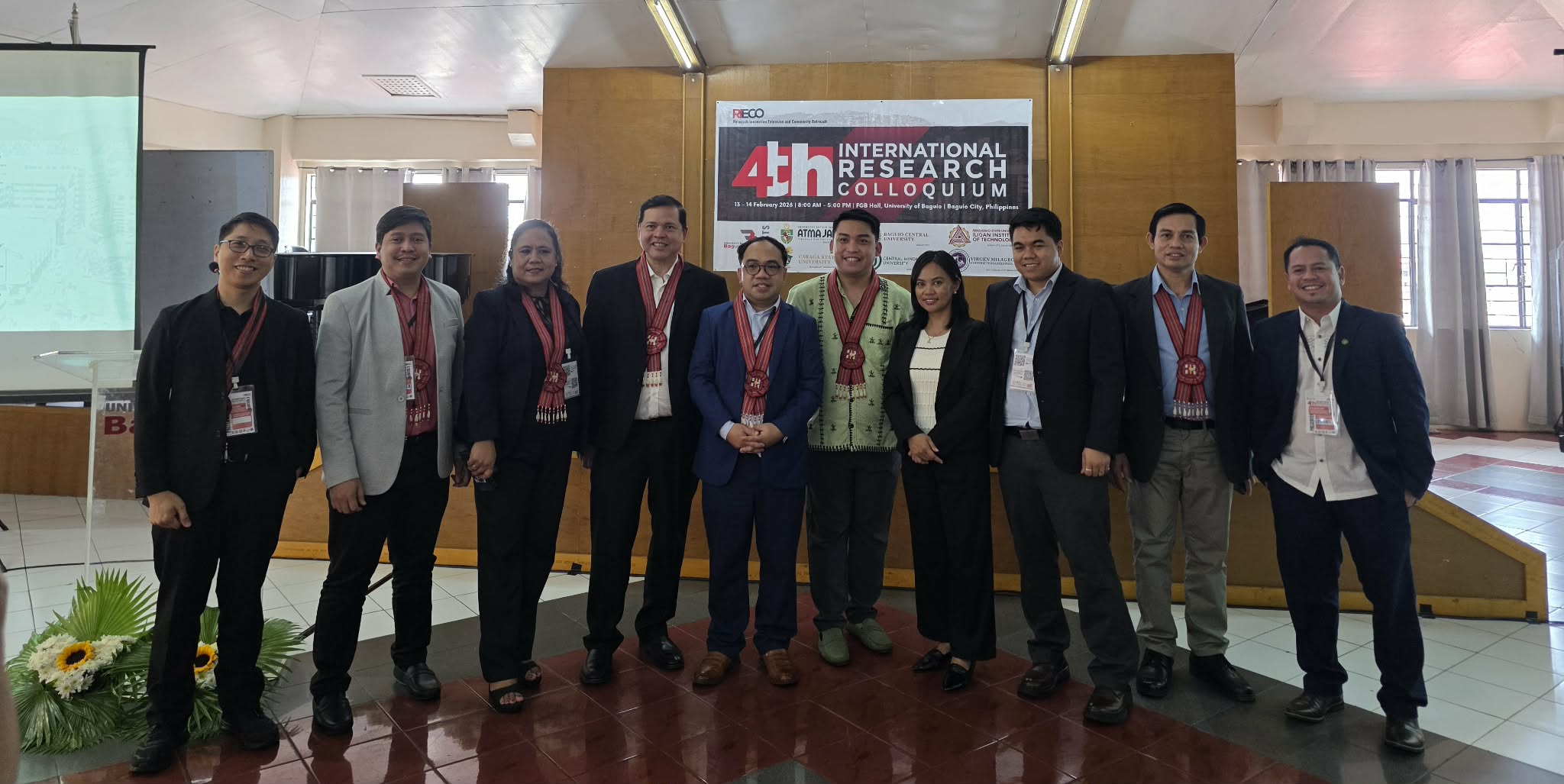
At the heart of this annual international event is the collective commitment of its co-hosting institutions, namely, Atma Jaya Catholic University of Indonesia, Caraga State University, Mindanao State University – Iligan Institute of Technology, Baguio Central University, Virgen Milagrosa University Foundation, Inc., and Central Mindanao University. These institutions brought together diverse academic strengths, research expertise, and cultural perspectives, demonstrating that sustainable development thrives when universities move beyond competition and work collaboratively.
The keynote speakers who brought diverse global perspectives to the colloquium were Dr. Jonathan Rante Carreon from Huachiew Chalermprakiet University of Thailand. He contributed expertise shaped by Thailand’s dynamic research landscape. Another, Dr. Diana Elizabeth Waturangi of Atma Jaya Catholic University of Indonesia, who offered valuable insights from Indonesia’s academic and scientific community. Lastly, Felix Endrejat of the Social Innovation Lab Freiburg of Germany, who brought a European perspective on social innovation and community-driven development. Their participation elevated the colloquium into a truly global platform for dialogue, collaboration, and knowledge exchange.
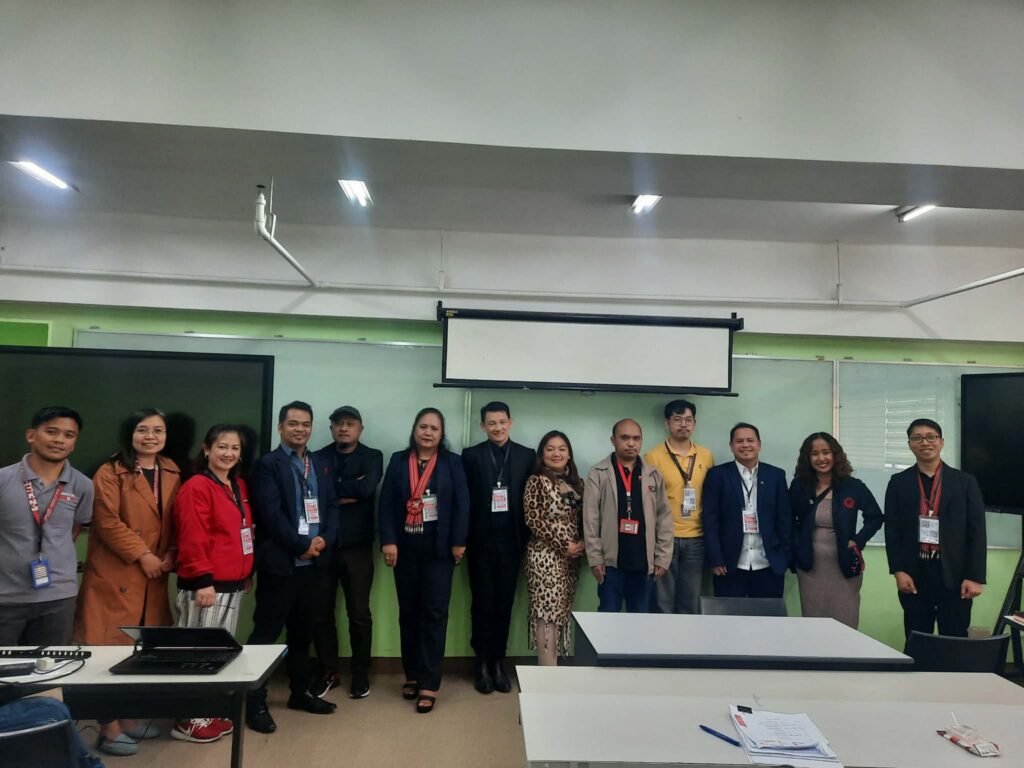
The co-hosts also shared their practices toward the attainment of SDGs. They emphasized that successful SDG implementation requires strong cooperation and collaboration with other universities, active partnerships with government agencies and private companies, strengthening community engagement, alumni engagement, and student engagement. They also stressed the importance of monitoring and evaluating progress through measurable indicators. Furthermore, achieving priority SDGs requires strong leadership, consistent encouragement, and active participation from all faculties to ensure these goals become realistic, attainable, and sustainable outcomes.
Towards the end of the activity was a commitment of these six host and co-host institutions to working together towards the attainment of the SDGs through research projects and relevant endeavors. Through strengthened institutional alliances, these universities exemplify how higher education can lead to transformative change toward a more equitable and sustainable future.