
Written by Hosea Palmero
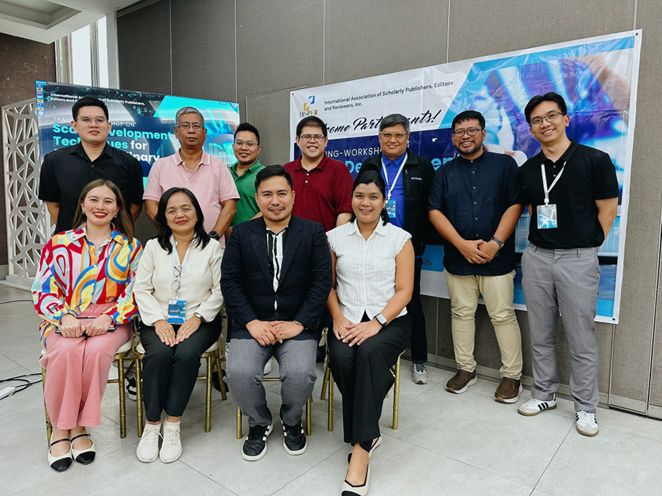
A two-day training workshop on Scale Development Techniques for Multidisciplinary Applications was conducted on June 13–14, 2025. It aimed to enhance participants’ understanding of developing research tools and promote skills development in research methodology. Dr. John V. Murcia, Director of the Research and Development Planning Office (RDPO) and Head of Institutional Accreditations at Jose Maria College Foundation, Inc., served as the resource speaker for the session. Through Mr. Miguel Xerxes Villacrusis and Mr. Hosea Kim Palmero, the University of Baguio participated actively in this training.
The first day focused on critical components of effective scale development, which to advancing quality research. It covered the fundamental process of creating research tools and emphasized the importance of pilot testing to ensure that these tools are both reliable and valid. Qualitative data collection methods like interviews and focus group discussions were explored, followed by techniques for designing culturally relevant questions. Participants were introduced to the process of transforming these qualitative insights into measurable research items. Tools like Lawshe’s Content Validity Ratio (CVR) and the Item-Content Validity Index (I-CVI) were discussed as essential methods for ensuring the validity of the instruments. In the afternoon, Dr. Murcia led a hands-on session on Exploratory Factor Analysis (EFA) using JAMOVI, providing participants with the opportunity to apply their learning through practical exercises.
The second day introduced Confirmatory Factor Analysis (CFA), a method crucial for validating the structure of research tools such as sample size, data distribution, and measures of independence, providing participants with a foundation to conduct reliable statistical analyses. The day concluded with a workshop where participants applied both EFA and CFA techniques to datasets, reinforcing the importance of hands-on learning and practical application in research.
As a follow-up to this initiative, the participants of UB will echo what they learned through a training workshop, underscoring UB’s ongoing commitment to capacity-building and professional development in the field of research. This supports the Sustainable Development Goal (SDG) 4: Quality Education, which strives for inclusive, equitable, and quality education, along with promoting lifelong learning opportunities for all. By equipping professionals with the necessary tools and techniques, the University fosters a culture of continuous learning and innovation, contributing to sustainable development and the advancement of knowledge across disciplines.