
Written by Jenelyn Mangangey-Magpatoc
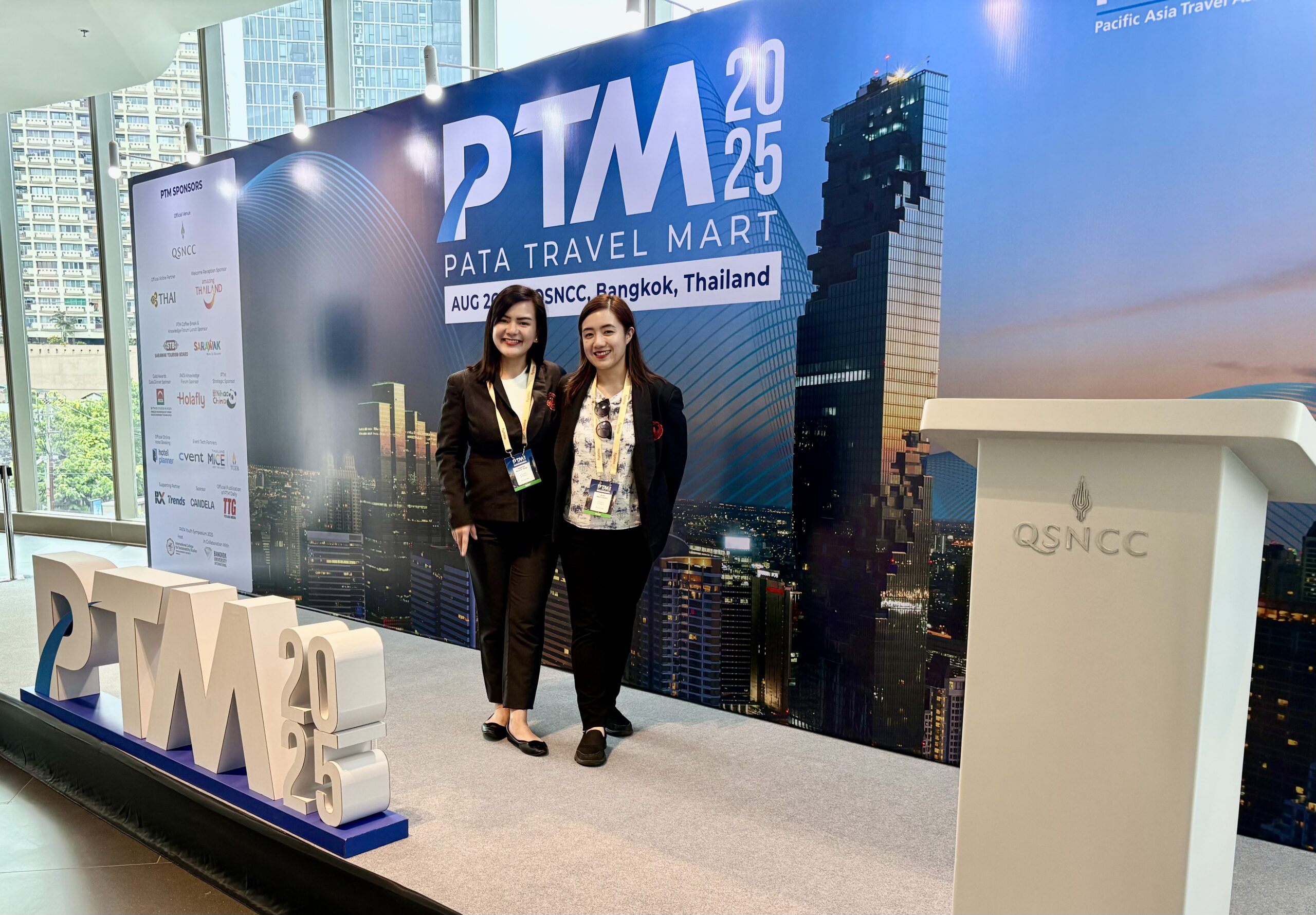
As part of its continuous commitment to academic excellence, internationalization, and sustainable development, the University of Baguio School of International Hospitality and Tourism Management (UB SIHTM) proudly took part in the prestigious Pacific Asia Travel Association (PATA) Travel Mart, where two of its faculty members attended the highly anticipated Knowledge Forum. This opportunity was made possible through an invitation extended by PATA to its member institutions, reinforcing the association’s mission to foster innovation and industry-academe collaboration in the Asia-Pacific tourism sector.
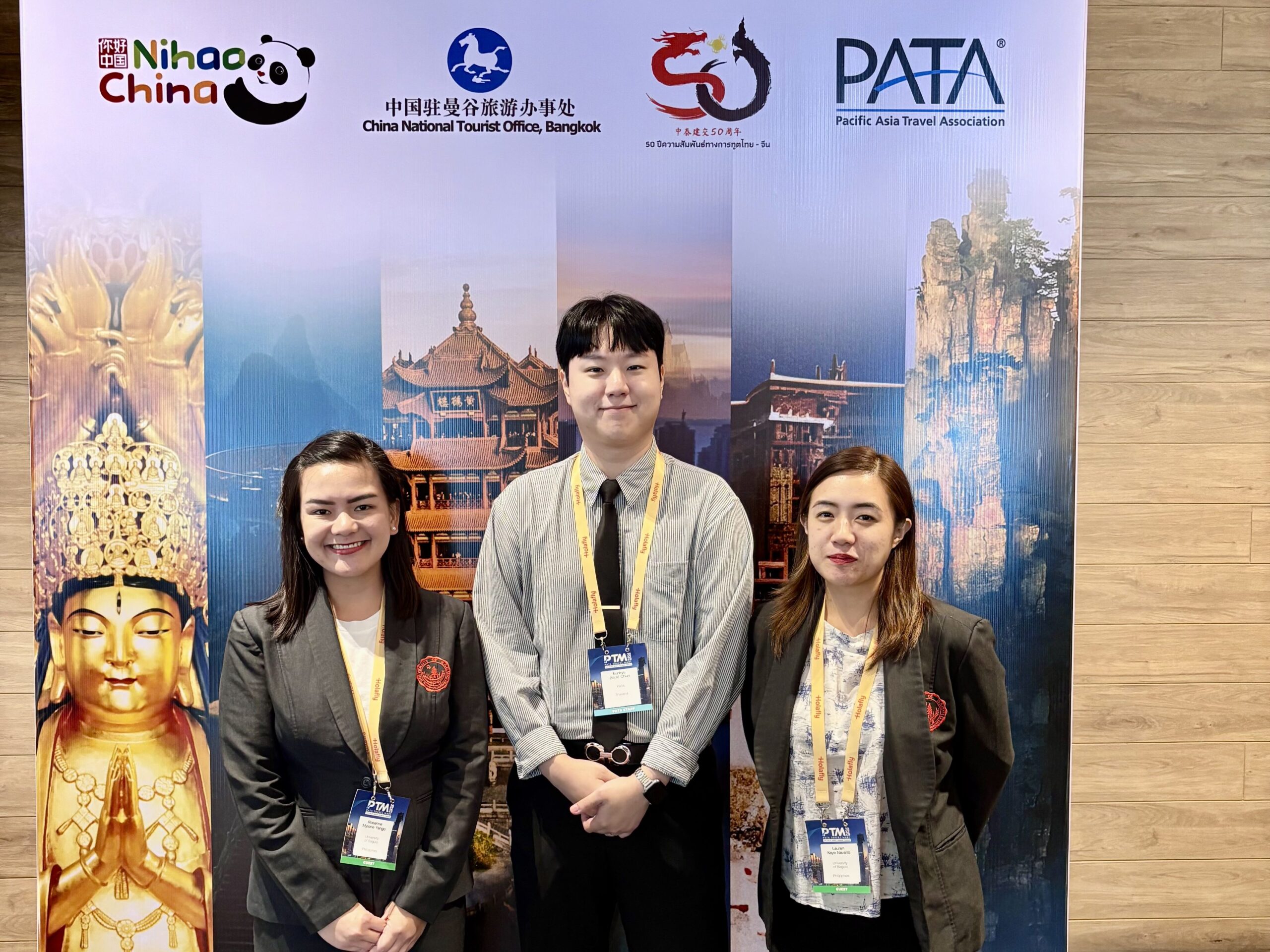
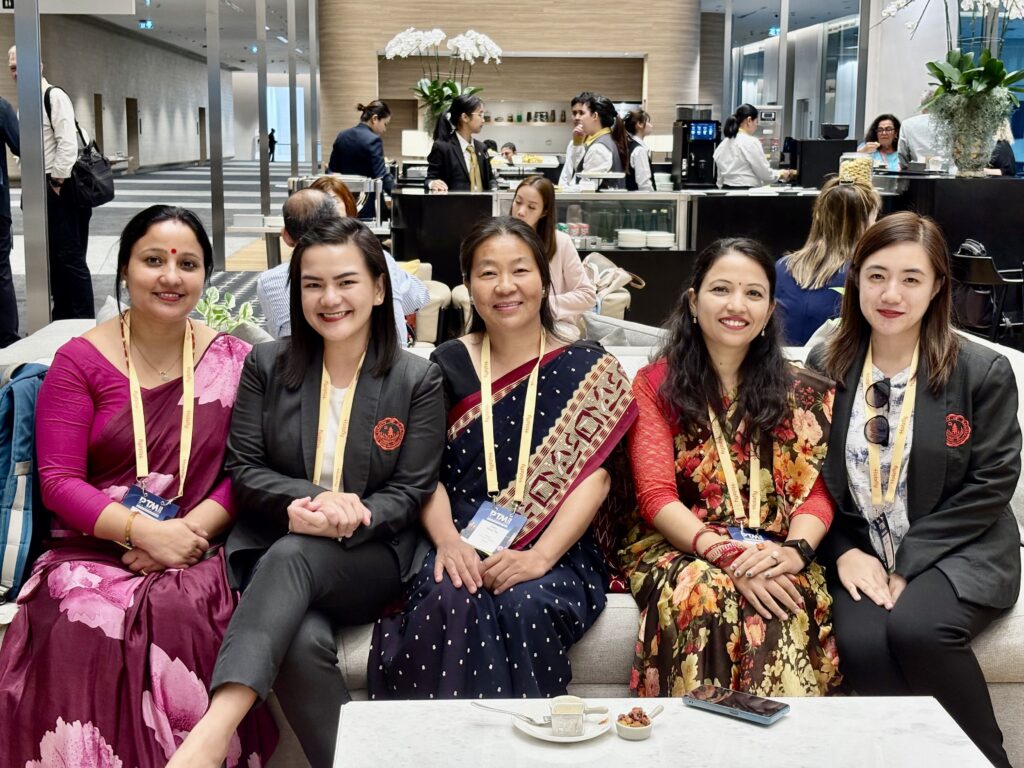
Representing the University of Baguio were Ms. Roeanne Mylene K. Yango and Ms. Lauren D. Navarro, both faculty members specializing in tourism education. Their attendance at the Knowledge Forum was not only a professional milestone but also a strategic step under the UBSIHTM’s Program – TEACH ME (Training Educators through Advancement, Collaboration, and Hands-on Learning through Mentorship and Engagement) —an initiative designed to ensure that educators are continually exposed to global trends, emerging best practices, and real-world applications of the concepts they teach. This initiative aligns further with the University’s broader internationalization agenda, which aims to prepare both faculty and students to thrive in an interconnected and rapidly evolving global tourism environment.
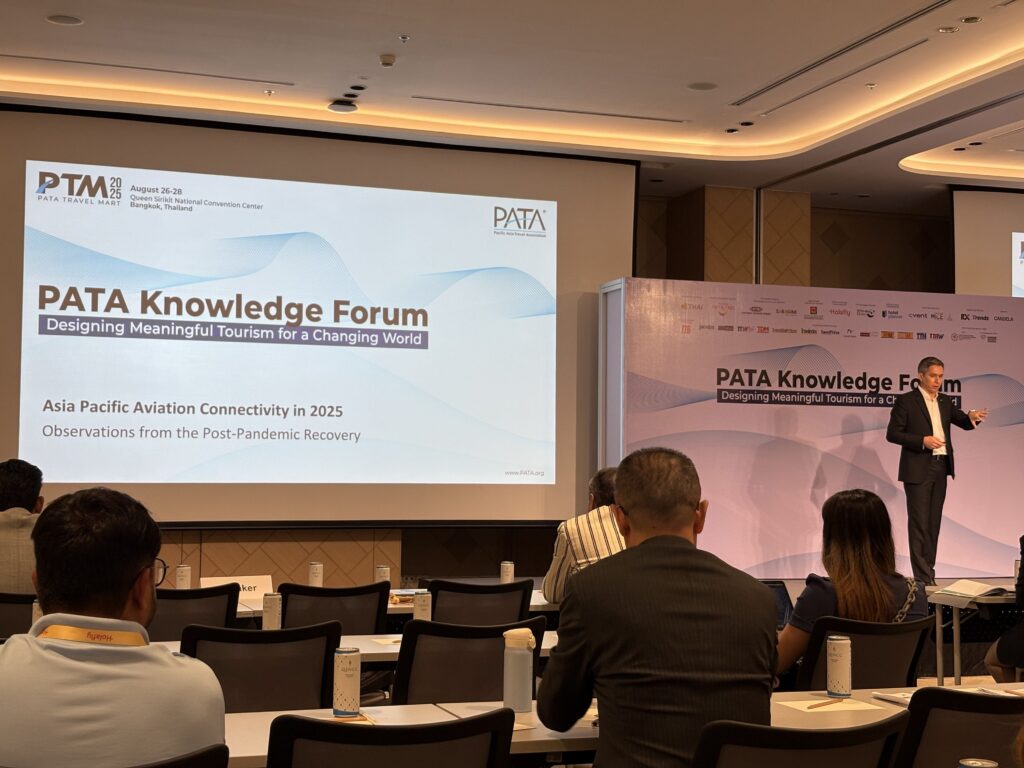
The Knowledge Forum provided a rich and thought-provoking platform for academic and industry stakeholders to share insights on the current and future directions of the tourism and hospitality sectors. Key discussions centered on global travel trends, digital transformation, sustainability, regenerative tourism, and crisis management—topics that have become critical in the post-pandemic era of travel and hospitality. Ms. Yango and Ms. Navarro gained valuable insights into how global tourism is adapting to new consumer behaviors, technological innovations like AI, and heightened awareness of responsible travel. They noted how the forum underscored the role of educators in shaping future tourism professionals who are not only industry-ready but are also grounded in ethics, sustainability, and innovation.
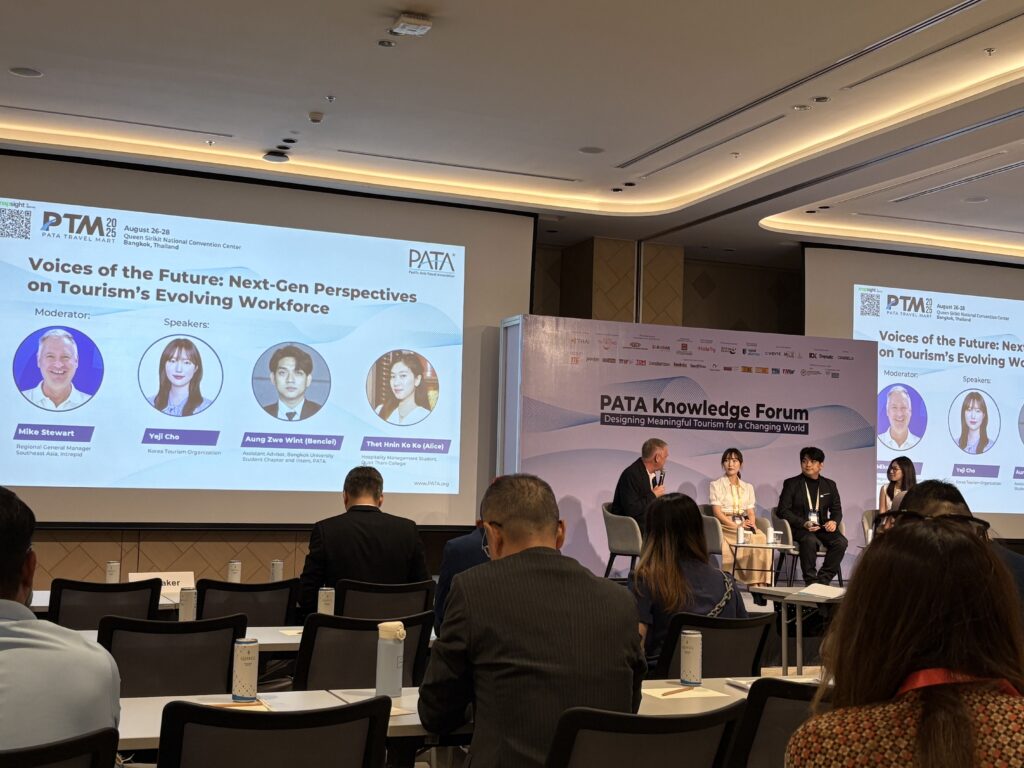
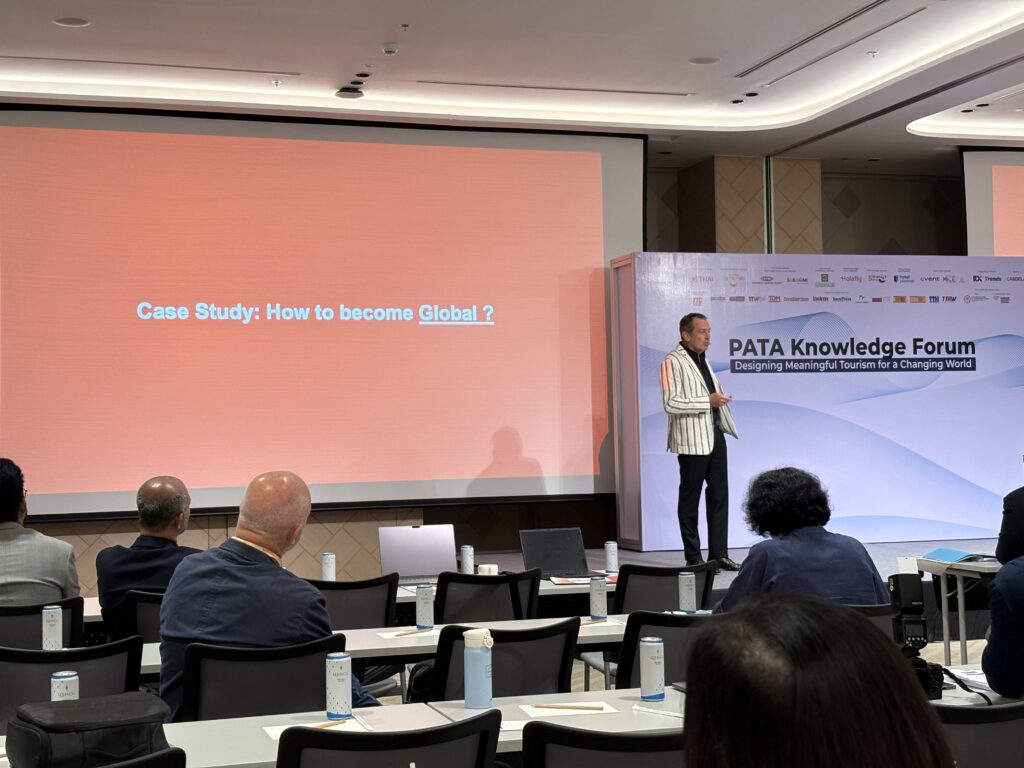
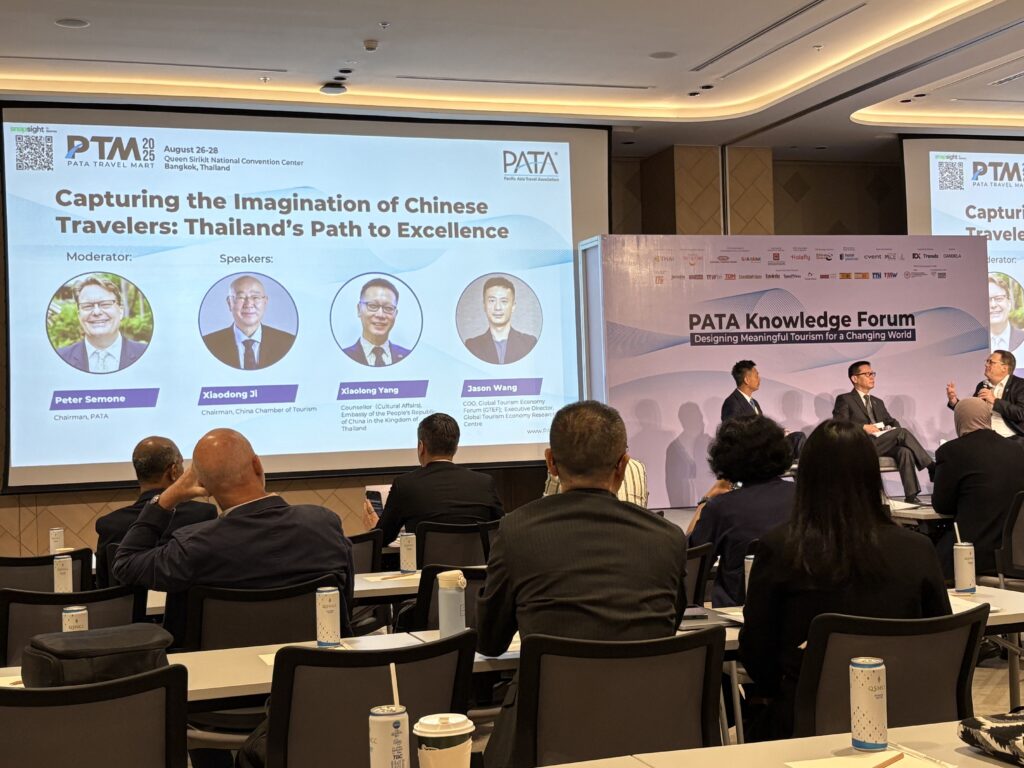
The learnings from the forum are expected to be translated into practical applications at UB SIHTM. Both faculty members will begin working on enhancing their course content to incorporate new trends, case studies from global contexts, and experiential learning strategies. The goal is to enrich the classroom experience for students and equip them with a global mindset, digital literacy, and a strong foundation in sustainability—qualities that align with the demands of the modern tourism industry.
This engagement directly supports several Sustainable Development Goals (SDGs), particularly SDG 4 (Quality Education), by ensuring that curriculum and instruction are up-to-date, inclusive, and aligned with international standards. It also contributes to SDG 8 (Decent Work and Economic Growth), as the enhanced competencies of educators translate into better-prepared graduates who can contribute meaningfully to the tourism workforce. Furthermore, the forum’s emphasis on sustainability and responsible tourism aligns with SDG 12 (Responsible Consumption and Production), while the collaboration between PATA and academic institutions reinforces SDG 17 (Partnerships for the Goals).
The participation of Ms. Yango and Ms. Navarro at the PATA Knowledge Forum reflects the University of Baguio’s proactive approach to global engagement and its vision of producing graduates who are globally competent, socially responsible, and professionally prepared. It also underscores the importance of continued faculty development as a core pillar of academic excellence.
As the tourism industry continues to evolve, the University of Baguio remains committed to staying at the forefront—through strategic partnerships, international engagements, and sustainable education practices that empower both educators and learners to contribute to a better, more resilient world.