
by: Janssel O. Bomay-et & Shaira R. Plandez, SBAA interns
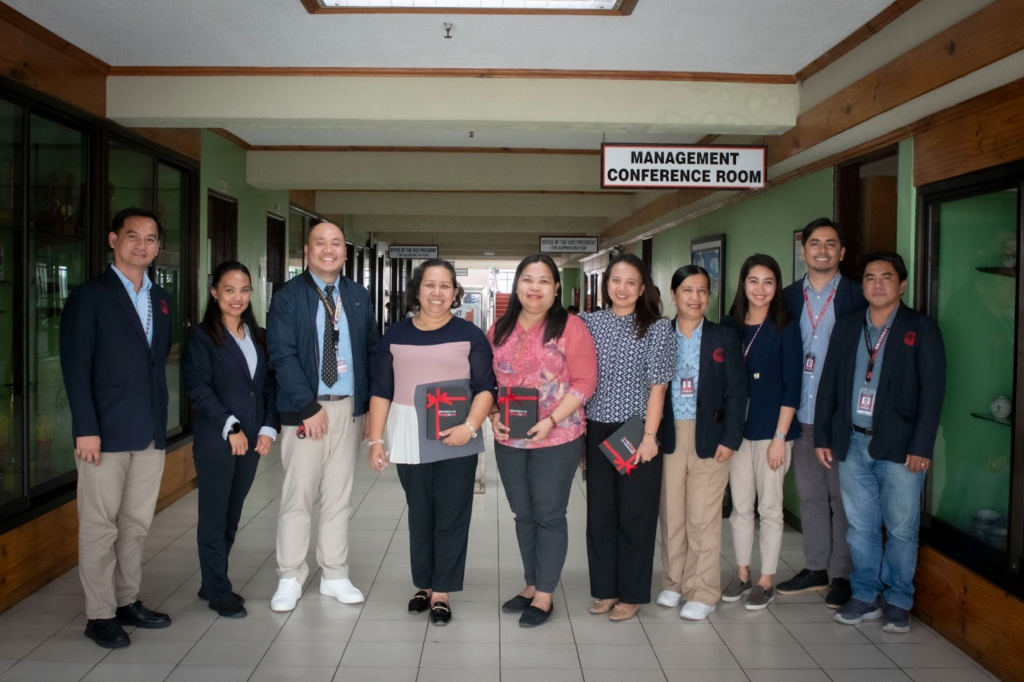
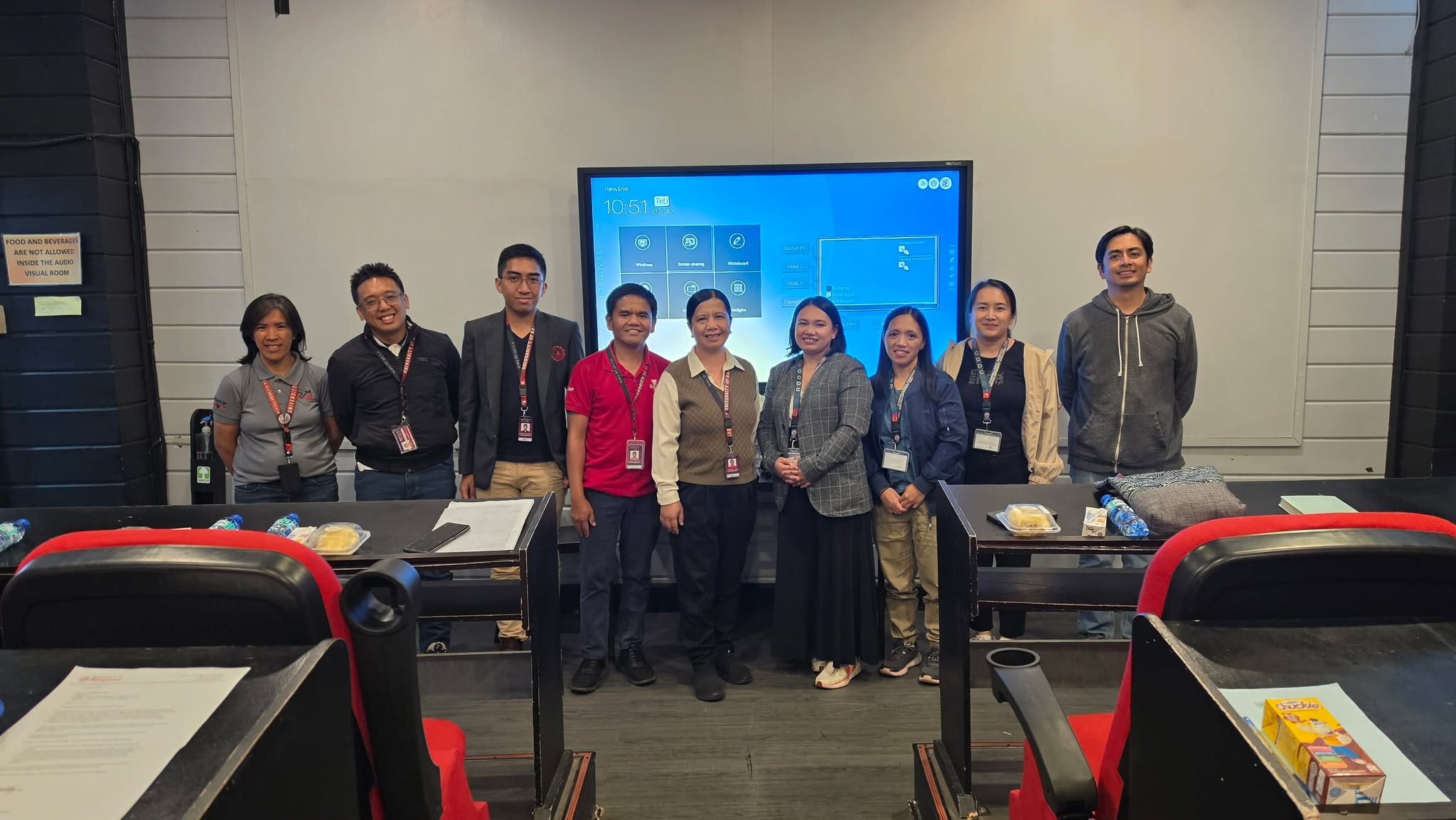
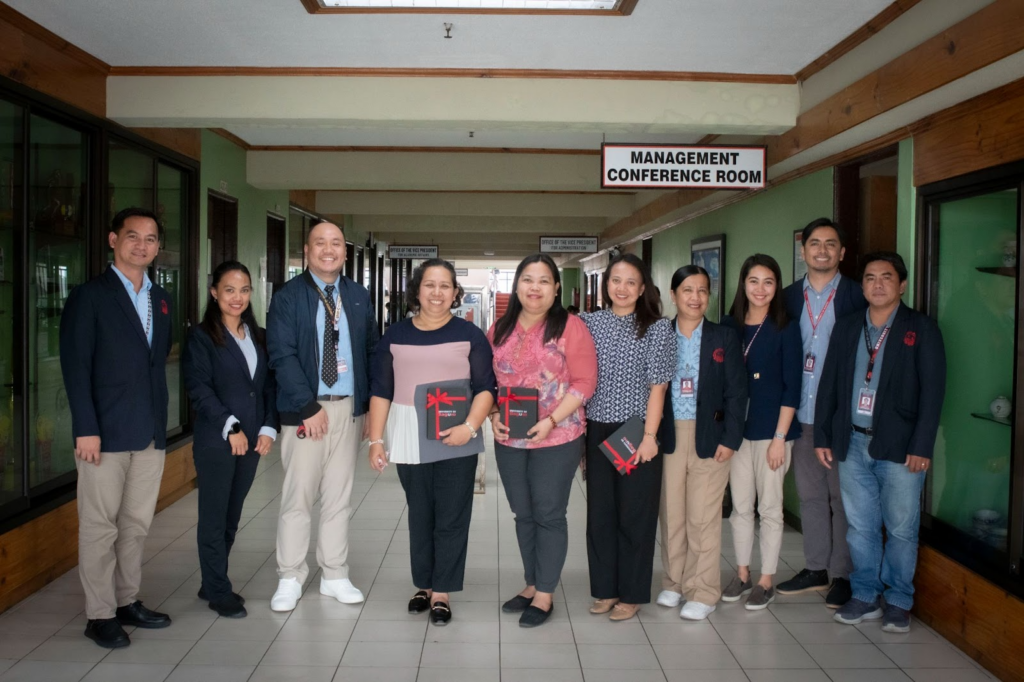
The University of Baguio (UB) received the team of Notre Dame of Marbel University (NDMU) members to have a valuable benchmarking session at the UB Management Conference Room on September 3, 2025. The engagement, particularly focused on UB’s Graduate School programs, aimed to gain valuable insights on curriculum design, instructional delivery, faculty development initiatives, research programs, community extension activities, and internationalization programs.
The program began with a prayer, followed by the welcome address of Dr. John V. Balanquit, Dean of the School of Business Administration and Accountancy (SBAA). UB was then introduced through Audio-Visual Presentations (AVPs) that featured its management team, history, leadership and its achievements in the past 77 years. NDMU presented next its own AVP and a presentation by Dr. Juvy S. Reyes, NDMU Dean of the Graduate School, introducing their representatives and giving information about the initiatives and programs of NDMU. Each representative from NDMU and UB introduced themselves followed by the fruitful question and answer session led by Dr. Kareen B. Leon, the Director of the Quality Assurance Office (QAO).
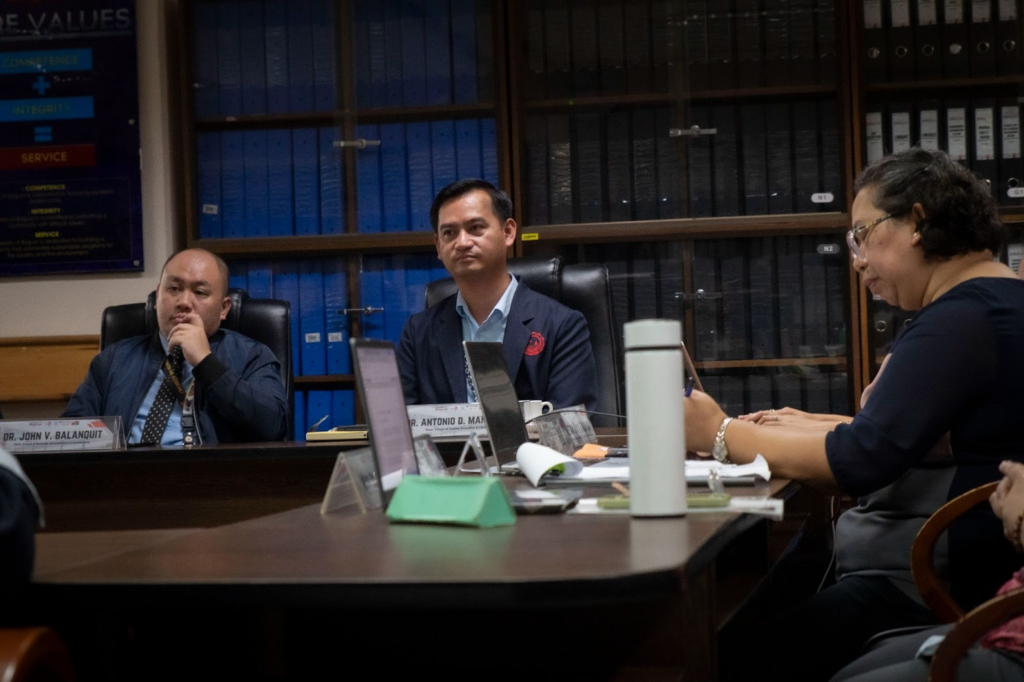
The session brought together 11 academic administrative leaders and staff of the two institutions. For NDMU are Dr. Juvy S. Reyes – Dean of the Graduate School; Dr. Rean May Galang – Program Coordinator of Business Administration and Graduate School Professor; and Mrs. Sheila B. Roma – Program Coordinator of the Master in Public Administration program and Director of the Research and Publication Center. The UB officials and staff were: Ms. Melanie R. Saro, Director of the Linkages Office (LNK); Dr. Donnavila Marie Panday-Herbster, Director of Research, Innovation, Extension, and Community Outreach (RIECO); Dr. Filibert Patrick F. Tad-Awan, one of the program chairs of the School of Criminal Justice and Public Safety (SCJPS); Dr. Antonio D. Mangaliag, Dean of the School of Teacher Education and Liberal Arts (STELA); Dr. John V. Balanquit, Dean of SBAA. Dr. Kareen B. Leon, Director of the QAO; Ms. Katrine P. Dumling, QAO Staff who acted as master of ceremonies; and Mr. Kristian S. Corpuz, QAO Review Staff and documenter.
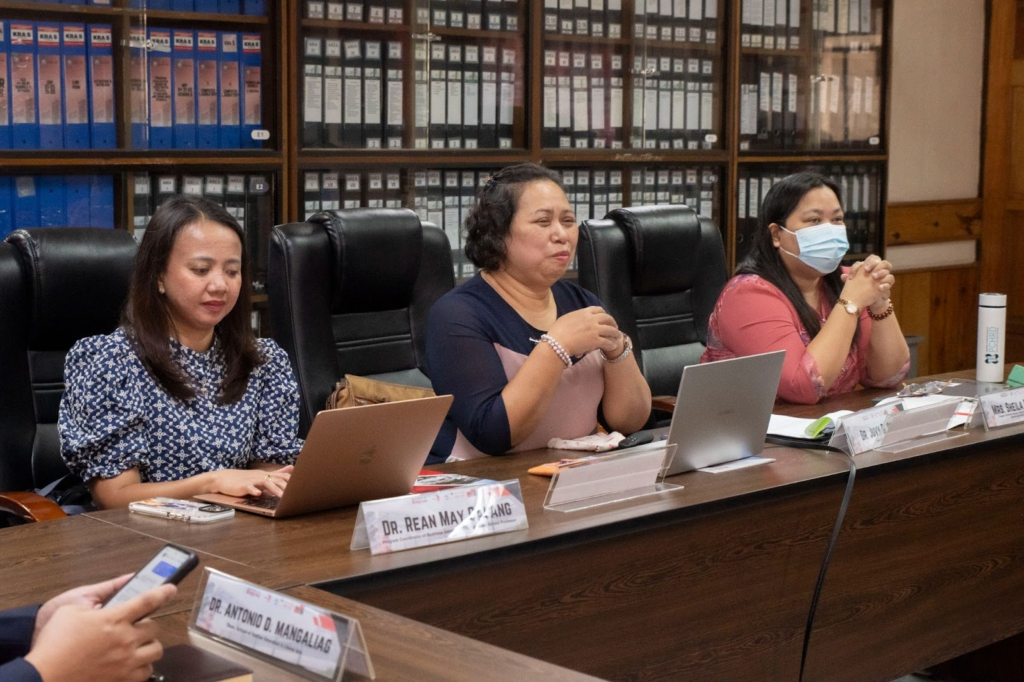
The meeting was devoted to graduate school practice, research, modes of delivery, and potential partnership. UB explained the rationale behind having more than one dean for the graduate programs; how the institution has a structured research defense process, panel guidelines, and protocols on defenses and how AI-generated content in research is managed. The university also described its mode of learning
NDMU shared similar challenges with enrollment, partnerships, instruction, research and outreach. UB related some strategies, such as the clustering of the livelihood project in order to enhance the outcomes evaluation of the community. The discussion ended in excitement for possible collaborations in graduate programs, like in Criminology, especially since UB BS Criminology has been designated as a CHED Center of Excellence.
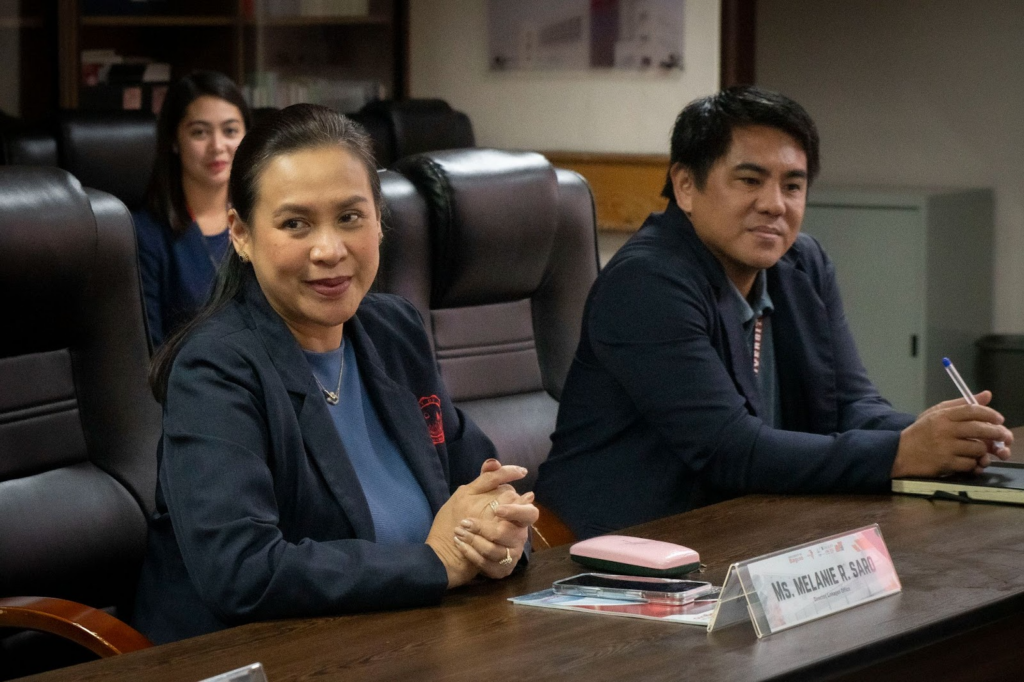
The visit concluded with a mutual commitment by both UB and NDMU to collaborate in various graduate school areas like academic innovation and educational excellence.
This benchmarking activity directly contributes to the United Nations Sustainable Development Goals (SDGs). Most notably, it supports SDG 8: Decent Work and Economic Growth, by strengthening faculty competencies, developing graduate-level curricula, enhancing research outputs, and promoting internationalization, all of which prepare graduate students for meaningful work and contribute to a competitive, productive workforce. It also aligns with SDG 4: Quality Education, by fostering academic innovation and improving teaching and learning systems, and SDG 17: Partnerships for the Goals, through the collaboration between UB and NDMU. Together, these efforts create an enabling environment for innovation, lifelong learning, and inclusive growth, demonstrating how higher education institutions can play a pivotal role in shaping future-ready graduates and sustainable communities.