
Written By Marriane Basoyang
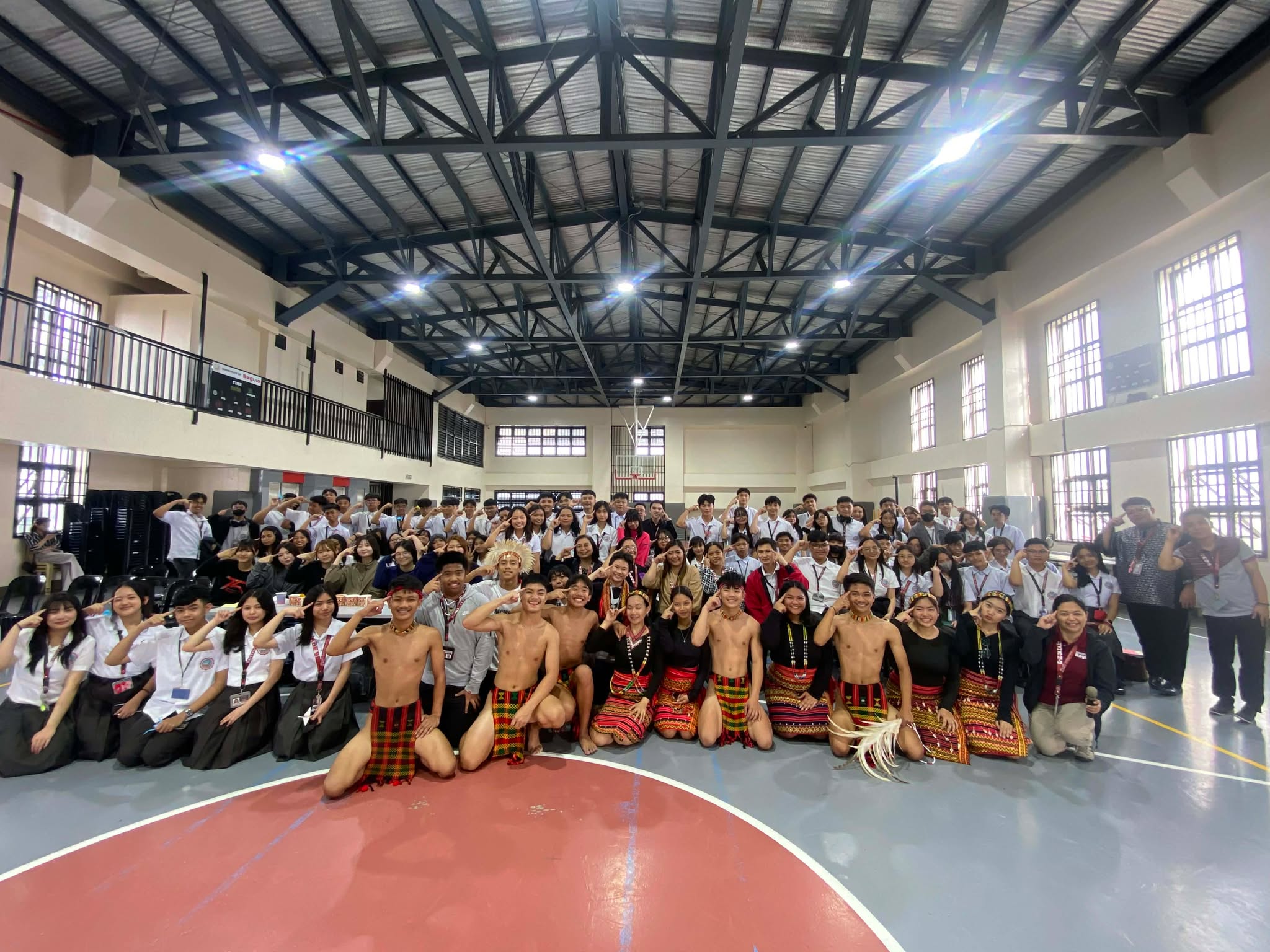
ITOGON, BENGUET – The University of Baguio (UB) Political Science On-the-Job Trainees (OJTs) played a pivotal role in the success of the “U4U Teen Trail” events, demonstrating exceptional leadership and peer-to-peer facilitation skills across three high schools in the municipality.
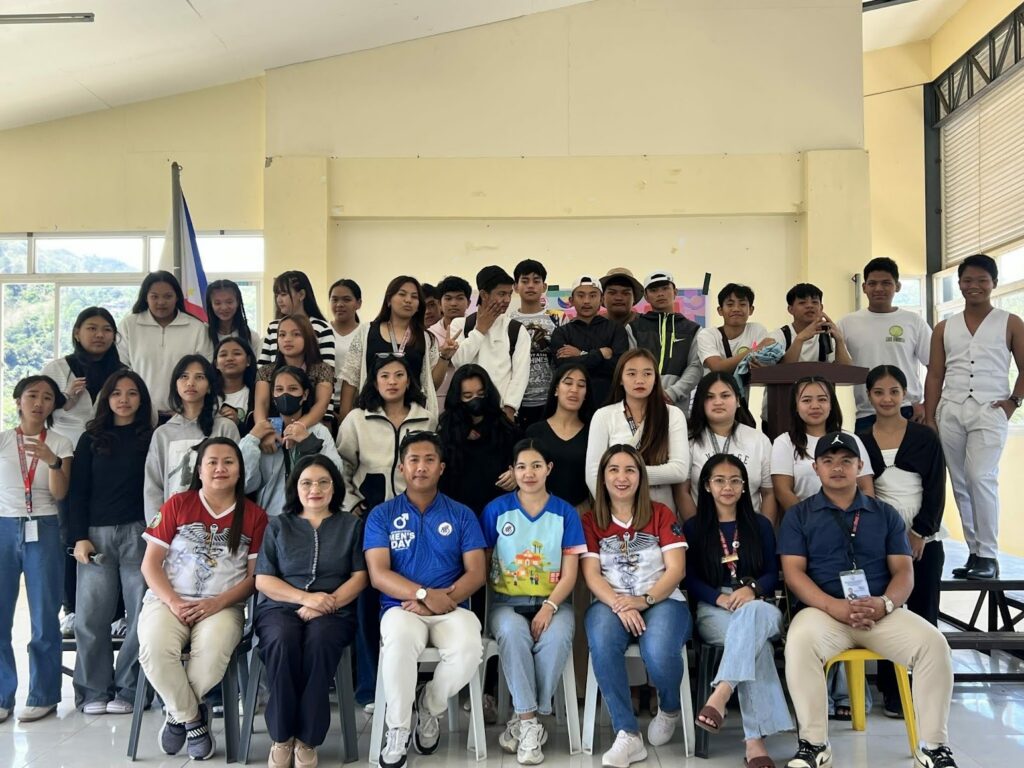
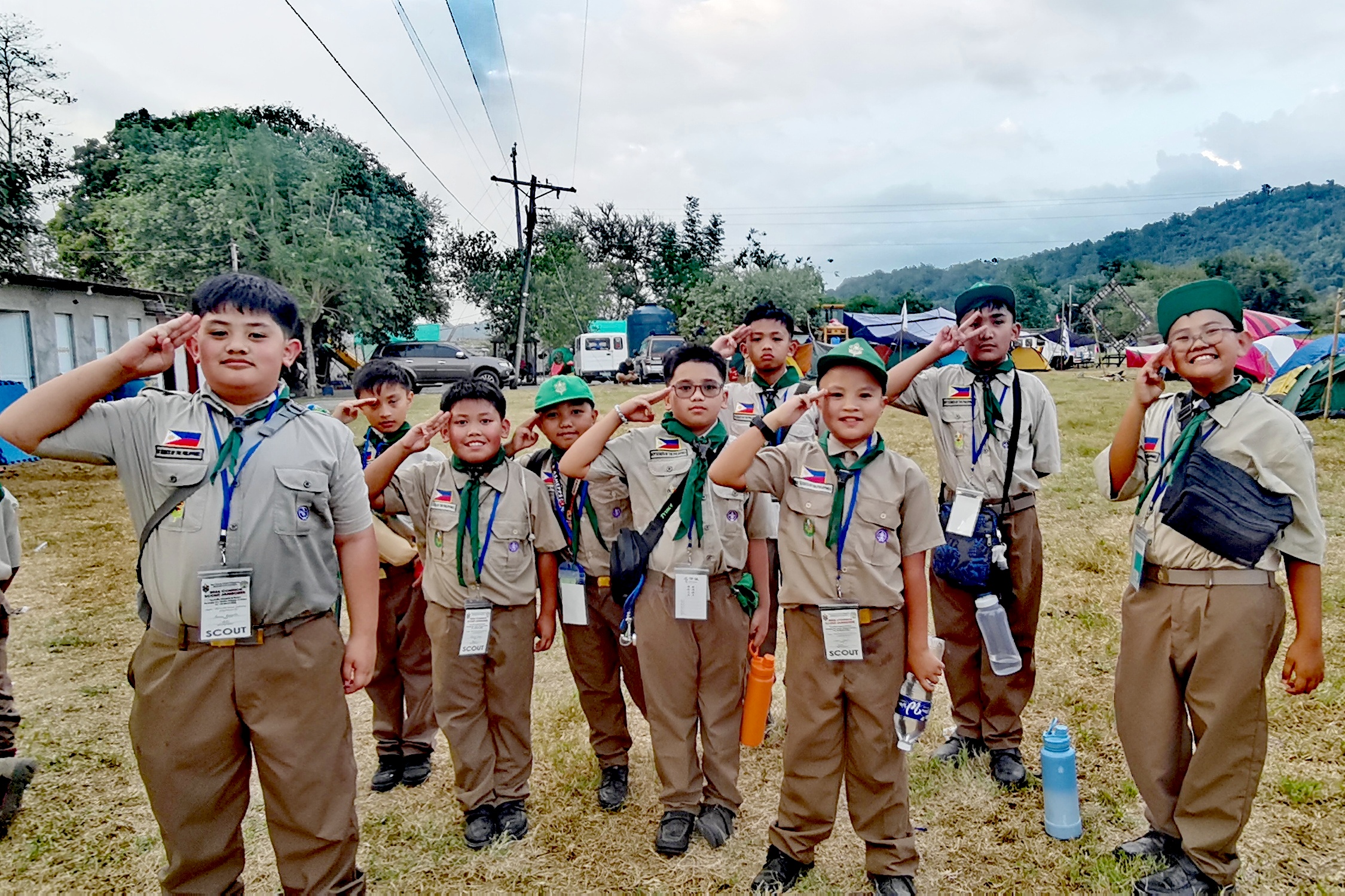
The two-day training program, a collaborative effort by the Commission on Population and Development Cordillera Administrative Region (CPD CAR) and the Municipal Health and Service Office (MSHO) Itogon, aimed to equip adolescents with critical knowledge on development, social responsibilities, and pressing issues such as teenage pregnancy and HIV awareness. At the heart of this initiative were the UB interns, whose energy and expertise transformed the learning experience for students at Alejo M. Pacalso Memorial National High School, Tocmo Integrated School, and Gumatdang Integrated School.
From the very first session, the interns set an empowering tone. Ms. Mabel Anne I. Bayas expertly facilitated ice-breaking activities across all three schools, fostering a comfortable environment that encouraged students to share their talents openly. Meanwhile, Mr. Jaime P. Tokias guided students in articulating their expectations for the program, helping them define their personal learning journeys regarding puberty, self-identity, and health.
The interns also took the lead in making the learning process interactive and memorable. Mr. Arniel T. Cosme energized students at Tocmo Integrated School through engaging Message Relay challenges and reflective videos, while Mr. Joniel L. Malecdan replicated this success at Gumatdang Integrated School, promoting teamwork and positive thinking.
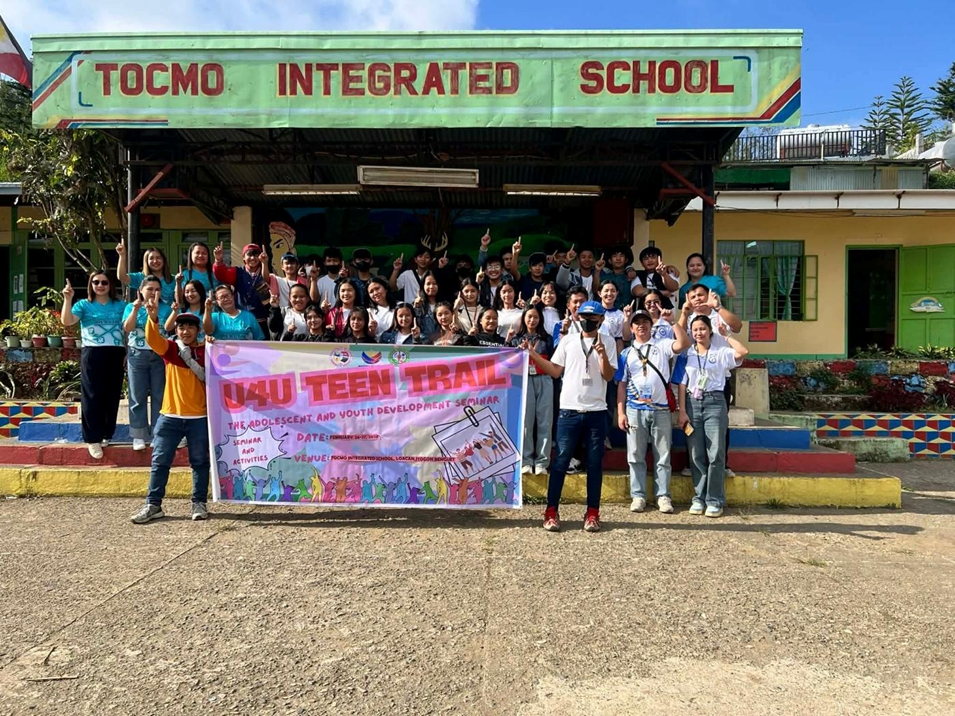
A highlight of the U4U Teen Trail was its focus on sustainability through skill-building. The UB interns demonstrated a deep commitment to empowering youth by teaching them how to facilitate. Ms. Tanya Marie Tamares led sessions on effective facilitation techniques at Tocmo Integrated School, while Ms. Eidanne Zamantha C. Carlos provided practical tips on giving instructions and eliciting engagement at Gumatdang Integrated School. Interactive exercises, such as the “drawing a t-shirt” activity, underscored the interns’ dedication to nurturing future leaders.
The success of the interns’ mentorship was fully realized on the second day, when students who participated in Day 1 stepped up to facilitate their peers. This peer-led experience proved the effectiveness of the training model, with the UB OJTs providing invaluable guidance behind the scenes to ensure smooth operations during learning exhibits and teen chats.
“The UB OJTs were instrumental in creating safe spaces for dialogue and ensuring that the students felt heard and empowered,” said Mr. Alfredo C. Canero, Information Officer I of CPD CAR. “Their peer-to-peer approach made complex topics accessible and engaging.”
The program concluded with heartfelt reflections from student participants, who spoke of the importance of patience, unity, and teamwork. Their gratitude for the knowledge they gained—and the hope that it would inspire their future dreams—stands as a testament to the impact of the UB interns’ leadership.
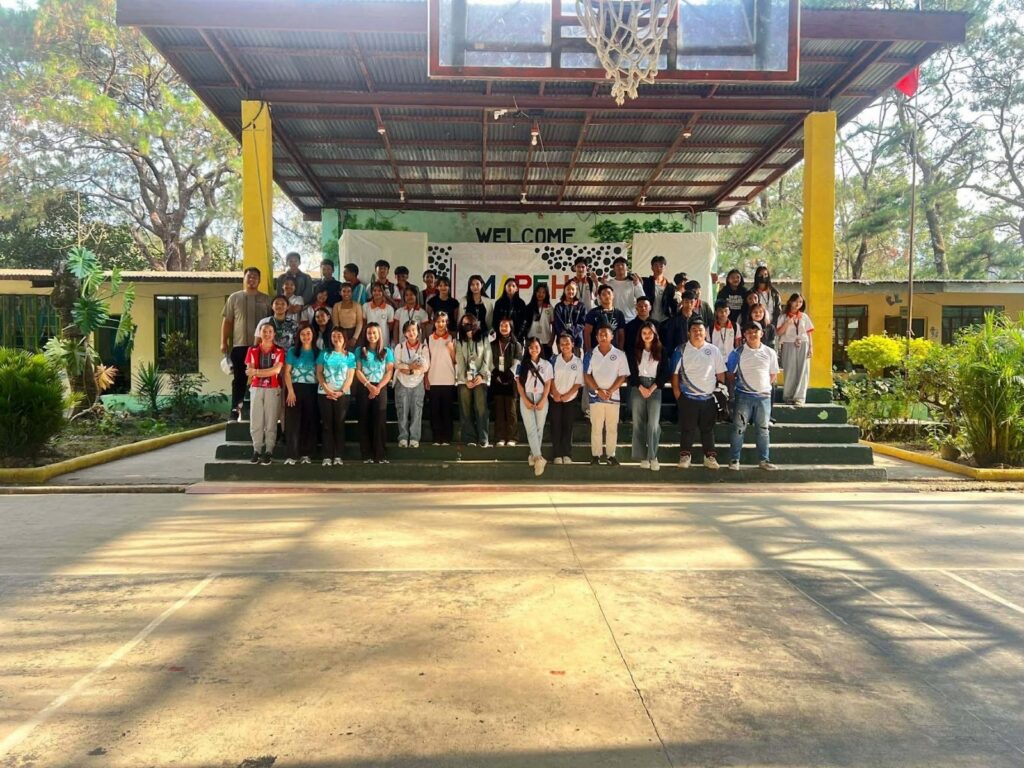
Officials from the Municipal Health and Service Office, including Ms. Jennilyn Waclin, Nurse I, and Ms. Cloudette Carino, Health Program Officer I, commended the teamwork and professionalism displayed by the facilitators and organizers, with special recognition given to the UB Political Science OJTs for their outstanding contribution.
These exposures are reflective of the BAPS Program Educational Objectives. By engaging in community-based facilitation, interns demonstrate leadership, communication, and community engagement competencies that mirror SDG 4’s emphasis on relevant skills and global citizenship education.
Their work on adolescent health and responsible citizenship directly addresses human and social challenges, aligning program objectives with SDG 3, SDG 5, and SDG 16 while showcasing responsible citizenship and effective dissemination of ideas in real community settings.
- SDG 3: Good Health and well-being. The focus on teenage pregnancy and HIV directly supports SDG 3’s target on ensuring universal access to sexual and reproductive health information and education by 2030. Further, creating safe spaces for teen chats, clarifying puberty and self-identity, and normalizing health discussions promotes adolescent mental health and overall well-being, which are central to SDG 3
- SDG 4: Quality Education: The program provides life skills and health literacy beyond formal curriculum, aligning with SDG 4’s call for relevant skills for life, employment, and global citizenship. Training students to become peer facilitators (from Day 1 participant to Day 2 facilitator) exemplifies lifelong learning, critical thinking, communication, and teamwork
- SDG 5: Gender Equality. Addressing teenage pregnancy and HIV risk speaks to gendered vulnerabilities of adolescent girls and young women, reflecting SDG 5’s concern with empowering women and girls and ensuring their health and autonomy. Providing safe, inclusive spaces where all genders can discuss sexuality, relationships, and consent contributes to reducing gender-based inequalities in access to information and services.
- SDG 16: Peace, Justice, Strong institutions. Peer-to-peer facilitation, open dialogue, and reflection on patience, unity, and teamwork nurture civic values such as participation, respect, and non-violence, which are integral to SDG 16’s vision of peaceful and inclusive societies. Students’ experience in structured, rights-respecting discussions builds trust in public institutions (schools, health offices, POPDEV) and models inclusive decision-making processes.
- SDG 17: Partnerships for the Goals. The collaboration among UB, CPD-CAR, and the Itogon Municipal Health and Service Office is a concrete example of SDG 17’s call for multi-stakeholder partnerships between government, academe, and communities. UB OJTs serving as co-implementers show how higher education institutions can contribute expertise and human resources to local development initiatives, strengthening local capacities to pursue the SDGs.