
Written by Michelle Chomayag
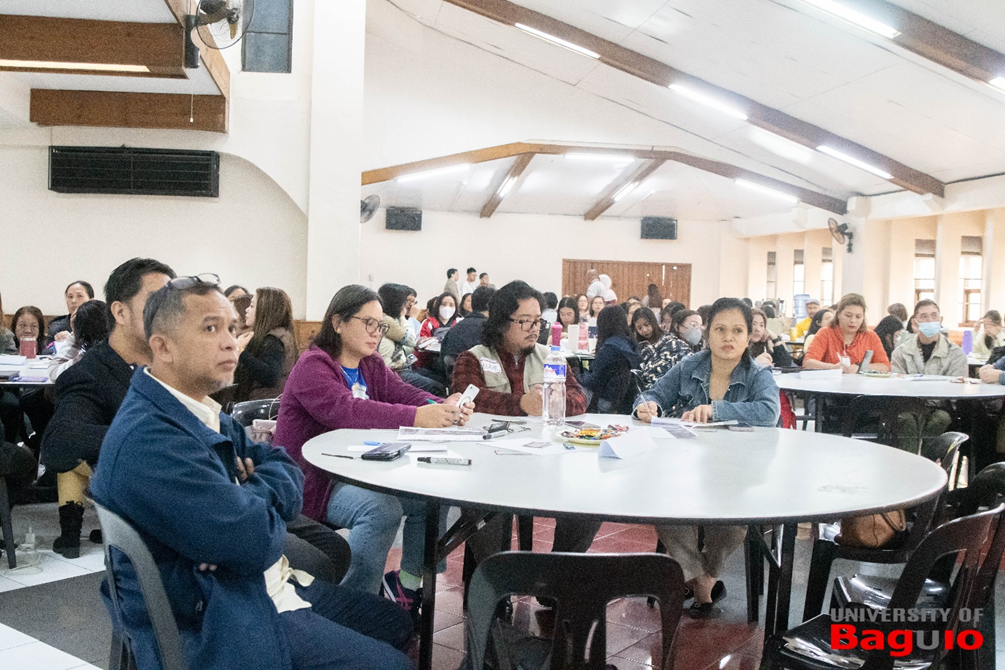
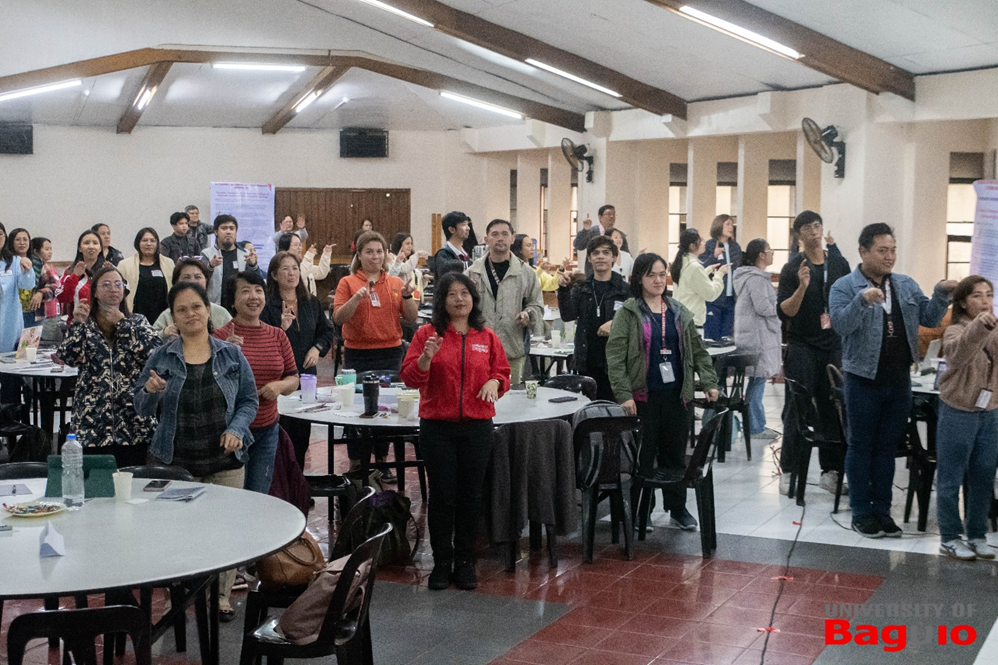
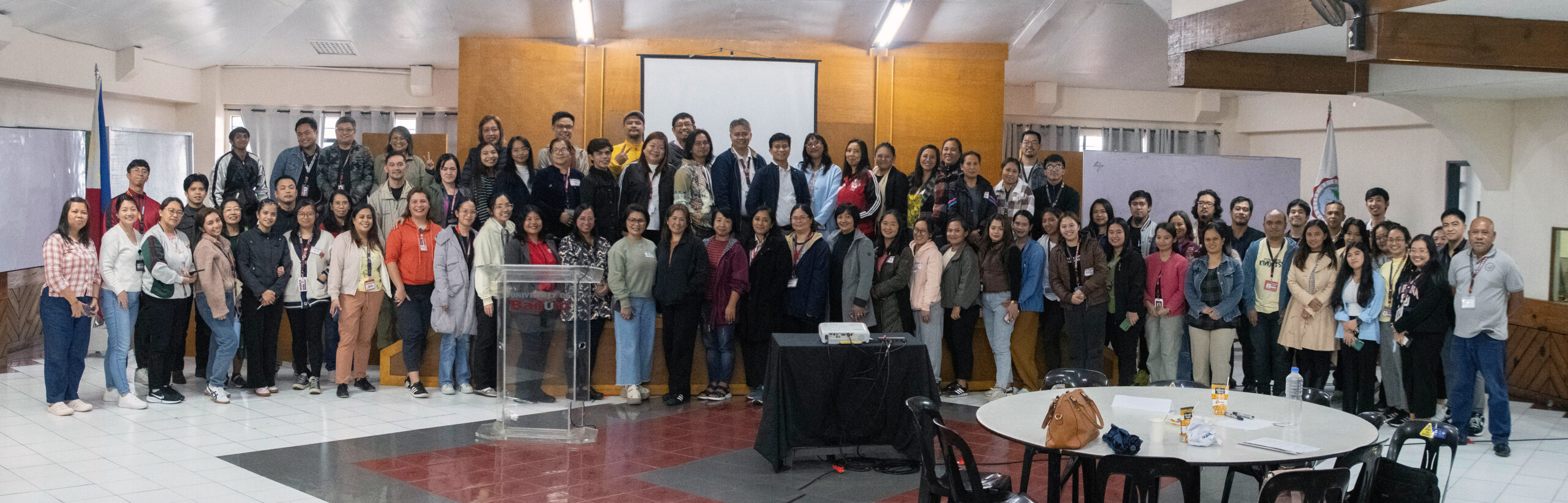
The University of Baguio (UB), through its Research, Innovation, Extension, and Community Outreach (RIECO) Office, reaffirmed its commitment to research excellence and community engagement through the successful implementation of the PRC-accredited seminar-workshop, Capstone Project Development Training. This two-day event provided Continuing Professional Development (CPD) units to licensed professionals, including teachers, criminologists, librarians, and civil engineers, while enhancing the research capabilities of faculty and non-teaching personnel. Aligned with UB’s Institutional Development Plan and the United Nations Sustainable Development Goals, particularly SDGs 4, 8, and 17, the seminar addressed gaps in research skills and promoted innovation that supports inclusive, community-responsive development.
The training aimed to equip participants with essential competencies for designing and conducting capstone research rooted in real-world educational and institutional contexts. Through structured sessions, participants explored the principles of capstone research, learned how to frame relevant problems and research questions, and applied suitable methodologies to generate meaningful, evidence-based proposals. These efforts positioned participants to initiate research projects that contribute to long-term institutional improvement and sustainable development.
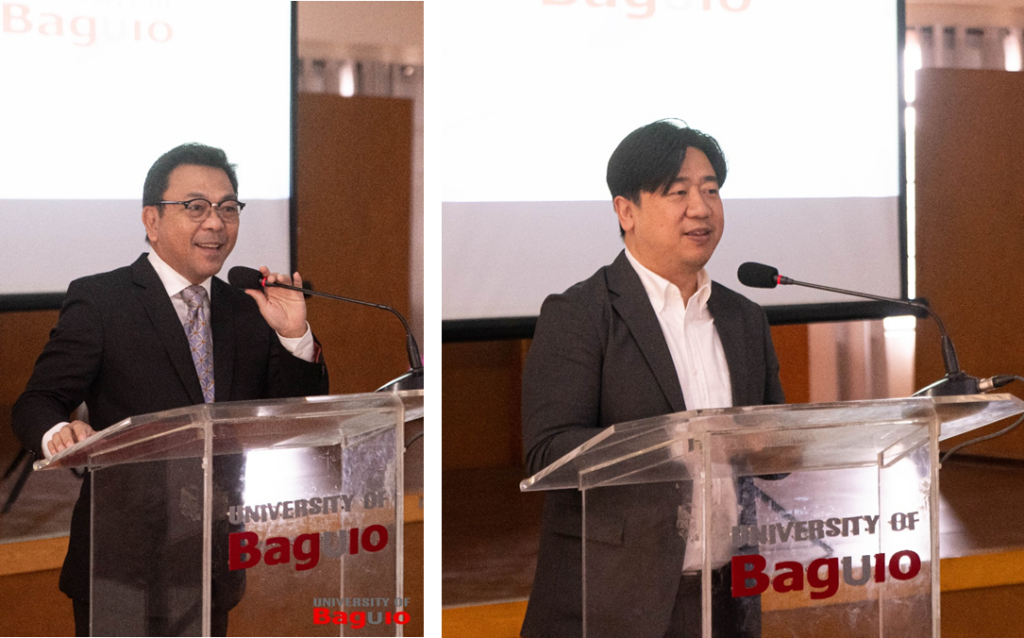
Notably, the event brought together educators and researchers from the University of Baguio and its partner HEIs, including Easter College Inc., Baguio Central University (BCU), and Cordillera Career Development College (CCDC). The presence of Dr. Zorba R. Bautista, Chairman of the Board, and Dr. Javier Herminio D. Bautista, University President, underscored UB’s strong institutional support for research as a tool for societal transformation. Their messages highlighted the importance of building a research culture that empowers educators to become agents of change.
The seminar was further enriched by expert lectures. Dr. Julius A. Simon, a faculty member of the School of Teacher Education and Liberal Arts (STELA), introduced participants to Systems and Design Thinking, a powerful frameworks for identifying and solving complex problems. Using tools like the Iceberg Model and the Square Strategy, participants analyzed root causes of institutional challenges and crafted systems-level solutions. These frameworks fostered critical thinking, collaboration, and systems leadership, helping participants align their projects with real institutional needs.
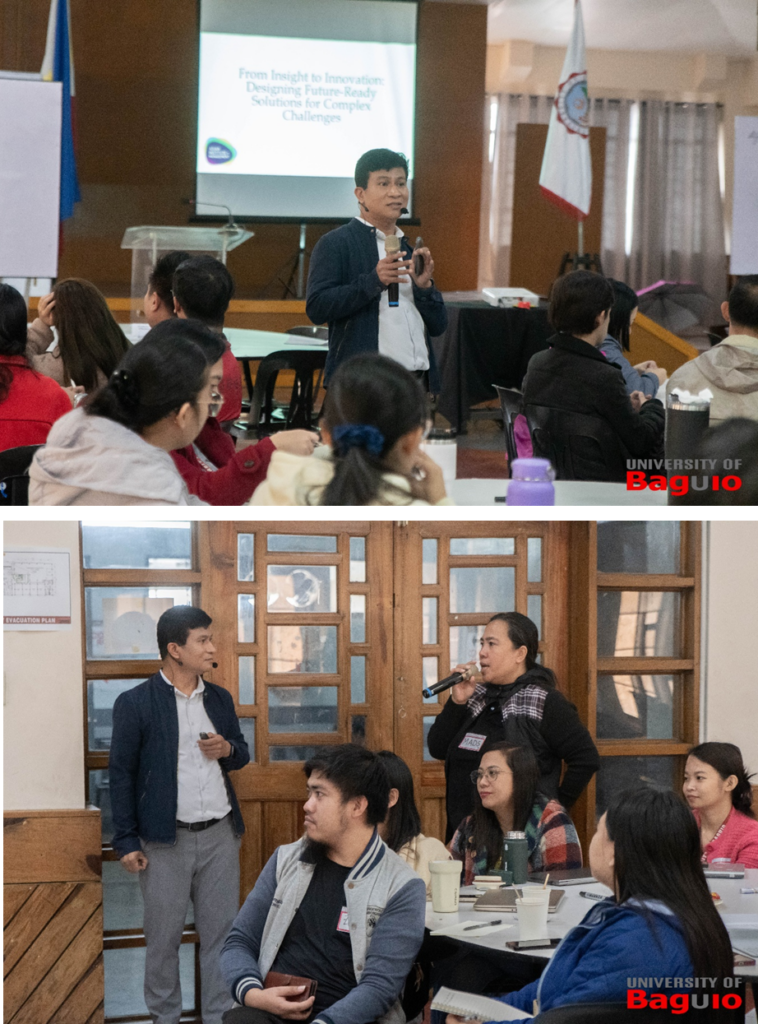
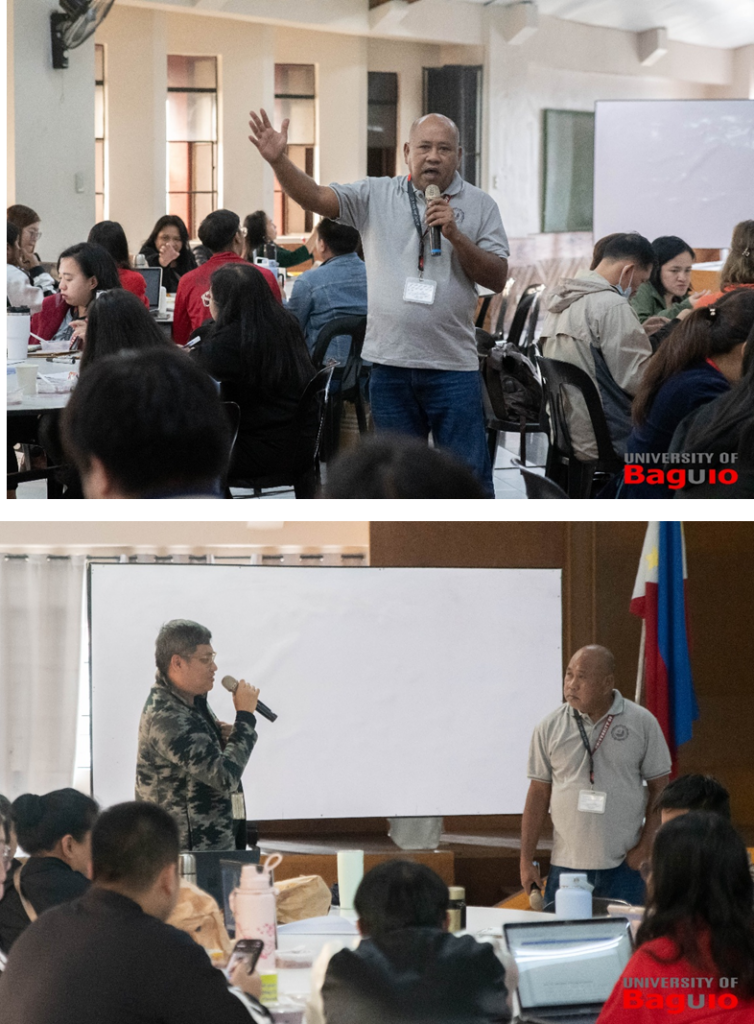
Complementing this was Mr. Edsel C. Naguit, a project development consultant, who clarified the unique nature of capstone research in comparison to traditional academic studies. Emphasizing practical impact over theoretical depth, he guided participants in using the IMRAD format, refining their problem statements, and aligning their objectives with measurable, community-based outcomes. Through a series of hands-on exercises, participants actively applied what they learned, successfully drafting proposals informed by both systemic insight and actionable planning. To culminate the session, participants presented their capstone project proposals, which were evaluated by the speakers for feasibility, relevance, and potential impact. This feedback process provided valuable insights that further strengthened their research designs and ensured alignment with real-world educational needs.
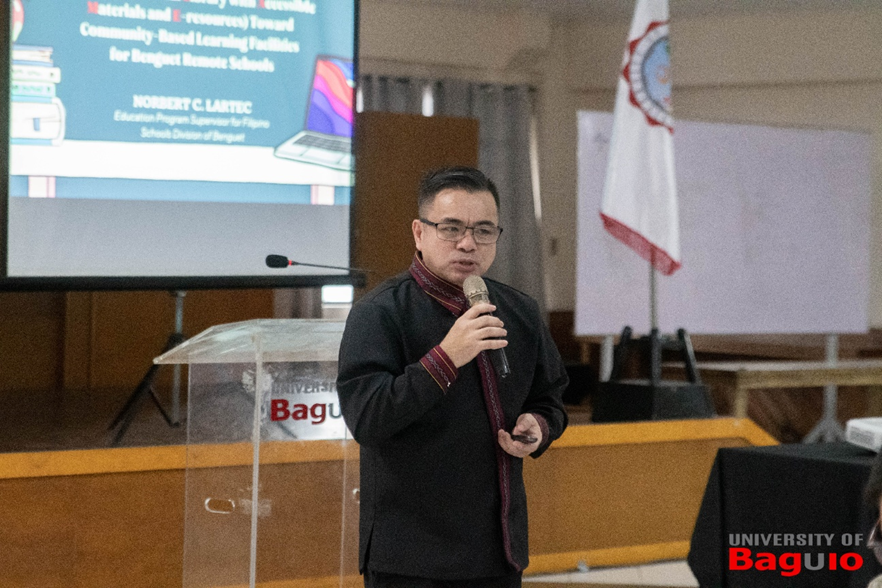
Furthermore, to demonstrate real-world application, Mr. Norbert C. Lartec of DepEd Benguet presented his capstone project, titled “Functional Library with Accessible Materials and E-Resources Toward Community-Based Learning”. His initiative addressed resource gaps in remote schools and exemplified how capstone research can deliver inclusive, equitable solutions, directly advancing SDG 4 (Quality Education). He emphasized the importance of multi-stakeholder engagement in ensuring sustainability and long-term community benefit.
One of the highlights of the seminar workshop was the Gallery Walk, where participants explored completed capstone projects from various institutions. This interactive exhibit allowed them to analyze different research approaches, ask questions, and draw inspiration for their own proposals. The activity promoted peer learning and showcased how theoretical knowledge can translate into impactful community-based outcomes.
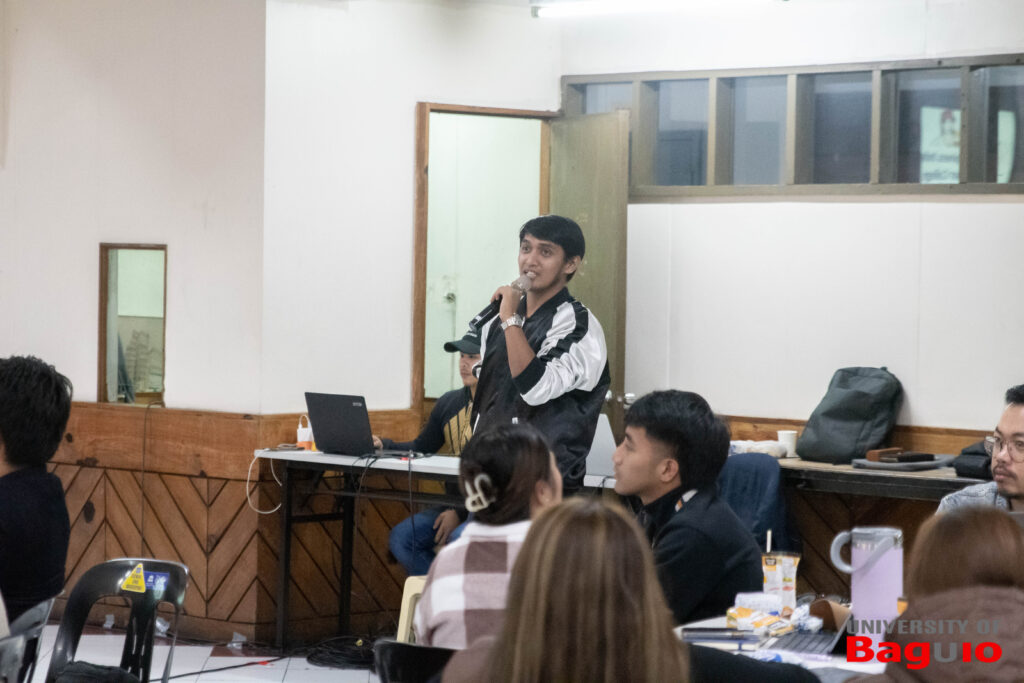
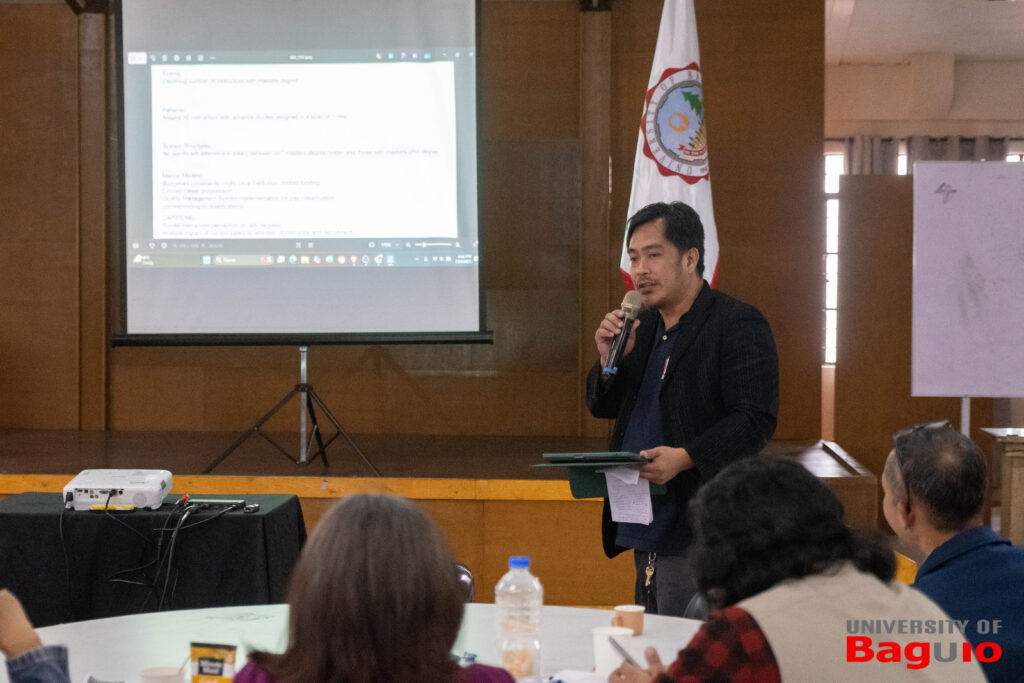
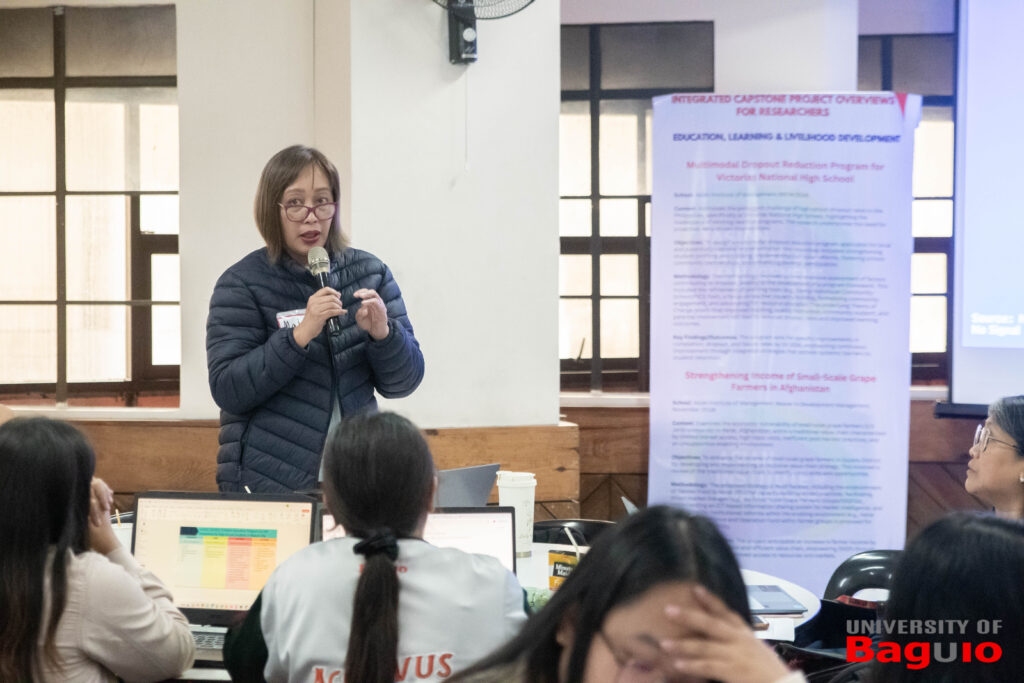
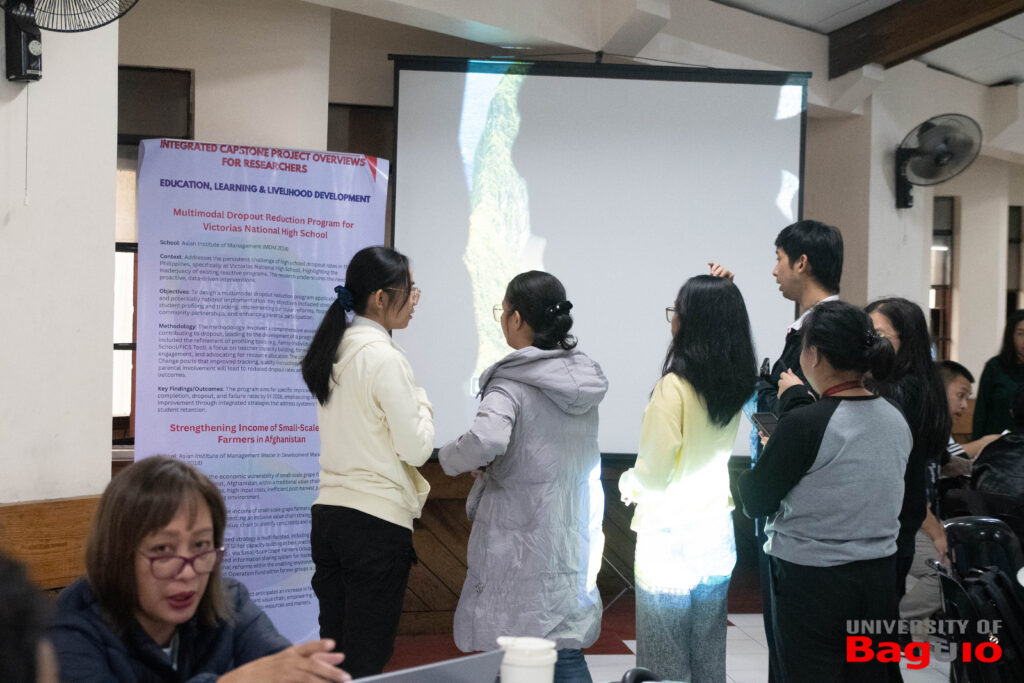
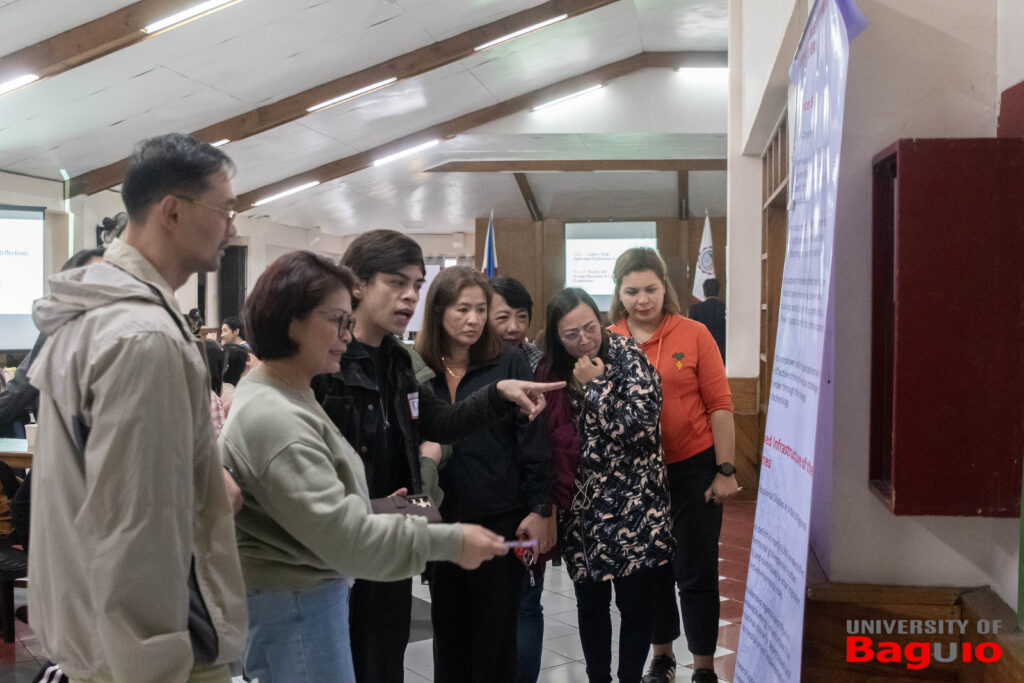
The second day of the seminar-workshop centered on the critical topic of Research Ethics, co-facilitated by Dr. Julius A. Simon and Mr. Edsel C. Naguit. Building on the foundations laid during the first day, this session emphasized the importance of upholding ethical standards in all phases of research, from the initial formulation of questions to the dissemination of findings. The facilitators guided participants through key principles such as informed consent, confidentiality, voluntary participation, and cultural sensitivity, especially when working with vulnerable or marginalized communities.
Through interactive discussions and case-based activities, participants explored real-world ethical dilemmas that may arise during capstone project implementation. The session reinforced the value of accountability, transparency, and mutual respect for all community stakeholders involved in the research process. By embedding ethical awareness into research planning, participants were better equipped to design responsible and community-responsive projects that align with both institutional standards and global ethical practices.
As the seminar-workshop drew to a close, participants emerged with a deeper understanding of capstone research and a strengthened ability to design projects that respond to real-world educational challenges. With the aid of practical strategies, conceptual frameworks, and research ethics, they are now better prepared to develop meaningful, community-responsive studies. The University of Baguio, through this initiative, continues to champion the role of educators as change agents, fostering innovation and contributing to the advancement of inclusive and sustainable development.