
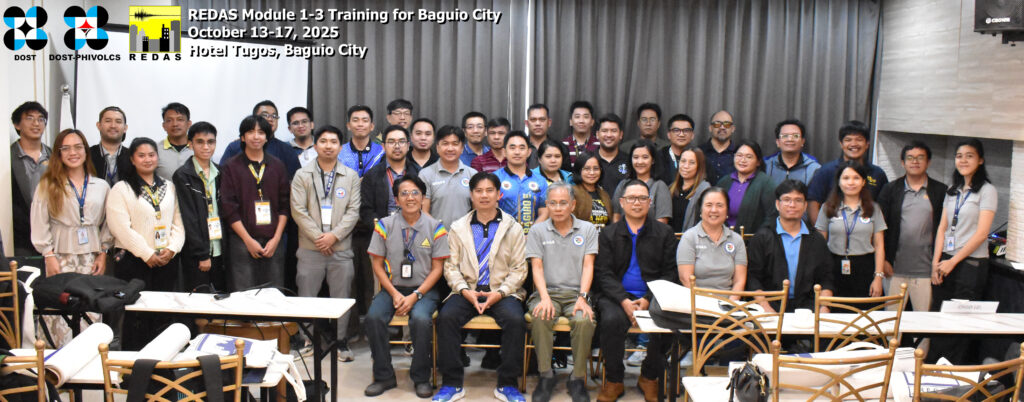
The Rik Management Office Director, Engr. Julia Flores-Florendo participated in the Five-day Rapid Earthquake Damage Assessment System (REDAS) Training Modules 1–3, held on October 13–17, 2025, at Hotel Tugos, Baguio City. The activity was spearheaded by the Department of Science and Technology – Philippine Institute of Volcanology and Seismology (DOST-PHIVOLCS) in collaboration with the Baguio City Disaster Risk Reduction and Management Office (CDRRMO).
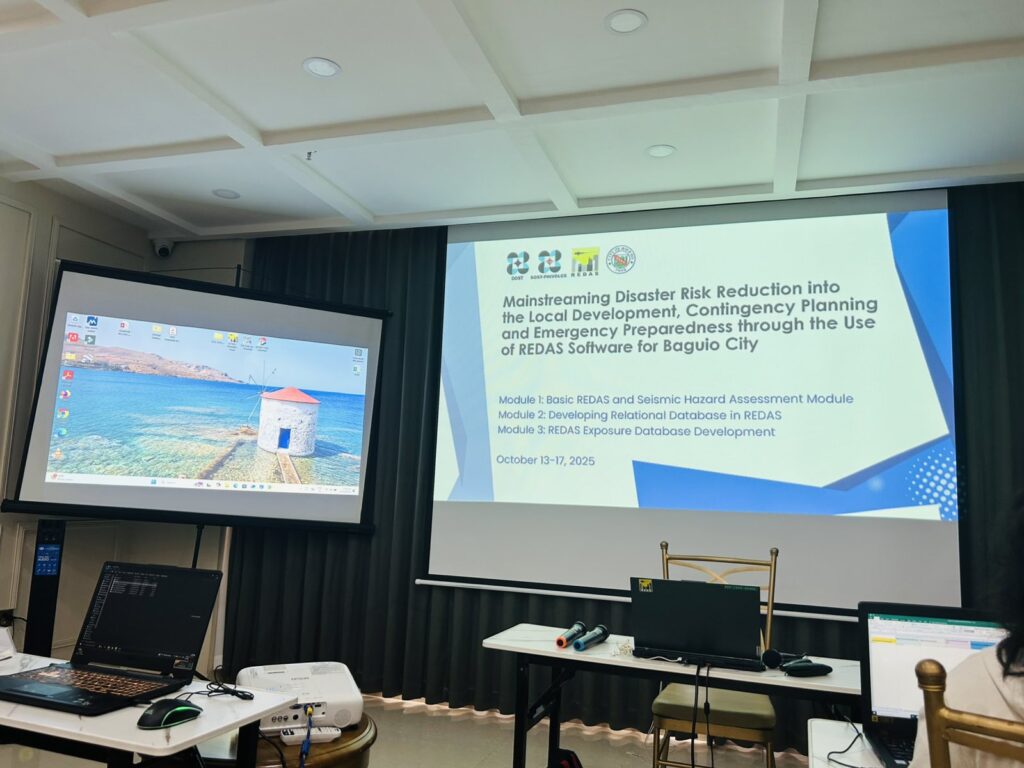
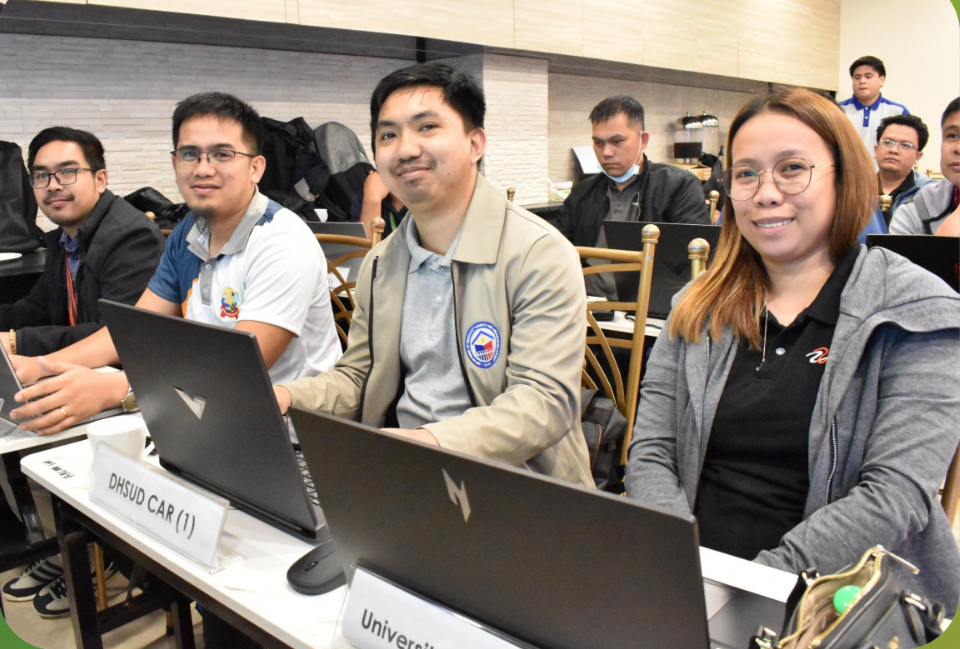
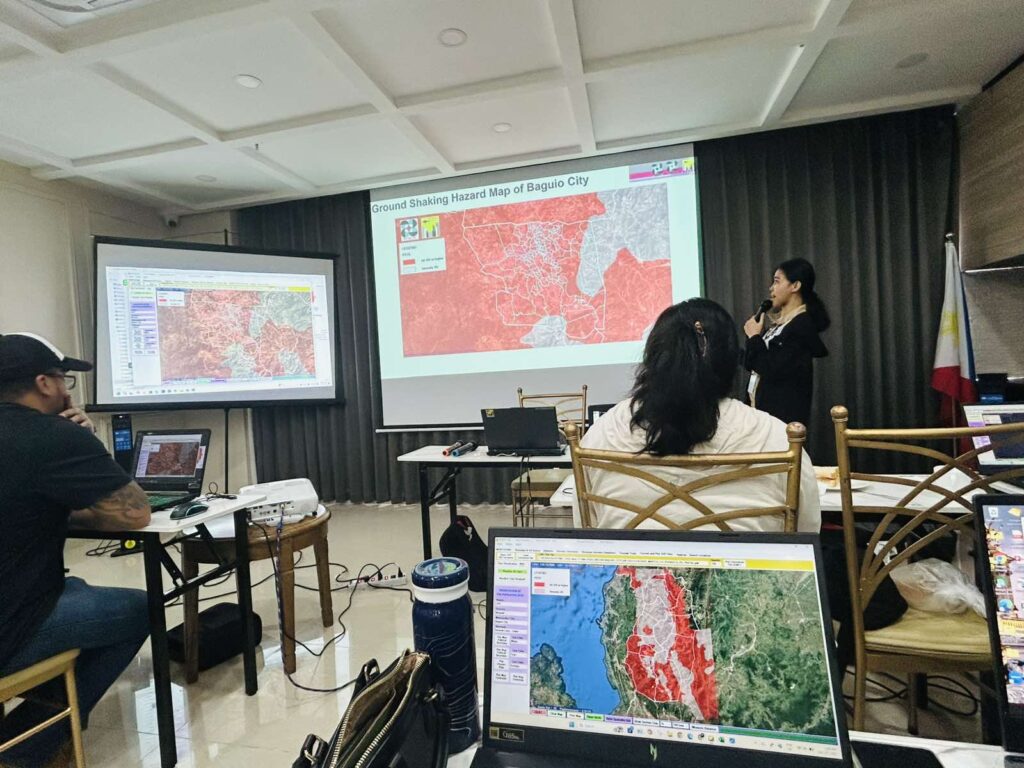
The Rapid Earthquake Damage Assessment System (REDAS) software, developed by Mr. Bartolome C. Bautista, Technical Consultant, and Former Deputy Director of DOST-PHIVOLCS, is a multi-hazard monitoring and impact assessment tool designed to estimate potential seismic and hydro meteorological hazards. It provides rapid post-disaster assessments to support evidence-based decision-making, emergency preparedness, and contingency planning.
As a vital innovation of PHIVOLCS-DOST, the REDAS program enhances the technical capacity of local governments, planners, and institutions, like the University of Baguio, to utilize science-based tools in managing disaster risks. The training aimed to strengthen the capability of Baguio’s local planners and disaster managers to mainstream disaster risk reduction (DRR) in local development planning, directly contributing to the global goal of enhancing urban resilience.
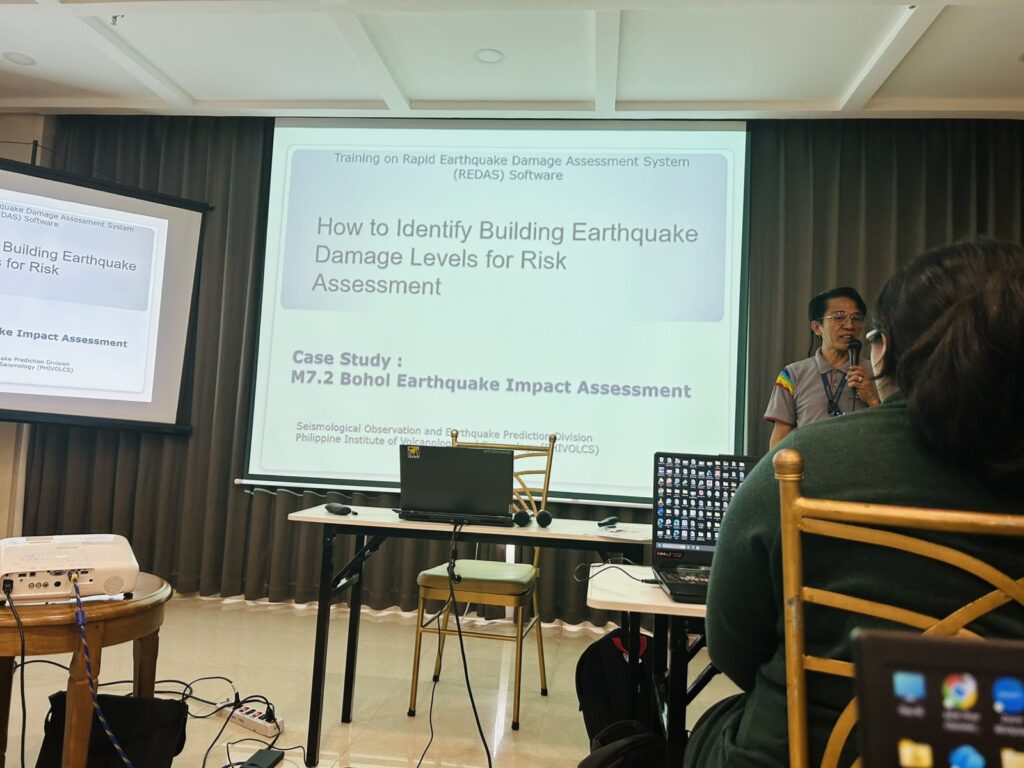
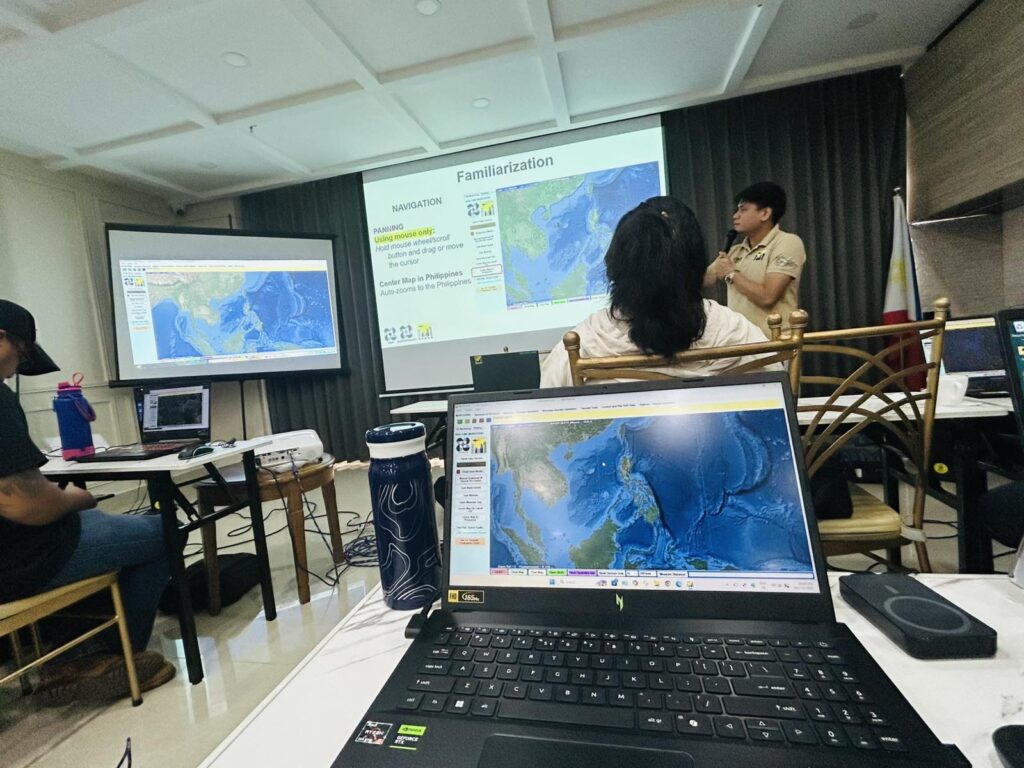
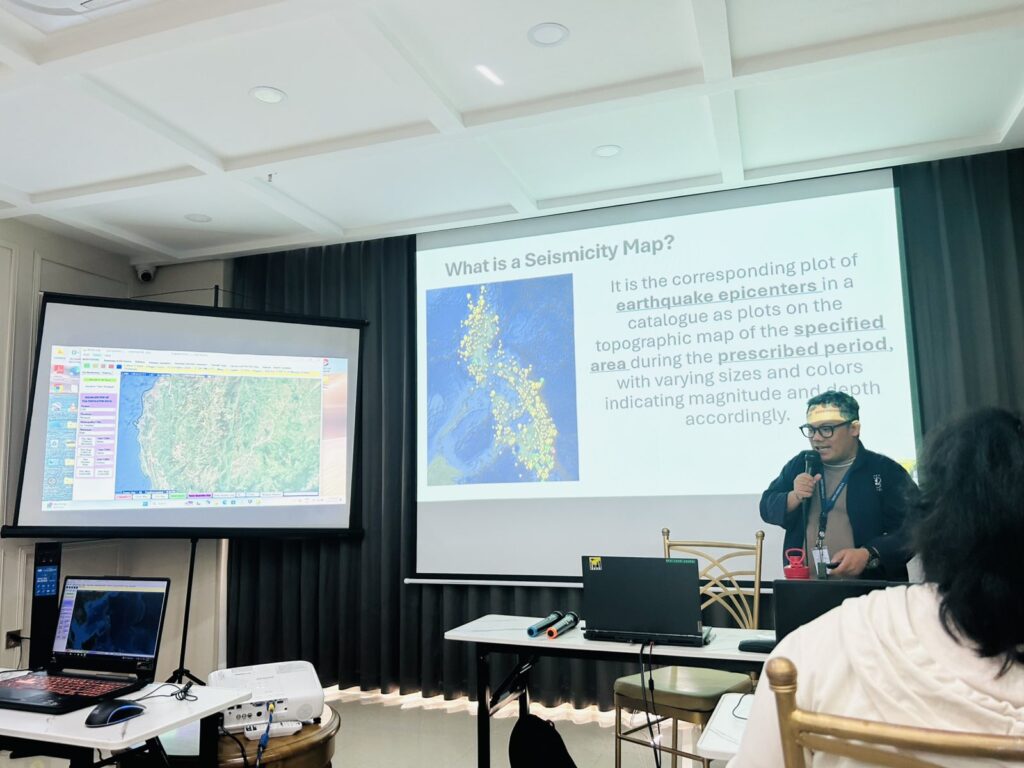
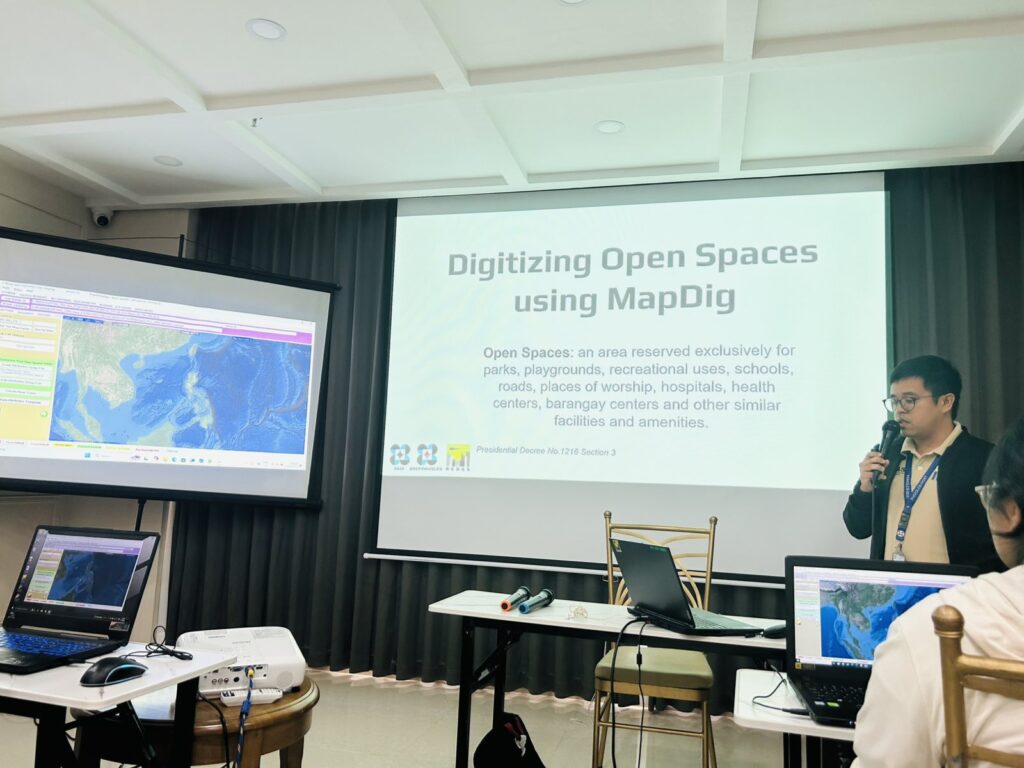
Over five intensive days, participants were immersed in both theoretical and hands-on applications of REDAS.
Day 1 focused on Exposure Database Fundamentals, emphasizing the importance of accurate data on population, infrastructure, and building typologies for effective risk assessment;
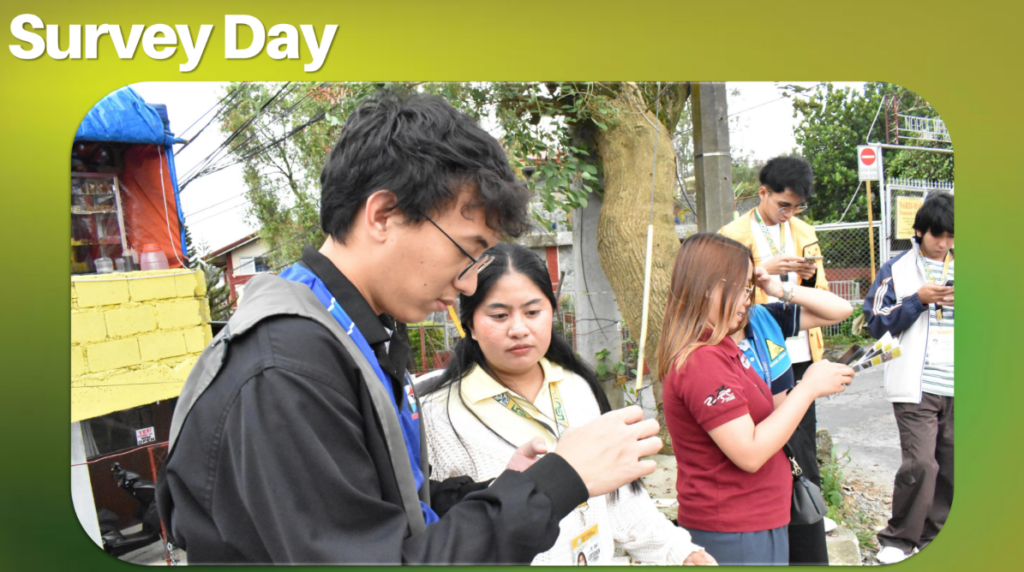
Day 2 covered Exposure Data Collection and Mapping, introducing digital tools such as QField for efficient ground data gathering and mapping, key enablers for smart and sustainable disaster management systems;
Day 3 centered on Seismic Hazard Assessment (SHA) and Hazard Mapping, where participants simulated earthquake scenarios for Baguio City, integrating local fault and soil data to visualize potential impacts;
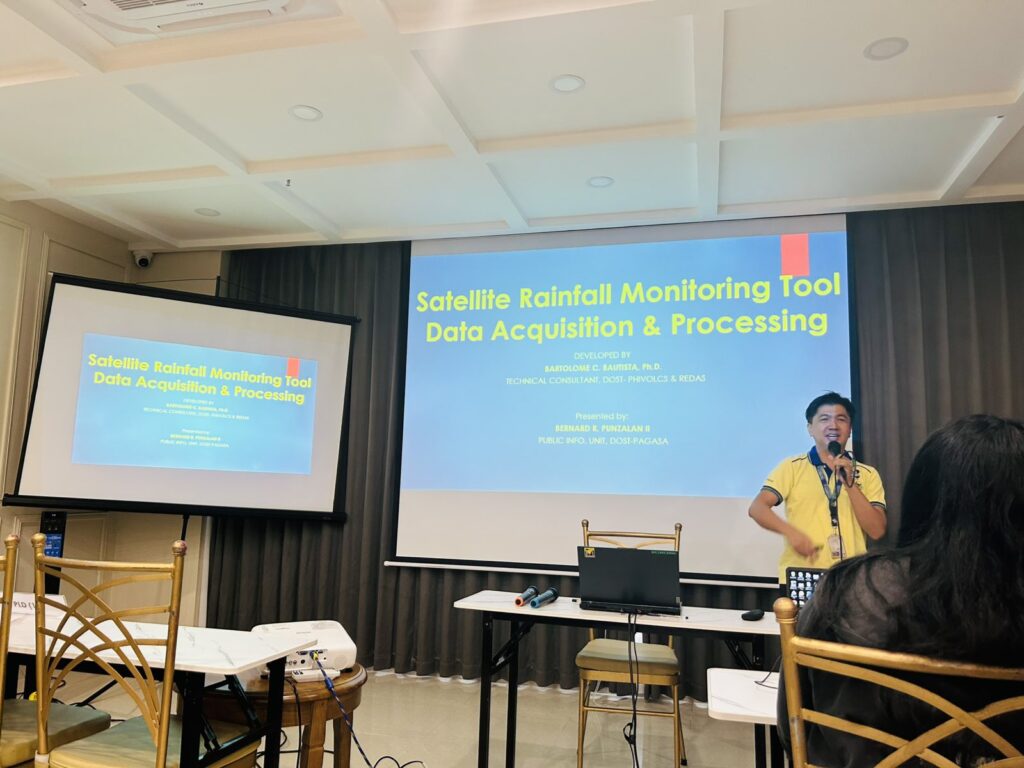
Day 4 expanded to Hydrometeorological Modules, including the Satellite Rainfall Monitor (SRM) and Flood Hazard Assessment Tool (FLoAT), both important tools in addressing climate-related risks and supporting early warning systems; and
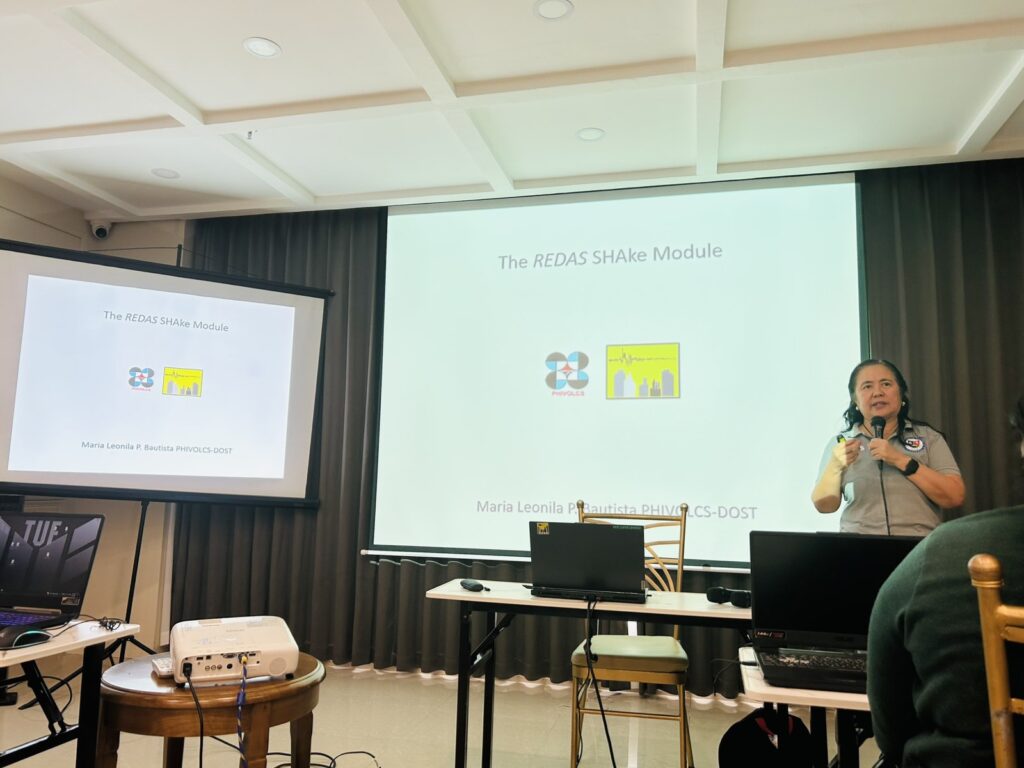
Day 5 culminated with an Impact Assessment Workshop, where trainees used the REDAS SHAke module to estimate damage, casualties, and economic losses for different earthquake scenarios. The exercise underscored the critical link between data-driven governance and disaster-resilient city planning.
The participation of Engr. Julia Flores-Florendo in the REDAS Training underscores the University of Baguio’s strong commitment to building community resilience not only within the institution but across the entire Baguio City community. Recognizing that disaster preparedness is a whole-of-community approach, the university actively engages with government agencies, local stakeholders, and scientific institutions to help ensure that preparedness and risk reduction efforts are inclusive and collaborative.
Through this engagement, UB demonstrates its role as an active partner in fostering a culture of safety, shared responsibility, and proactive risk management, aligning with national and global efforts to achieve sustainable, disaster-resilient cities and communities.
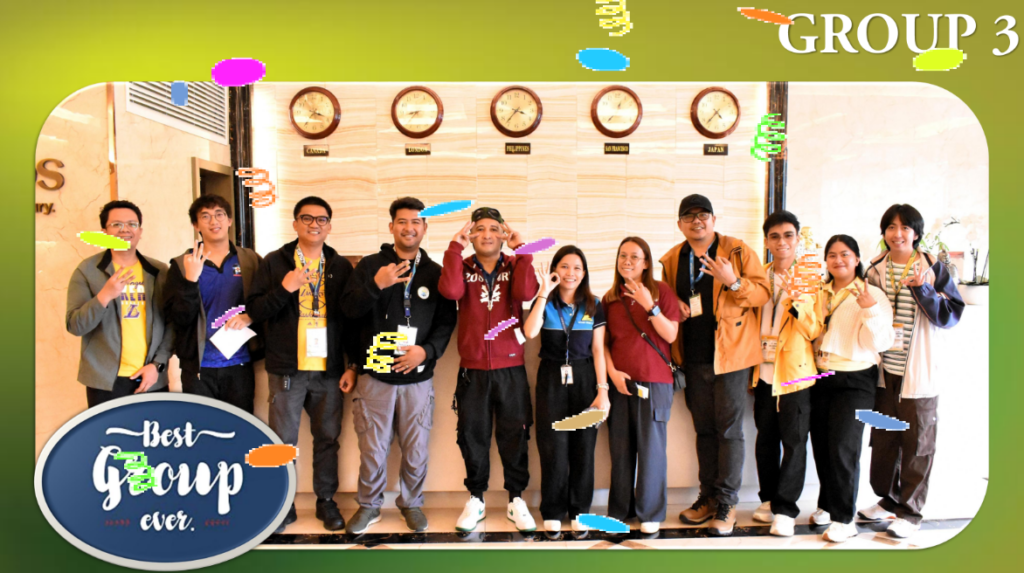
The University of Baguio extends its deep appreciation to the speakers and facilitators of the training, led by Ms. Maria Leonila P. Bautista, Associate Scientist, DOST-PHIVOLCS, and Mr. Bartolome C. Bautista, Technical Consultant, REDAS Software Developer, and Former Deputy Director, DOST-PHIVOLCS. Their expertise and dedication, along with the support of the REDAS Team Baguio, greatly contributed to enhancing the participants’ understanding of multi-hazard assessment, risk data management, and disaster preparedness. Their guidance exemplifies the importance of science-based capacity building and technical collaboration in strengthening local resilience.
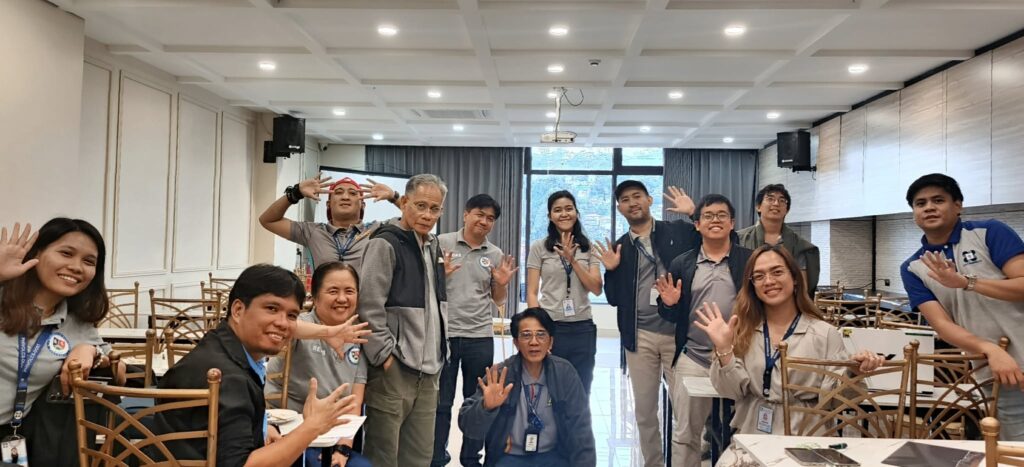
The REDAS Training exemplifies SDG 17: Partnerships for the Goals, fostering collaboration between the academe, local government, and national science agencies. Through this partnership, participants, including Engr. Flores-Florendo, gained not only software proficiency but also the capacity to apply multi-hazard risk assessment tools in real-world governance and development contexts.
By integrating the REDAS system into local and institutional frameworks, the University of Baguio and its partners reaffirm their shared vision for a safer, adaptive, and sustainable Baguio City. Such initiatives align with the nation’s efforts toward climate resilience, urban sustainability, and inclusive disaster risk management ensuring that no one is left behind when disasters strike.
In alignment with the Sustainable Development Goals (SDGs), particularly SDG 11: Sustainable Cities and Communities: By enhancing the University of Baguio’s capacity—alongside local government units and DOST–PHIVOLCS—to use science-based tools for disaster risk reduction and city planning, the training strengthens Baguio’s ability to respond to and recover from earthquakes, floods, and other natural hazards. The activity also supports Target 11.5, which aims to reduce the number of people affected by disasters and minimize direct economic losses through improved planning and resilience-building strategies.
And SDG 13: Climate Action, as the program reinforces climate adaptation and mitigation efforts through hydrometeorological risk assessments, flood hazard mapping, and early warning systems. These tools are essential for developing local strategies to address climate-induced hazards such as heavy rainfall, flooding, and landslides.
By training planners, engineers, and disaster managers in data-driven approaches to risk management, the initiative promotes Target 13.1—strengthening resilience and adaptive capacity to climate-related disasters.
It also contributes to Target 13.3, which emphasizes improving institutional and human capacity on climate change mitigation, adaptation, and early warning systems.
The University of Baguio, through its Risk Management Office (RMO), continues to strengthen its commitment to disaster preparedness, risk reduction, and resilient community building.