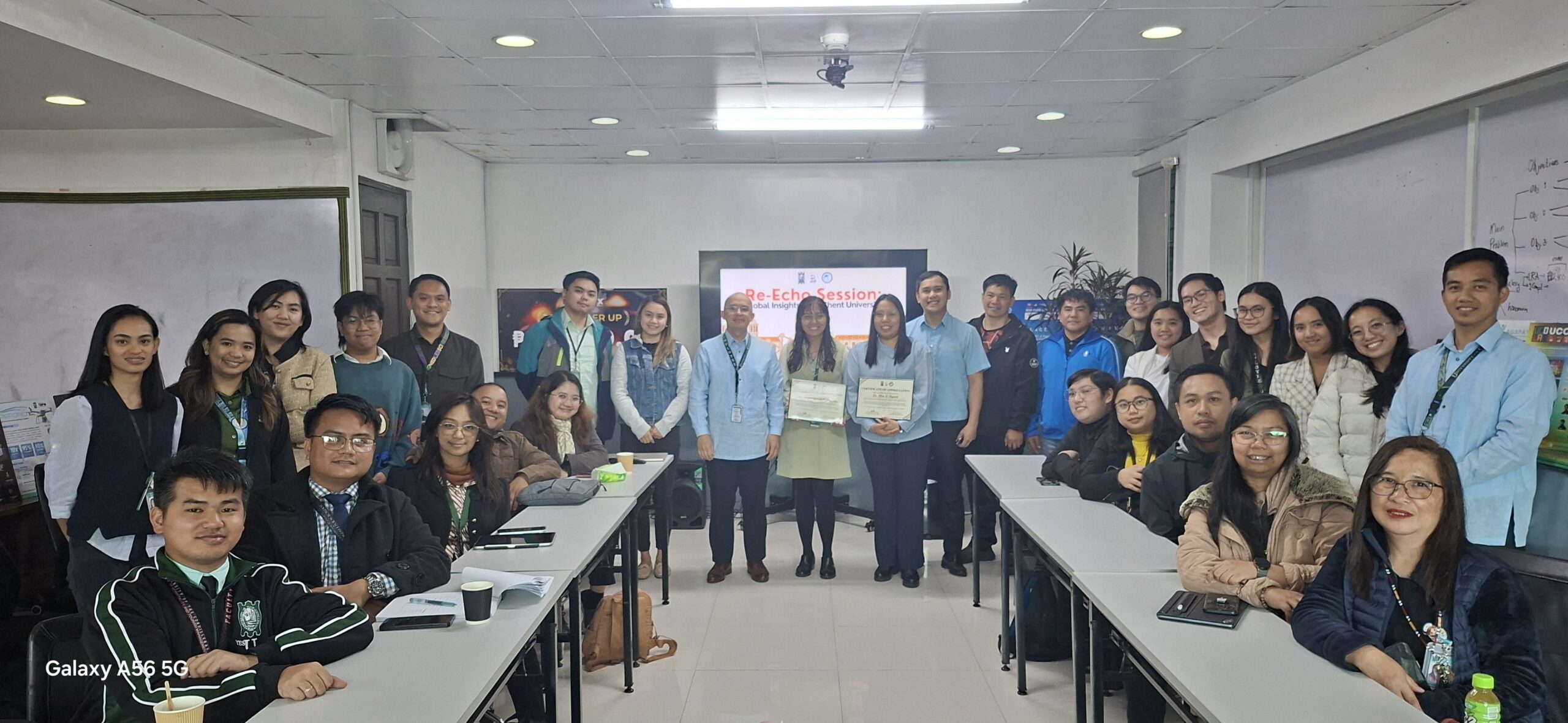

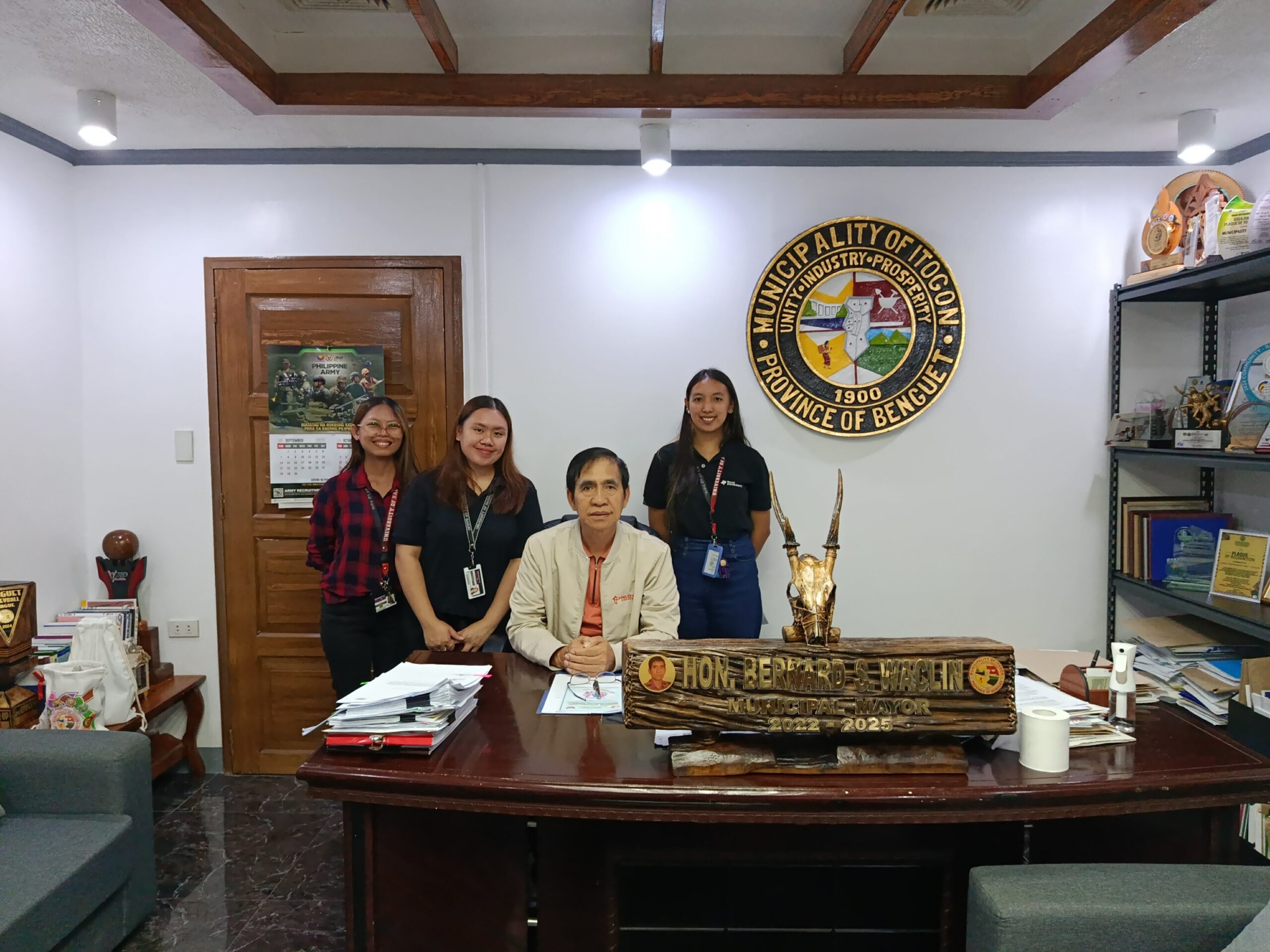
Written by: Denise Bayawa, JeepLink Project Manager
JeepLink originated from an academic requirement under the University of Baguio School of Information Technology in the Bachelor of Science in Computer Science program. In August 2024, one of the core subjects challenged students to design solutions that address real-world problems. This requirement encouraged critical thinking and innovation beyond theoretical learning, pushing students to develop ideas with practical and social relevance.
One of the students, Denise Bayawa, reflected on her personal experience as a commuter in Itogon, Benguet. She observed persistent problems in the local jeepney system, including long waiting times, the absence of reliable schedules, and poor communication between drivers and passengers. These firsthand experiences inspired the initial concept of JeepLink, with the goal of contributing to more accessible and efficient public transportation. From the outset, the idea aligned with several Sustainable Development Goals of the United Nations, particularly SDG 11, Sustainable Cities and Communities, by improving local mobility; SDG 9, Industry, Innovation, and Infrastructure, through the use of digital solutions; and SDG 10, Reduced Inequalities, by addressing transportation challenges faced by everyday commuters.
After identifying the problem, the group proposed a solution and designed the key features of the system. JeepLink was envisioned as a smart transportation platform offering functions such as jeepney reservation and GPS tracking, enabling commuters to monitor vehicle locations in real time. These features aimed to enhance efficiency, transparency, and convenience for both passengers and drivers.
In October 2024, a competition titled Philippine Start-up Challenge 9, organized by the Department of Information and Communications Technology, provided the team composed of Denise Bayawa, Shane Robiego, and Warren Llave with an opportunity to test their idea. The group joined the competition with JeepLink. Although the project did not qualify for the finals, the experience proved valuable, as it helped refine the concept and identify areas for improvement.
By January 2025, when the time came to select a thesis topic, the group composed of Denise Bayawa, Aira Carillo, Jan Vincent Llave, and Shane Robiego formally chose JeepLink. To justify the study, they conducted interviews with local commuters and stakeholders. The findings confirmed that commuting issues were widespread, further validating the relevance of the proposed system. Based on the feedback, additional features were incorporated, including petitions and reporting tools that allowed users to voice concerns and submit feedback.
During the first semester, the group focused on completing Chapters 1 to 3 of the thesis, which involved extensive interviews, research, and multiple revisions. Despite the challenges, the team successfully completed these chapters through persistence, cooperation, and shared responsibility.
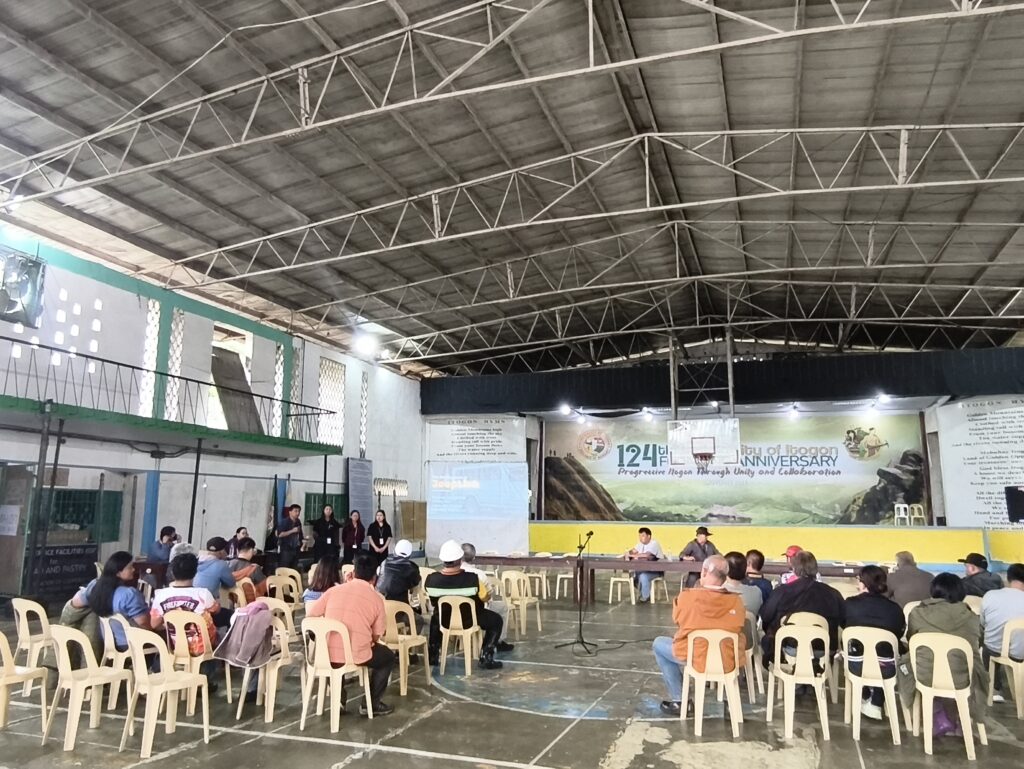
In June 2025, during the second semester, challenges intensified as system programming began. Difficulties emerged in scheduling, communication, and team dynamics. Although interviews were conducted during academic breaks, balancing documentation and system development remained demanding. Misunderstandings in technical terminology led to confusion, and some members hesitated to speak due to fear of being judged. Recognizing these concerns, the group leader initiated changes to improve communication and teamwork. With the guidance of their technical adviser, Dr. Ellen M. Halover, the team remained united and ultimately passed the final defense.
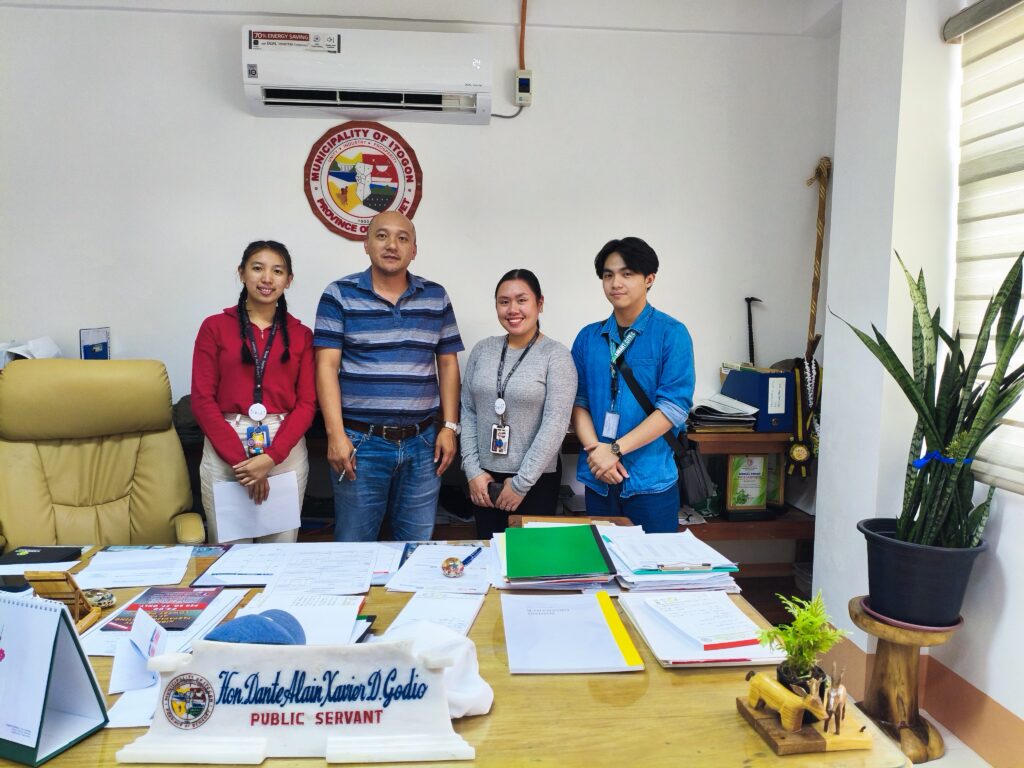
JeepLink with Hon. Dante Godio, Vice Mayor of ItogonFollowing the defense, revisions continued, and despite the numerous challenges encountered throughout the journey, JeepLink was successfully turned over to the Municipality of Itogon in February 2026. The project received recognition from both the local government and the academic department. More than just a system, JeepLink became a testament to perseverance, collaboration, and purpose-driven innovation. It demonstrated that meaningful solutions are not defined by a smooth journey, but by the determination to move forward despite setbacks. As a pioneering system addressing jeepney commuting challenges in the locality, JeepLink stands as a reminder that real change begins when students choose to listen, understand, and act on the needs of their community.