
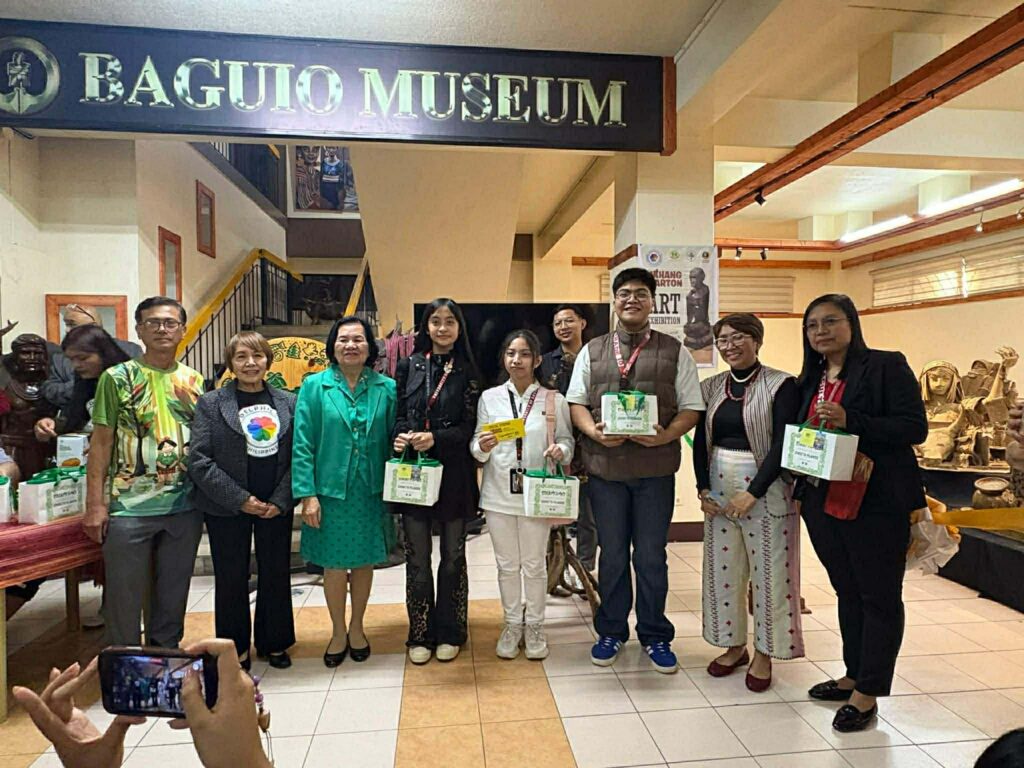
Students from Baguio City transformed ordinary cardboard into breathtaking three-dimensional sculptures that celebrated the theme Indigenous Culture of the Cordilleras during the Likhang Karton: Sculptural Art and Recycling Contest. Hosted by Delphic Philippines at the Baguio Museum, the event featured 17 creative entries from various schools across the city. More than just an art competition, the exhibit became a powerful showcase of cultural pride, youthful creativity, and environmental responsibility—proving that discarded materials can be reborn as meaningful works of art.
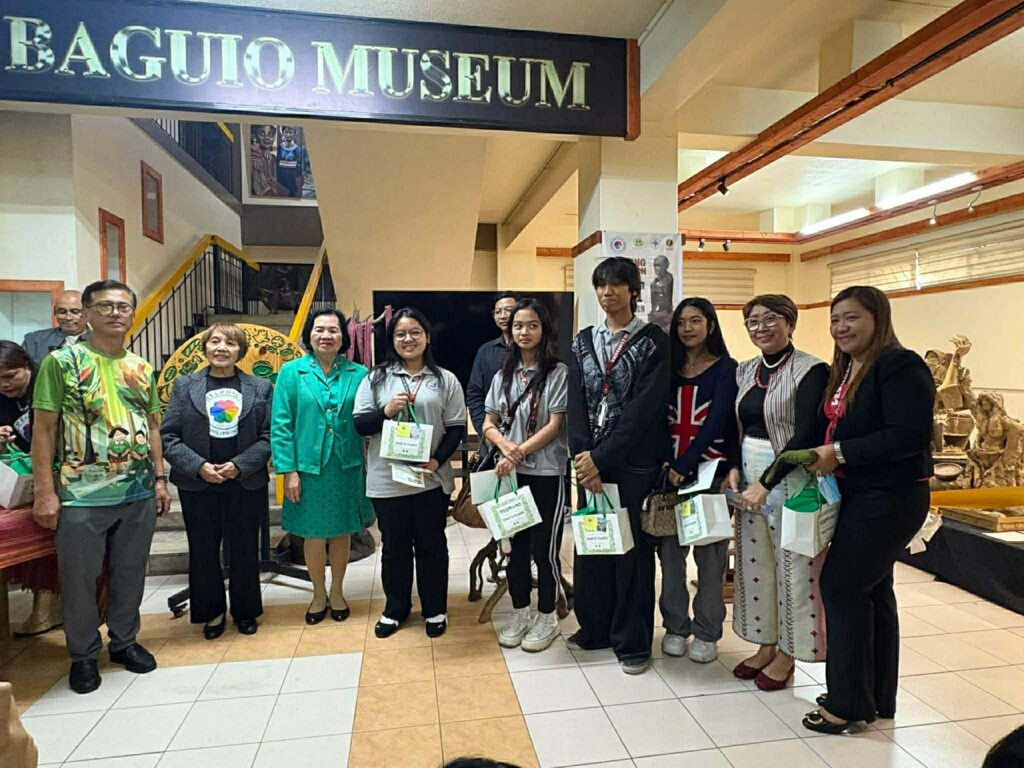
Among the participants, four remarkable entries at the Likhang Karton Art Contest from the University of Baguio High School stood out for their depth, craftsmanship, and strong connection to Cordilleran heritage.
Remarkable Student Entries at Likhang Karton 2026
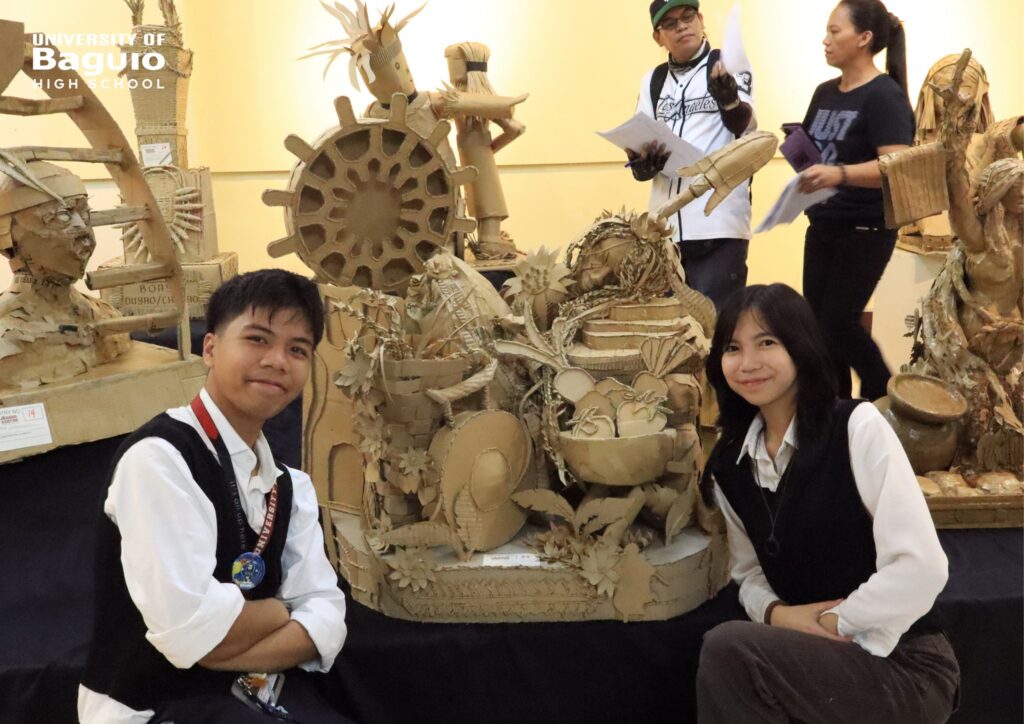
Pusan di I-Cordillera (Heart of the Cordillera), created by Grade 11 students Gillian Macey F. Abarabar, Yeshua Bert B. Cabahug, Shergwen Yuan, Rich T. Podill, and Grade 10 student Angela Sophea T. Lacson, offered a vivid tribute to the highlands. The sculpture portrayed sunlit mountains, iconic rice terraces, and traditional symbols intricately crafted from layered cardboard. Through careful detailing and thoughtful composition, the piece captured the warmth, resilience, and vibrant spirit of the Cordilleran people. It served not only as a visual masterpiece but also as a heartfelt homage to the land that continues to shape the identity of its communities.
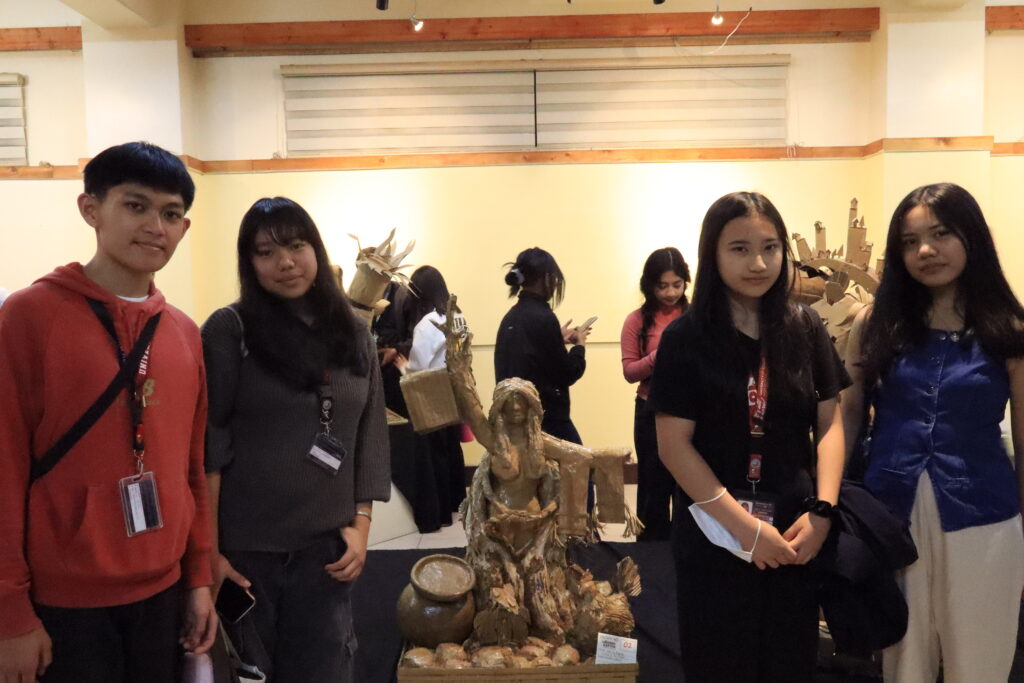
Echoing this reverence for nature and ancestry was Ina’n di Muyung (Mother of the Forest), created by Junior High School students Marrone T. Delica, Jireh Vien A. Arinos, Lexis Lae S. Palangyos, and Alyssa D. Tampulay. Inspired by the works of Cordilleran artist Christopher Atiwon, the sculpture paid tribute to the sacred spirits believed to dwell within the forests of the region. The piece featured lingling-o earrings symbolizing fertility and interconnectedness, linuhhung textile patterns representing agricultural abundance, and the Bibiyo—a female spirit believed to guard ancestral lands. Through symbolic imagery and textured craftsmanship, the artwork conveyed the deep spiritual bond between the Cordilleran people and the natural world.
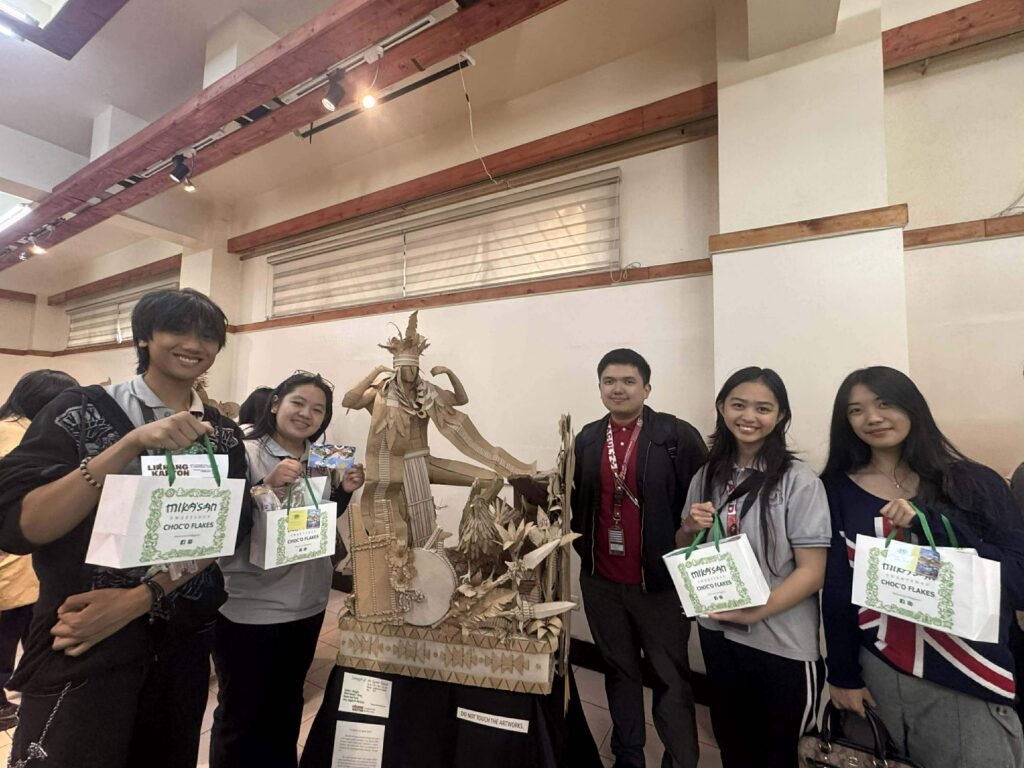
In another compelling interpretation of cultural pride, Strength of the Igorot Spirit earned a Consolation Prize for its striking portrayal of resilience. Crafted by Senior High School students Lyahna L. Angngiw, Sheica Darcee C. Biang, Rianne Jane David, and Jairus Angelo M. Abulencia, the sculpture drew inspiration from the majestic Banaue Rice Terraces. Using recycled cardboard and papier-mâché, the students formed intricate feathers and human figures that symbolized courage, unity, and perseverance. The careful layering and sculpting demonstrated not only artistic skill but also a commitment to sustainability—showing how recycled materials can be transformed into powerful narratives of identity and strength.
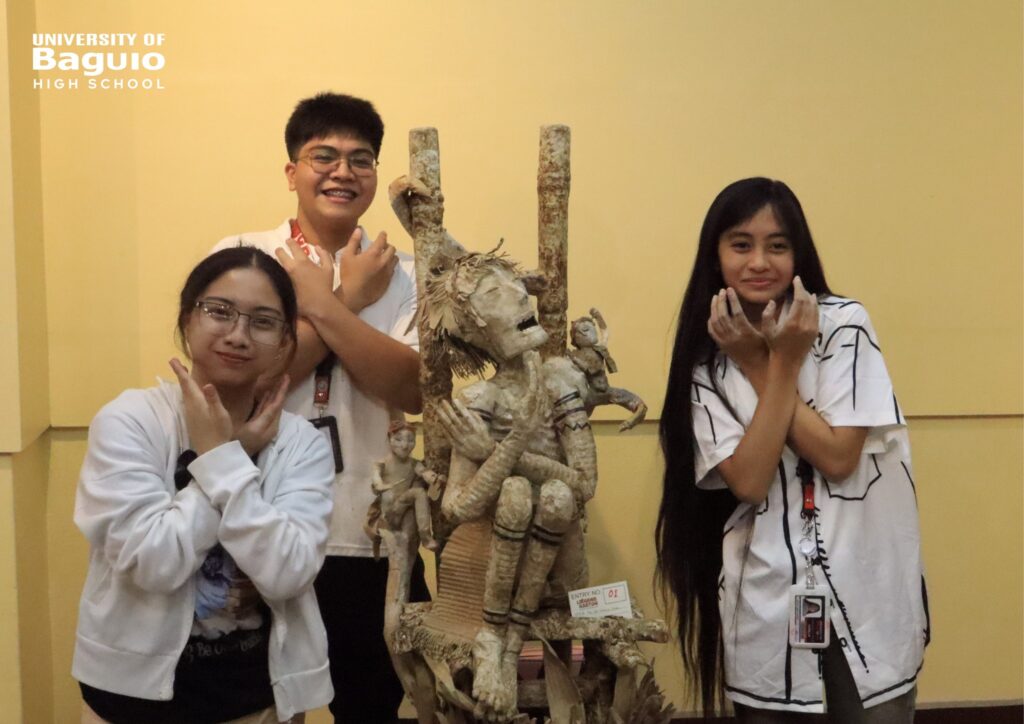
Completing the collection was The Fire Mummies’ Throne, recipient of a Special Citation Prize. Created by Junior High School students Allyssa Marie C. Bencila, Lisha Elielle C. Casilla, and Joshua Benedict L. Rojo, the sculpture explored the sacred Ibaloi fire mummification ritual practiced in parts of the Cordilleras. The piece symbolized a return to the womb and paid tribute to centuries-old funerary traditions that honor the dead with dignity and reverence. Through carefully constructed forms and symbolic elements, the students respectfully interpreted a significant cultural practice, encouraging viewers to appreciate and preserve indigenous knowledge and heritage.
Collectively, the four entries reflected more than technical excellence. They embodied a profound appreciation for Cordilleran history, spirituality, and cultural legacy. Each sculpture told a story—of land, ancestors, resilience, and identity—reminding viewers that culture lives on when it is remembered, reimagined, and celebrated by the younger generation.
Beyond artistic expression, Likhang Karton also carried a strong environmental message. The competition emphasized the transformative potential of waste materials, demonstrating how creativity can give new life to discarded cardboard. According to Art Tibaldo, Vice President of Delphic Philippines, the initiative contributes to the circular economy by promoting the reuse of materials, reducing waste, and assigning new value to items that would otherwise be thrown away. In doing so, the contest not only nurtured artistic talent but also cultivated environmental awareness among students.
The initiative aligns with the principles of the United Nations Sustainable Development Goal 12: Responsible Consumption and Production, reinforcing Baguio City’s long-standing advocacy for sustainability. By merging culture and environmental responsibility, the event illustrated how art can serve as a bridge between heritage preservation and ecological consciousness.
The exhibition officially opened on February 10, 2026, and all 17 entries are on public display at the Baguio Museum until February 28. Through cardboard, creativity, and cultural pride, the students of Baguio City have proven that meaningful art does not require expensive materials—only imagination, purpose, and a deep respect for one’s roots.
Written by: Ms. Jamby Baldago and Ms. Rochelle Domingo- UBHS Faculty