
Written by Rachel Grace A. Liclican
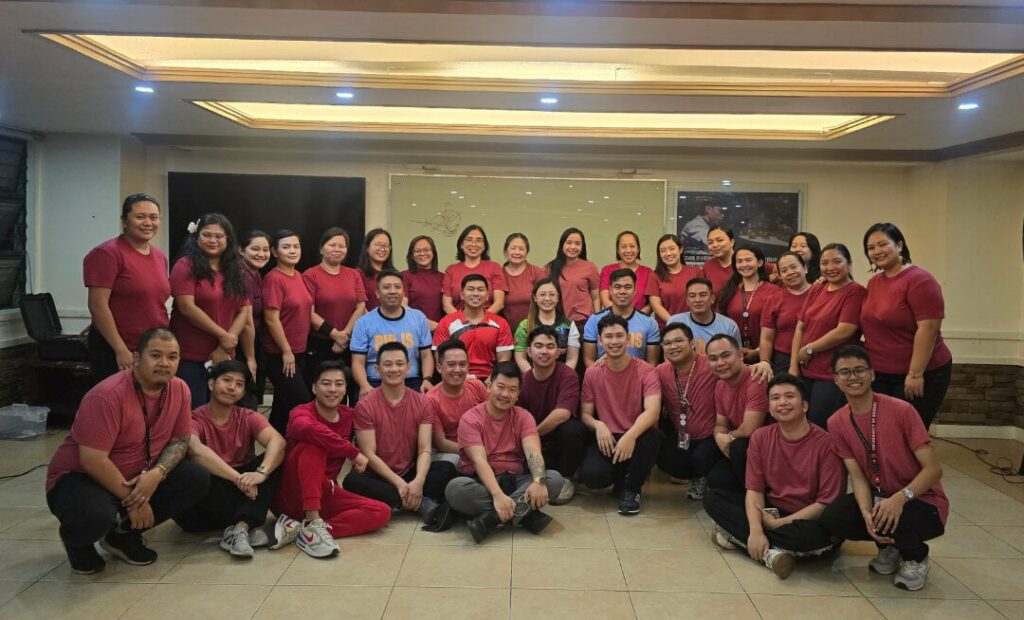
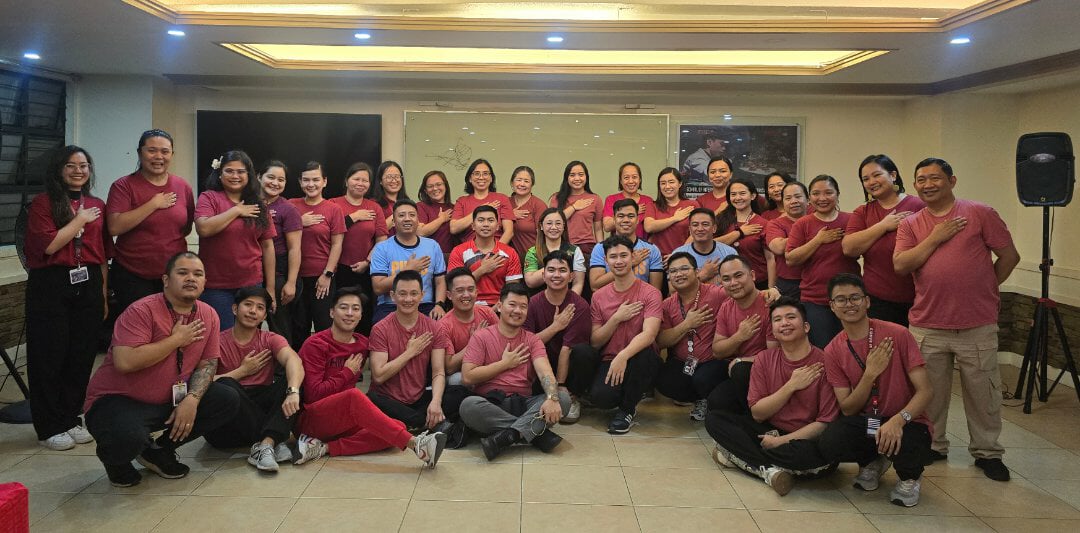
In line with its commitment to the health and safety of its academic community, the University of Baguio – School of International Hospitality and Tourism Management (UB-SIHTM) conducted a Basic Life Support (BLS) Training with Certification for its 30 faculty and staff on October 18, 2025, at the Cafe Fernando, University of Baguio.
In partnership with the Department of Health – Center for Health Development Cordillera Administrative Region (DOH-CHDCAR), the full-day training covered essential topics. Health Program Officer II Mr. Bryan M. Doga-ong conducted the training orientation and discussed the Principles of Emergency Care; PCpl Kirk Leonard A. Agsalda introduced Basic Life Support; PMSg Victor M. Solimen delivered a lecture on Cardio Pulmonary Resuscitation (CPR); PCPT Stephen Roy B. Nifras facilitated the session on Automated External Defibrillator (AED); and Health Program Officer I Ms. Myla D. Balanon highlighted Foreign Body Airway Obstruction (FBAO) Management.
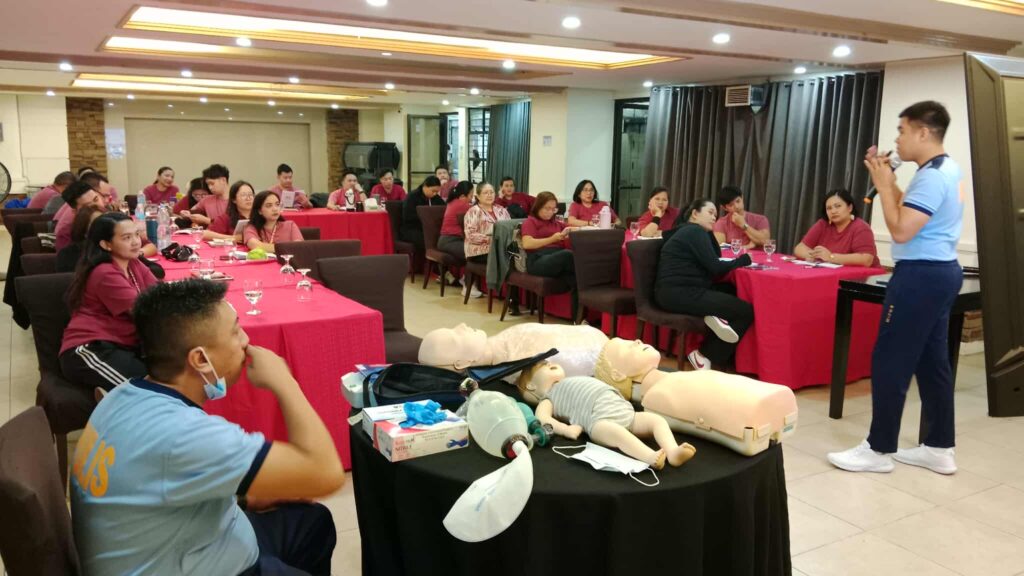
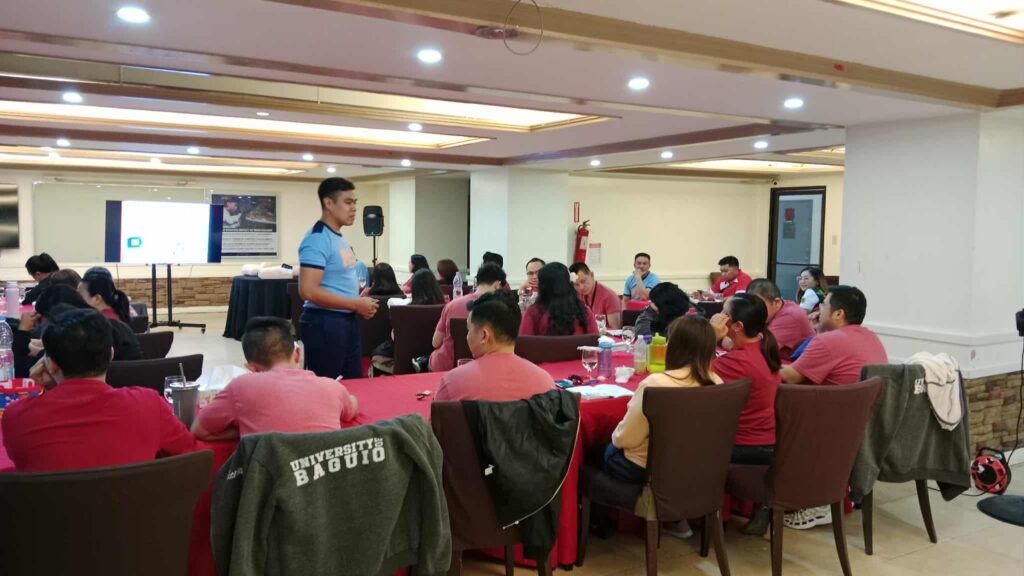
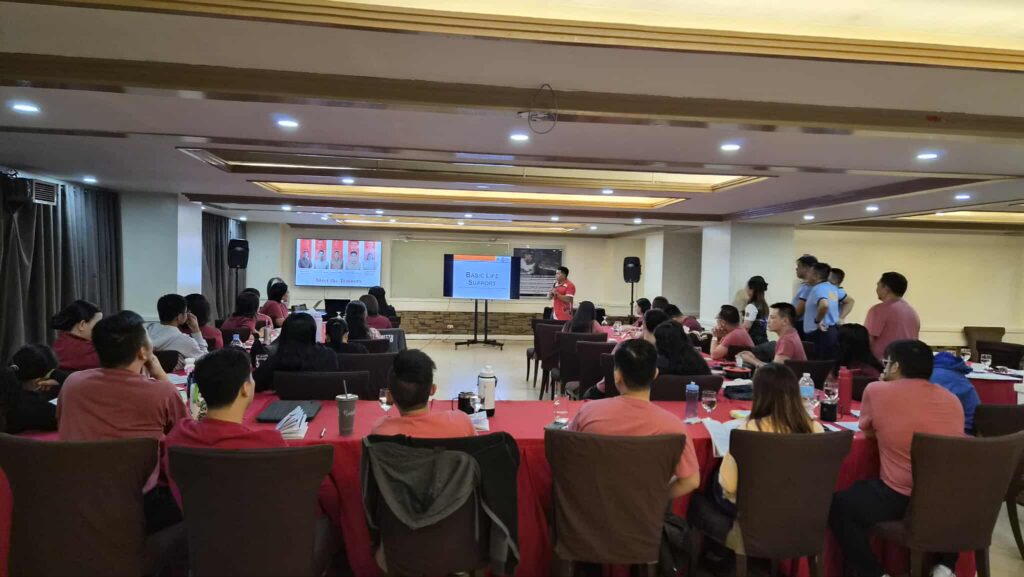
Following the lectures, the facilitators conducted demonstrations of CPR, AED use, and FBAO management for both adults and infants, in which the participants actively observed and participated. The session was concluded with assessment and evaluation, leading to certification.
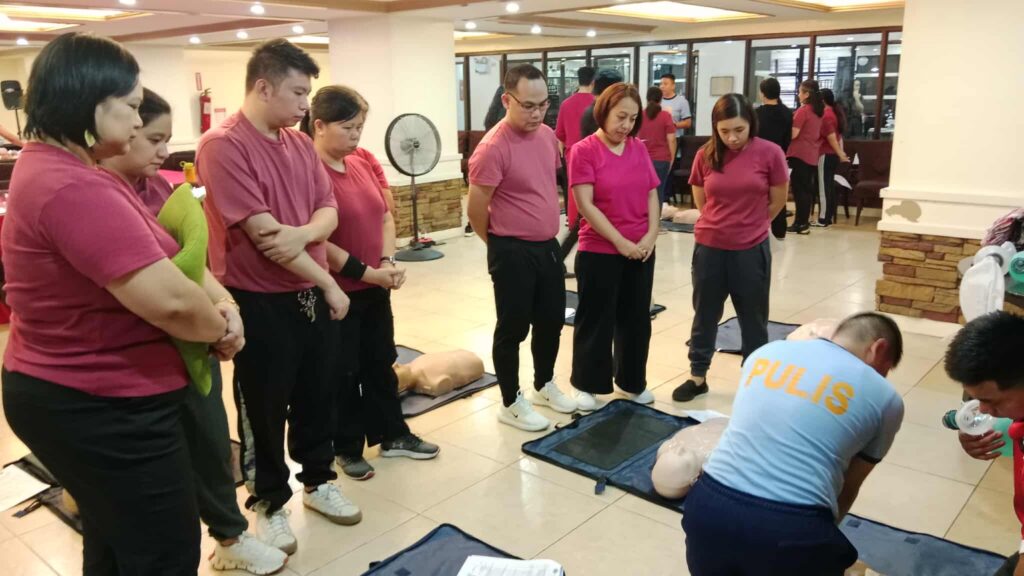
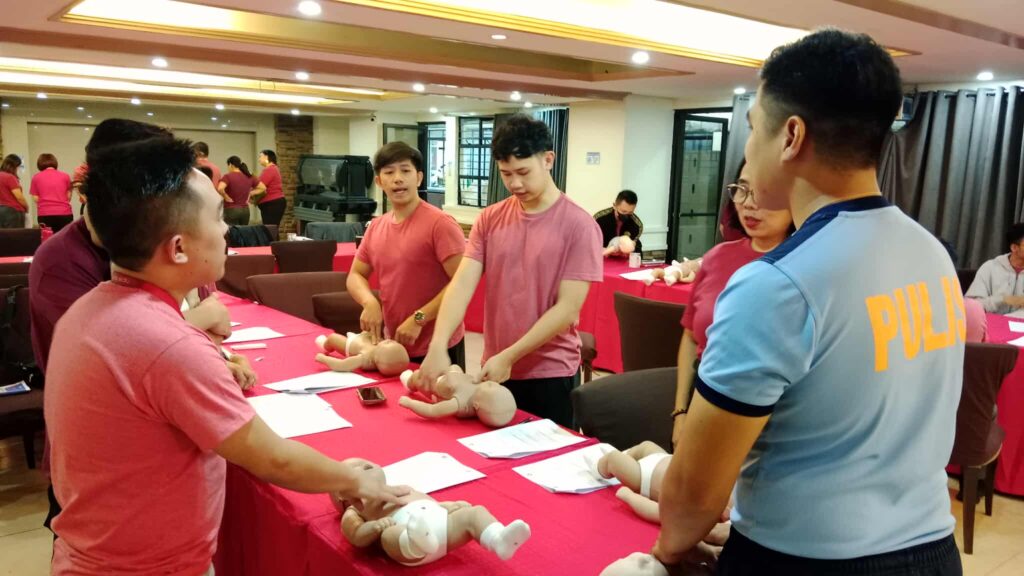
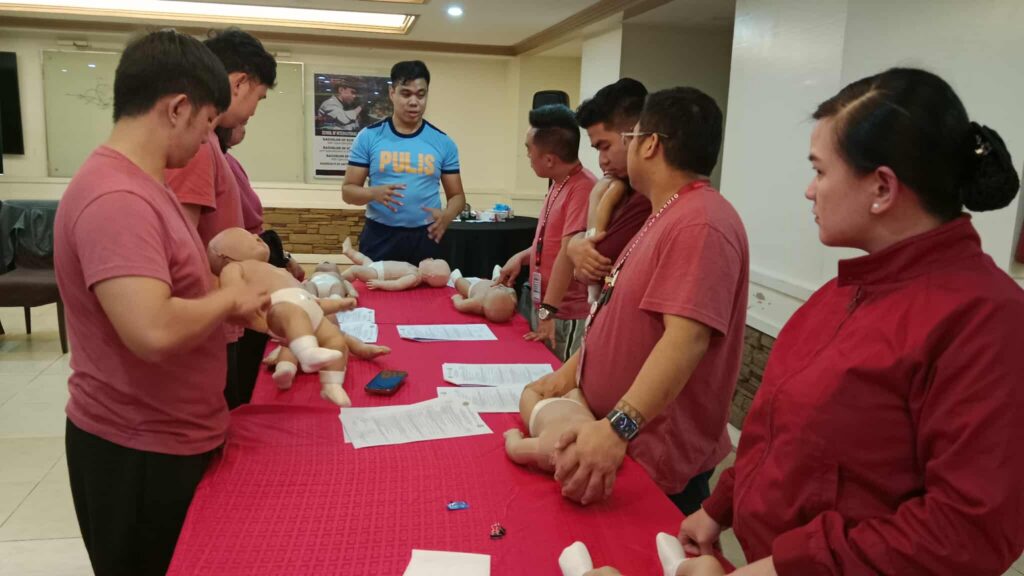
This activity aligns with the United Nations’ Sustainable Development Goal (SDG) 3, as SIHTM faculty and staff are now equipped with life-saving skills to provide prompt medical response during crises or emergencies, thereby protecting health and saving lives.
Moreover, by fostering continuous learning and capacity-building through the integration of essential life skills into the faculty development program, the training supports SDG 4: Quality Education.
Looking ahead, the certification of faculty and staff in BLS enhances safety preparedness and resilience within the campus and its surrounding communities. This contributes to the development of safer, more responsive environments and supports SDG 11: Sustainable Cities and Communities.
The training stands as a testament to the University’s commitment to building a community that champions sustainable programs and addresses global challenges.