
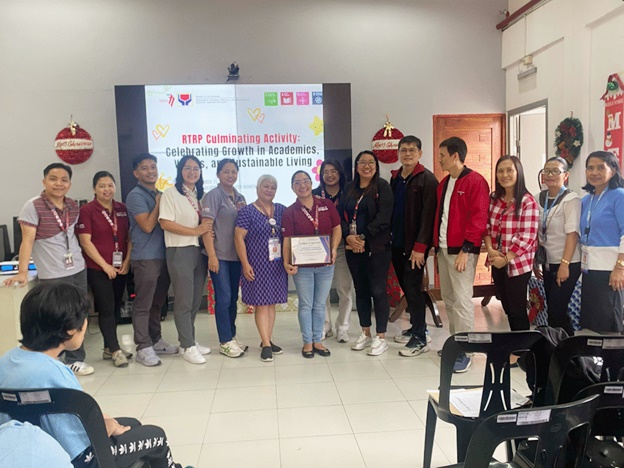
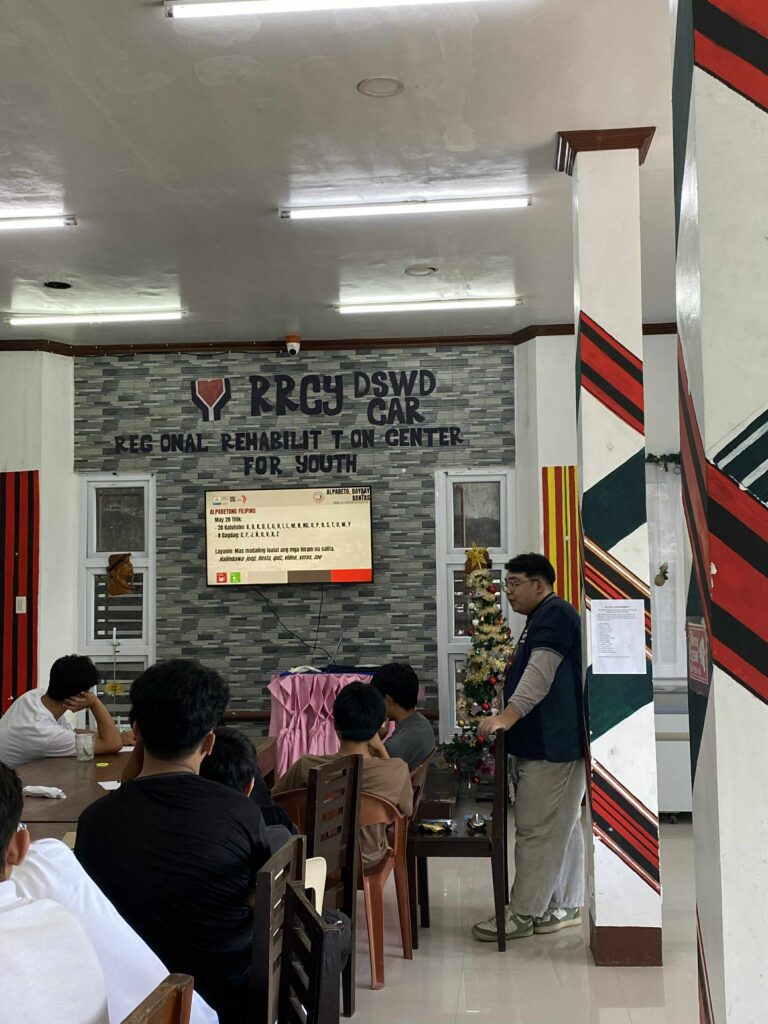
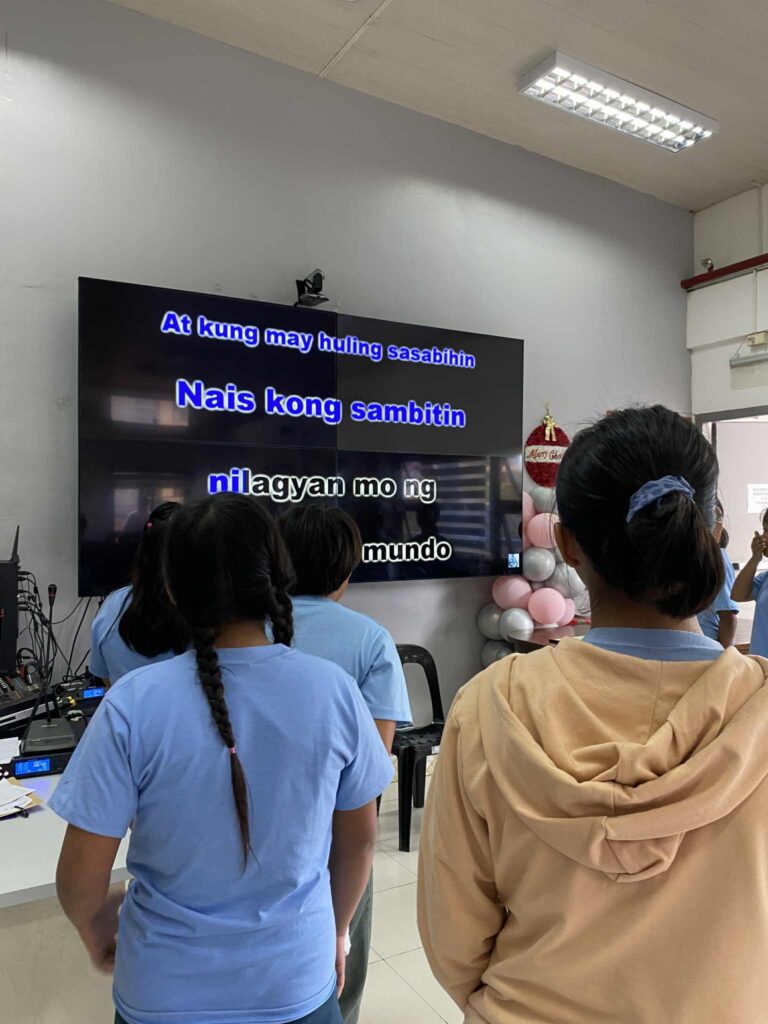
The University of Baguio High School, in collaboration with the Department of Social Welfare and Development–CAR, successfully implemented the Reading and Tutorial Reformation Program (RTRP) from October 15 to November 26, 2025. Held at the Regional Rehabilitation Center for Youth (RRCY) in Sablan, Benguet, and the Regional Haven for Women and Girls in Baguio City, the program delivered a holistic learning experience that combined academic support, values formation, and sustainability education.
Designed for both formal school learners and those enrolled in the Alternative Learning System (ALS), the RTRP aimed to strengthen academic competencies while fostering personal growth and practical life skills. Through weekly face-to-face sessions, the initiative brought accessible, structured, and meaningful learning opportunities to underserved youth.
Academic Support Through Module-Based Tutorials
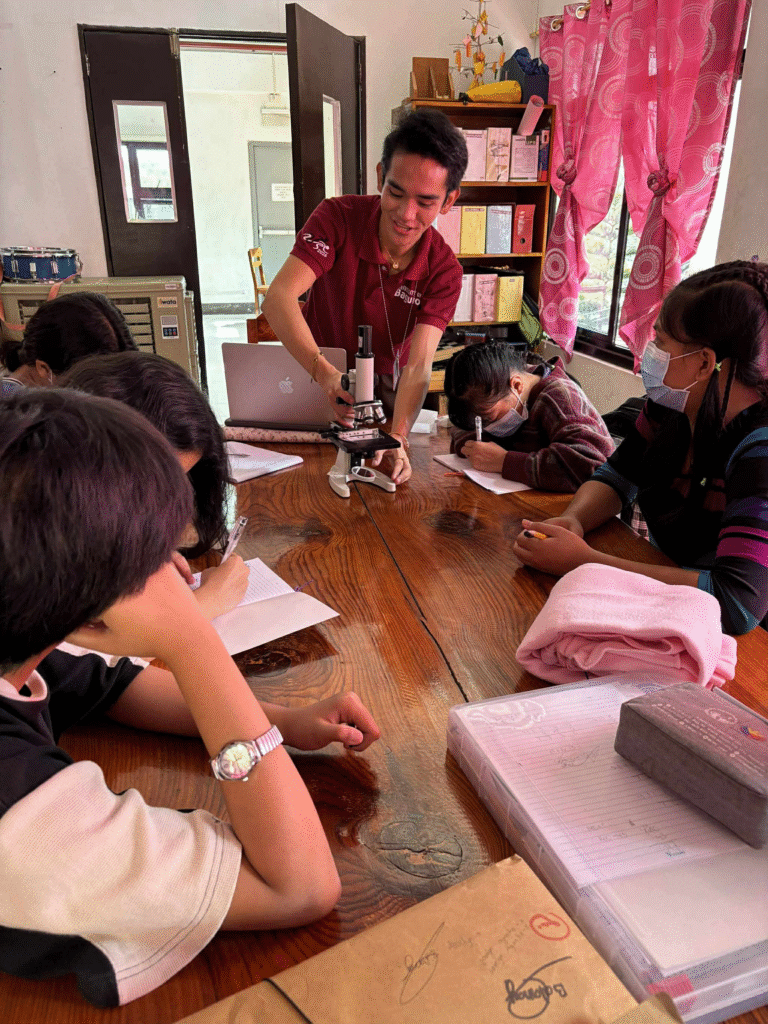
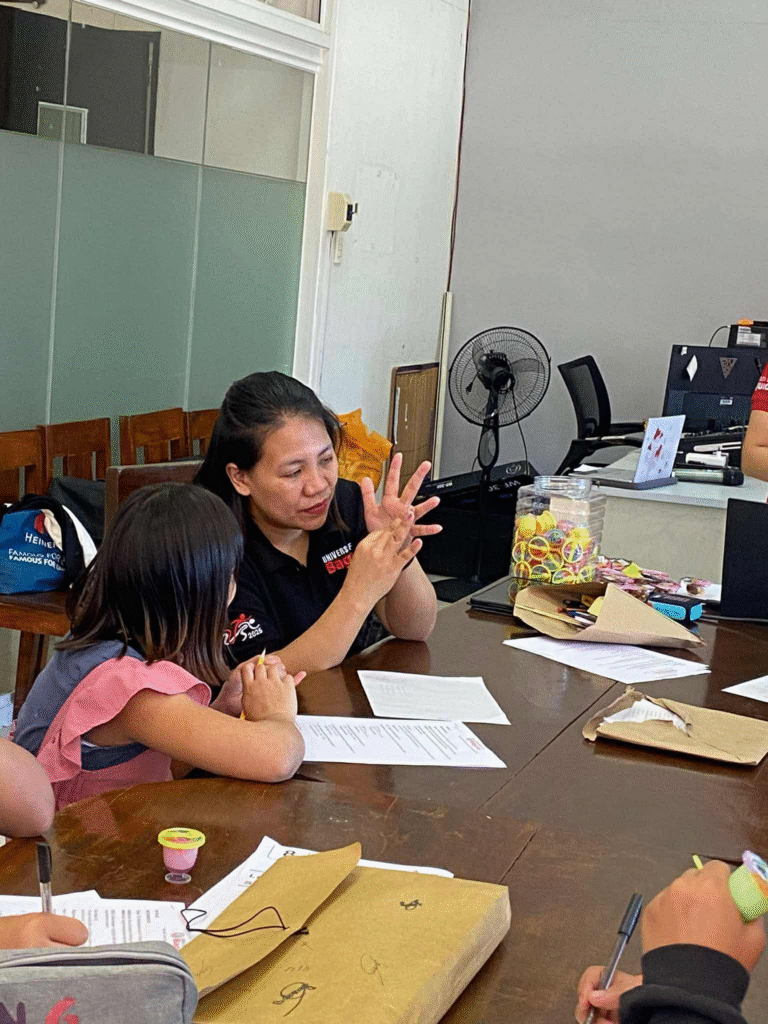
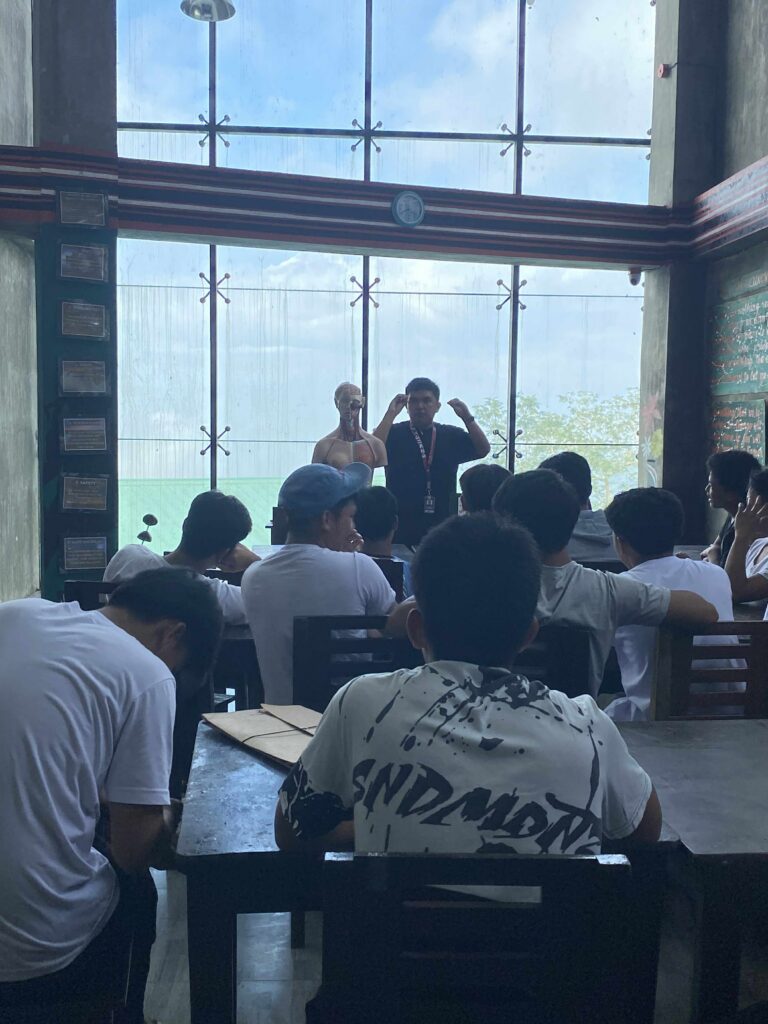
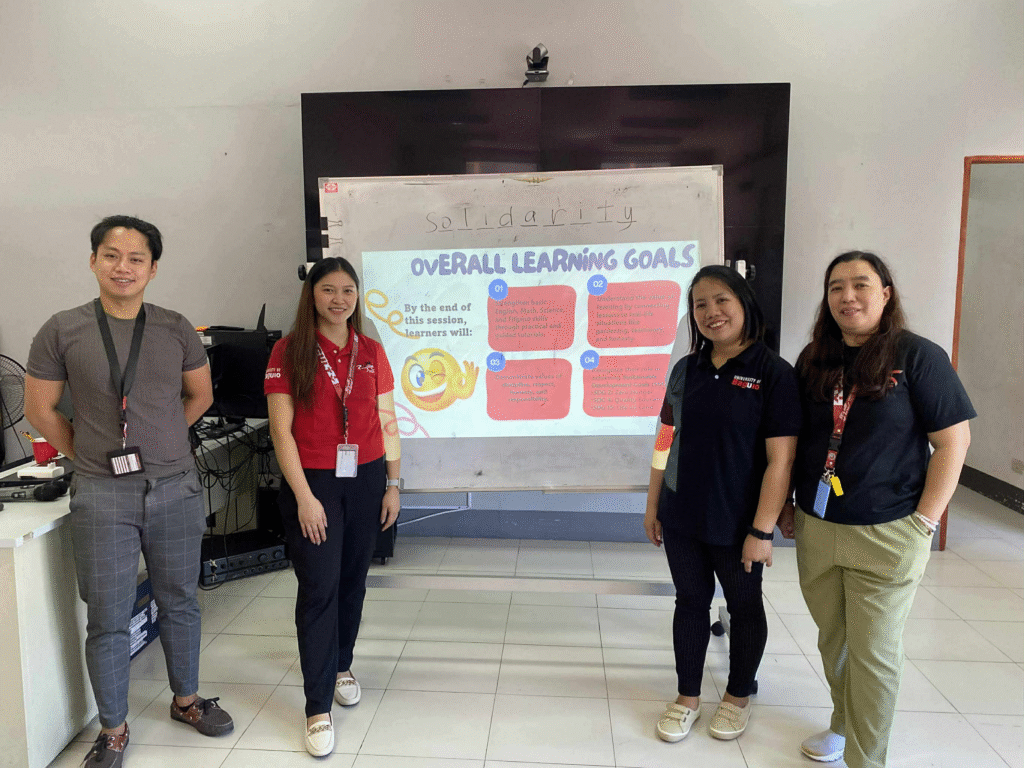
A major component of the RTRP was its module-based tutoring sessions in English, Math, Filipino, and Science. These sessions focused on essential skills such as reading comprehension, writing, numeracy, and basic scientific understanding. Learners benefited from individualized guidance provided by UB faculty teachers and the program’s dedicated support team, who delivered lessons in a clear, engaging, and learner-centered manner.
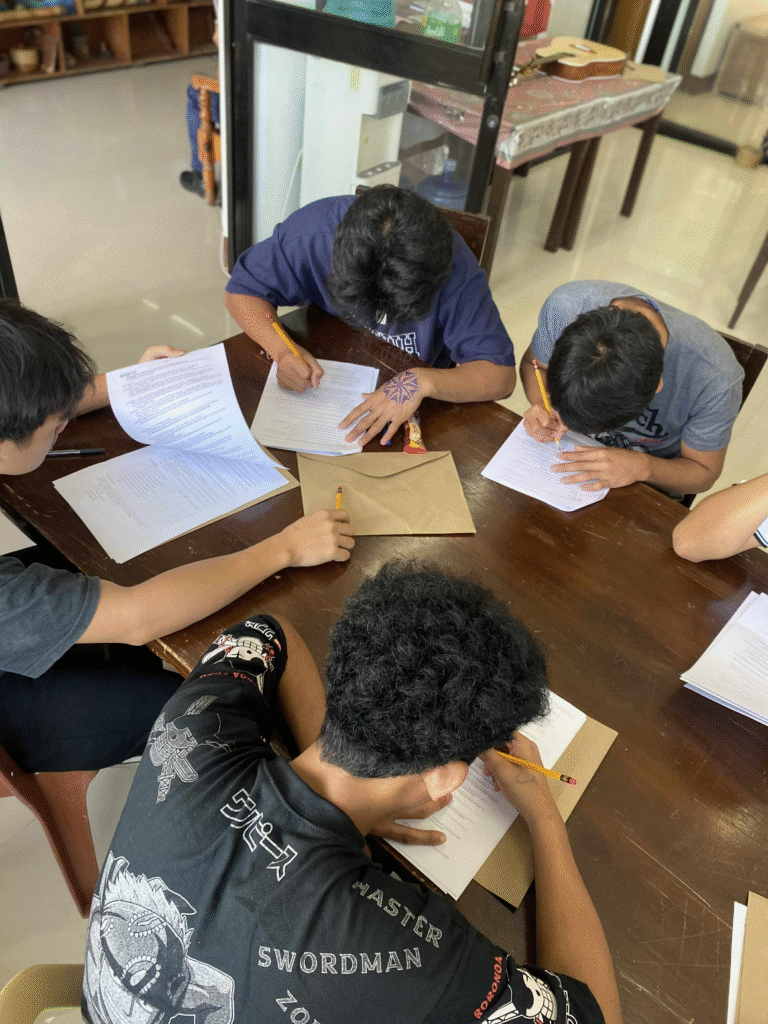
The academic sessions were designed to bridge learning gaps and help students better manage their school and ALS requirements. Many participants gained increased confidence in areas where they previously struggled, showing measurable improvement through weekly assessments and diagnostic tests. This systematic and consistent approach allowed teachers to understand learners’ needs and adjust their methods for maximum impact.
Integrating Values Formation for Personal Development in the RTRP
Beyond academics, a core feature of the program was its values formation component. Lessons focused on responsibility, discipline, respect, integrity, and positive decision-making—values crucial for personal transformation and community reintegration. These topics were discussed through real-life scenarios and reflective activities, allowing learners to connect concepts with their own experiences.
Post-assessment reflection sessions further strengthened the development of these values. Learners were encouraged to express their insights, recognize their strengths, and identify areas for improvement. This process reinforced essential life skills and nurtured a mindset geared toward personal growth and responsible citizenship.
To complement academic and values-based learning, the program incorporated sustainability education, particularly for the learners at RRCY. Urban gardening activities introduced participants to practical agricultural skills such as planting, soil preparation, and basic crop maintenance. These sessions encouraged environmental stewardship, self-reliance, and awareness of food security challenges.
The gardening initiative supports several United Nations Sustainable Development Goals (SDGs). It contributes to SDG 2: Zero Hunger by equipping learners with basic food production skills that promote food security and self-sufficiency. It also advances SDG 3: Good Health and Well-Being, as gardening activities enhance physical movement, mental wellness, and healthy lifestyle habits.
Furthermore, the program aligns with SDG 4: Quality Education by offering experiential, hands-on learning that strengthens life skills beyond the classroom and fosters lifelong learning. Lastly, it supports SDG 15: Life on Land by promoting respect for the environment and responsible use of natural resources, encouraging participants to care for soil, plants, and ecosystems as part of sustainable living practices.
By grounding sustainability in hands-on learning, the program empowered students to apply these principles in their daily lives and communities.
Feedback, Monitoring, and Program Improvements
A key strength of the RTRP was its emphasis on continuous monitoring and evaluation. Diagnostic tests, weekly assessments, and on-site observations helped ensure that lessons remained relevant and responsive to learners’ needs. Participants consistently expressed positive feedback, noting that the sessions were well-prepared, engaging, and clearly delivered.
At RRCY, learners shared meaningful insights about punctuality, topic relevance, and clear learning objectives—all of which will be incorporated into the program’s next cycle. This responsive approach highlights the commitment of both UB and DSWD–CAR to improving the learning experience and maximizing the program’s long-term effectiveness.
Culminating Activity and Future Directions
The RTRP concluded with a culminating activity on December 11, 2025, at the Regional Haven for Women and Girls in Baguio City. During the event, participants from both centers showcased talents, shared testimonies, and expressed their appreciation for the academic support and meaningful experiences gained throughout the program. The event served as a celebration of the learners’ progress and a reflection of the program’s transformative impact.
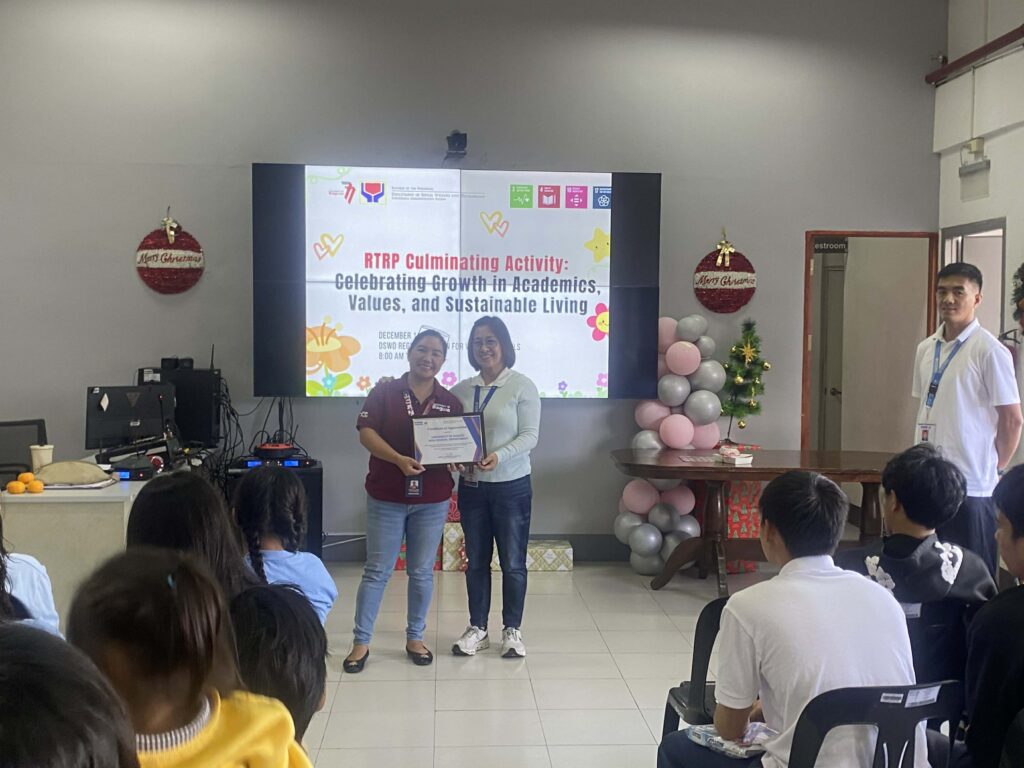
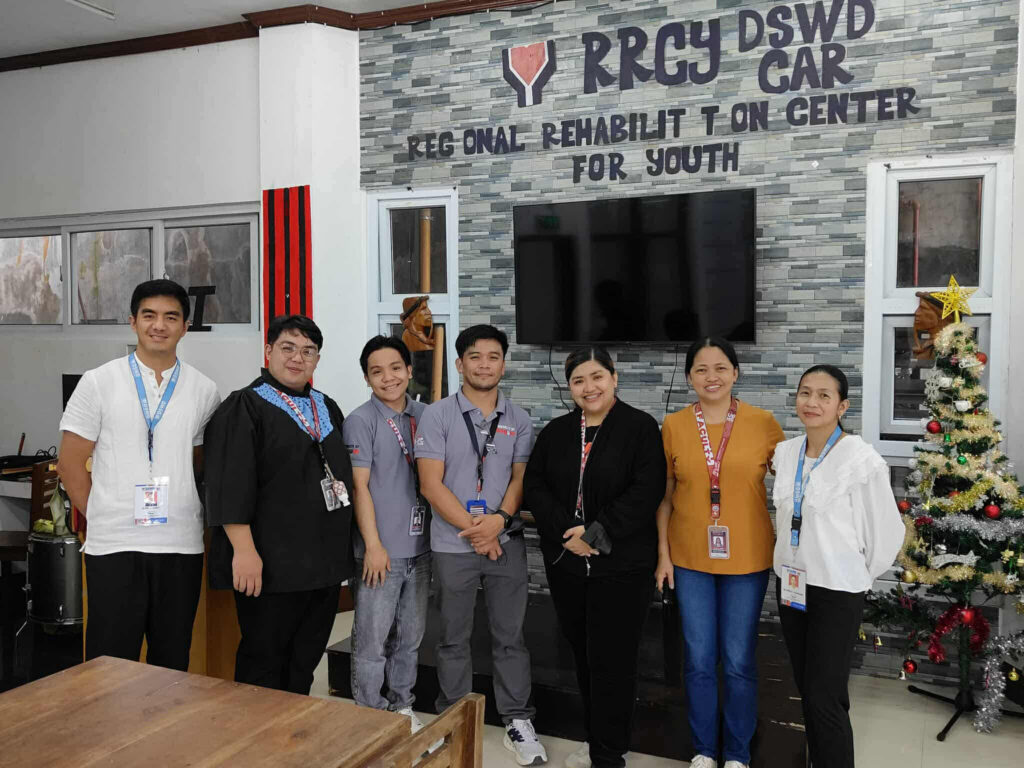
Despite challenges such as scheduling conflicts, transportation concerns, and limited resources, the Reading and Tutorial Reformation Program successfully achieved its objectives. The initiative demonstrated how academic guidance, values education, and sustainability training can work together to enrich the lives of learners in rehabilitation and care facilities.
Plans for enhancing the program in the next semester highlight the ongoing commitment of UB and DSWD–CAR to fostering transformative education and strengthening community partnerships. With continuous innovation and collaboration, the RTRP is poised to create an even more rewarding learning experience in the years to come.
Written by Shaira Jane Ongyod and Daphne Dee Dogcio