
Writeup and photos: Channel Dane Palangdao, BAPS Faculty
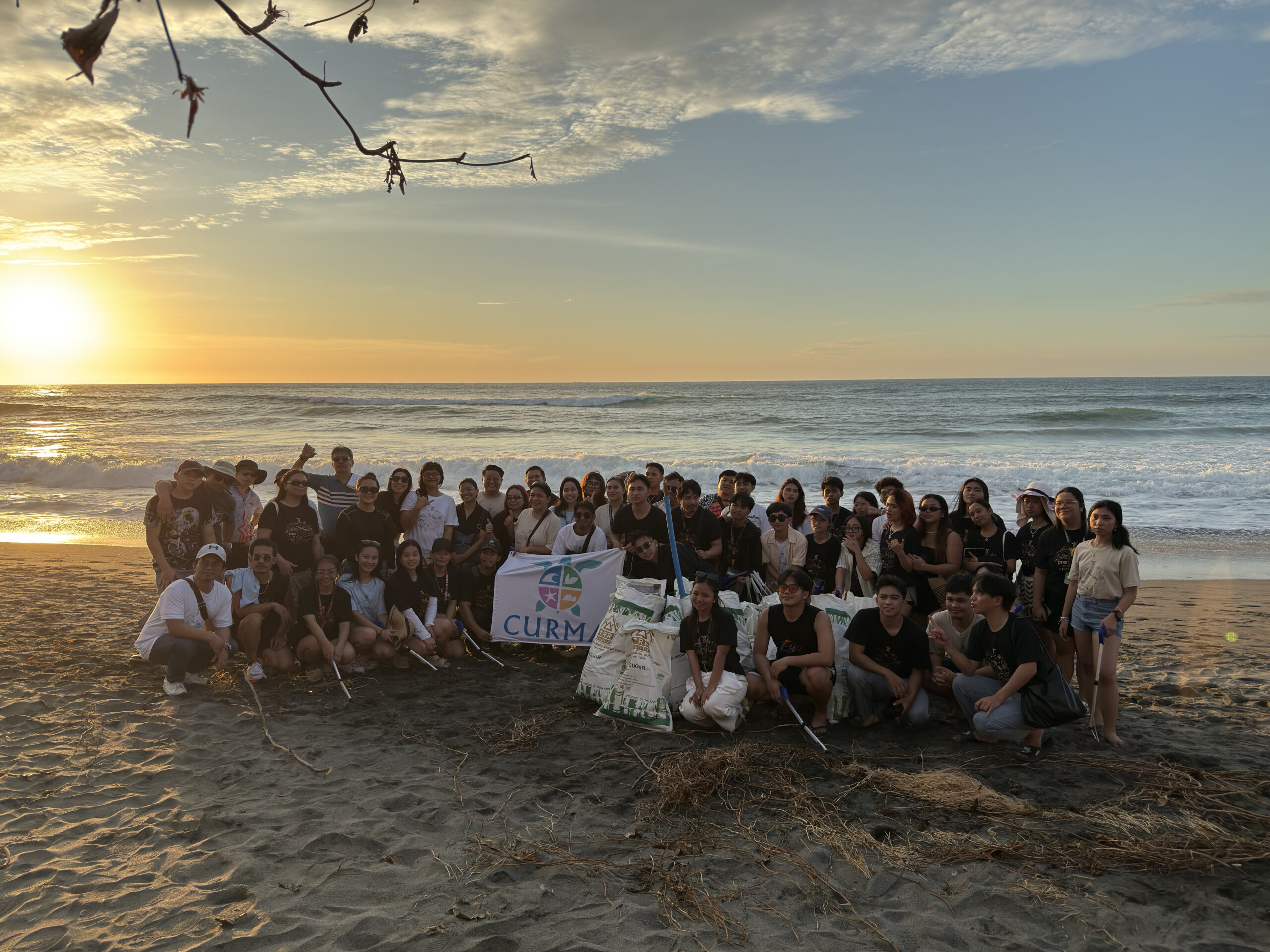
November 20, 2025 – The University of Baguio Political Science Program travelled to San Juan La Union to support the efforts of Project CURMA (Coastal Underwater Resource Management Actions). CURMA is a nongovernment organization that is primarily committed to sea turtle
conservation through rescue and rehabilitation, education and awareness, waste management, and coastal reforestation among others.
Sea Turtle 101: Marine Conservation Lecture
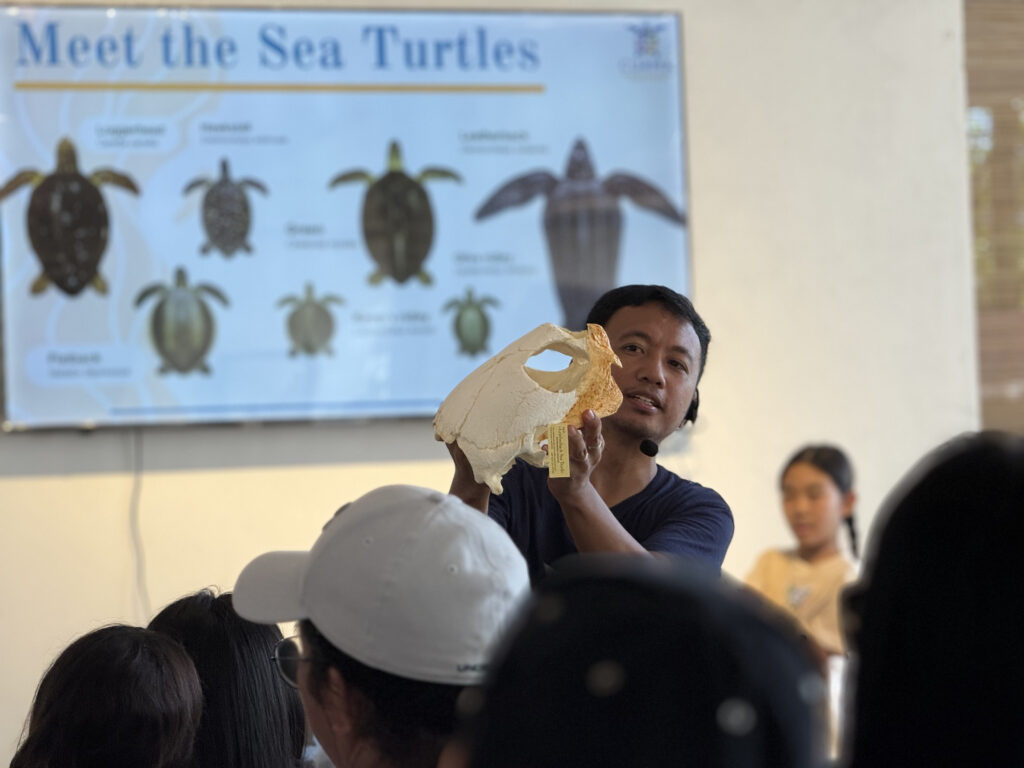
during the Sea Turtle 101 lecture
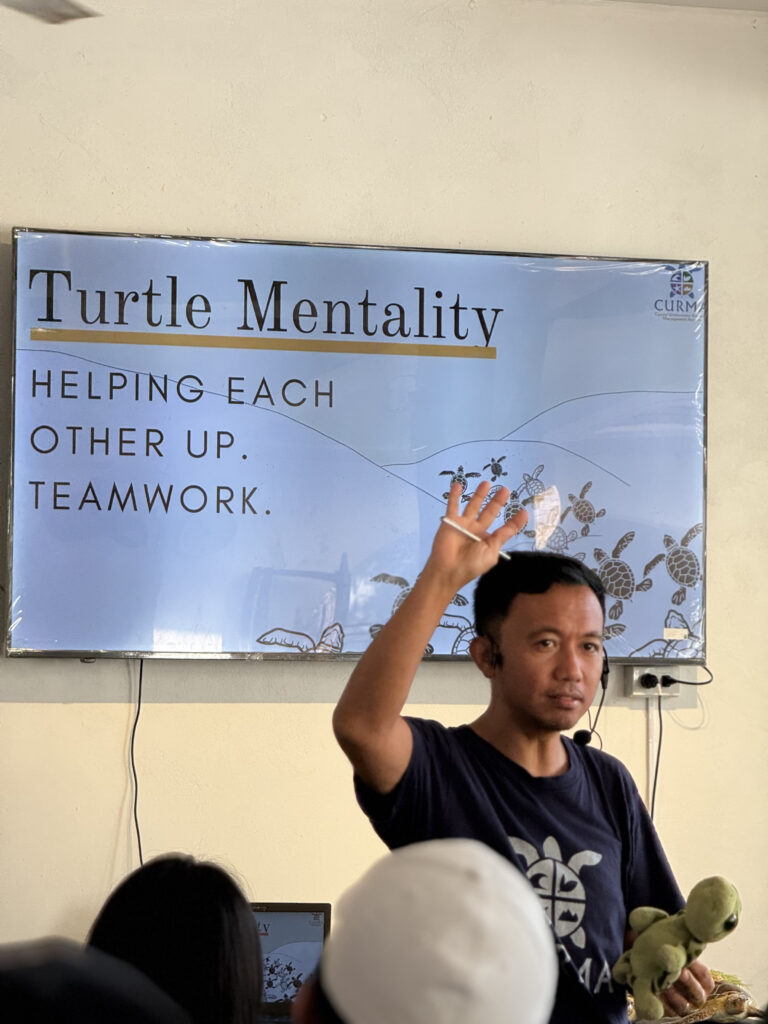
The turtle mentality. To wrap the discussion on how to help save the turtles, Project Curma shared the “turtle mentality”. In a turtle egg nest, the larger turtle eggs lay at the bottom and hatch first. When they hatch first, they create a sound that will strengthen the small eggs and help them hatch as well. The bigger turtles help the smaller turtles reach the top, helping one another, until they walk back to the ocean.
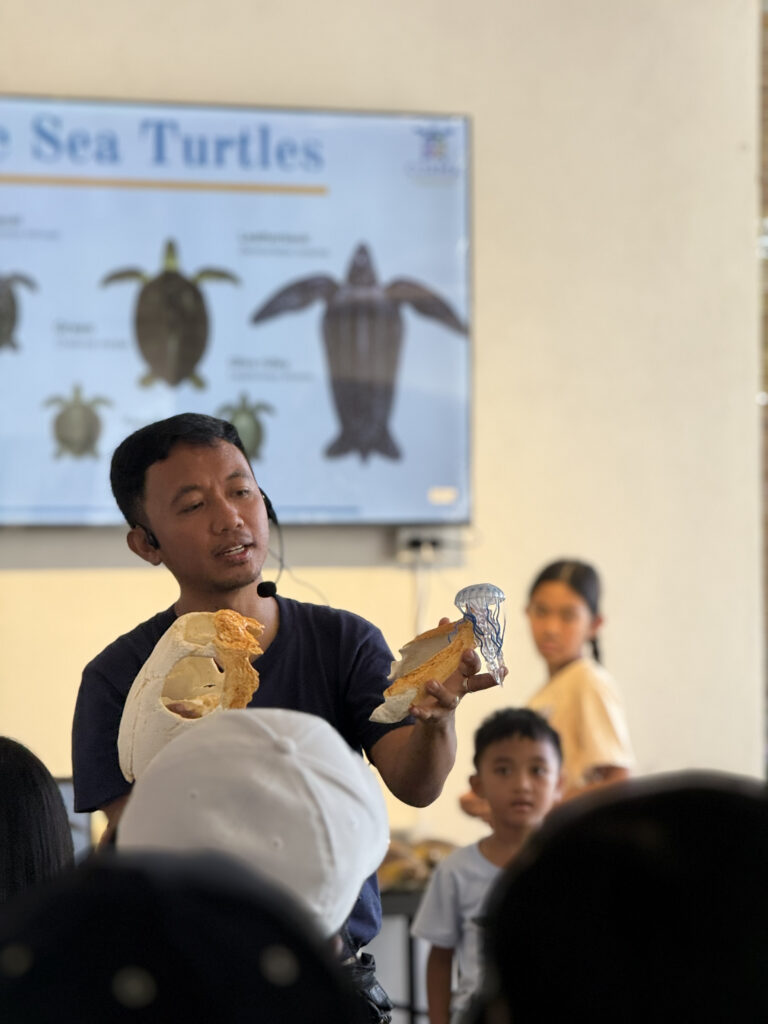
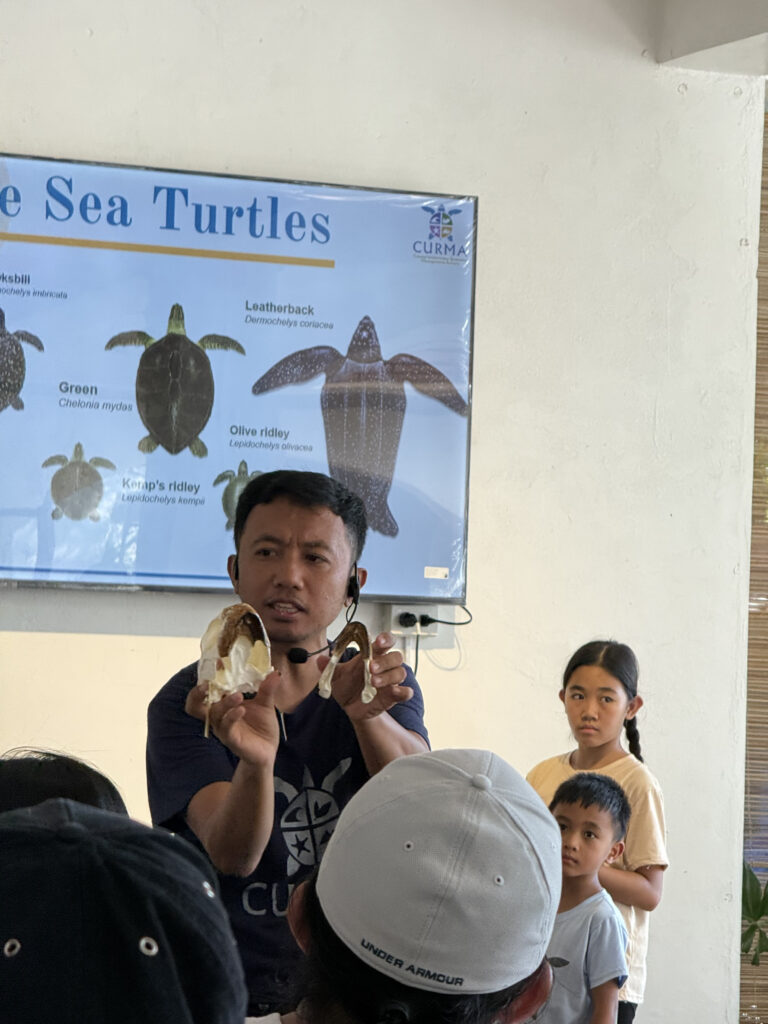
But due to threats such as poaching, pollution, and rapid climate change, all which are caused by human activities, the sea turtles are facing the danger of disappearing. This is dangerous because sea turtles, as with other flora and fauna, are all equally important in ensuring the balance of our ecosystem. Sea turtles help regulate the ecosystem as they keep the balance as predators of jellyfish and sponges, helping fishes and other sea creatures live harmoniously.
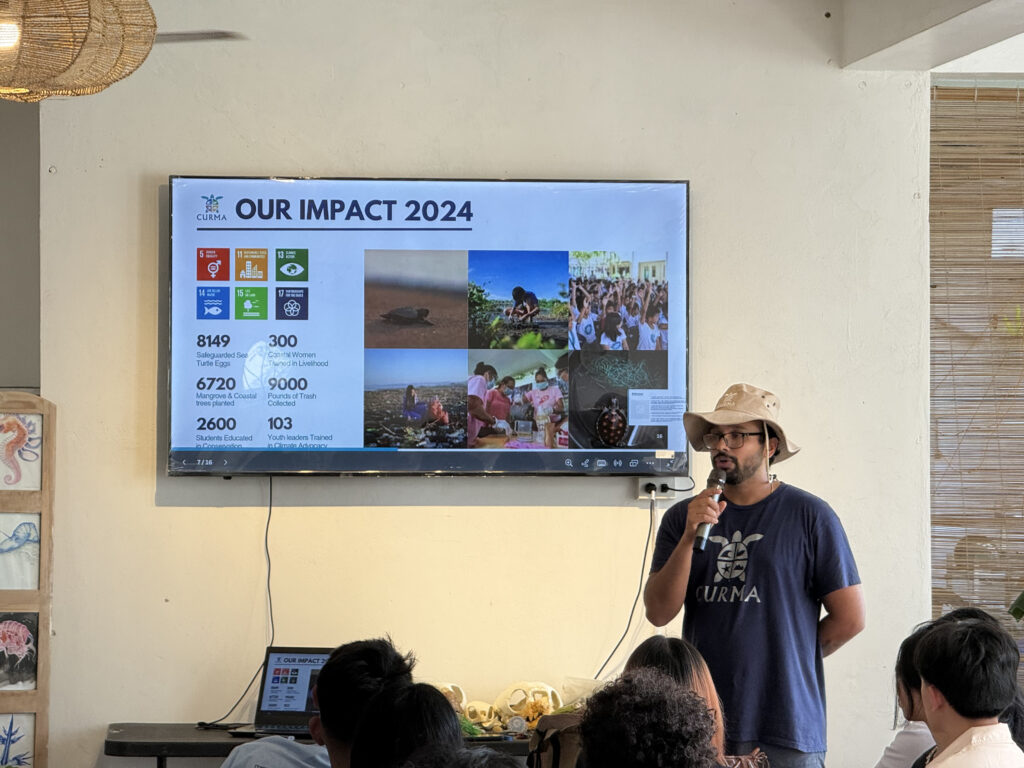
101 lecture
Sea turtles also eat seaweed, keeping a balanced oxygen level in the oceans. Just like sea turtles, human beings also have a crucial role in mitigating climate change, which causes further imbalance in the ecosystem. The rising temperature affects the determination of the sex of sea turtles as higher temperatures result to having more female hatchlings, causing more imbalance.
Beach cleanup
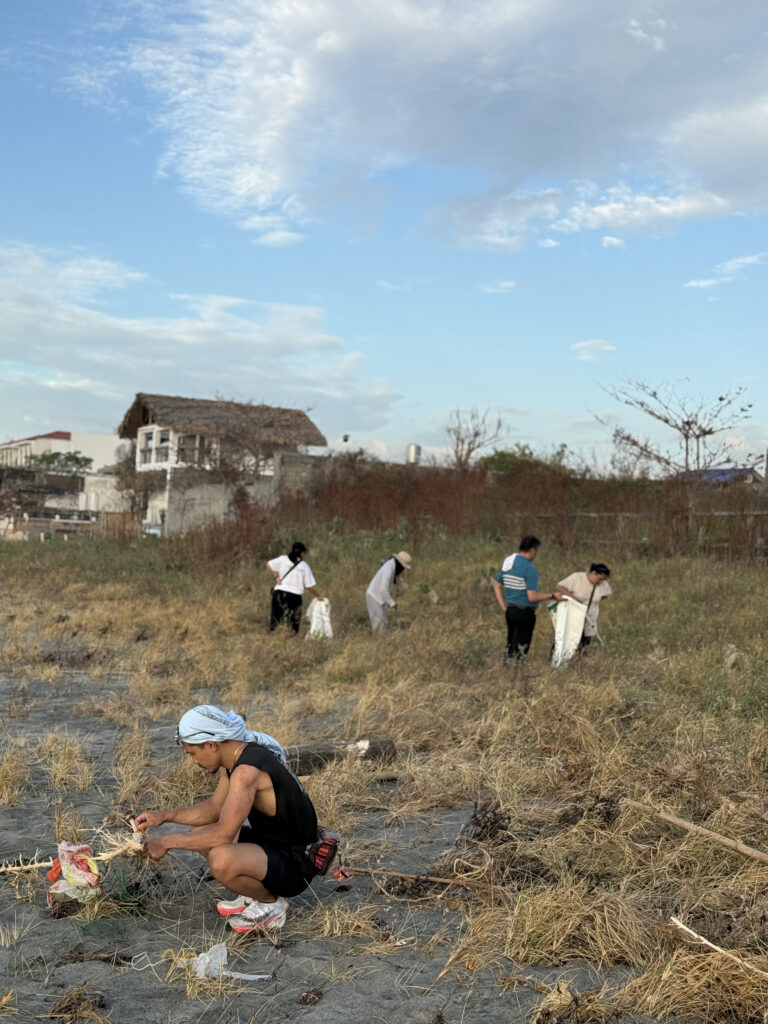
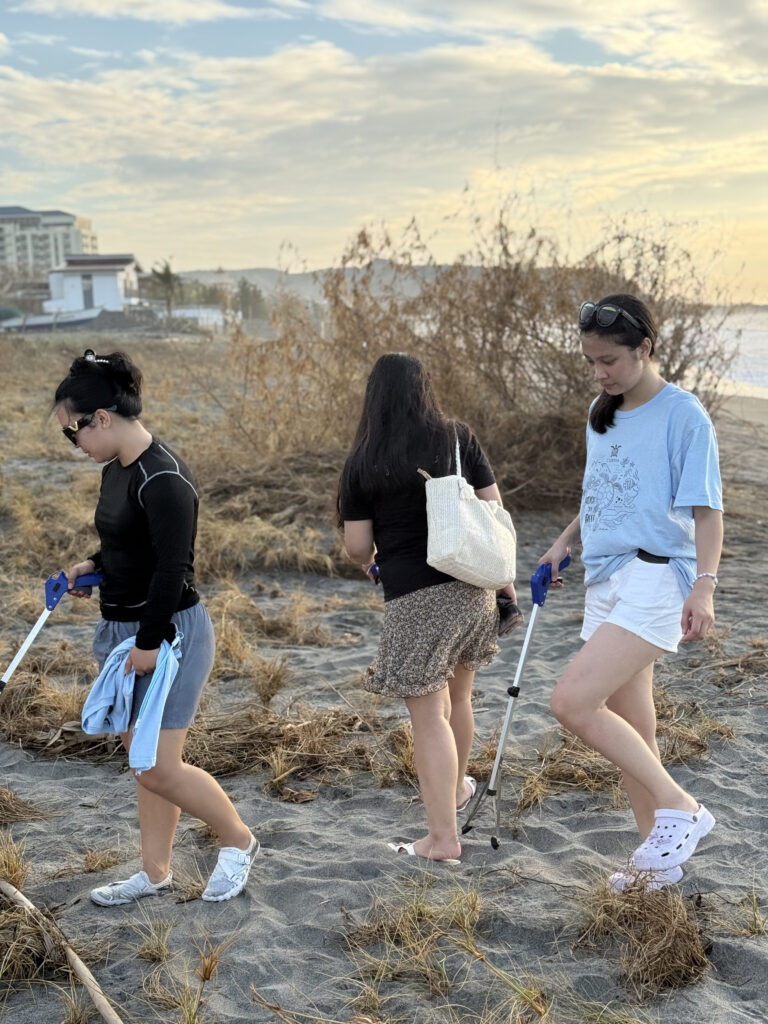
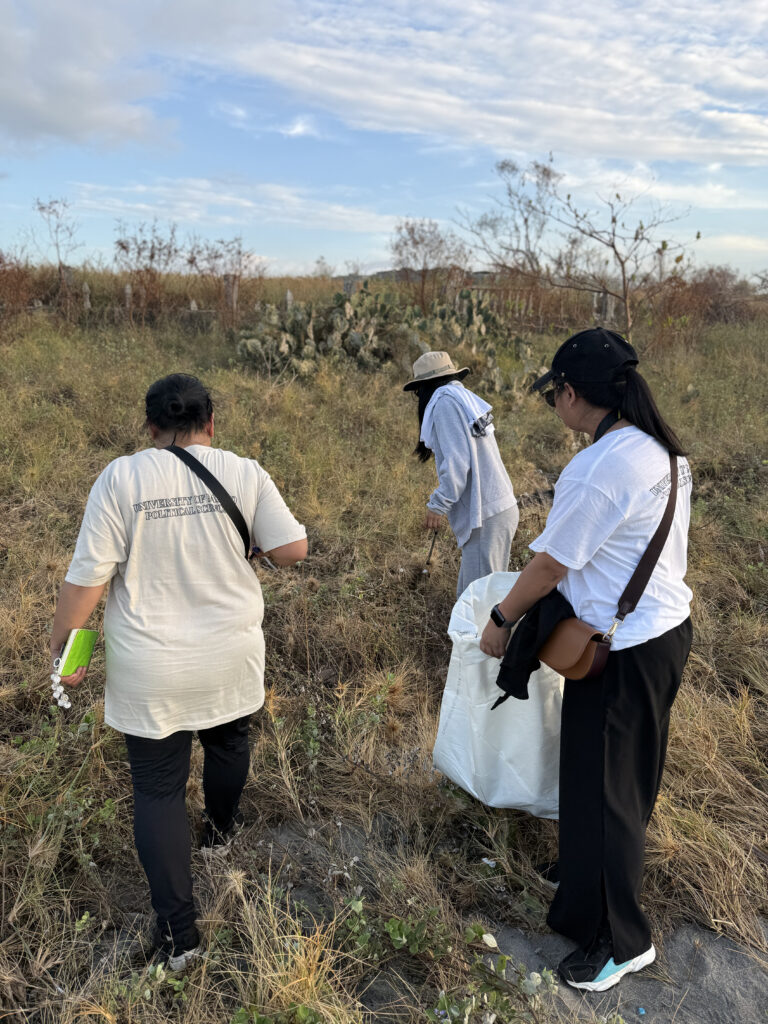
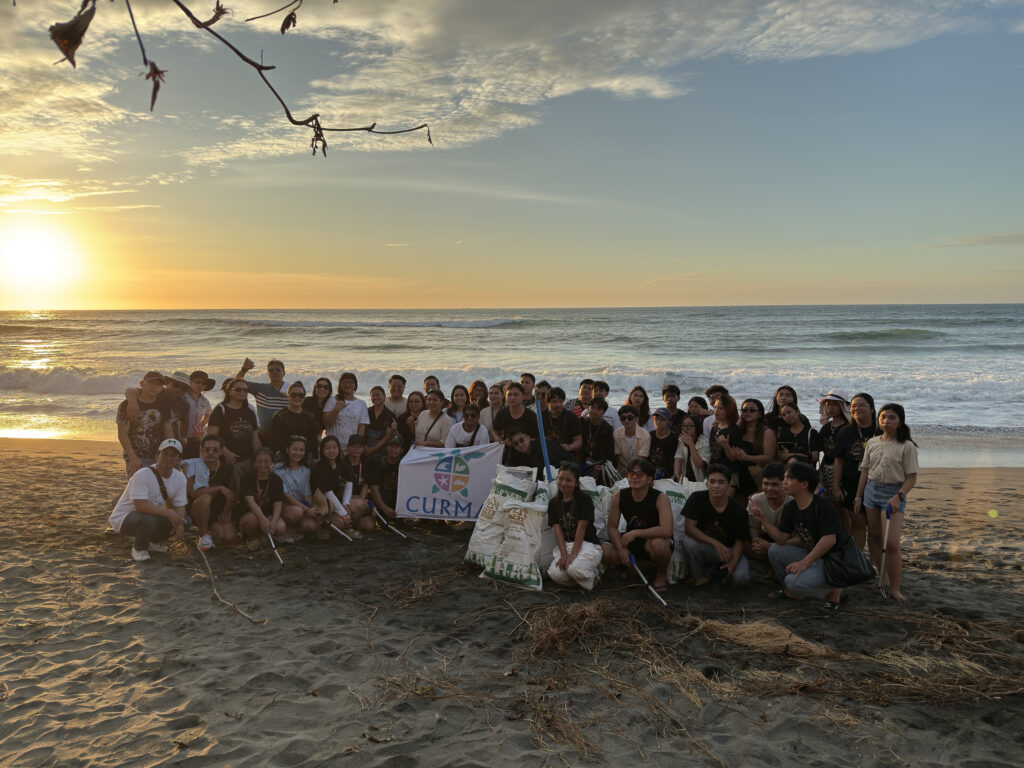
STELA teachers and students in coastal cleanup
After the lecture, the faculty and students proceeded to a beach cleanup. To help save the turtles, collective effort is needed. Us living in the mountains must ensure that our trash does not end up in the rivers that will eventually end up in the ocean. And as a whole, we need sustainable practices that limit the use of cellophane or plastic as it has the same scent with jellyfish (the main food of turtles).
Our actions as human beings gives a domino effect to the whole world. That is why, in our own ways and talents, we can contribute to save the turtles. We may create policies to strengthen enforcement of restrictive and sustainable efforts. We may create campaign videos and photos
to disseminate information. We may volunteer during coastal cleanups. Or, as a whole, practice sustainability by practicing waste management, from prevention, recycling, reducing, and reusing.
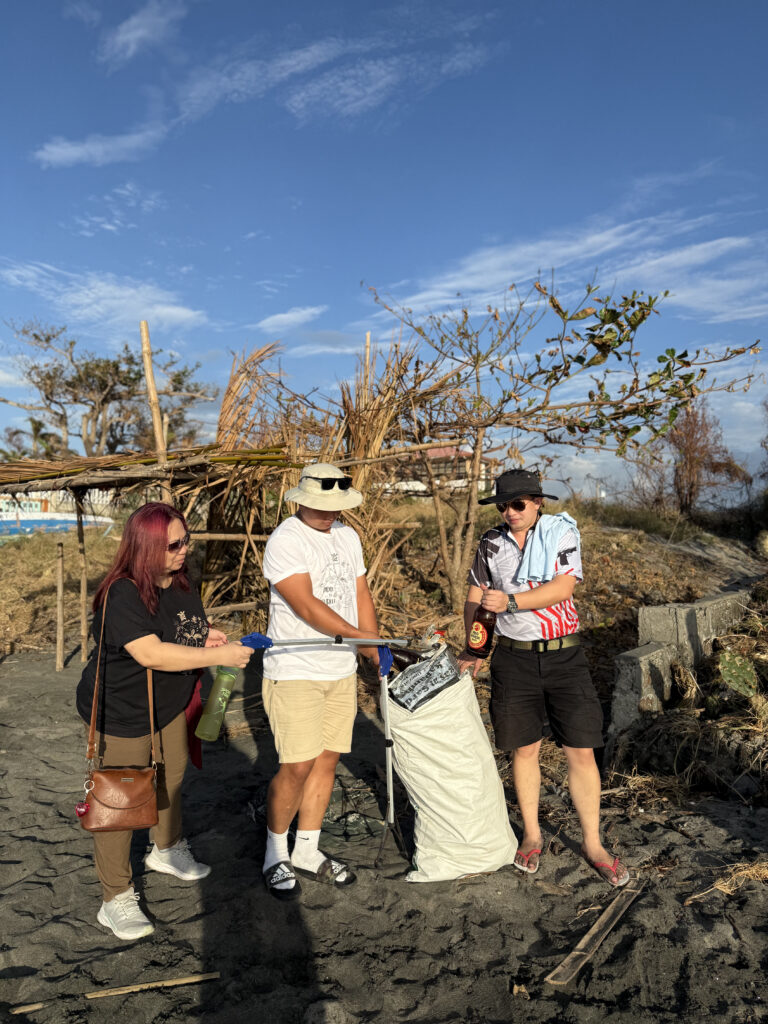
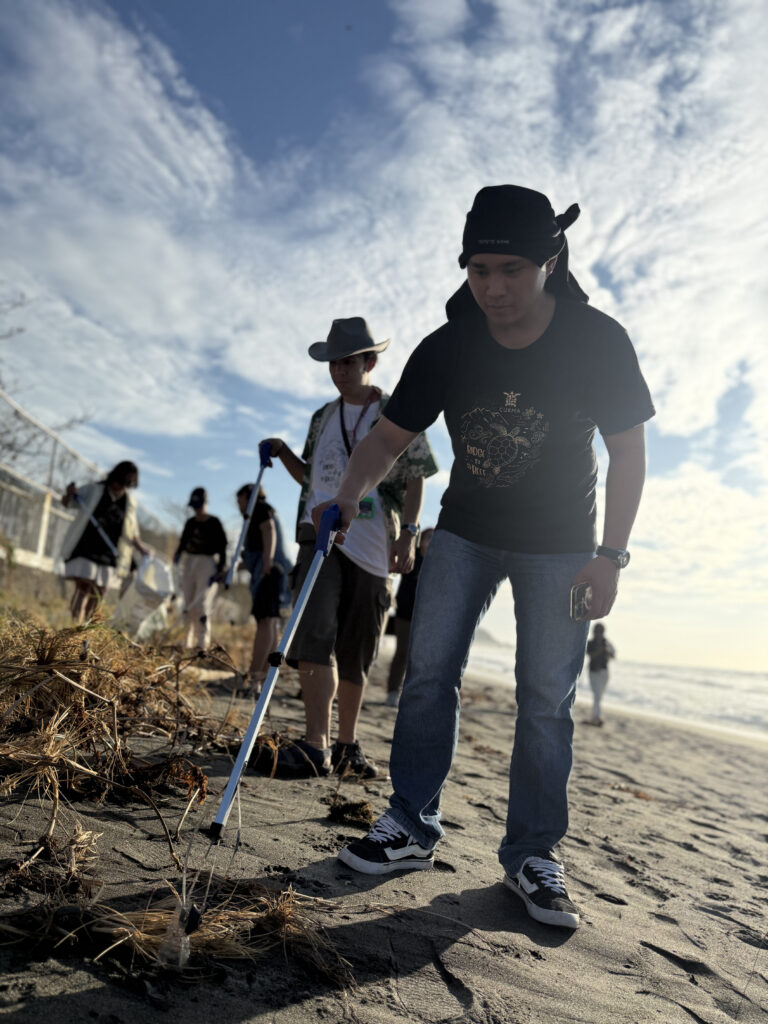
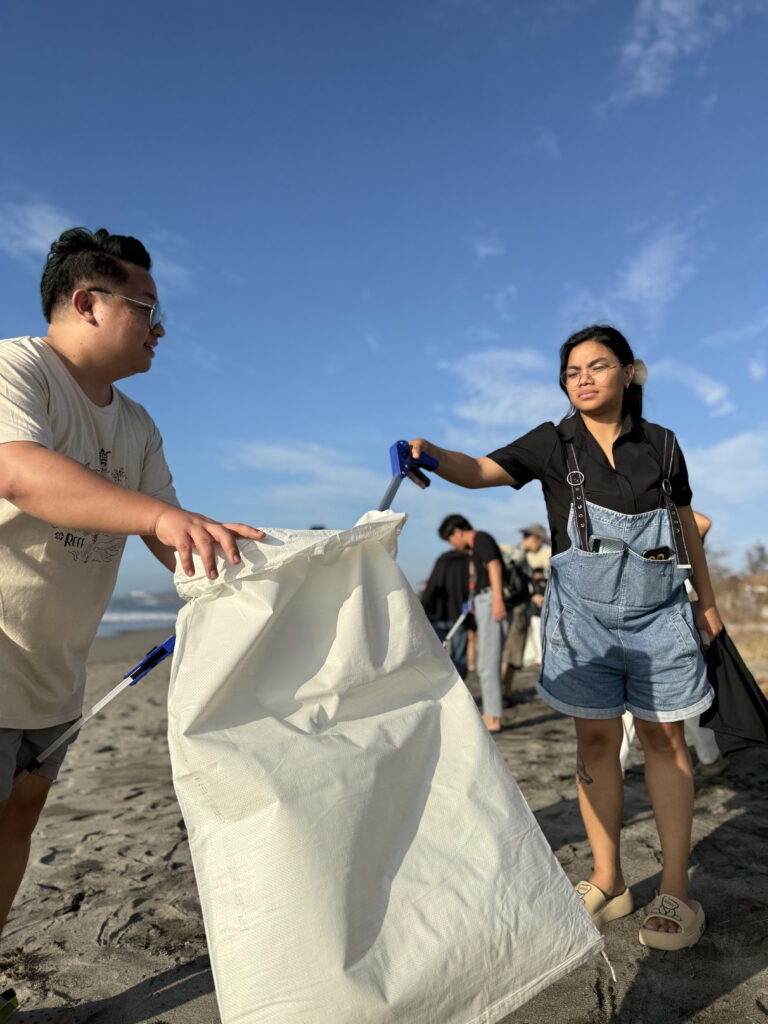
That is why, as a program, the Political Science program commits itself to continuing to partner with Project CURMA. Starting by attending a wildlife conservation seminar focusing on sea turtles and the role of humans in their conservation. The seminar also mentioned prohibitions under RA 9147, or the Wildlife Conservation Act. Additionally, the program purchased t-shirts made by fishermen to serve as their income-generating project, especially during closed seasons, to avoid poaching. The program also participated in a coastal cleanup as a result of the commitment. Additionally, the possibility of creating a policy proposal for San Juan to strengthen regulations in protecting sea turtles was also discussed.
All activities are in line with the BAPS program educational outcomes 4 and 5, which states: BAPS PROGRAM EDUCATIONAL OUTCOME 4: “Demonstrate responsible citizenship and render extension services by initiating community development programs and alternatives to
address the human, social, and environmental challenges.” And “BAPS PROGRAM EDUCATIONAL OUTCOME 5:Pursue lifelong learning by ethically engaging in the political and social issues of local and national significance.”
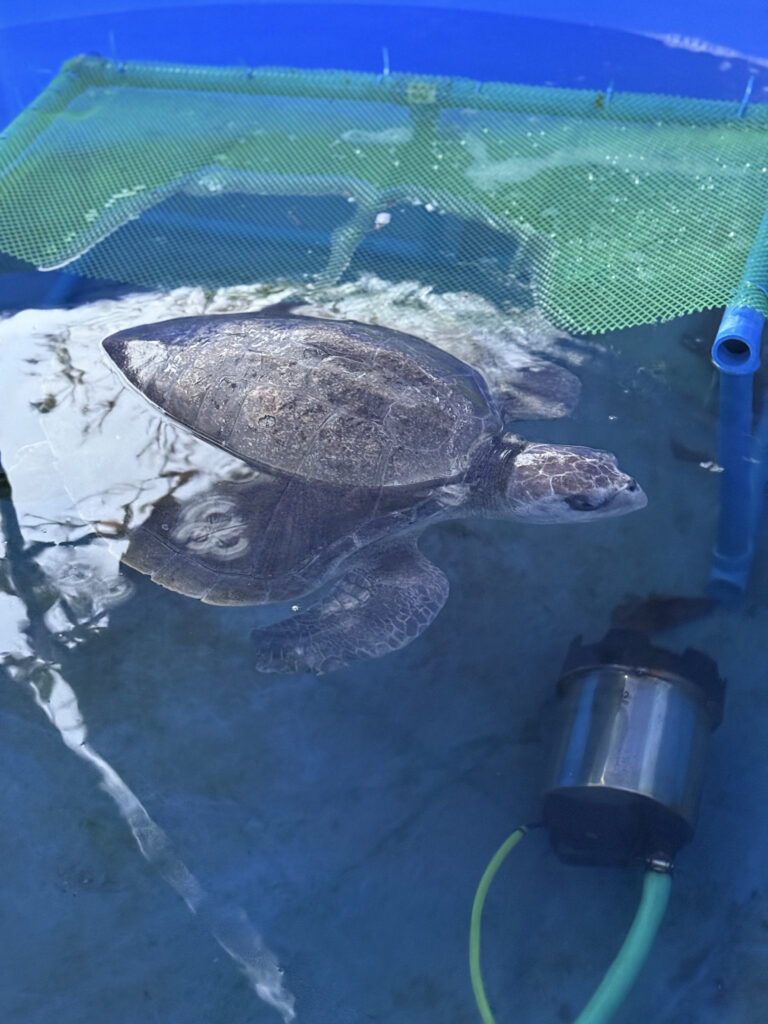
That is why, let us be reminded of the turtle mentality. This type of mindset celebrates the importance of community. Let us foster students who have a conscious mindset, who are always reminded of their role in the community. So that, when they go into the community, they carry the turtle mindset, recognizing mutual responsibility, and interconnecting all biotic and abiotic factors, values and systems— A holistic approach, involving everyone in the conservation of wildlife.
These turtles remind us that collective effort helps us achieve what we want to achieve as a whole, without dragging others, but simply, by lifting each other up.