
Written by Ar. Ryan M. Benaoe
In a world grappling with complex urban and environmental challenges, the United Nations Sustainable Development Goals (SDGs) provide a universal blueprint for action. While all 17 goals are interconnected, SDG 17: Partnerships for the Goals is the engine that drives them forward. A prime example of this principle in action is the strategic partnership between the University of Baguio (UB) and Universitas Amikom Yogyakarta, Indonesia. What began as a dialogue at an international research colloquium has evolved into a formalized collaboration that directly addresses real-world issues and lays the groundwork for a more sustainable future.
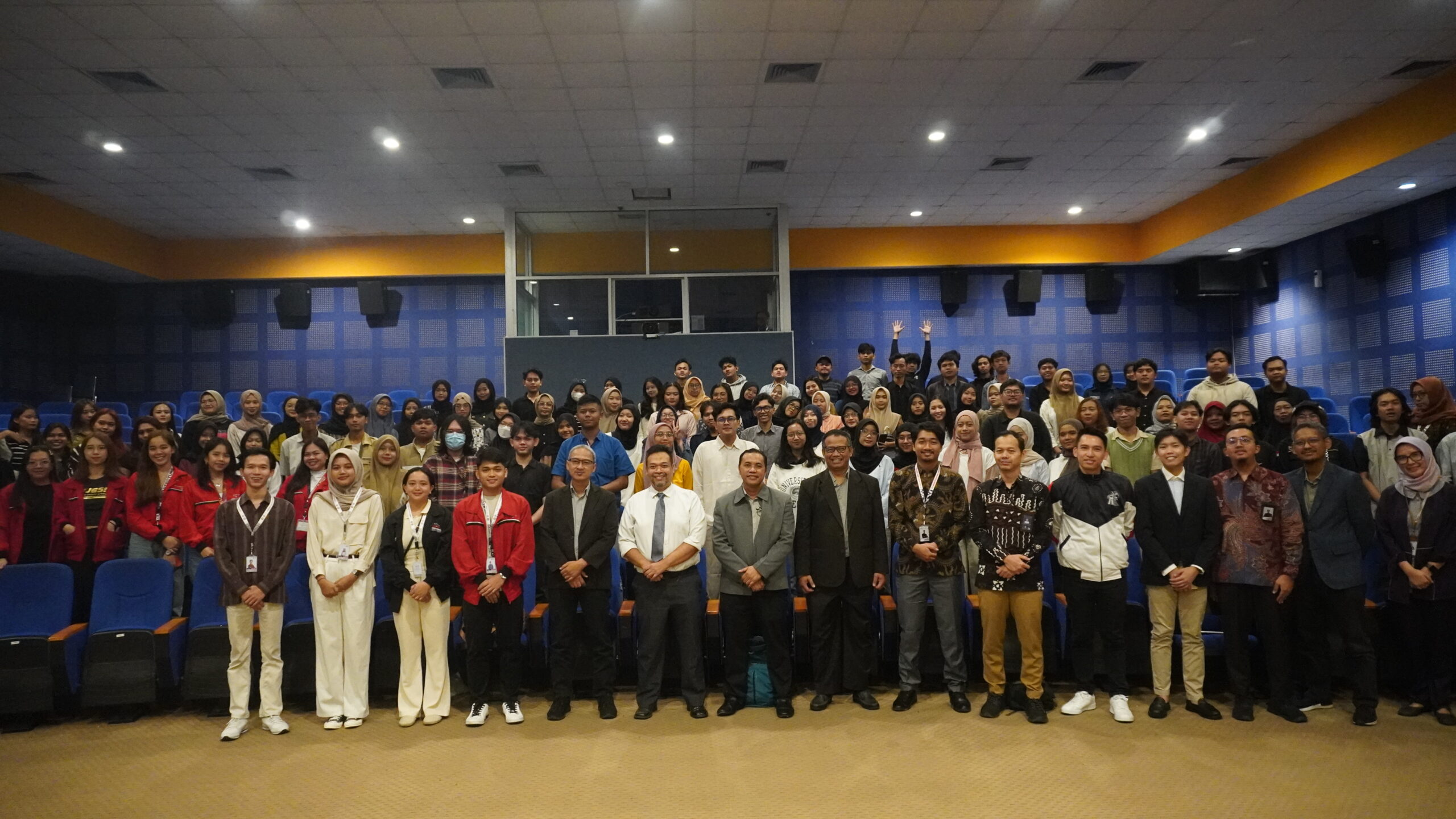
The roots of this transformative partnership trace back to 2019, when delegates from both institutions met and discovered a shared vision for academic excellence and community development. This initial connection evolved into a formal Memorandum of Agreement in November 2023, setting the stage for a collaborative relationship built on mutual trust and shared objectives. This wasn’t a mere transactional agreement but a deliberate foundation for a sustained partnership aimed at academic, cultural, and professional enrichment.
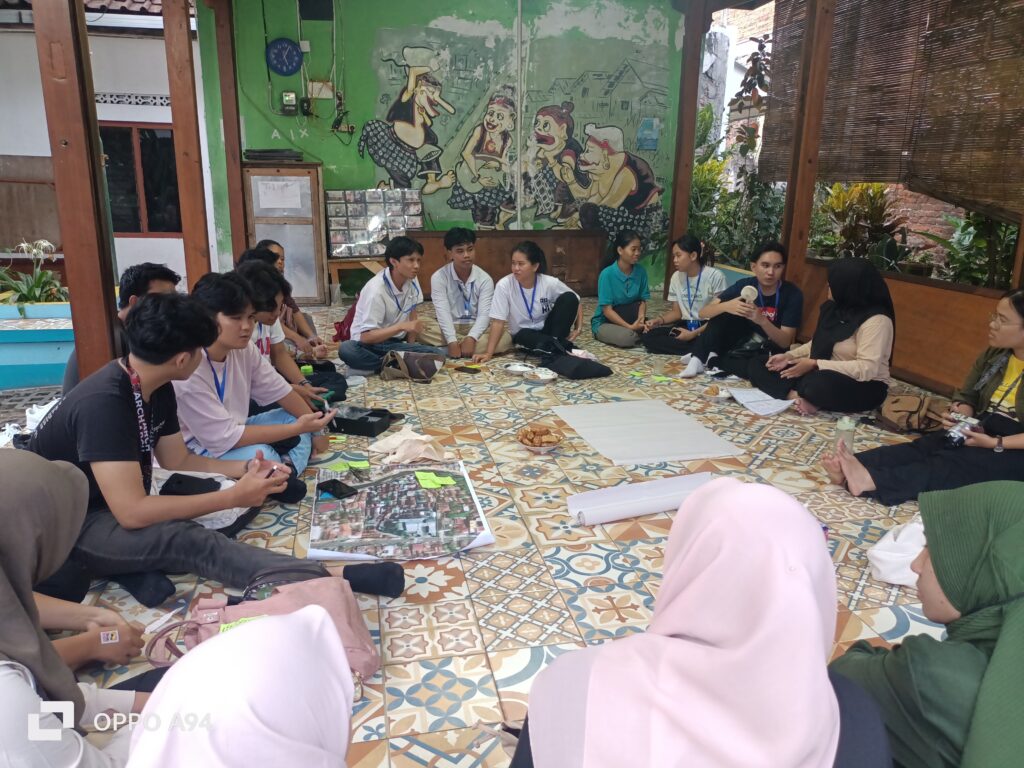
The true impact of this collaboration is evident in the tangible, real-world projects it has produced. In May 2024, the first batch of UB students and faculty to visit Yogyakarta were tasked with tackling pressing urban planning issues in three of the city’s slum communities. Their proposals were not abstract concepts; they integrated pragmatic solutions for circulation, air quality, waste management, and water conservation—all with the aim of tangibly improving the residents’ living conditions. This direct engagement with a foreign community allowed students to apply their academic knowledge to a unique, on-the-ground context, embodying the spirit of responsible, global citizenship.
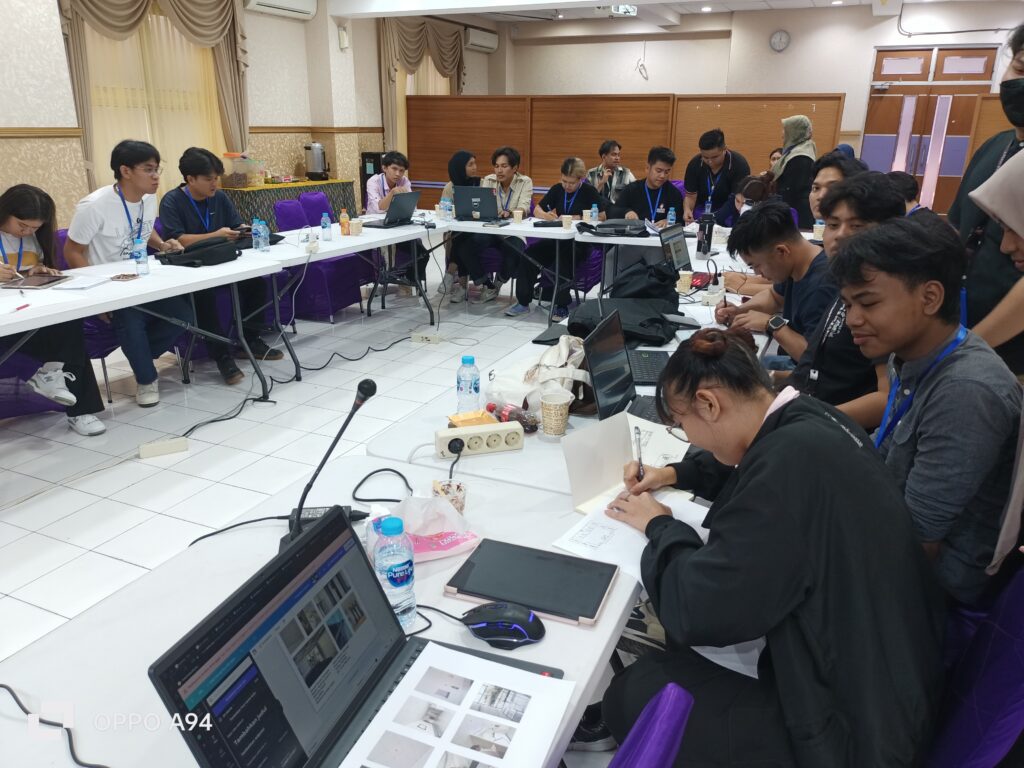
Consequently, the reciprocal visit of Amikom students to the Philippines in October 2024 also yielded equally impactful results. Their culminating project focused on the redesign of Aguinaldo Park in Baguio City, a site of significant historical and cultural value. The plans they developed were submitted to the City Planning and Development Office for potential adoption and implementation. This action-oriented approach elevates student outputs beyond the classroom, providing them with a direct pipeline to making a real and lasting impact on their local community. By involving government offices, the partnership forges a crucial link between academia, public service, and civil society—a cornerstone of SDG 17.
Looking ahead, these collaborative projects are a direct manifestation of fostering international collaboration, linkages, and partnerships, where different entities work together to develop best practices towards creating lasting solutions. With the formal agreement in effect until 2026, plans are already underway for another collaborative short course and a new research partnership in 2025. This commitment to ongoing collaboration ensures that the initial exchange of ideas matures into a continuous cycle of shared research and community projects.
These proposals were not just academic exercises but were intended for real-world application, with plans for the Baguio project submitted to the local government for potential implementation. This model of cross-border and cross-disciplinary collaboration effectively demonstrates how universities can partner to create a tangible impact on communities, ensuring that academic initiatives contribute directly to sustainable urban and social development. The ongoing planning of future activities further solidify this commitment, promising continued partnership for research and community-building well into the future.
Indeed, the UB-Amikom partnership is a powerful testament to how higher education institutions can lead the charge in achieving the SDGs. It demonstrates that by forging strong, purposeful connections across borders, we can leverage diverse expertise and innovation to address global challenges. This model of academic collaboration is more than just an exchange; it’s a vital blueprint for building a more interconnected, innovative, and sustainable world for all.