
Written by Leo Angelo Tacang
With contributions from Eioul Romm Jacob and Aissa Pater
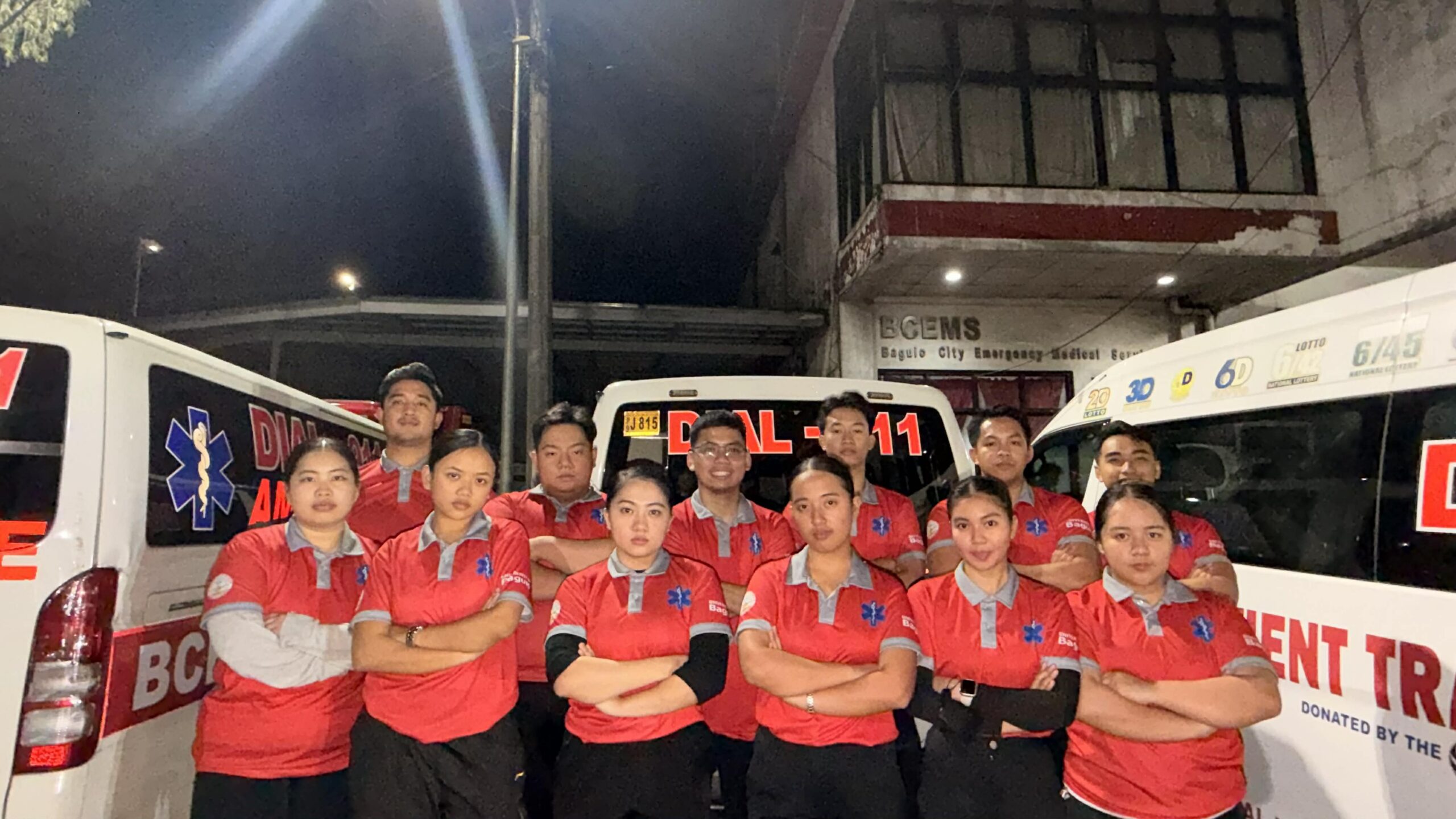
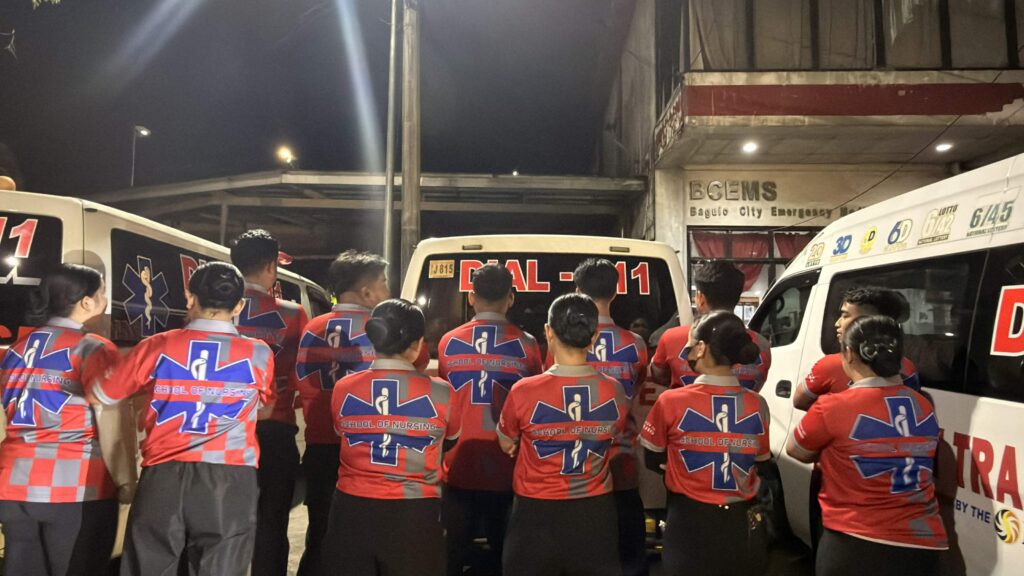
Fourth Year students from the University of Baguio – School of Nursing (UBSON) began serving as responders at the Baguio City Emergency Medical Services (BCEMS) during the last semester of SY 2025–2026 up to the present as part of their Related Learning Experience (RLE). The primary objective of this clinical exposure was to strengthen students’ competencies in emergency response, rapid assessment, clinical decision-making, and inter-agency coordination in real-world, pre-hospital settings. The activity aimed to bridge classroom instruction and high-risk field practice, ensuring that student nurses develop the technical, ethical, and leadership skills necessary for modern emergency healthcare systems.
As part of the immersion, students visited the Baguio Smart City Command Center (SC3) located at the Baguio City Convention Center. The SC3, a PHP 200-million smart infrastructure project supported by the Office of the President and powered by Cisco technology, functions as the city’s integrated emergency and public safety operations hub. The visit provided students with direct exposure to technology-driven emergency management systems and data-informed public service delivery.
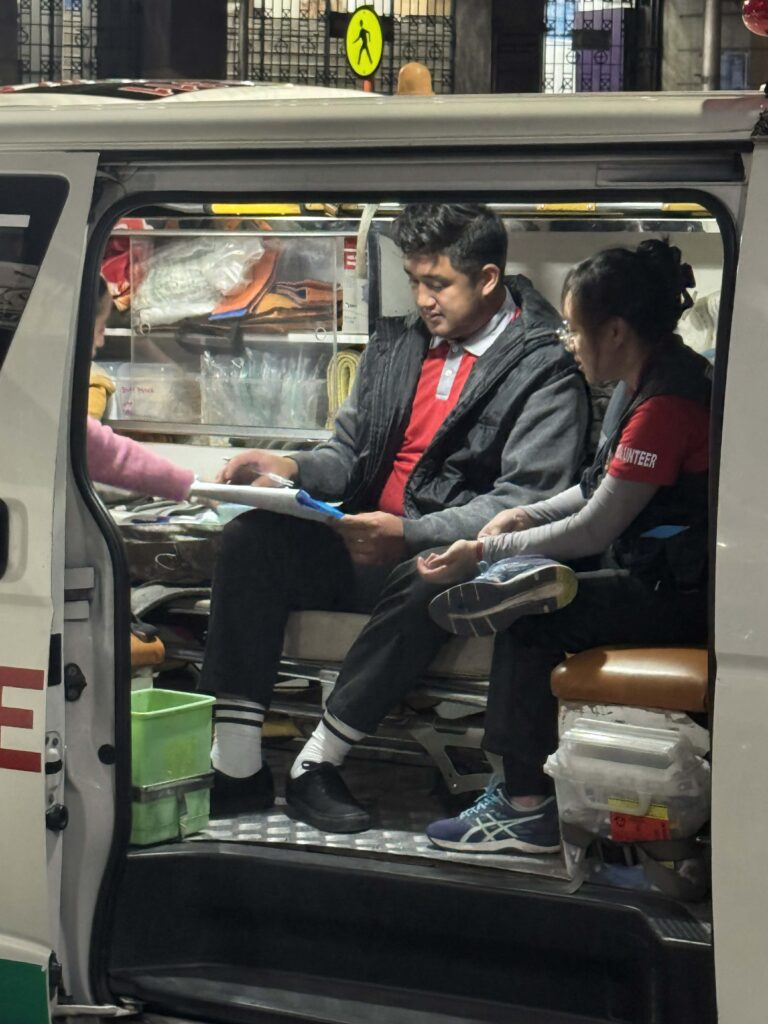
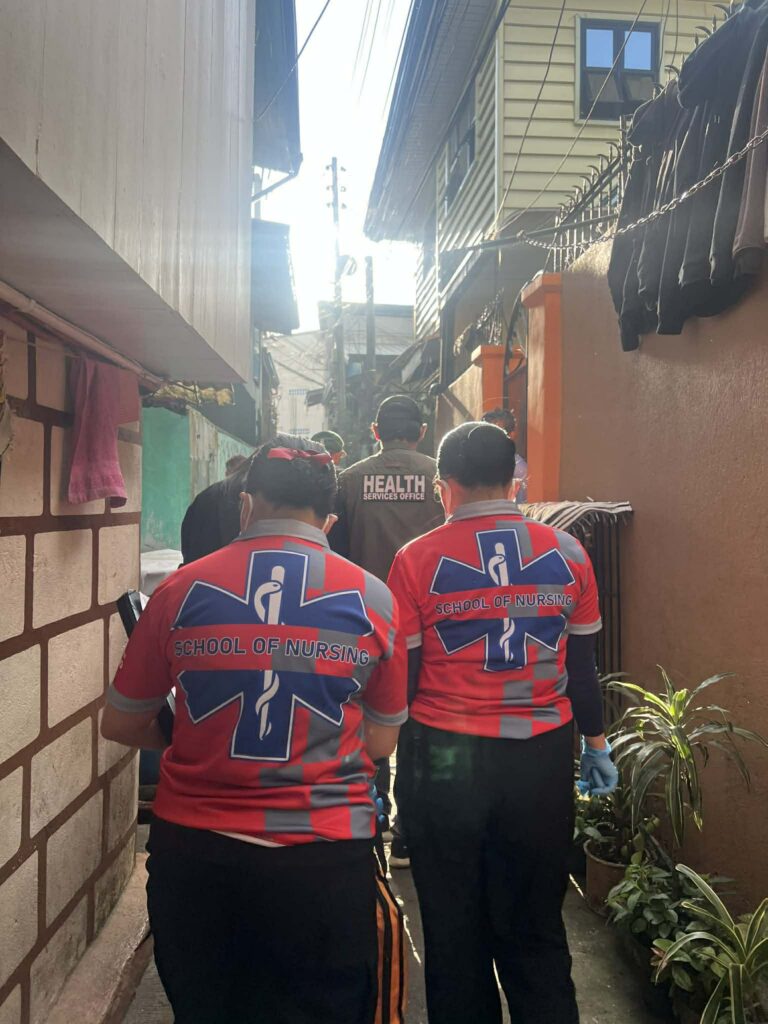
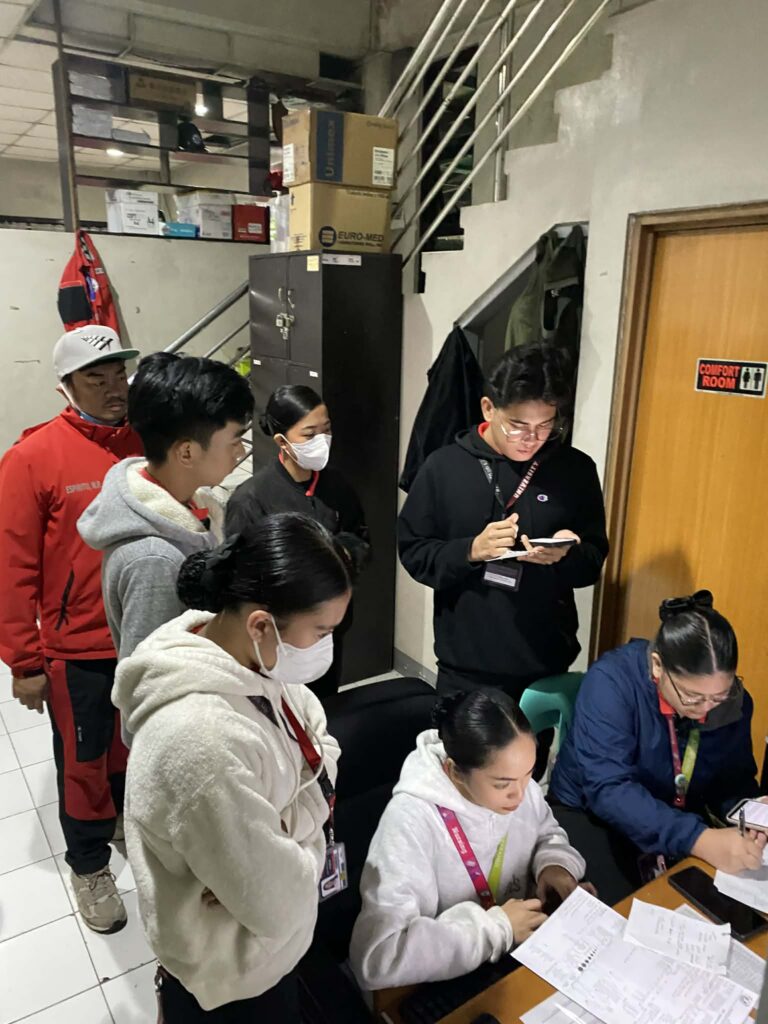
The activity supports Sustainable Development Goal (SDG) 4: Quality Education, particularly Target 4.4 (increase the number of youths with relevant technical and vocational skills) and Indicator 4.4.1, as students gained hands-on exposure to real-time emergency dispatch systems and inter-agency communication platforms. By engaging in structured field deployment and command center observation, students enhanced employability skills relevant to disaster nursing and emergency medical services.
The initiative also advances SDG 3: Good Health and Well-being, particularly Target 3.d (strengthen the capacity for risk reduction and management of health emergencies). Through active participation in BCEMS response operations and observation of Computer-Aided Dispatch (CAD), Geographical Information Systems (GIS), Video Management Systems (VMS), and Unified Communication Platforms, students witnessed how integrated systems improve response time, coordination, and patient outcomes during emergencies
Furthermore, the program contributes to SDG 11: Sustainable Cities and Communities, particularly Target 11.5 (reduce the impact of disasters and protect lives) and Indicator 11.5.1, by exposing future healthcare professionals to smart-city technologies that enhance urban resilience. The SC3 integrates Command-and-Control operations, analytics, and big data systems to ensure faster, data-driven decision-making in times of crisis, reinforcing Baguio City’s commitment to public safety and disaster preparedness.

All Level IV nursing students, under the supervision of UBSON clinical instructors and BCEMS personnel, are and will be deployed in BEMS for their rotation. BCEMS facilitated field exposure, ambulance response observation, and emergency protocol orientation, while the Smart City Command Center team provided technical briefings on system operations. This partnership represents a strong academic–government collaboration that strengthens workforce readiness and supports interprofessional practice in emergency healthcare.
Immediate outcomes of the activity included improved situational awareness, enhanced prioritization skills, stronger teamwork under pressure, and a deeper understanding of pre-hospital emergency systems. Students observed real-time dispatch coordination across agencies, improving their appreciation of task delegation and rapid communication during critical incidents.
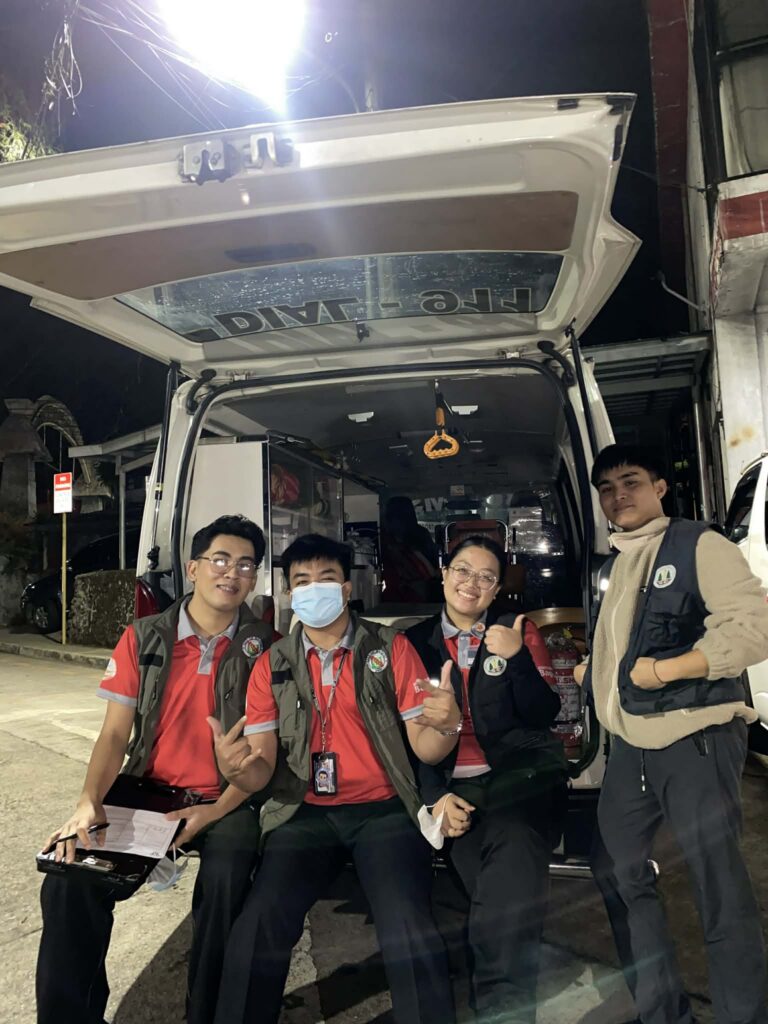
In the long term, the immersion contributes to developing a disaster-ready nursing workforce capable of functioning confidently in unpredictable and high-risk environments. Early exposure to EMS systems cultivates adaptability, leadership, technological literacy, and resilience—competencies essential in disaster management, mass casualty incidents, and urban emergency care.
Student reflections underscored the impact of the experience. One student shared that observing dispatch coordination across departments improved their understanding of response efficiency and teamwork. Another described the command center as highly organized and disciplined, demonstrating how preparedness and centralized systems ensure effective emergency responses.
Through this experiential learning initiative, the University of Baguio – School of Nursing reinforces its commitment to quality education, resilient health systems, and sustainable urban safety. By integrating clinical immersion with smart-city emergency infrastructure, UBSON continues to prepare future nurses who are competent, responsive, and ready to lead in advancing community health and disaster resilience.