
Written by Michelle P. Ranges and Norman D. Patiang
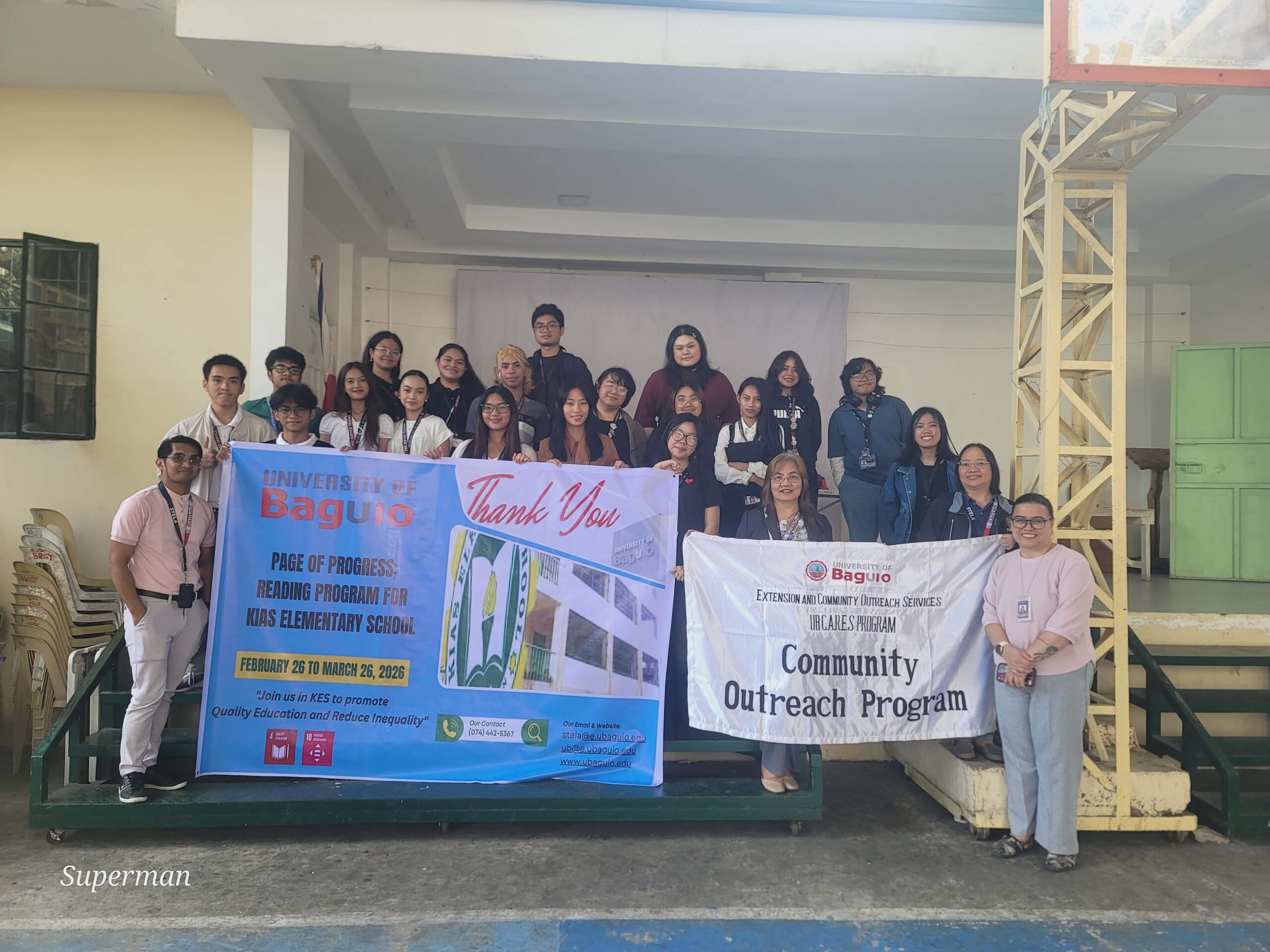
The University of Baguio, through the School of Teacher Education and Liberal Arts (STELA), continues its commitment to community education through the PAGBASA Program in Kias Elementary School, a literacy initiative designed to support elementary learners identified with reading challenges. Following last semester’s PAGBASA implementation at Lindawan Elementary and High School of Barangay Lucnab, Baguio City, this phase extends the program’s reach, underscoring the University’s ongoing engagement with partner schools and its long-term commitment to literacy support.
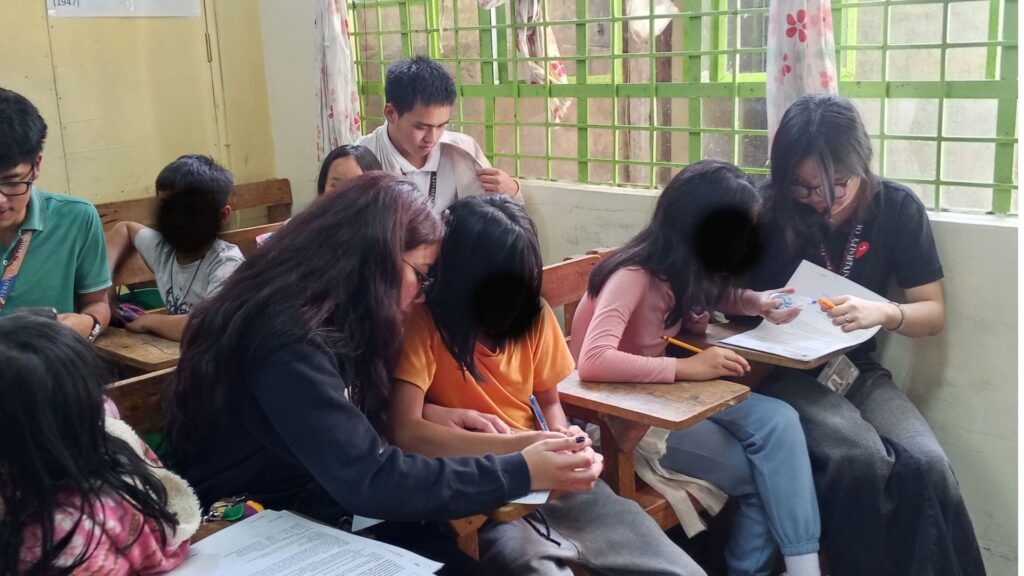
The program begins with learner assessment and proceeds with a four-week reading intervention, ensuring that support is responsive and evidence-based. PAGBASA directly advances Sustainable Development Goal (SDG) 4: Quality Education by promoting inclusive and equitable learning opportunities, particularly in early literacy, a foundation for lifelong learning. It also contributes to SDG 10: Reduced Inequalities by prioritizing learners who require additional academic support.
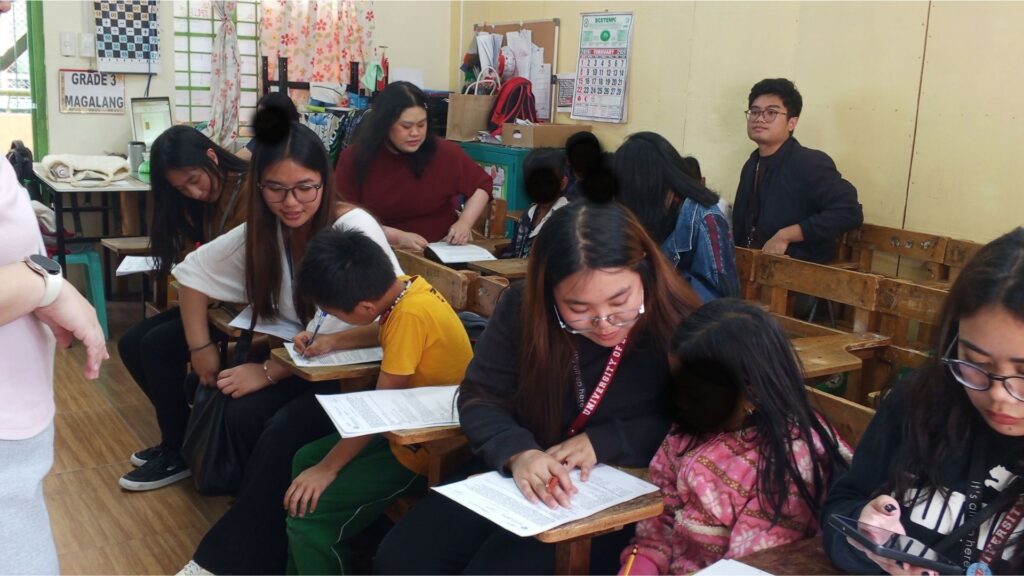
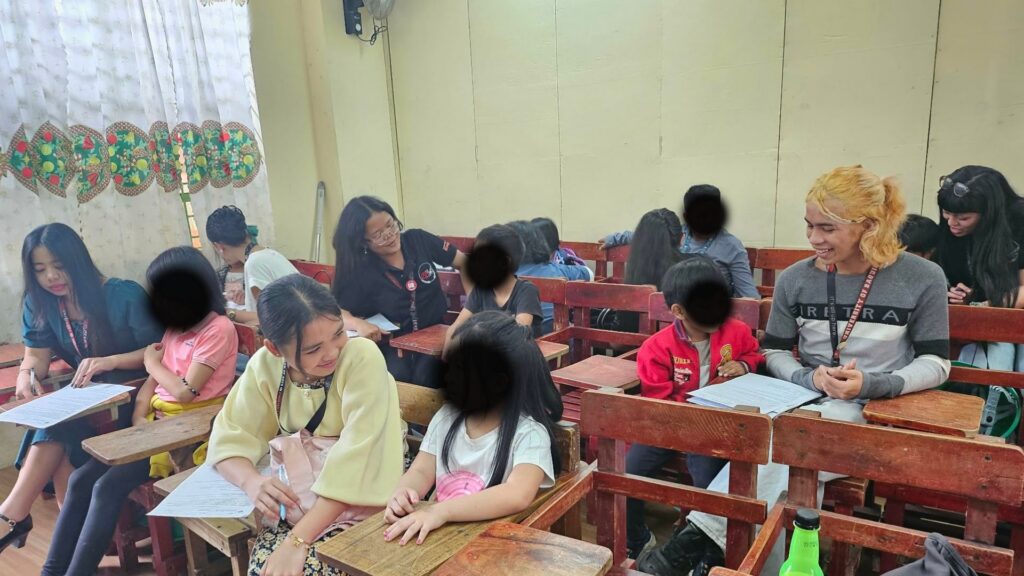
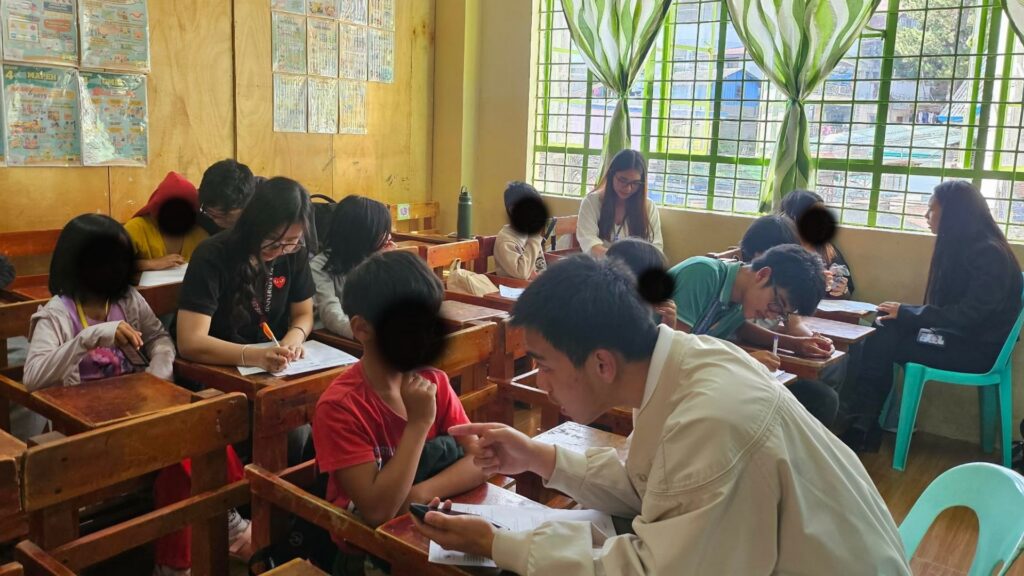
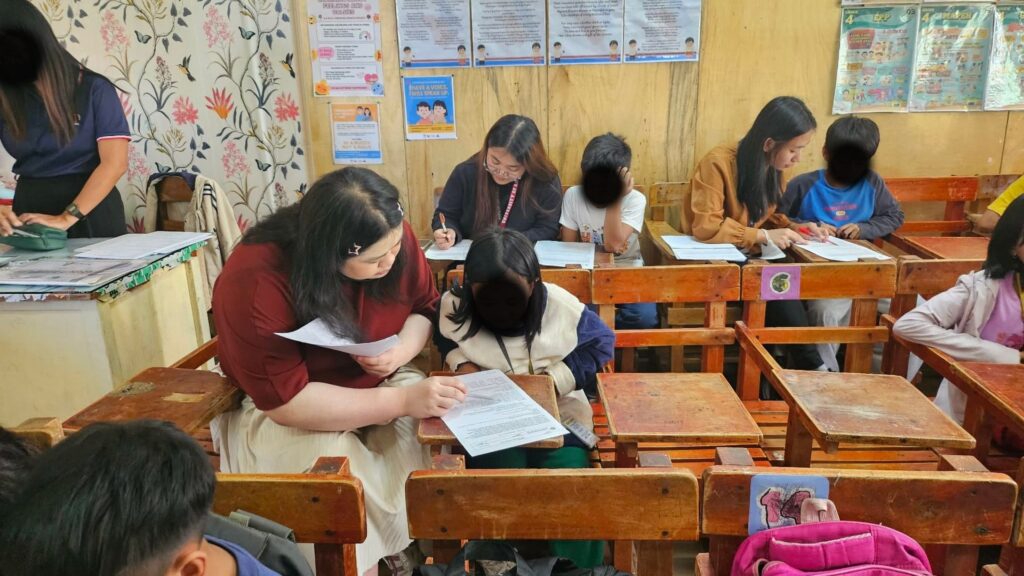
The program is implemented with the assistance of student mentors from the Bachelor of Elementary Education (BEED), Bachelor of Secondary Education (BSED), and Bachelor of Arts in English Language (BAEL) programs, who provide guided instruction and monitoring in close coordination with Kias Elementary School.
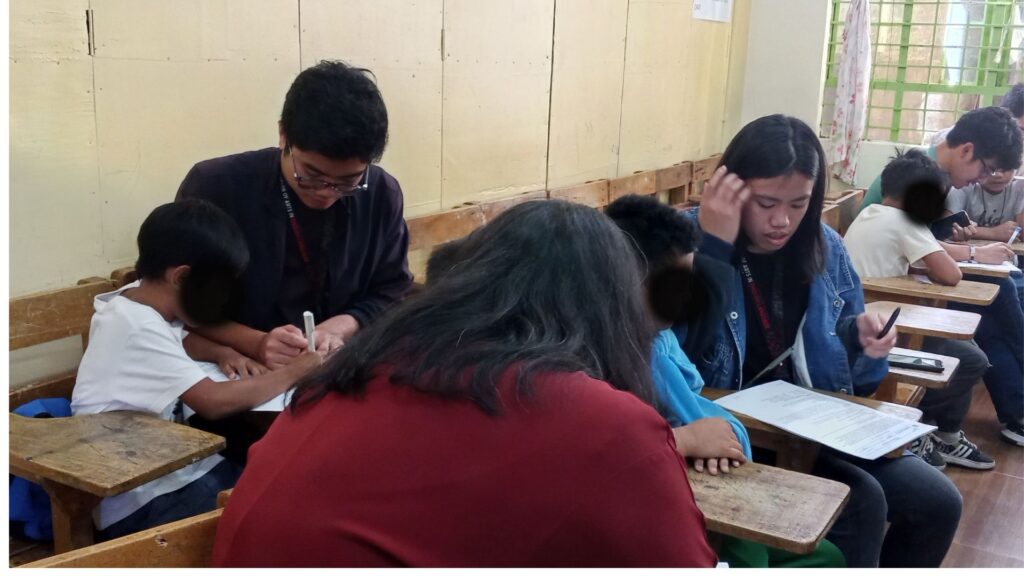
The program formally opened with the assessment of identified learners, allowing mentors to carefully examine reading fluency, vocabulary knowledge, and comprehension skills. These assessments served not merely as diagnostic tools but as windows into each child’s learning journey, highlighting both difficulties and potential. Based on the results, mentors designed targeted, learner-centered reading activities that respond to individual needs rather than applying uniform instruction. The program now transitions to a four-week intervention period, during which learners participate in small-group and one-on-one guided reading sessions. Throughout this phase, mentors continuously monitor progress, adjust strategies, and provide encouragement, helping learners experience reading not as a source of frustration but as a skill that can grow with practice and support.
The Pages of Progress Program is expected to bear significant improvements in reading accuracy, comprehension, and learner confidence through consistent, focused intervention. More importantly, it creates a nurturing learning space where children feel seen, supported, and capable of progress. In the long term, the initiative strengthens academic foundations, supports equity of access to quality education, and contributes to more inclusive community development.
For the student mentors, the experience goes beyond practice teaching; it cultivates empathy, assessment literacy, and a deeper sense of responsibility to learners and communities. As Pages continues at Kias Elementary School, it stands as a quiet yet powerful reminder that literacy development is built through patience,
partnership, and care; one learner, one page, and one step forward at a time.