
Written by Ms. Sittie Almeerah Darimbang, MPA
“What you do makes a difference, and you have to decide what kind of difference you want to make.” – Dr. Jane Goodall
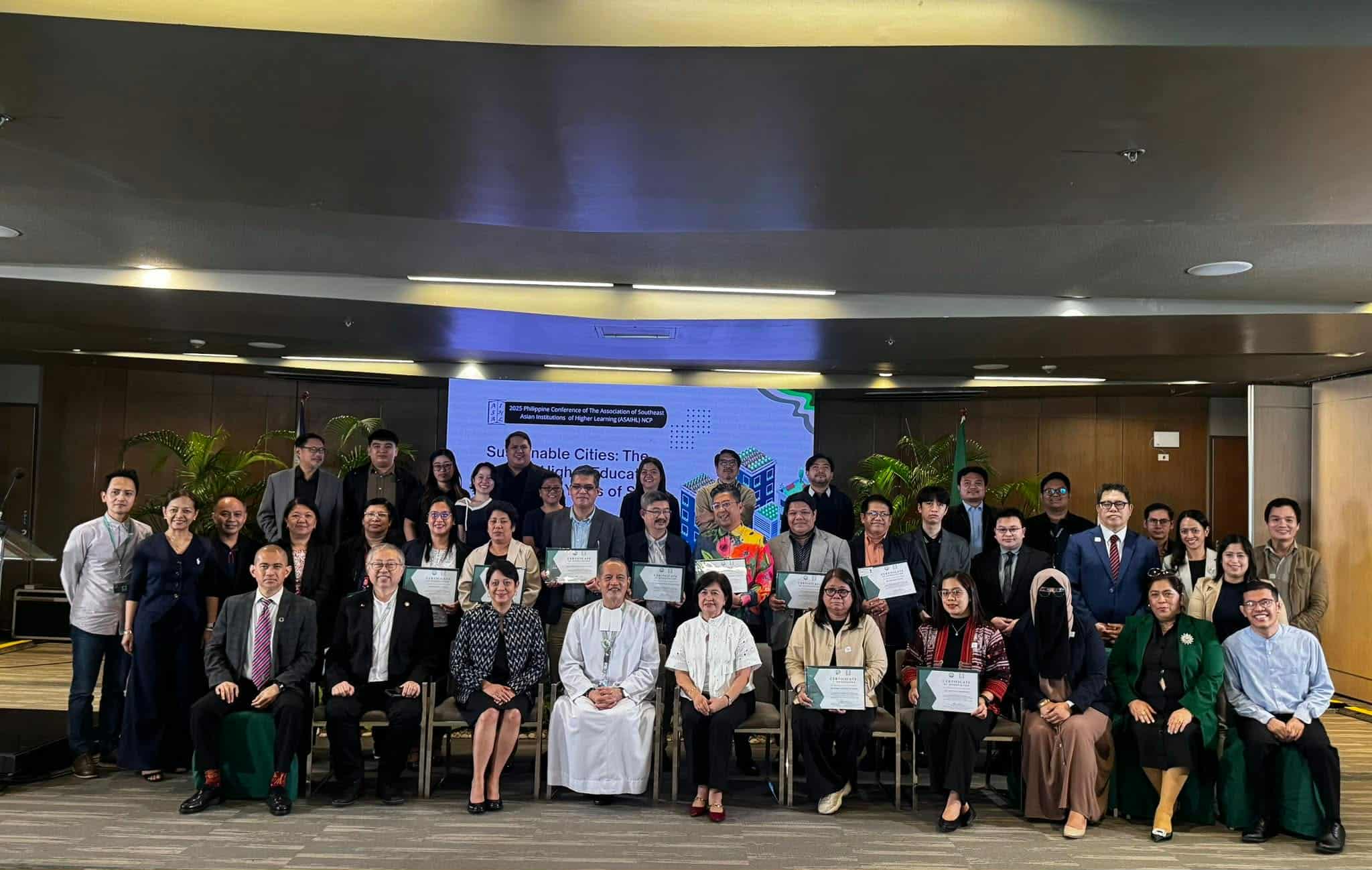
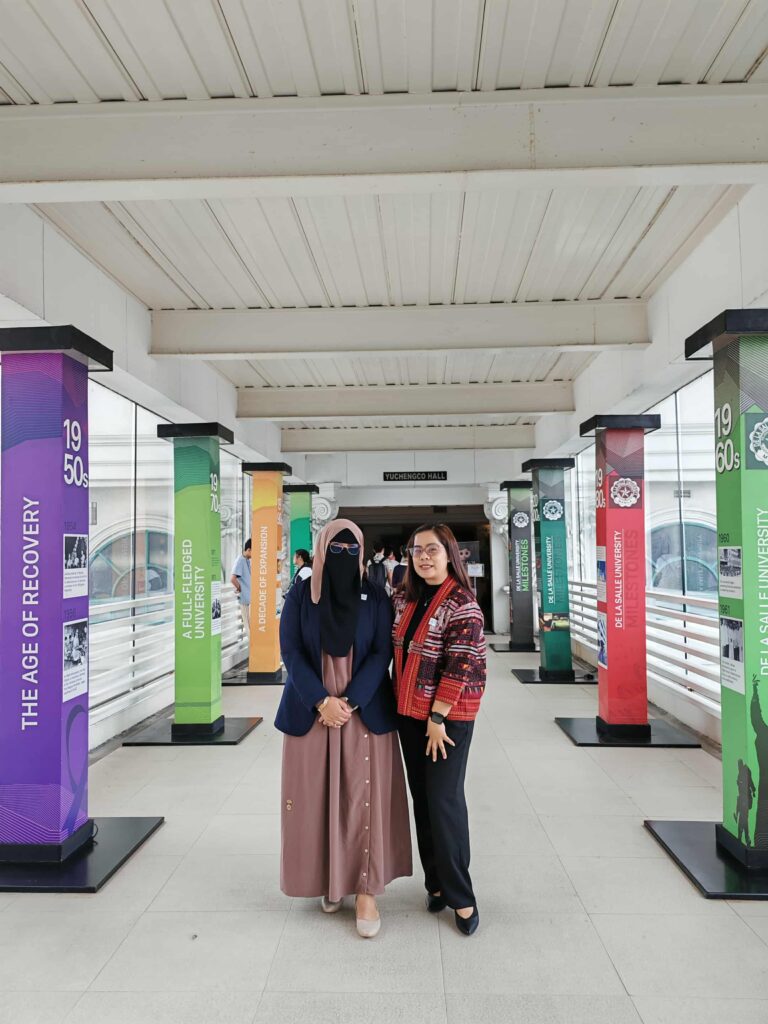
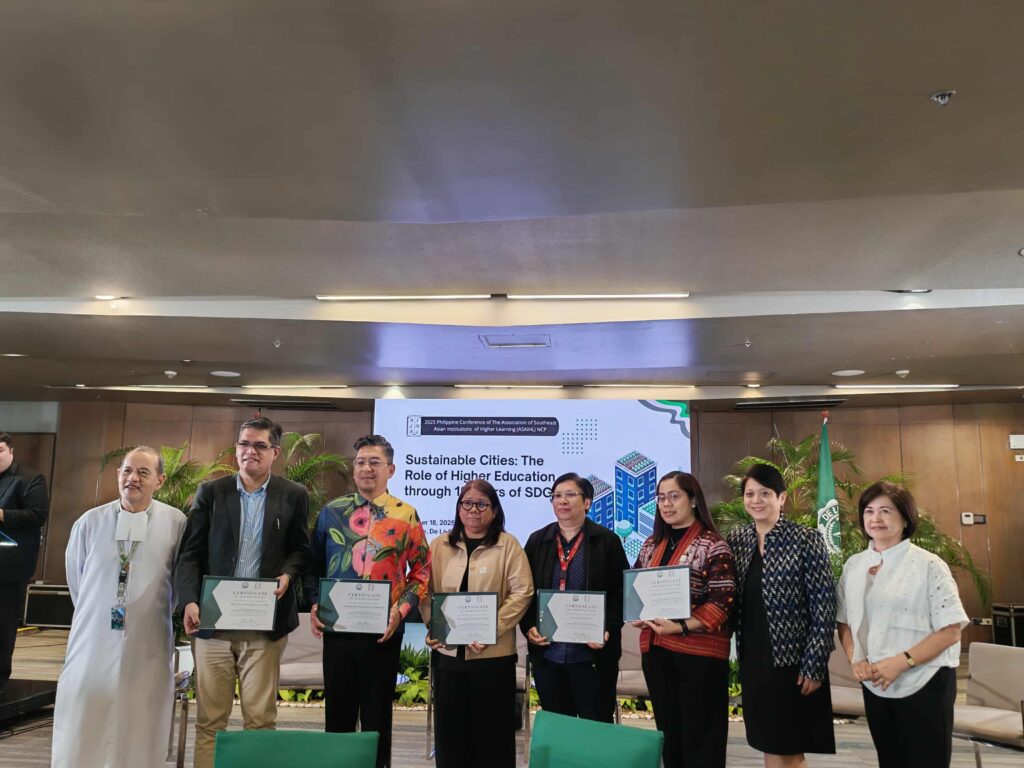
As a committed advocate of the United Nations Sustainable Development Goals, the University of Baguio participated in the 2025 Philippine Conference of the Association of Southeast Asian Institutions of Higher Learning National Council of the Philippines (ASAIHL NCP) held on October 18, 2025, at Henry Sy Hall, De La Salle University. With the theme “Sustainable Cities: The Role of Higher Education through 10 Years of SDGs,” the event brought together educators, researchers, and institutional leaders to address one of the most pressing challenges of our time: creating a sustainable future through collaborative action. The University of Baguio was represented by Ms. Jennelyn M. Magpatoc, Dean of the School of International Hospitality and Tourism Management, and Ms. Sittie Al-meerah Paca-Darimbang, Research Staff from
Research Innovation Extension and Community Outreach.
The conference commenced with welcoming remarks from Br. Bernard S. Oca FSC, President of De La Salle University and ASAIHL. He sets the stage for a day of meaningful dialogue and networking. The event’s structure thoughtfully balanced formal presentations with ample opportunities for participants to connect, exchange ideas, and build the collaborative networks essential to advancing sustainability in higher education. The morning session featured two (2) Plenary Talks. Prof. Francisco Magno, a Full-Time Political Science Professor at De La Salle University, presented the programs and activities that the University has implemented in collaboration with various local government units in Manila.
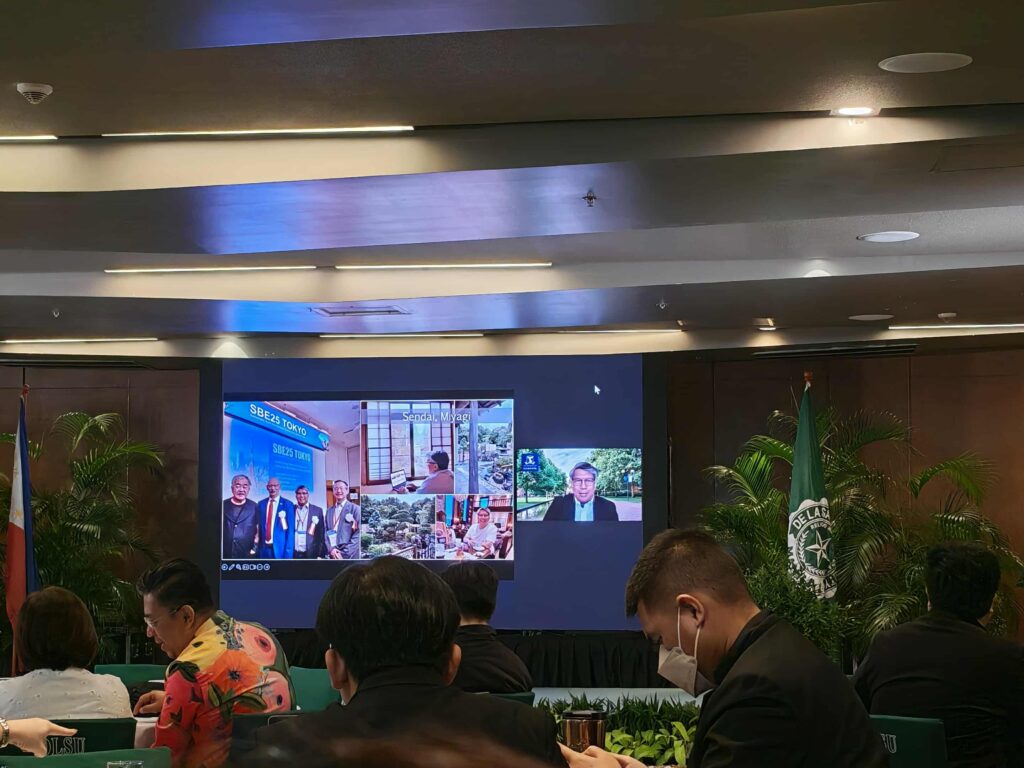
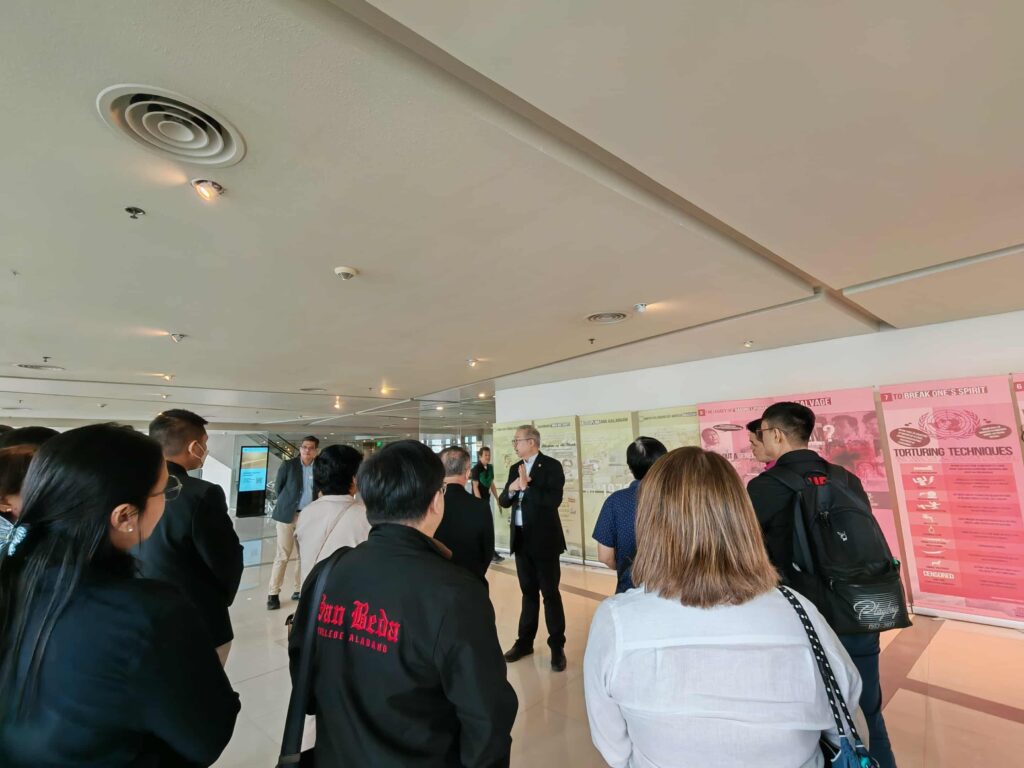
Professor Magno also highlighted the SDG City Model to which the University has adapted. The SDG City Model was developed to provide research and technical support to LGUs in achieving the localized SDGs through a multi-stakeholder engagement process. On the other hand, Prof. Greg Foliente, a Faculty member of University of Melbourne, underscored the vital role of academic institutions in promoting sustainability, emphasizing innovation, collaboration, and research-driven solutions to address environmental and social issues. Following the Plenary sessions and open forum, the participants were treated with a guided campus tour.
The afternoon session highlighted two (2) panel discussions. Panel A focuses on “Sustainable Futures and Smart Innovations for Development” while Panel B delved into “Higher Education, Sustainability, and Human-Centered Development.” During the latter session, Dean Magpatoc presented her study titled “Heritage Matters: Building Sustainable Cities Through Culture, Craft, and Tradition. which underscored the importance of preserving cultural heritage as a foundation for sustainable urban development.
A particularly thought-provoking moment came during the question-and-answer session when Dean Magpatoc addressed concerns about the conflicting issue between modernization and cultural preservation. Her perspective offered a refreshing reframing of what many perceive as an inherent conflict. “Modernization doesn’t really cause the loss of preservation,”
she explained. “In fact, it could provide tools that we can utilize to further revitalize and replicate the cultural practices and traditions that we want to preserve.” Dean Magpatoc’s insight highlights an important dimension of sustainable development—one that addresses the needs and wants of the present generation while honoring our heritage. Rather than viewing technology as a threat to tradition, we can harness AI, YouTube, and digital platforms as vehicles for cultural preservation and transmission. The key, she emphasized, is ensuring that even as we employ these modern tools, we remain rooted in our shared humanity and the values that define our cultural identities.
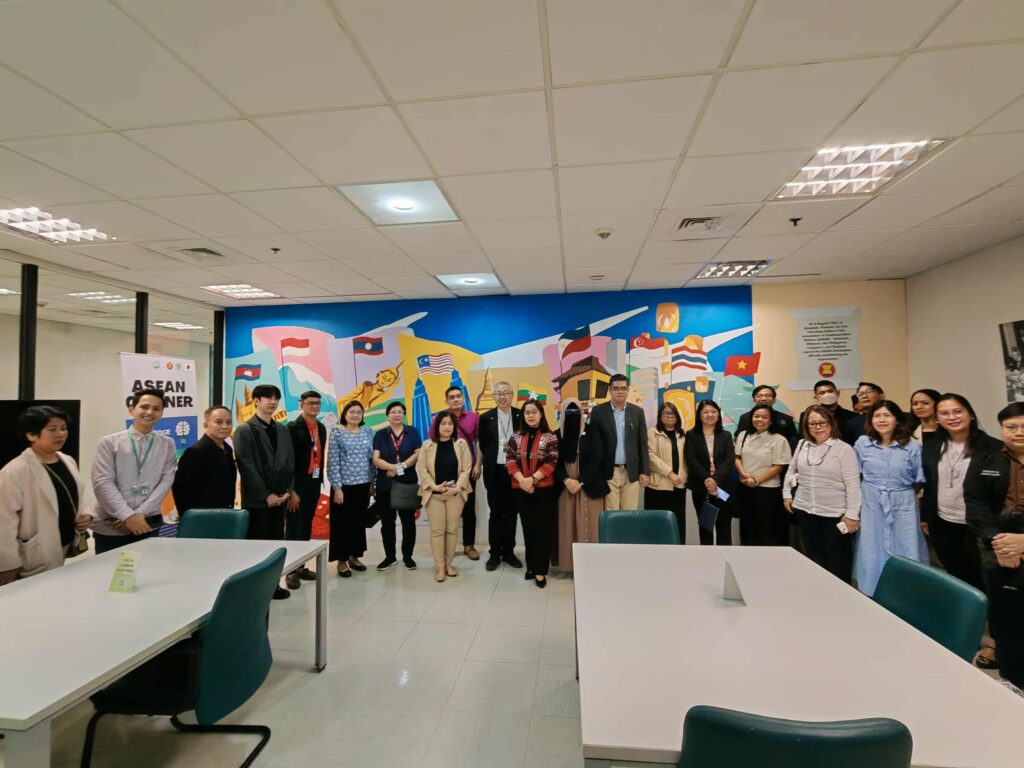
The conference served as a powerful reminder that the SDGs are indeed everyone’s business. The path to a sustainable future will be paved not by isolated efforts but through the deliberate cultivation of partnerships between academia, government, civil society, and the private sector. As participants departed from the closing ceremonies, the challenge ahead was clear: translating dialogue into action. The networks formed and ideas exchanged during the conference represent seeds of collaboration that must now be nurtured and developed.
The initiative was able to accomplish the following SDGs:
SDG 4: Quality Education: By ensuring that learners acquire the knowledge and skills needed to promote sustainable development, including through education for sustainable lifestyles, human rights, and cultural diversity
SDG 11: Sustainable Cities and Communities: By integrating culture, innovation, and education into urban development discussions, the University of Baguio (UB) contributes to sustainable and inclusive city growth that balances modernization and cultural preservation.
SDG 17: Partnership for the Goals: By engaging in cross-border academic and institutional collaborations, the University of Baguio achieves SDG 17, which emphasizes the enhancement of global partnerships to mobilize and share knowledge, expertise, and technology for sustainable development.