
Written by John Oliver Ramos, BA English Language Faculty
On February 20, 2026, the BA English Language and BSEd Faculty Clusters of the University of Baguio gathered at the Centennial AVR for Seminar 2 of the T.E.A.C.H. Seminar Series, Teaching Enhance Advancement for Competent and Holistic Educators. The session, entitled “Building CEFR-Aligned Assessments: A Practical Guide for Teachers,” ran from 1:00 PM to 3:00 PM. The seminar was conducted in compliance with the Faculty Development Plan for the Second Semester, but more than that, it felt like a meaningful professional conversation among colleagues who share the same goal: improving how we teach and assess language.
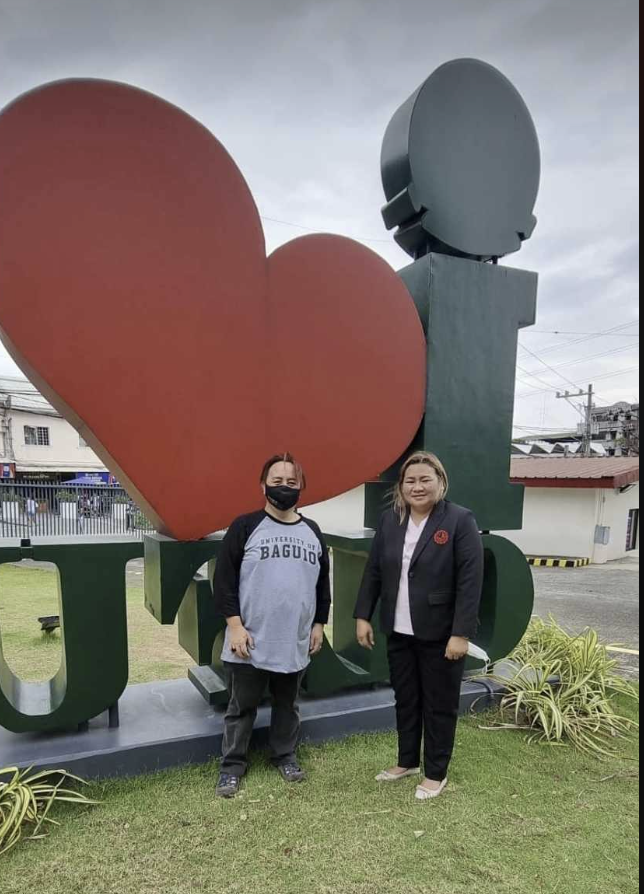
The resource speaker, Czarina A. Alvaro-Abenoja, PhDLE, President of Cebu Blue Ocean Academy and Vice President for Human Resources and External Affairs of Pines International Academy, was introduced by BA English Language Program Chairperson Dr. Michelle Ranges. She opened her talk with an engaging anecdote about a chauffeur and his boss who switched roles during a speaking engagement. The story immediately captured the audience’s attention and set the tone for a reflective afternoon.
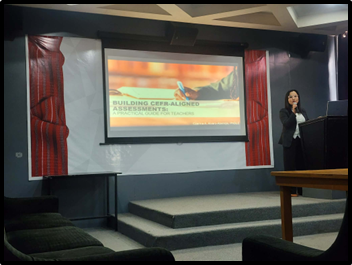
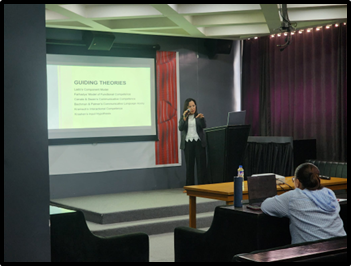
At the heart of the seminar was a simple but powerful reminder: communicative competence should be the anchor of our assessments. Dr. Alvaro-Abenoja revisited key ideas from Noam Chomsky, Dell Hymes, Michael Canale, Merrill Swain, and Lyle Bachman. She connected these to the Common European Framework of Reference for Languages or CEFR, a widely used framework that describes language proficiency through clear “can do” statements from A1 to C2.
CEFR focuses on what learners can do with the language, not just what they know about it. It serves as a roadmap to proficiency. All four macro skills, listening, speaking, reading, and writing, are assessed based on performance. In many parts of the world, the CEFR levels are used as they are. In several Asian countries, sub-levels are added to reflect more specific stages of development. The discussion helped faculty members see assessment not just as grading, but as guiding learners toward measurable growth.
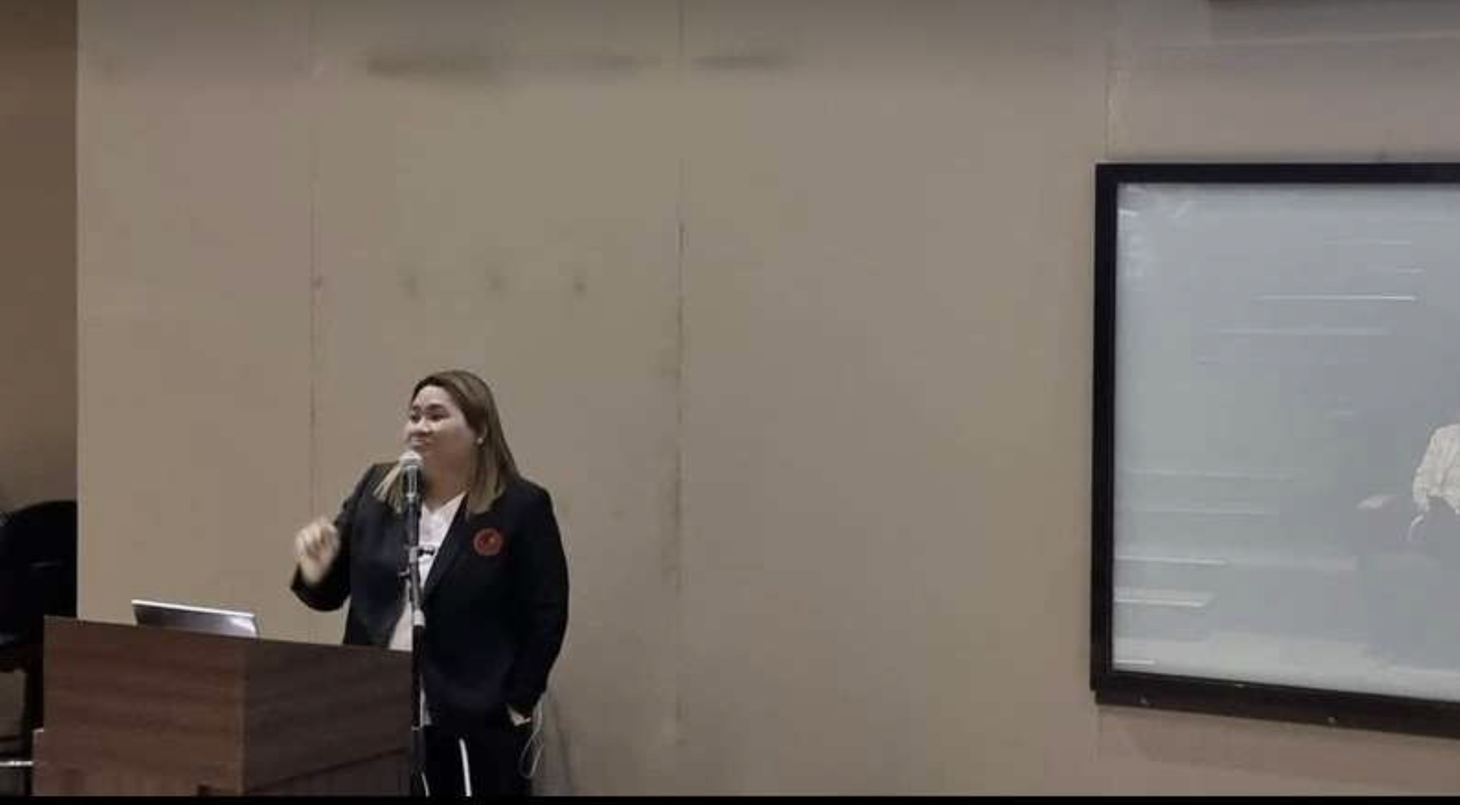
One of the most engaging parts of the seminar was when the speaker asked practical questions that we ourselves often face in the classroom. Do we give a point in a listening test if a student clearly heard the word but misspelled it in the answer sheet? In a speaking test, do we award points if a student asks for clarification instead of giving an immediate response? The room came alive with honest answers. Some shared that they would still give points, considering that learners of a new language may need extended consideration. Others said it would depend on the rubric. One colleague mentioned that while no point may be given in a strict sense, the student should still be assisted so that learning continues. The exchange showed that assessment is not just technical. It is also reflective and value-driven.
The seminar also connects strongly with the direction of the University of Baguio, which has been aiming for its instructors to reach at least a C2 level under the CEFR. C2 represents a very high level of proficiency, where users can express themselves fluently and accurately in almost any context. This institutional goal strengthens the objectives of the BA English Language and BSEd programs, both of which aim to develop competent, reflective, and globally competitive educators and language professionals.
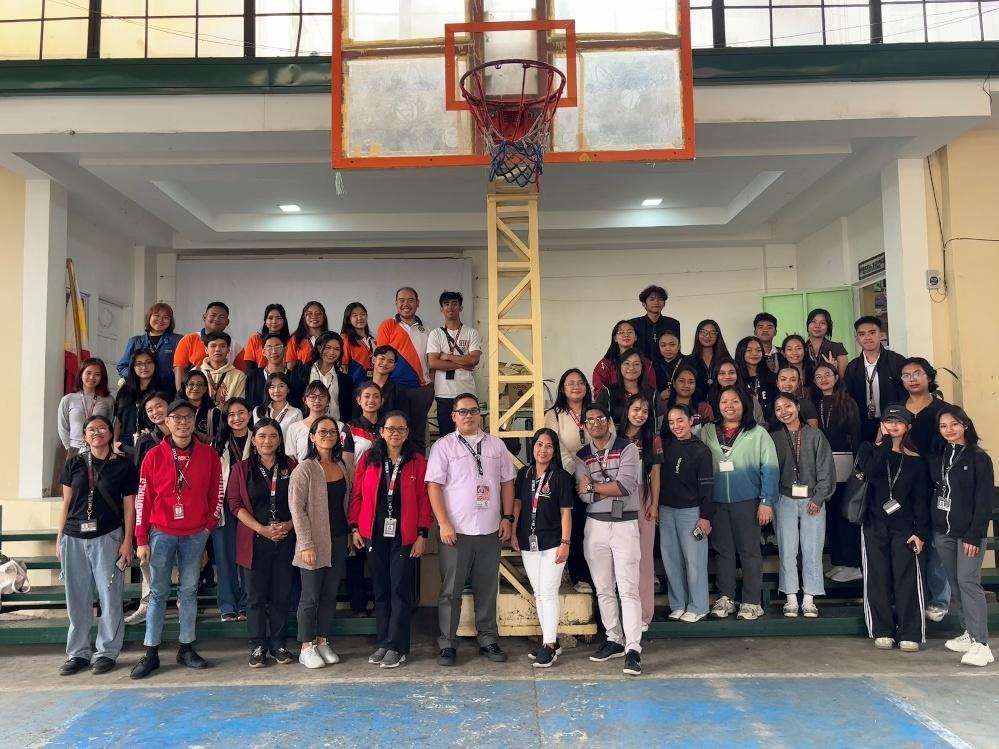
In a broader sense, these efforts contribute to the vision of the United Nations through the United Nations Sustainable Development Goals, particularly Goal 4 on Quality Education. Strengthening assessment practices means strengthening learning outcomes. The session ended with a quote that resonated with everyone in the room: “There is tremendous power in measuring performance because what gets measured, gets improved.” Dr. Dahlia Soriano, BSEd Program Chair, awarded the certificate to the speaker, and the seminar concluded with a photo opportunity shared by the guest and the faculty participants.
More than just another seminar in the series, the session served as a timely reminder that our assessment practices must be aligned, standards-based, and focused on real performance. For the BA English Language and BSEd faculty, it was not simply about compliance. It was about recalibrating our work so that what we measure truly supports what we value in language teaching and learning.