
Written by: Edria P. Sevilla and Fadjomarah B. Buyuccan | Photos by: Jelisa T. Valdez and Denmark Rey Velasco
From the highlands of Mountain Province to the heart of Batangas, the School of Criminal Justice and Public Safety bridges culture, justice, and creativity—earning top honors and inspiring unity through its award-winning exhibits.
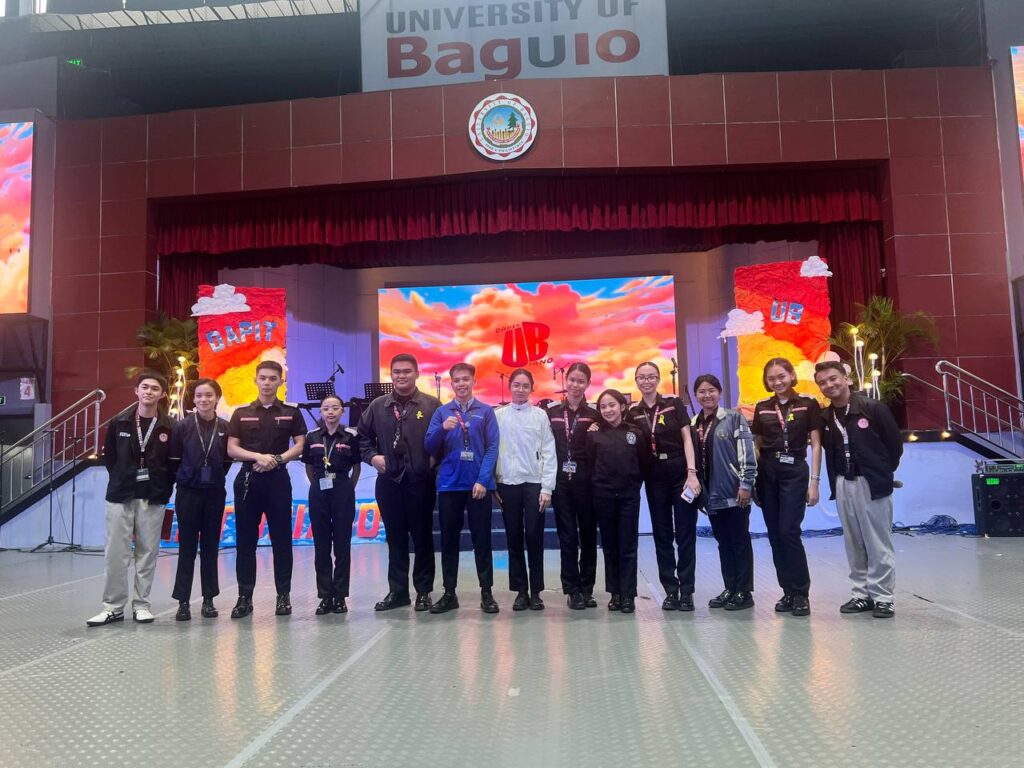
BAGUIO CITY — The University of Baguio (UB) School of Criminal Justice and Public Safety (SCJPS) proudly made its mark at DAPIT UBIANO 2025: Retracing Footsteps in the Familiar with three distinctive entries that celebrated culture, creativity, and organizational identity. Representing the department were the SCJPS Collab Booth featuring Mountain Province, the Forensic Science Society Booth highlighting Batangas, and the Post Mortem Booth, which showcased the organization’s own story and identity.
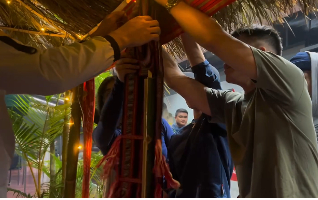
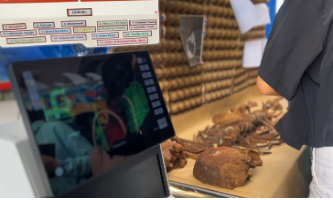
The SCJPS Collab Booth—a joint effort by the Student Body, Performing Arts Club, Junior Police Club, and Praeclarus Society—offered visitors an immersive cultural experience rooted in Mountain Province traditions. Interactive “Minute to Win It”-style games tested visitors’ focus and strategy, while displays of miniature landscapes, replicas of hanging coffins, and authentic bone exhibits provided an insightful look into one of the province’s most sacred practices. To further engage participants, the team prepared stickers, crochet crafts, delicacies, and personalized “agent cards,” effectively blending cultural appreciation with criminology identity.
The highlight came on the final day with the Balangbang dance, a traditional communal performance of thanksgiving, where officers skillfully led the steps and later invited guests to join. This moment embodied the unity and collective spirit of Cordilleran culture, reinforcing the essence of collaboration and community.
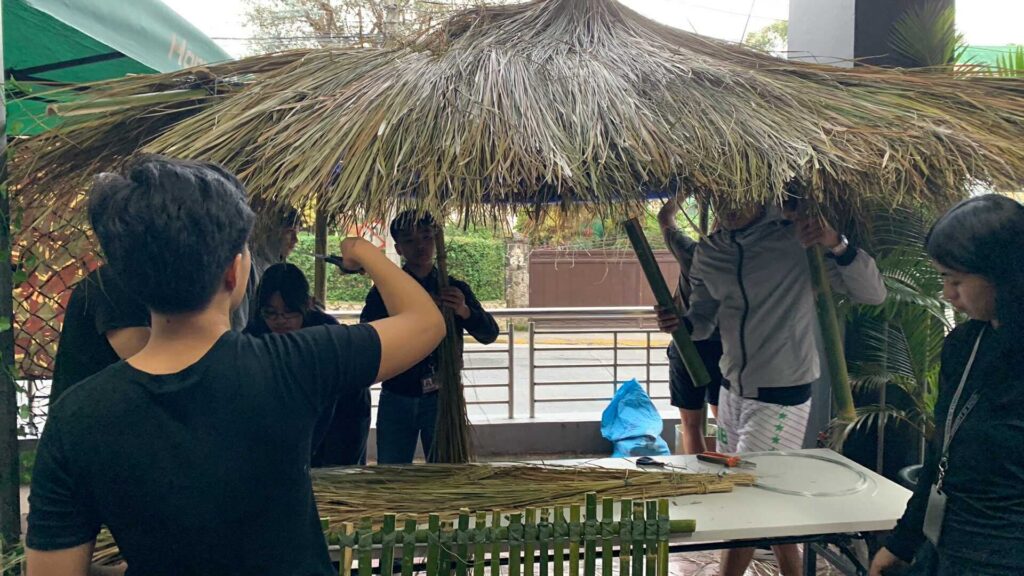
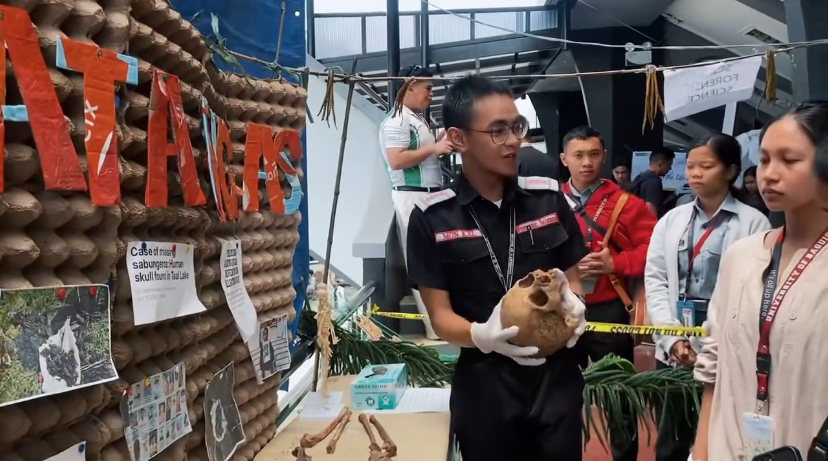
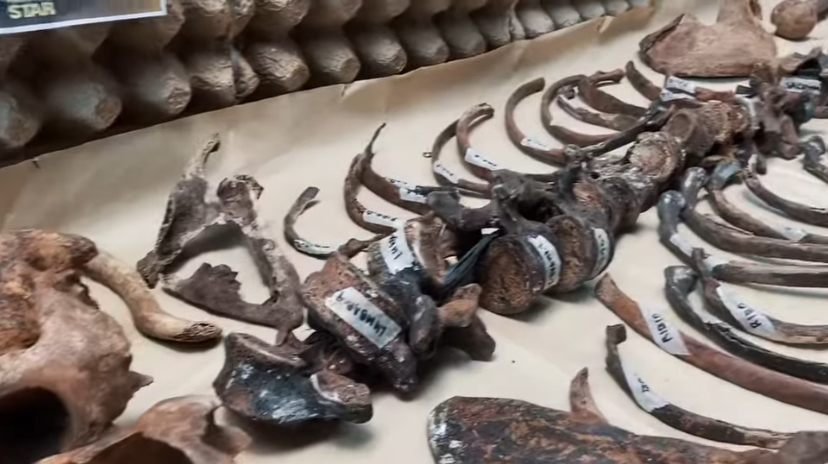
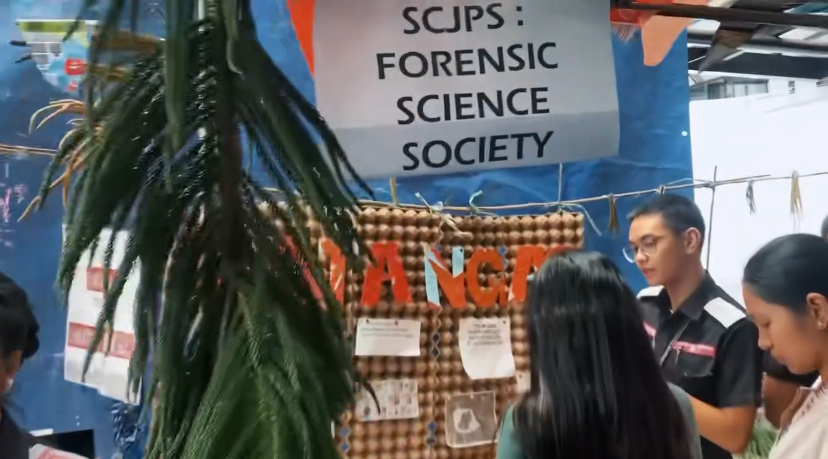
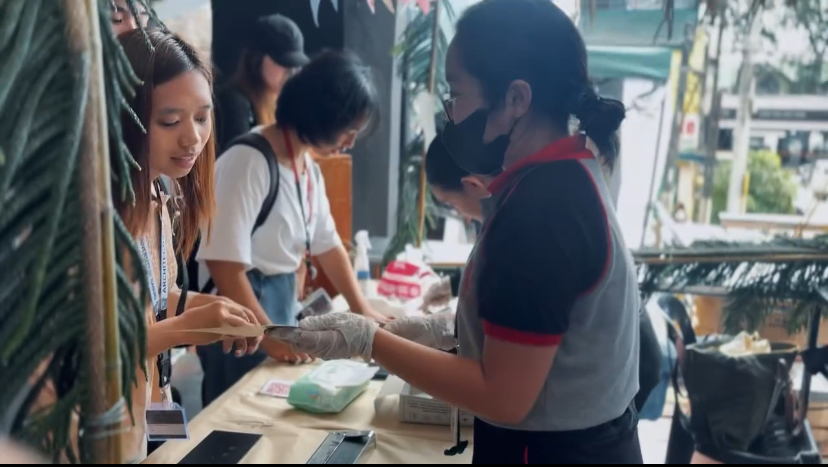
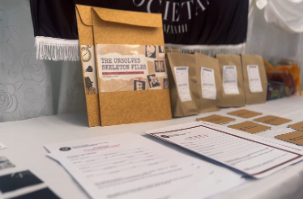
Meanwhile, the Forensic Science Society Booth spotlighted Batangas by intertwining cultural identity with contemporary issues. As the home of the country’s controversial sabong industry, Batangas became the focal point for discussions on the recent cases of missing sabongeros—a pressing national issue that underscores justice, investigation, and accountability. Through this integration, the booth not only celebrated Batangueño culture but also demonstrated how forensic science and criminology intersect with real-world social challenges. The presentation embodied the event’s theme, “Retracing Footsteps in the Familiar,” emphasizing the role of forensic inquiry in addressing unresolved cases while grounding the narrative in local heritage.
Completing the trio, the Post Mortem Booth offered a reflective look at the organization’s distinct identity and contributions within SCJPS. Its exhibit highlighted the solidarity and dedication of its members, reminding the UB community of the importance of organizational pride and the impact of student groups in cultivating a strong academic culture.
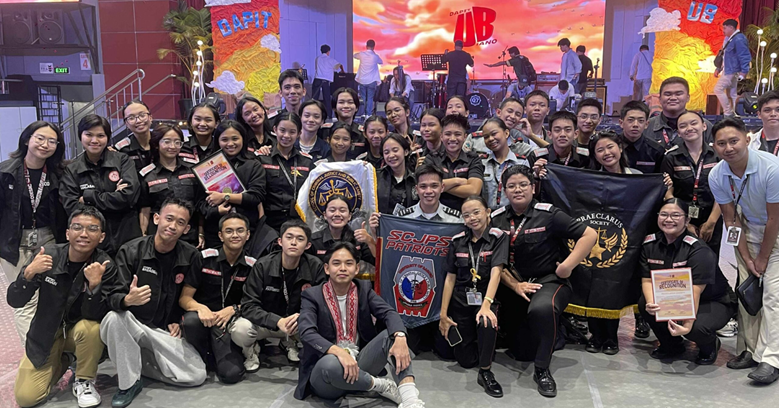
The collective efforts of SCJPS earned multiple recognitions in the Booth-Making Competition:
- Booth of the Year – First Runner-Up: Forensic Science Society (Batangas)
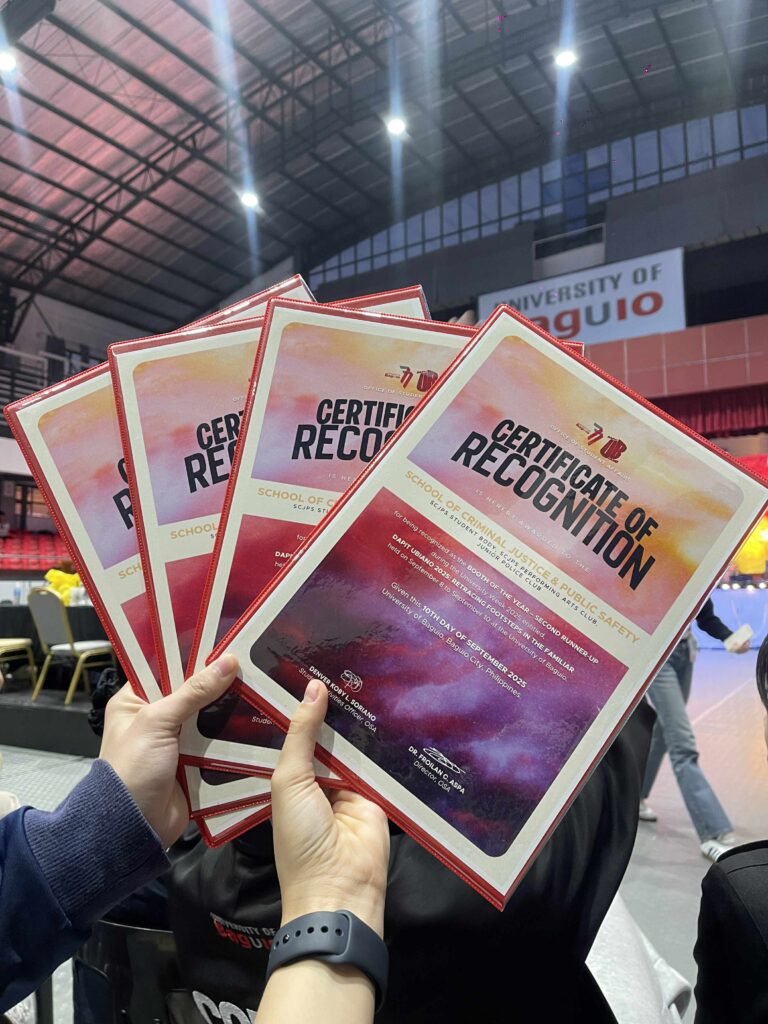
- Booth of the Year – Second Runner-Up: SCJPS Collab (Mountain Province)
- Most Creative Award: Forensic Science Society (Batangas)
- Sustainabooth Award: SCJPS Collab (Mountain Province)
- PINASikap Award: SCJPS Collab (Mountain Province)
- Most Organized Award: SCJPS Collab (Mountain Province)
Beyond the booth contests, the University of Baguio also earned recognition in the Video Competitions, securing:
- School Marketing Video – Second Runner-Up
- SDGs in Action: PSA Advocacy Campaign – Second Runner-Up
These recognitions demonstrated UB’s collective creativity and advocacy in showcasing institutional identity and commitment to sustainable development.
The participation of SCJPS in DAPIT UBIANO 2025 also reflected the department’s alignment with the United Nations Sustainable Development Goals (SDGs). By promoting cultural preservation, the entries advanced SDG 11 (Sustainable Cities and Communities). The collaboration across organizations embodied SDG 17 (Partnerships for the Goals), while the innovative displays contributed to SDG 4 (Quality Education) by extending learning beyond the classroom. By affirming diverse identities—from cultural heritage to organizational pride—the projects resonated with SDG 10 (Reduced Inequalities).
Moreover, the Forensic Science Society’s booth strongly echoed SDG 16 (Peace, Justice, and Strong Institutions), as it raised awareness about justice and accountability through the issue of the missing sabongeros. This initiative reflected the department’s academic and ethical commitment to strengthening justice systems, promoting transparency, and fostering public trust in legal and investigative institutions. By engaging the community in conversations about real-world cases and forensic inquiry, SCJPS advanced the values of peace, justice, and institutional integrity—core pillars of both its curriculum and the UN’s global agenda.
Through its three entries, SCJPS reaffirmed its role as a department that values unity, creativity, and social responsibility. By retracing cultural and organizational roots while fostering collaboration, the school strengthened both its identity and its bonds within the University of Baguio community, living out its values of integrity, service, and excellence.