
Written by: Mr. Justin Joseph T. Almarvez, Dr. Filibert Patrick F. Tad-awan, Mr. Marc Gerard Mabunga and Ms. Karla G. Cayasfon
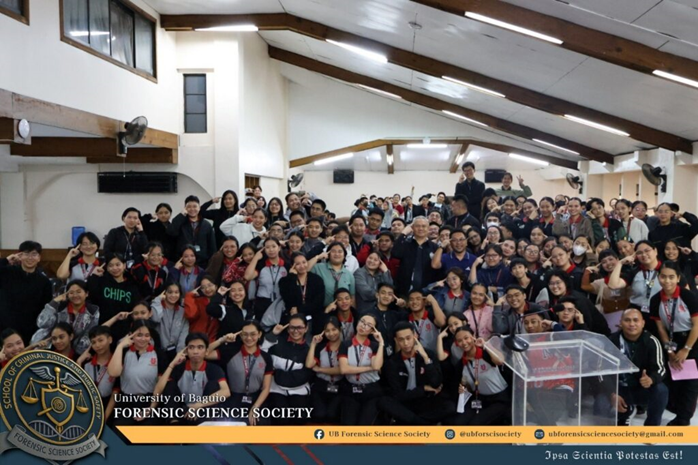
The University of Baguio – School of Criminal Justice and Public Safety (SCJPS) and the Forensic Science Society as part of the university’s continuing pursuit of excellence in forensic science education and public service Strengthened by collaboration with the National Bureau of Investigation (NBI) Disaster Victim Identification (DVI) Division, the alliance aims to provide students and faculty with advanced forensic knowledge, enhance practical competencies, and promote ethical practices anchored in justice and human dignity. This commitment was exemplified during the two-day seminar titled “From the Missing to the Identified: Forensic Approaches to DVI and Sexual Assault Investigation for Justice and Human Dignity” held on October 18–19, 2025, at the FGB Hall, University of Baguio.
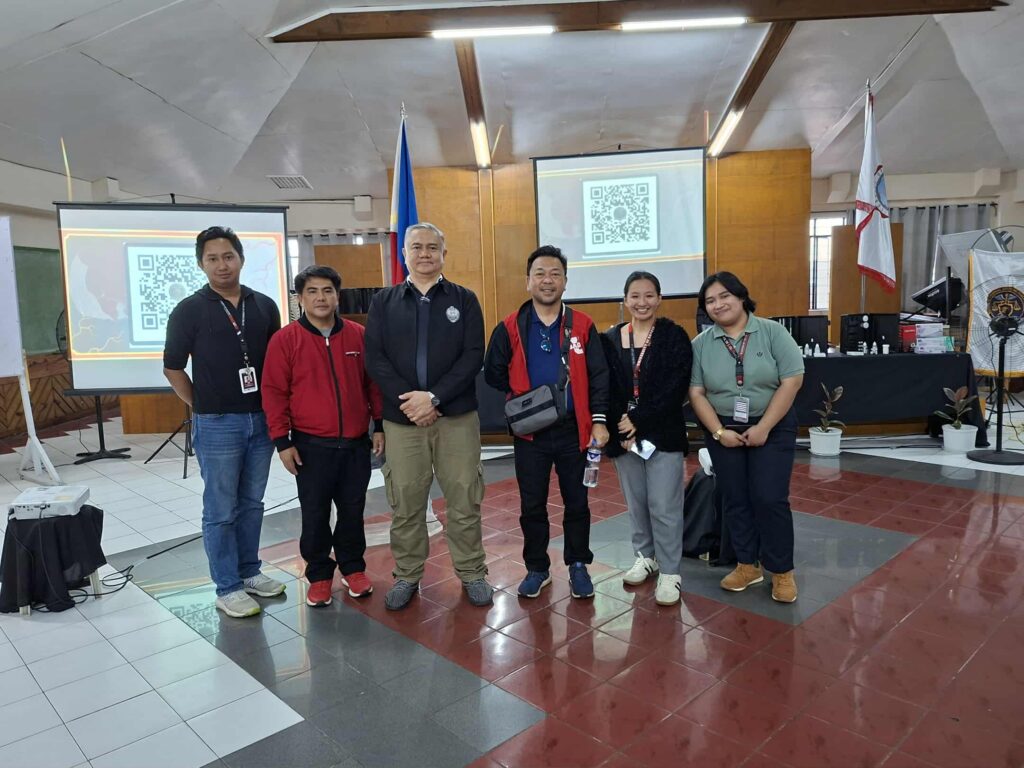
The event was organized by the School of Criminal Justice and Public Safety (SCJPS) faculty team: Dr. Charesma Grace K. Lud-ayen, Dr. Filibert Patrick F. Tad-awan, Ms. Karla G. Cayasfon, Mr. Justin Joseph T. Almarvez, Ms. Hannah G. Monang, Mr. Marc Gerard C. Mabunga, through the effort of Dr. Zorba Bnn R. Bautista, Chairman of the Board of Directors of the University of Baguio. Dr. Bautista who was present during both days of the seminar, provided essential leadership and support to the organizing team. Dr. Filibert Patrick F. Tad-awan, Program Chair for Forensic Science, and the SCJPS faculty supervised the successful event.
More than 150 students and faculty members from the Forensic Science program have benefited from collaborative activities and training sessions designed to strengthen forensic competency and ethical awareness.
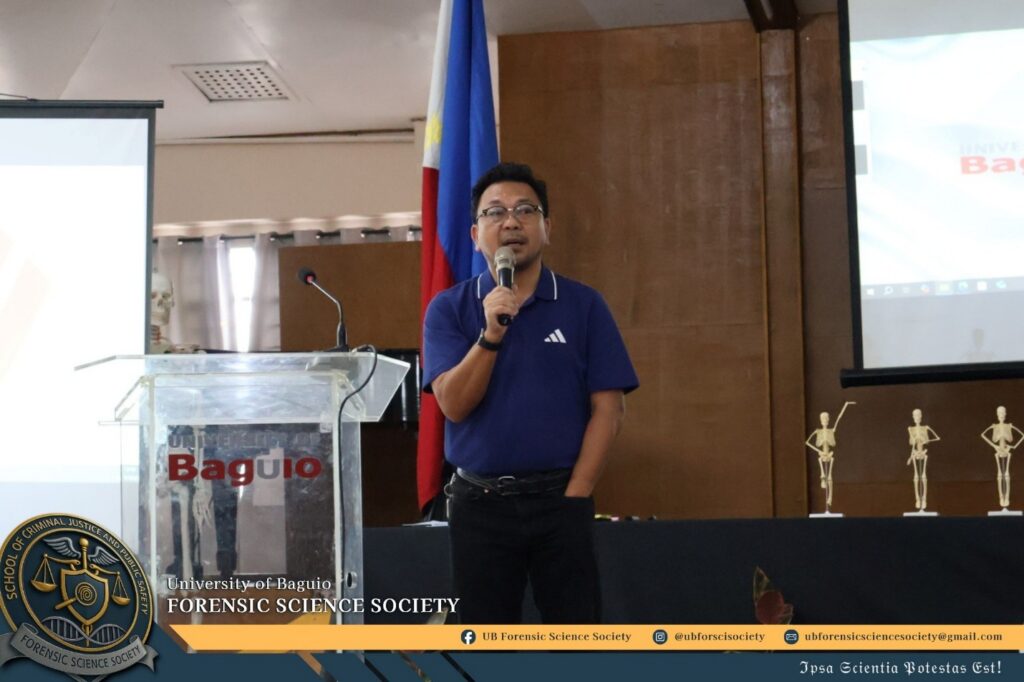
A significant milestone in this partnership was the lecture of Dr. Wilfredo E. Tierra, Chief of the NBI Disaster Victim Identification Division, whose presentation provided in-depth insights into real-world forensic procedures. His sharing of experiences in both national and international DVI missions inspired students to view forensic work as a mission of compassion and precision. Participants described the experience as both “academically enriching and emotionally transformative,” reaffirming their motivation to pursue truth and justice through science.
Participants learned about key forensic techniques such as DNA analysis, post-mortem identification, evidence collection, and multidisciplinary coordination, which are critical in both disaster and criminal contexts. The speaker also emphasized the importance of empathy and sensitivity when dealing with victims and their families — a reminder that science must always serve humanity.
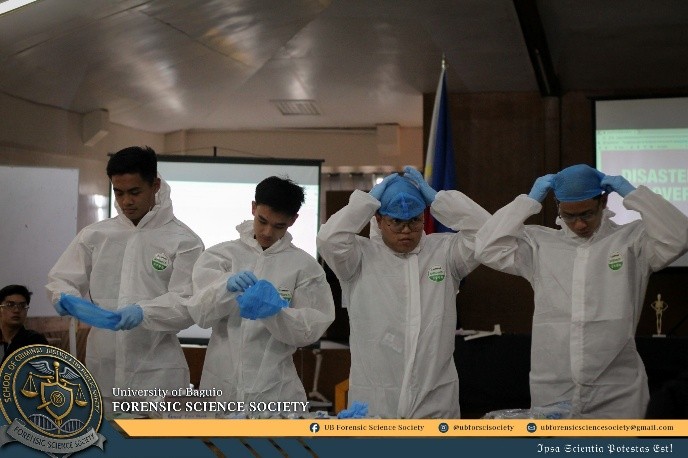
Students described the seminar as intellectually demanding and emotionally profound. “Our brains are full, and our notebooks are crying for mercy,” one participant shared humorously, “but the experience was more than worth it.” The event not only expanded their academic understanding but also strengthened their sense of moral responsibility as future forensic scientists.
The collaboration continues to thrive through the integration of forensic education, professional lectures, and community engagement programs. Expert lectures and workshops on DNA profiling, post-mortem identification, and sexual assault evidence management. These ongoing efforts not only sustain the momentum of the partnership but also cultivate a vibrant academic environment that fosters innovation and compassion in forensic practice.
This partnership contributes to several United Nations Sustainable Development Goals (SDGs):SDG 3: Good Health and Well-Being – by promoting forensic practices that respect human dignity and ensure the humane handling of victims and survivors. SDG 4: Quality Education – by providing experiential learning opportunities that bridge academic theories with practical, ethical applications in forensic science. SDG 16: Peace, Justice, and Strong Institutions – by advancing forensic methodologies that strengthen justice systems through transparency, accountability, and scientific rigor. SDG 17: Partnerships for the Goals – by highlighting the collaboration between the University of Baguio, the NBI, and the Forensic Science Society in building knowledge networks that contribute to justice and human rights.
Through these contributions, the University of Baguio demonstrates its integral role in advancing sustainable, ethical, and globally responsive forensic education.
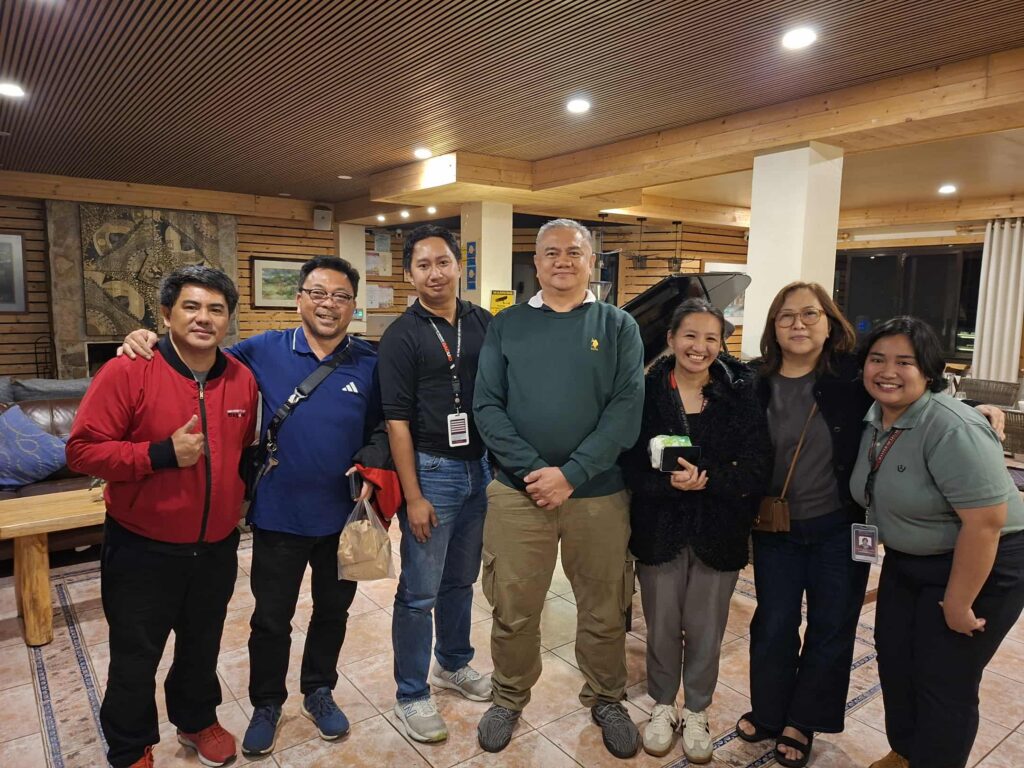
The seminar “From the Missing to the Identified” stands as a testament to the enduring partnership between the University of Baguio and its collaborators in the forensic and justice sectors. Guided by the leadership of Dr. Zorba Bautista and the supervision of Dean Dr. Charesma Grace K. Lud-ayen, the event reaffirmed the university’s commitment to cultivating competence, compassion, and integrity in future forensic professionals. Moving forward, the partnership seeks to expand its network of collaborators, increase student engagement, and develop more inclusive capacity-building initiatives that align with the global call for justice, peace, and human dignity.