
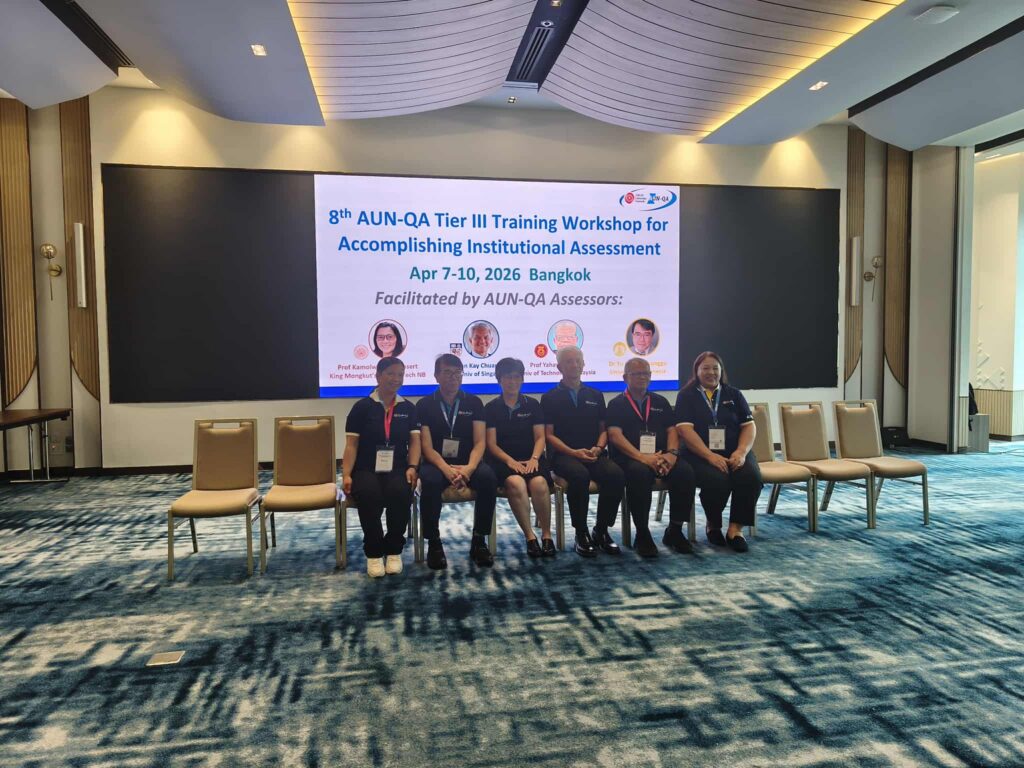
The University of Baguio (UB), in its continuing pursuit of academic excellence and global competitiveness, reinforced its institutional quality assurance systems through participation in the 8th ASEAN University Network – Quality Assurance (AUN-QA) Tier III Training Workshop for Accomplishing Institutional Assessment conducted from April 7 to 10, 2026 at the Novotel Bangkok Platinum Pratunam.
Representing UB were Dr. Janice Kaylyn K. Lonogan, Vice President for Academic Affairs, and Dr. Kareen B. Leon, Director of the UB-Quality Assurance Office. Their participation underscores UB’s strategic intent to align its academic and institutional practices with internationally recognized quality assurance standards.
The training primarily aimed to deepen institutional capacity in implementing outcomes-based quality assurance at the highest level of the AUN-QA framework. Specifically, it focused on strengthening internal quality assurance mechanisms, refining continuous improvement processes, and enhancing the university’s ability to engage in international benchmarking. Through intensive sessions and collaborative learning, the program sought to equip higher education leaders with the tools necessary to sustain a culture of quality that permeates all academic, administrative and finance functions.
This initiative significantly contributes to the advancement of the United Nations Sustainable Development Goals, particularly SDG 4 (Quality Education), SDG 8 (Decent Work and Economic Growth), and SDG 17 (Partnerships for the Goals). By investing in advanced quality assurance training, the University of Baguio strengthens its capacity to deliver inclusive, equitable, and high-quality education, thereby supporting SDG 4. Furthermore, the enhancement of academic programs and institutional systems directly contributes to the development of graduates who are better equipped for the workforce, aligning with SDG 8’s emphasis on productive employment and sustainable economic growth. The engagement with the ASEAN University Network (AUN-QA) also reflects a strong commitment to SDG 17, as it fosters international collaboration, knowledge exchange, and the harmonization of educational standards across borders.
The training exemplifies transformation through the continuous improvement of institutional systems, Harmonization with regional and global quality assurance frameworks, and engagement with international partners to advance shared educational goals.
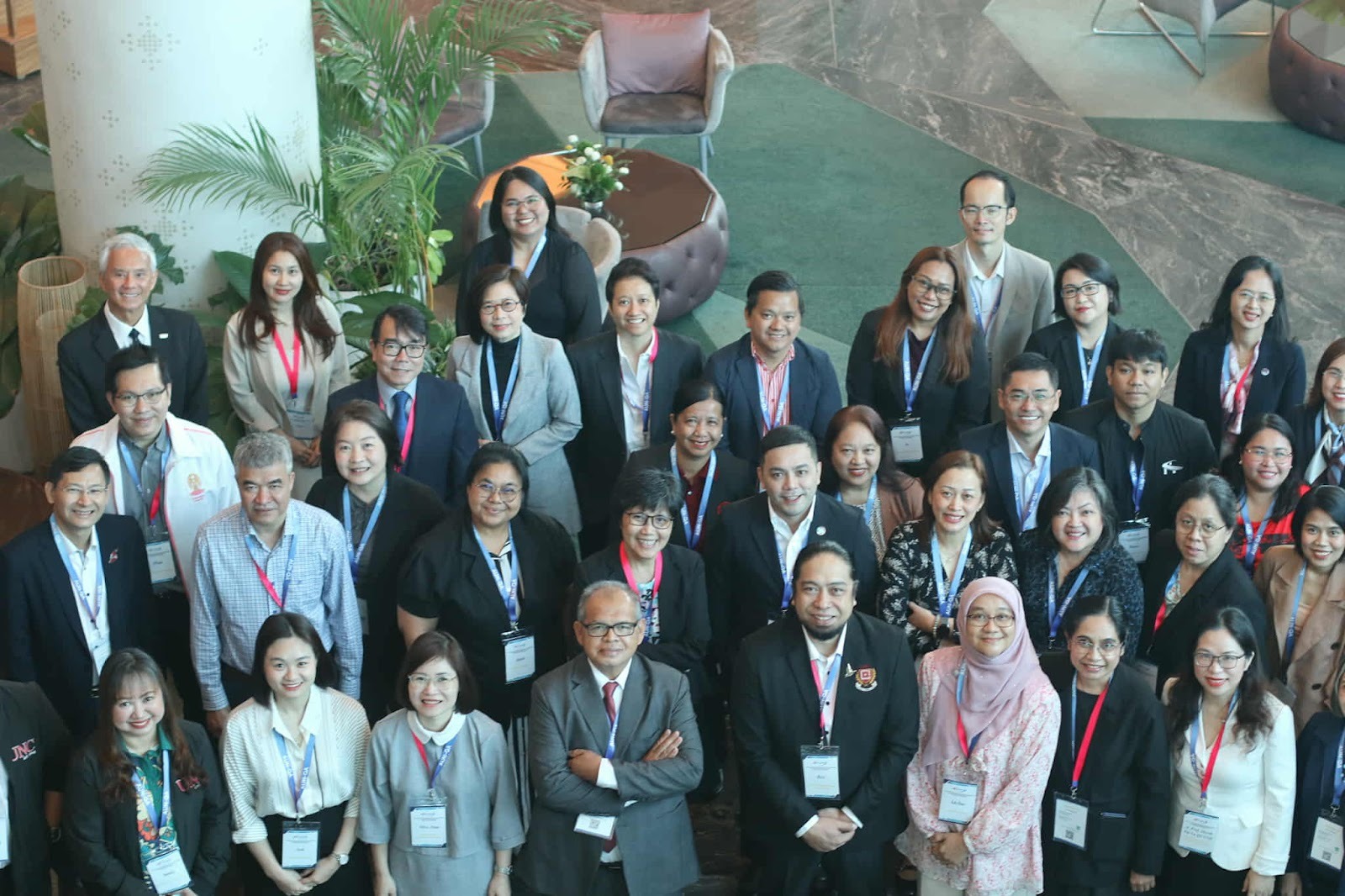
The AUN-QA Tier III Training Workshop convened a diverse group of higher education leaders, quality assurance practitioners, and institutional representatives from across the ASEAN region. Within this dynamic learning environment, UB was represented by its key academic and quality assurance leaders, ensuring that both policy direction and implementation perspectives were actively integrated.

Dr. Lonogan and Dr. Leon aim to contribute further to strategic academic leadership by aligning the insights gained from the training with the university’s broader educational vision and academic policies. Complementing this role is to also translate the AUN-QA framework and model into actionable quality assurance practices within UB’s systems.
The training was facilitated by the ASEAN University Network pool of seasoned speakers, who provided expert-led sessions on institutional assessment, quality audit processes, and continuous improvement strategies. Through this activity, participants were able to engage in meaningful exchanges of best practices and benchmark their institutional approaches against regional and international standards.

The immediate outcomes of the training are evident in the enhanced competencies of UB’s representatives in institutional-level quality assurance assessment. The activity provided deeper insights into the institutional assessment framework, enabling participants to better understand the complexities of evaluating entire institutional systems rather than individual programs alone. This expanded perspective strengthens the university’s readiness for international accreditation and external quality assessments.
Moreover, the training reinforced the importance of data-driven decision-making and outcomes-based education, both of which are critical in ensuring that academic programs remain responsive to evolving global demands. These newly acquired competencies are expected to cascade across the university, fostering a stronger culture of quality among faculty, administrators, and stakeholders.
In the long term, UB stands to benefit from the institutionalization of continuous quality improvement systems that align with global best practices. This will not only enhance the university’s reputation and competitiveness but also contribute to the development of graduates who possess the knowledge, skills, and competencies required in an increasingly interconnected world. Ultimately, the training supports UB’s mission of delivering transformative education that meets both national and international standards.
Through its participation in the AUN-QA Tier III Training Workshop, UB demonstrates a firm commitment to advancing academic quality through transformation, harmonization, and engagement. By strengthening institutional systems and fostering international partnerships, UB continues to position itself as a forward-looking institution dedicated to excellence in higher education within the ASEAN and global community.