
Written and Photographed by: May-an C. Tinangag
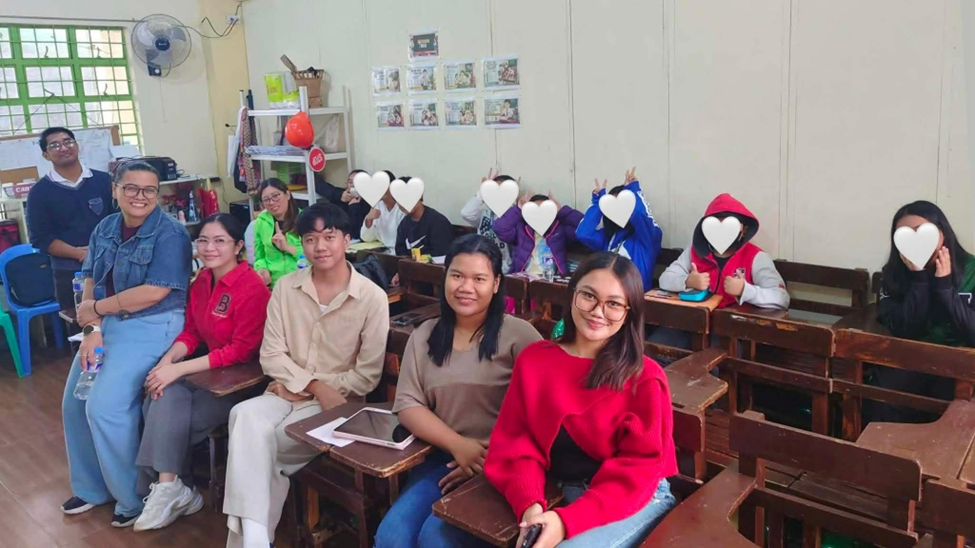
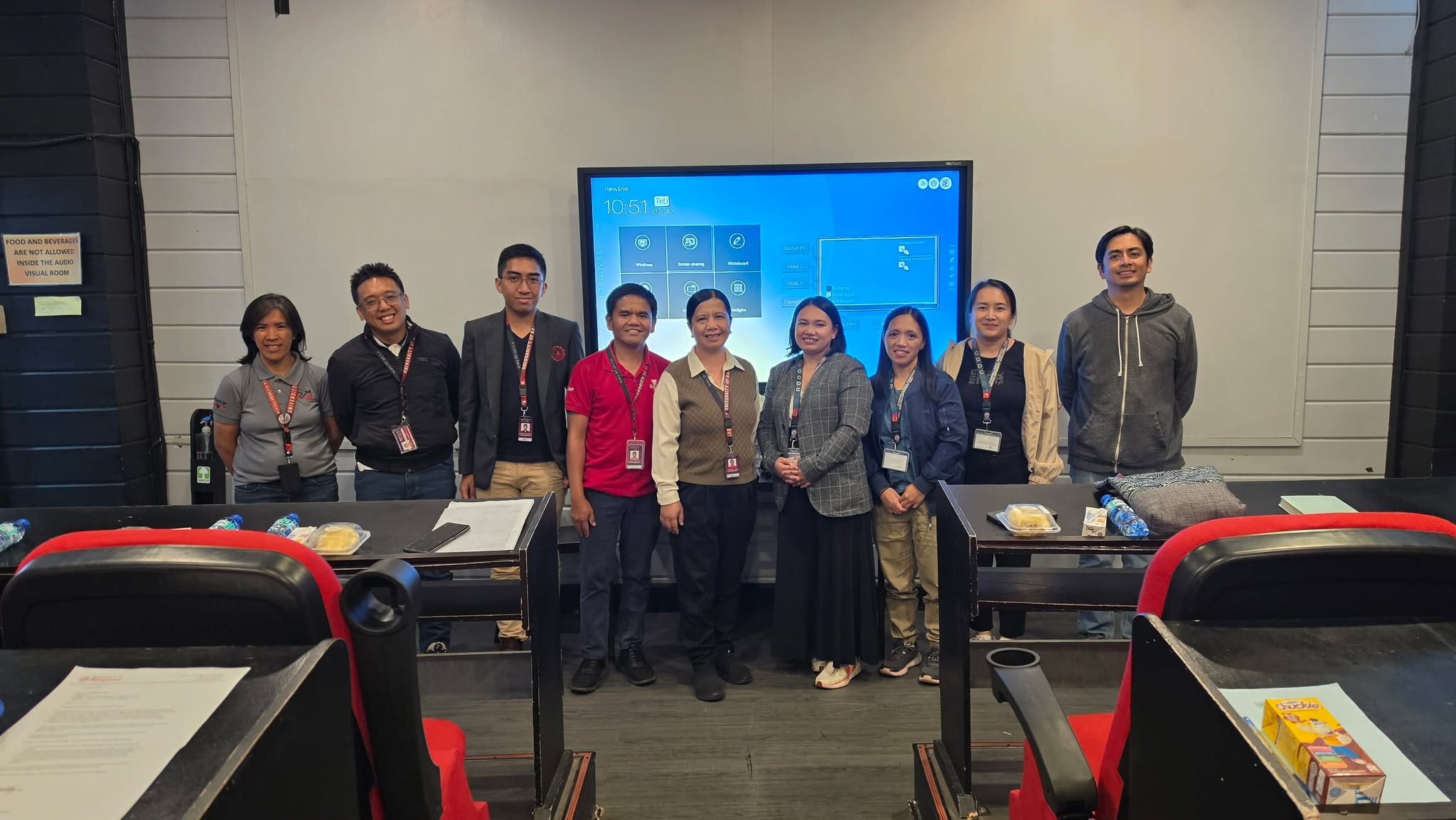
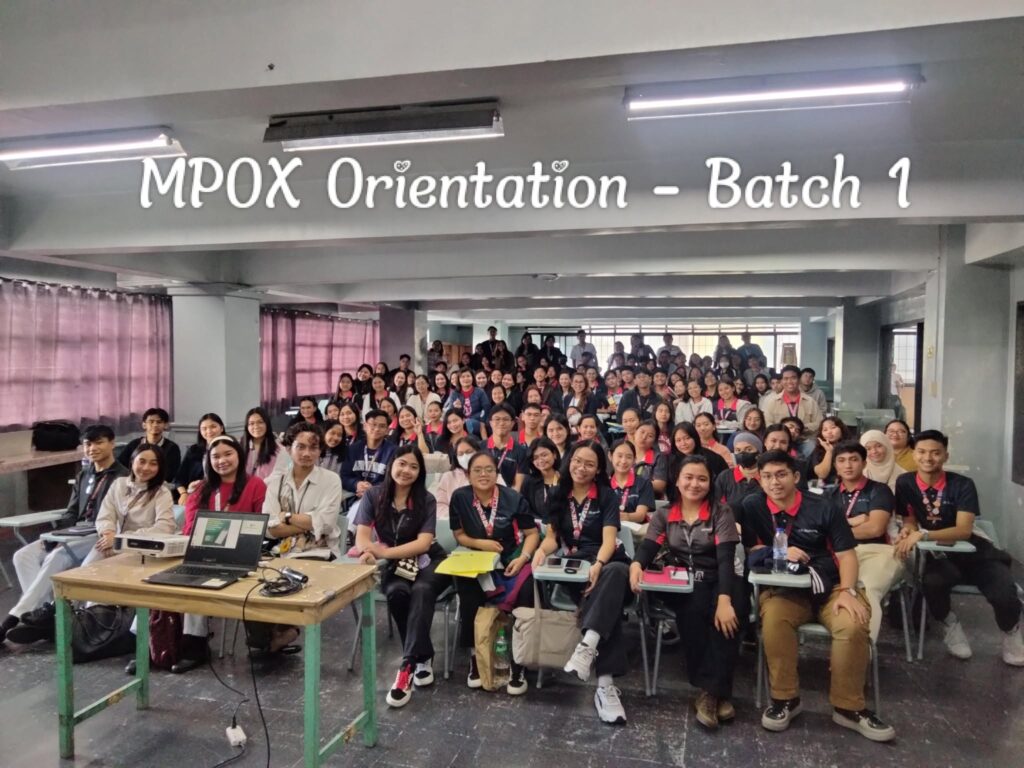
The orientation took place on February 14 at AMS Hall, led by the Department of Health
In response to the growing concerns surrounding emerging infectious diseases, the Risk Management Office, in collaboration with the Department of Health, organized a Monkeypox orientation session for students of the School of Natural Sciences (SNS) and the School of Nursing (SON) on February 14, 2025, at AMS Hall. This orientation aimed to provide vital information about Monkeypox (MPOX), a viral disease gaining global attention. The activity sought to educate future health professionals on the transmission, prevention, and management of MPOX, fostering awareness and preparedness among students who will play key roles in health community efforts and patient care.
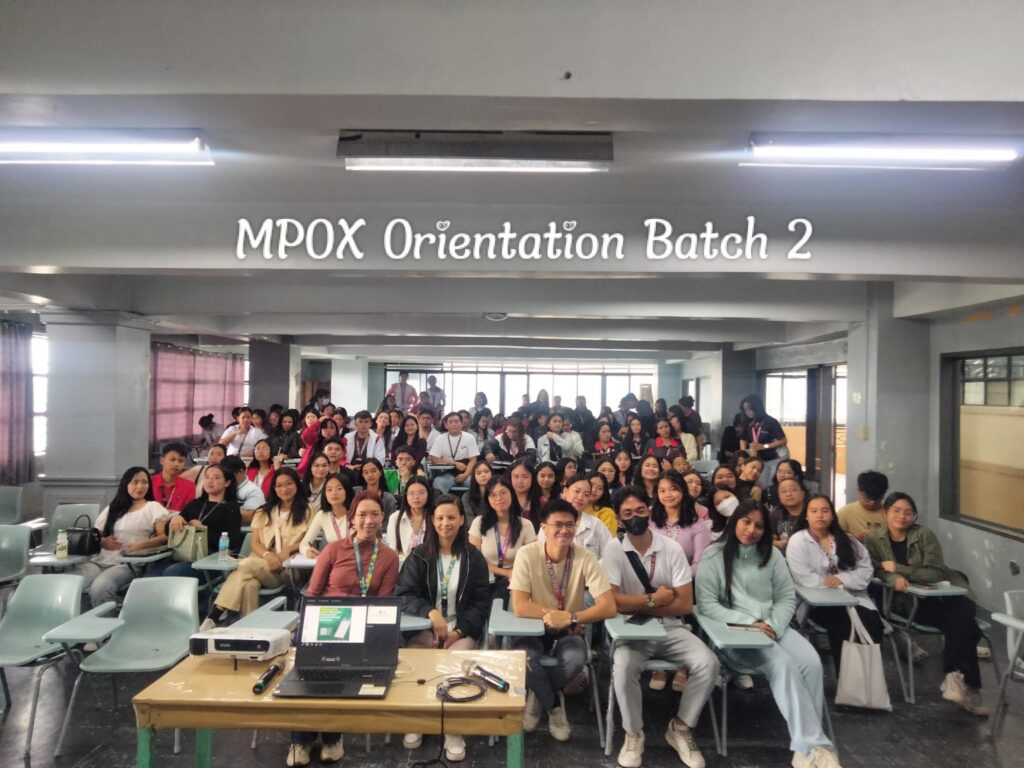
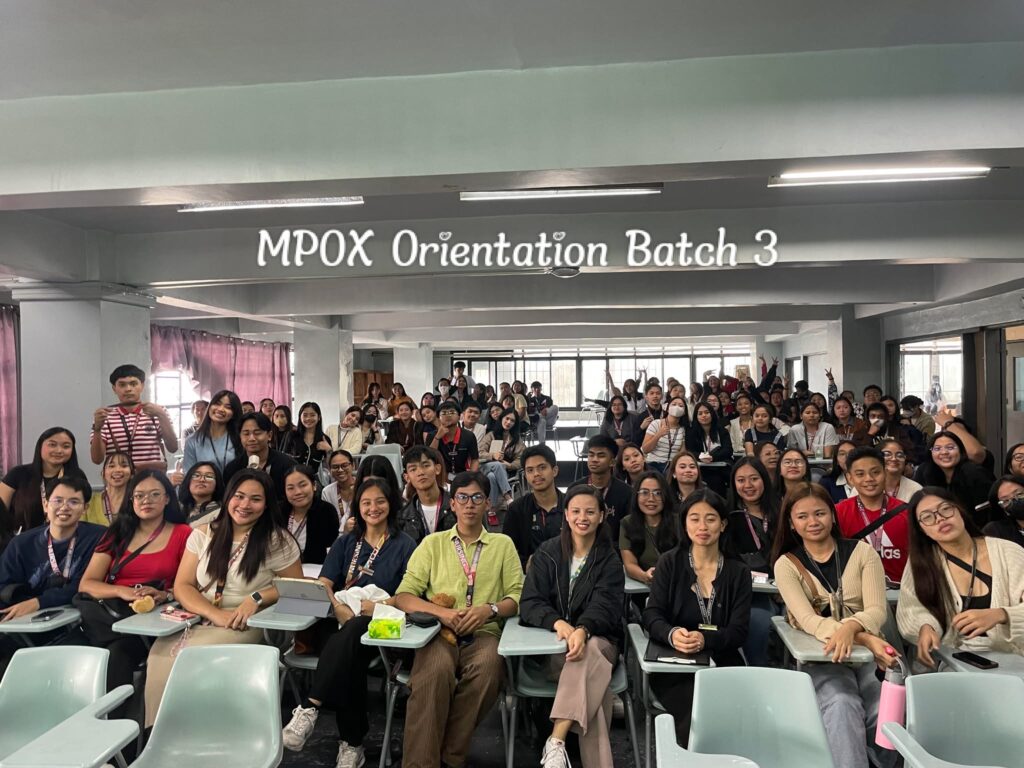
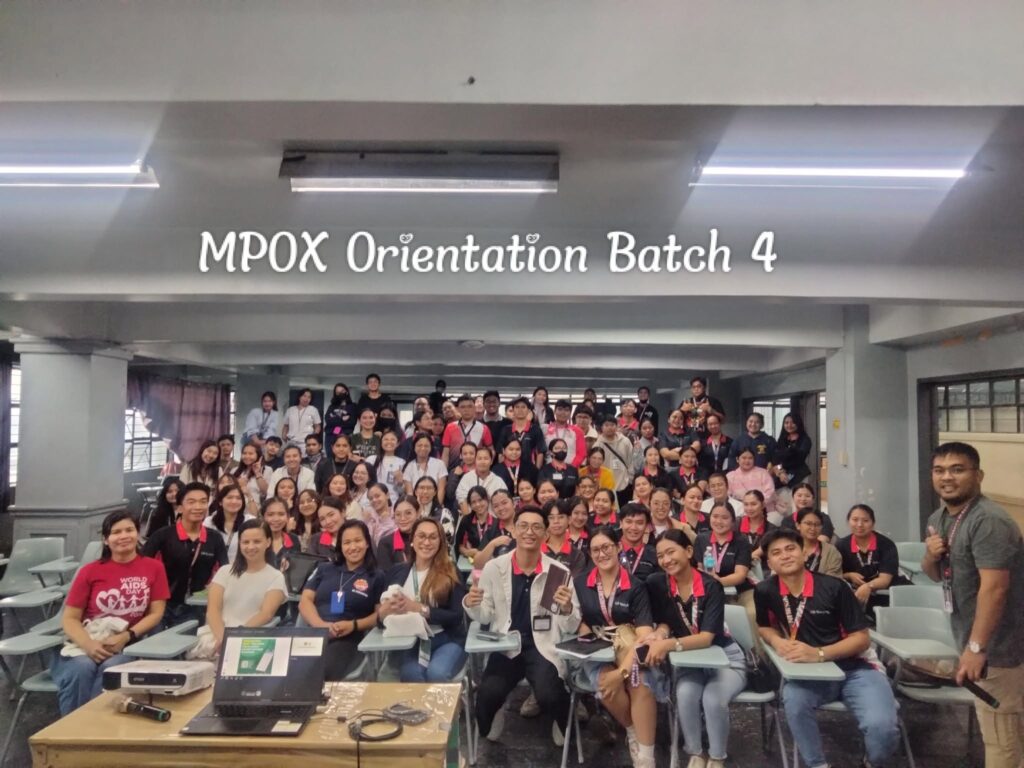
The seminar was attended by a total of 430 students from SNS and SON. The discussion covered essential topics such as how Monkeypox spreads, clinical manifestations, preventive measures, and appropriate health responses. The orientation emphasized the importance of early detection, safe handling of suspected cases, and community awareness. The speaker also highlighted the roles that students, especially future health practitioners, can undertake in controlling outbreaks and promoting health within their communities. The session incorporated visual aids and informational materials to enhance understanding and engagement among participants.
The orientation supports the following Sustainable Development Goals (SDGs):
- SDG 3: Good Health and Well-Being – By equipping students with essential knowledge and practical strategies to prevent and respond to Monkeypox, the orientation directly contributes to building healthier and more resilient communities. Understanding disease prevention and early detection ensures that students, as future health professionals, are prepared to protect lives and minimize the spread of infectious diseases. This proactive approach to health education fosters long-term well-being and strengthens the healthcare system’s ability to respond to global health challenges.
- SDG 4: Quality Education – The seminar not only provided technical knowledge about Monkeypox but also developed students’ capacity to apply this learning in real-world contexts. Health literacy is a critical component of education, and by empowering students with up-to-date scientific information, the orientation advanced their competencies as responsible practitioners. This aligns with the goal of fostering lifelong learning and preparing students to become capable, ethical, and compassionate professionals in the field of health sciences.
- SDG 17: Partnerships for the Goals – The collaboration between the University of Baguio and the Department of Health exemplifies the power of partnerships in addressing shared concerns. By pooling expertise and resources, both institutions contributed to strengthening community health awareness and preparedness. This partnership highlights the importance of multi-stakeholder cooperation in achieving sustainable solutions to public health issues, underscoring that tackling global challenges requires collective effort.