
Written by: Dannieca Buyayo, Jelisa Valdez, and Marc Gerard Mabunga | Photographed by: Wayne Bagaoisan and Anna Uy
UB SCJPS Opens Academic Year 2025 Highlighting Justice, Integrity, and Expert Testimony
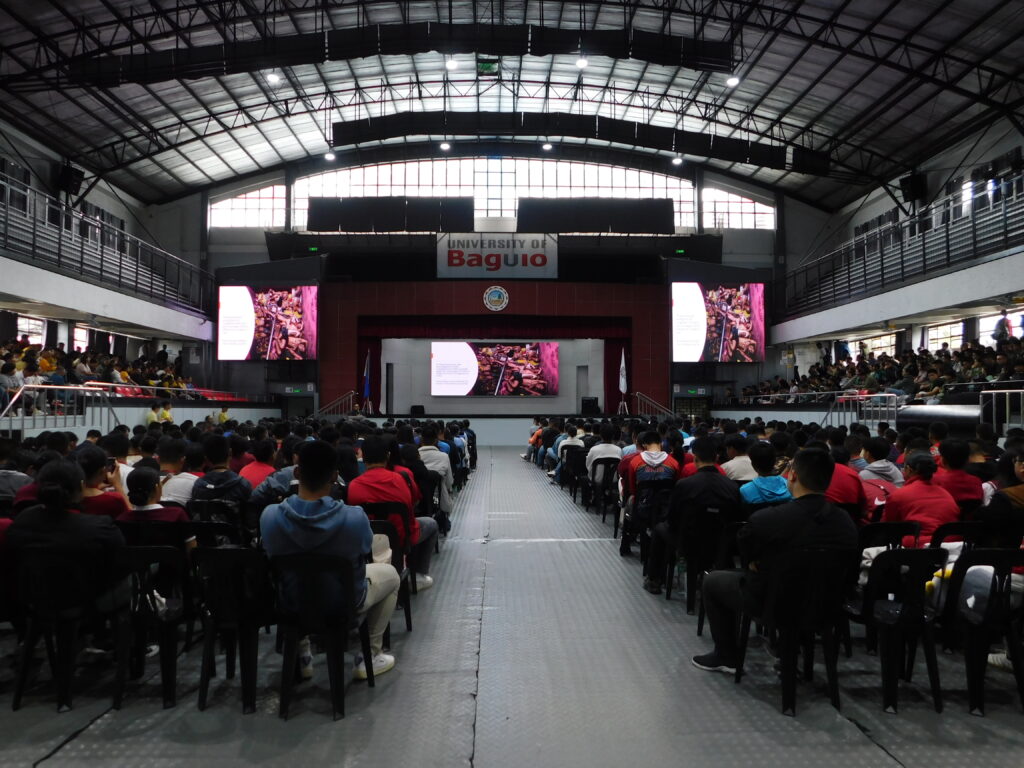
BAGUIO CITY — The University of Baguio (UB) School of Criminal Justice and Public Safety (SCJPS) officially opened the first semester of Academic Year 2025–2026 with a comprehensive General Orientation held on August 29, 2025, at the UB Gymnasium. The activity served not only as a welcoming program for both new and returning students but also as a platform for shaping their professional mindset, grounded in integrity, as future criminologists, forensic scientists, and public safety practitioners.
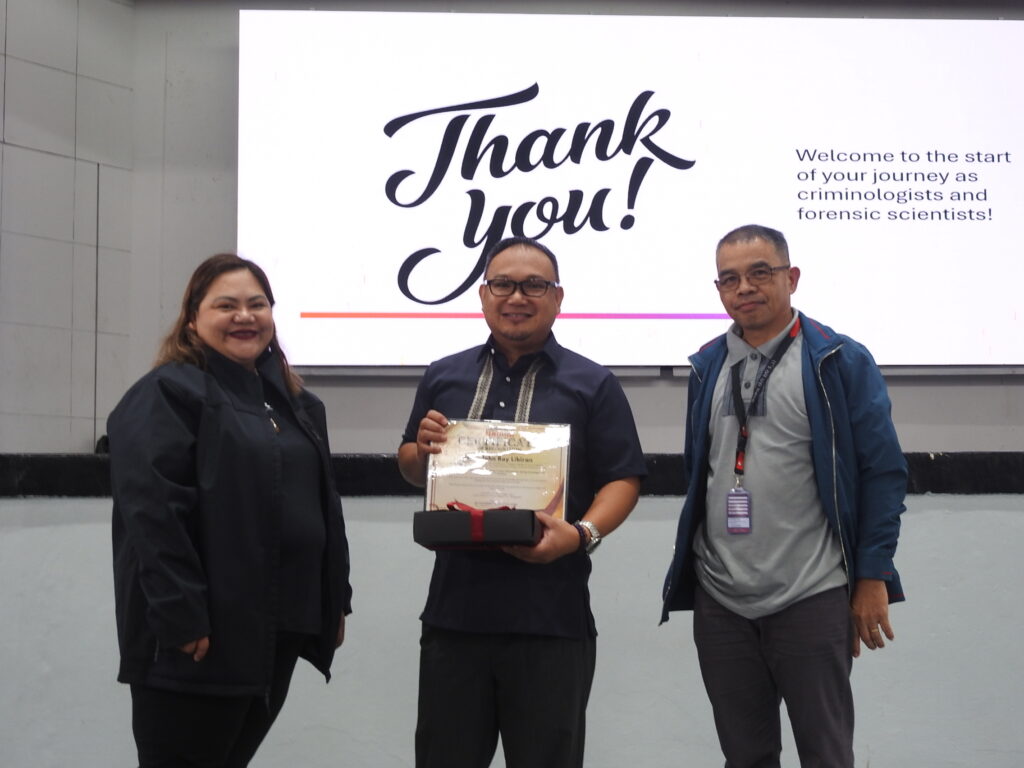
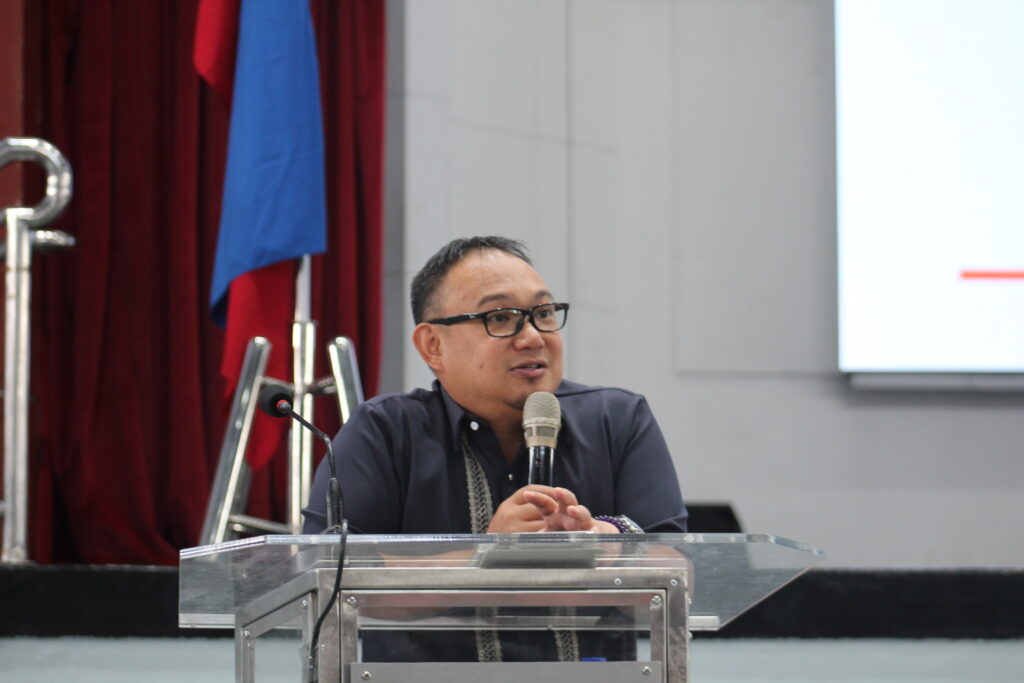
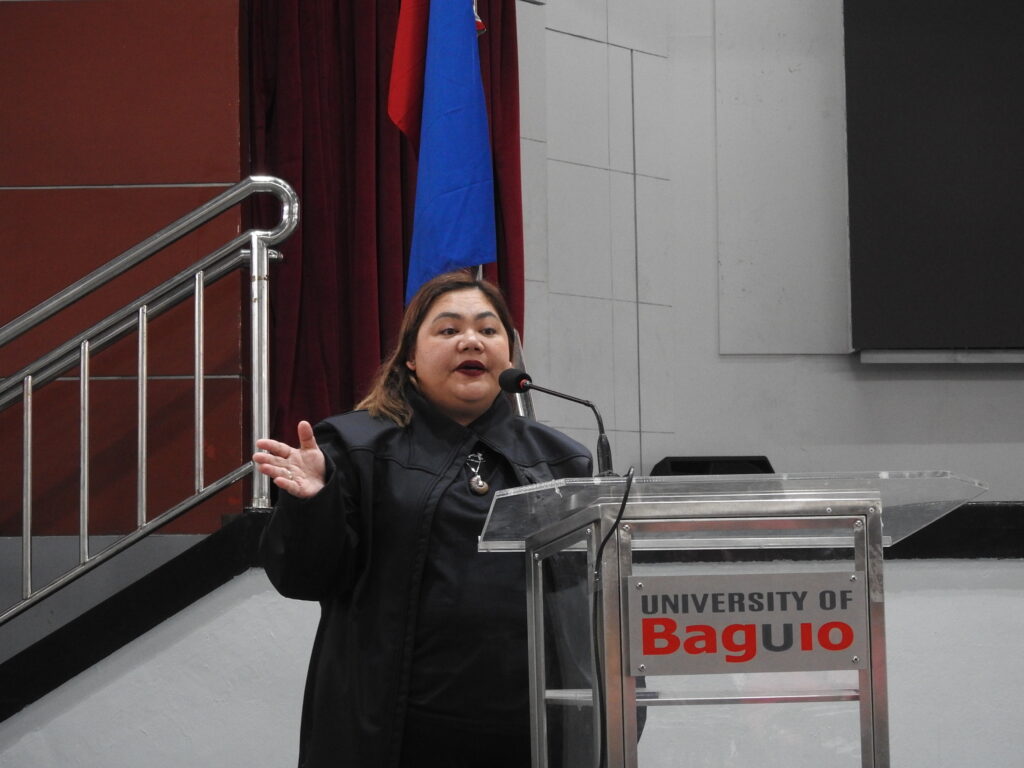
This year’s orientation featured the Student Development Program (SDP), designed to instill professional values, sharpen ethical decision-making, and prepare students for the challenges of justice work. Anchoring the event was a lecture entitled “Mastering the Stand: Effective Court Testimony and Expert Witnessing for Aspiring Criminologists and Forensic Scientists,” delivered by Atty. John Ray Libiran, Dean of the UB School of Law.
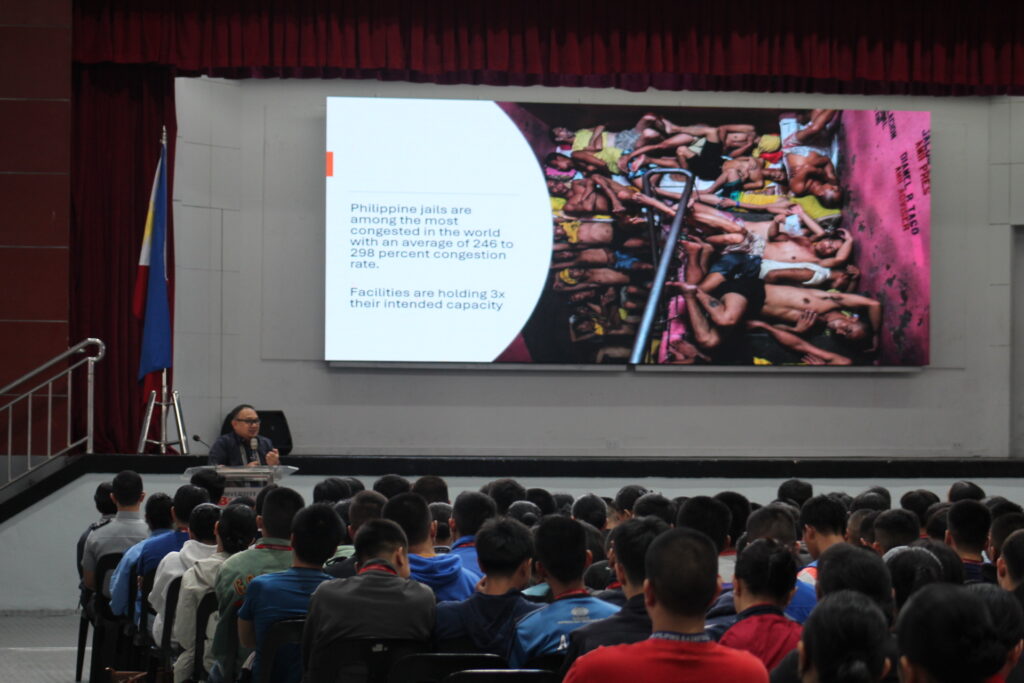
Atty. Libiran began by situating the discussion within the realities of the Philippine justice system. He pointed to the alarming congestion rates of local jails, some operating at nearly 300 percent of their intended capacity. For instance, the Quezon City Jail currently holds over 3,600 inmates in a facility built for only 800. This reality, he stressed, magnifies the responsibility borne by those who testify in court, as even one error in testimony could contribute to wrongful conviction or prolonged incarceration.
“Your testimony can literally bring a person to jail,” he reminded the students, highlighting that every statement made in court carries weight that can alter the course of a person’s life. In the face of this immense responsibility, honesty, clarity, and precision become indispensable.
Atty. John Ray Libiran, Dean, University of Baguio, School of Law
The lecture also tackled the inclusivity of witnesses in court proceedings. Children, persons with disabilities, and even individuals with impairments in speech or vision may be called to testify. Atty. Libiran emphasized that the credibility of testimony is not determined by physical ability but by its alignment with human knowledge, observation, and experience.
Quoting Justice Lucas Bersamin in Medina vs. People (2014), he stressed that human testimony is evaluated based on its conformity to truth and reason, and that anything outside of this belongs to the miraculous, beyond the cognizance of courts. This reinforces the idea that the justice system must remain accessible and inclusive, ensuring that all voices can contribute to the pursuit of truth.
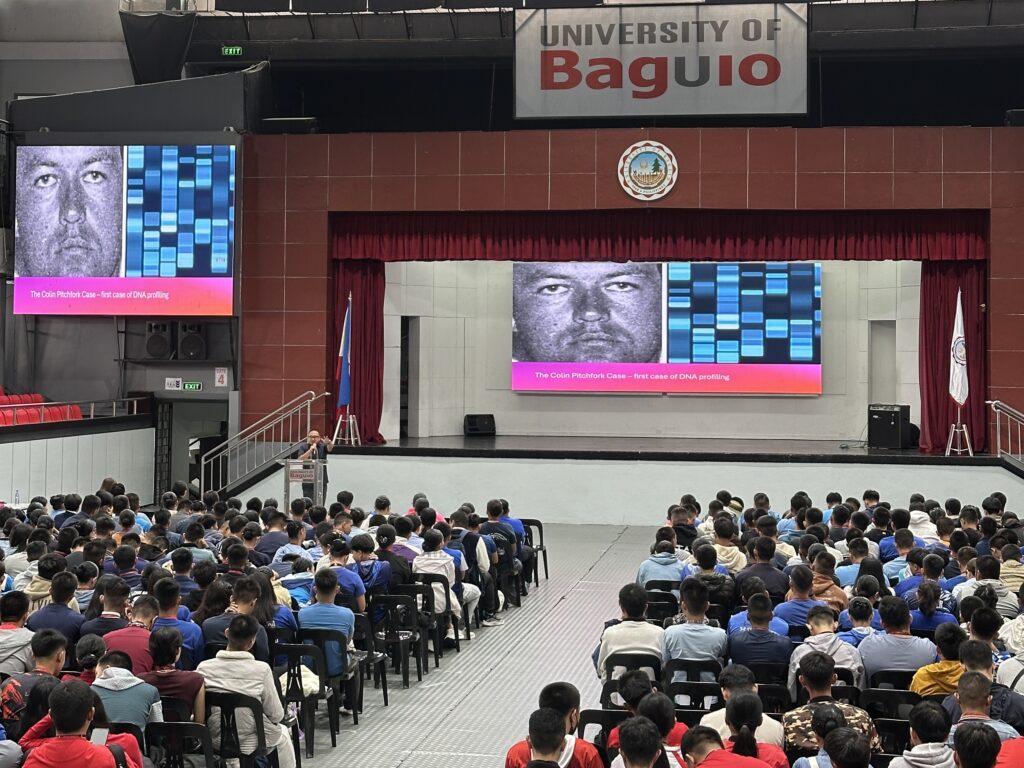
Beyond theory, Atty. Libiran provided practical advice for students who may one day be called to the witness stand as expert witnesses:
- Preparation is key. Attend case conferences and prepare materials carefully, bringing only what is necessary for presentation.
- Clarity in communication. Avoid acronyms or technical jargon unless fully explained. Speak slowly, clearly, and only when asked.
- Professional conduct. Dress appropriately, remain composed, and ask for clarification if a question is not understood.
- Boundaries in testimony. Provide answers only within the scope of the question and within personal knowledge. Opinions must be backed by expertise, training, or specialized skill.
Concluding his lecture, he delivered a timeless principle: “There is nothing to master. Tell the truth, the whole truth, and nothing but the truth.” For students preparing for careers in criminal justice and public safety, this reminder anchored the session in integrity and accountability.
Atty. John Ray Libiran, Dean, University of Baguio, School of Law
The Student Development Program underscored UB SCJPS’s mission to mold graduates who are not only academically competent but also socially responsible and globally attuned, aligning its programs with the United Nations Sustainable Development Goals (SDGs).
Through the integration of the Student Development Program, the school actively advances SDG 16 (Peace, Justice, and Strong Institutions) by cultivating future professionals dedicated to accountability, fairness, and the strengthening of legal and civic systems. It also promotes SDG 4 (Quality Education) by providing equitable, high-quality training in criminal justice and forensic science. Furthermore, SCJPS contributes to SDG 8 (Decent Work and Economic Growth) by preparing students for meaningful careers in public safety, law, and forensics, and to SDG 10 (Reduced Inequalities) by affirming the rights of children and persons with disabilities to serve as credible witnesses in the justice system.
As the new academic year unfolds, the orientation sets a strong foundation for SCJPS students, reminding them that their pursuit of knowledge goes hand in hand with their duty to uphold justice, safeguard human dignity, and strengthen institutions that promote peace.
Through this event, UB reaffirmed its role as a leader in higher education in Northern Luzon, committed to nurturing future professionals who embody its core values of integrity, service, and excellence.