
Written and Photographed by: May-an C. Tinangag
University of Baguio participates in the First Quarter Nationwide Simultaneous Drill on March 13, 2025
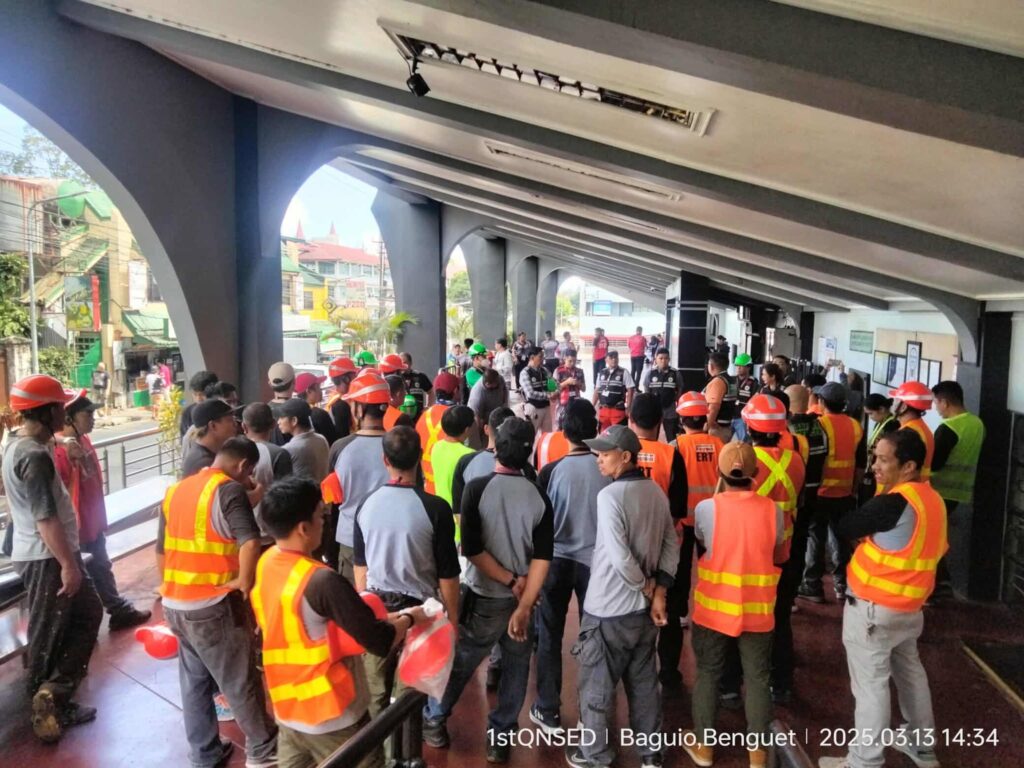
In a proactive endeavor to enhance disaster preparedness, the University of Baguio participated in the 1st quarter nationwide simultaneous earthquake drill. This initiative, organized by the National Disaster Risk Reduction and Management Council (NDRRMC), aimed to strengthen the earthquake response protocols across the country.
The drill commenced at precisely 3:00 PM, with students, faculty, and staff practicing emergency evacuation procedures and safety protocols in case of an earthquake. Participants were instructed to drop, cover, and hold on, simulating realistic scenarios to ensure everyone was familiar with safe practices during seismic events.
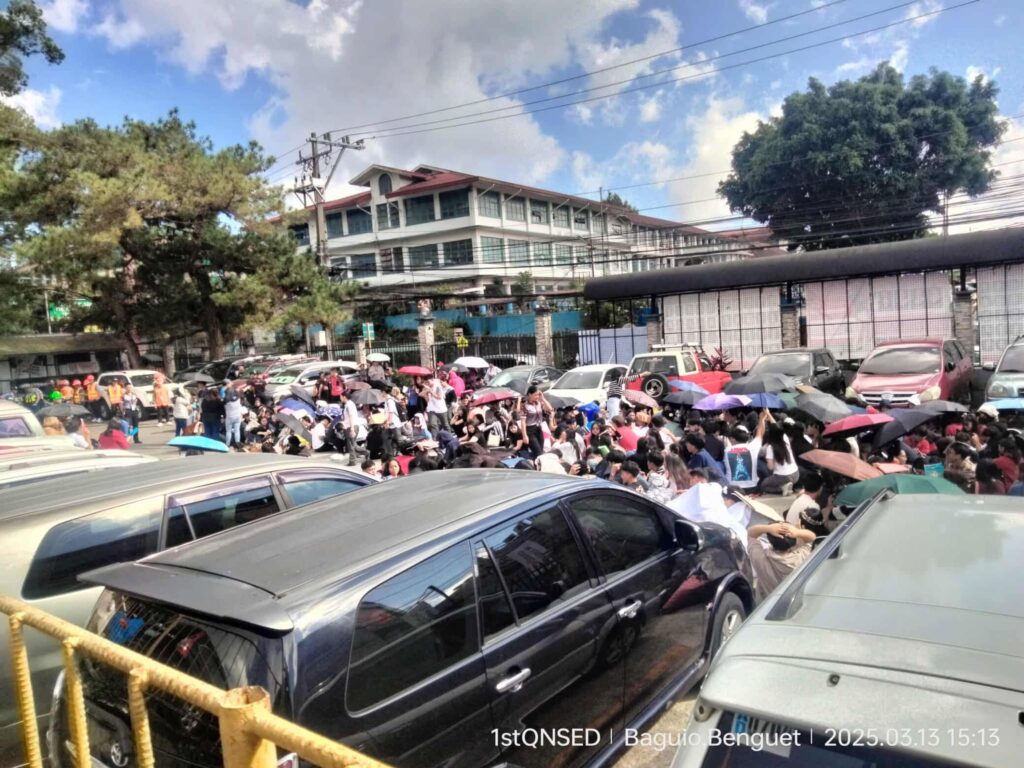
The importance of being earthquake-ready cannot be overstated, especially for regions like Baguio City, which is situated in a seismically active zone. Earthquakes can strike without warning, and proper preparedness can save lives and minimize property damage. Key benefits of participating in such drills include:
1. Increased Awareness: The drill raises awareness about earthquake risks and the necessity for preparedness among the university community.
2. Familiarity with Protocols: Regular practice helps develop muscle memory regarding emergency procedures, enabling a quicker and more efficient response during an actual earthquake.
3. Community Resilience: Engaging in these drills fosters a culture of safety and resilience within the community, encouraging collaboration and communication in times of crisis.
4. Evaluation and Improvement: The simulation allows institutions to evaluate their emergency plans and identify areas for improvement, ensuring that they are effectively equipped to handle real-life emergencies.
The University of Baguio has emphasized its commitment to safeguarding its students and staff by continuously promoting safety and preparedness measures. As the region faces the unpredictable nature of earthquakes, participation in drills like these is essential in cultivating a knowledgeable and ready community.
As the drill concluded, participants reflected on the importance of being prepared for earthquakes, recognizing that knowledge and practice are vital in safeguarding lives and property. The University of Baguio stands firm in its mission to ensure a safe and secure environment for all.
The drill supports the following SDGs:
SDG 3: Good Health and Well-being
Efforts to minimize casualties and damages during earthquakes focus on promoting preparedness and effective response strategies. By encouraging timely actions, the goal is to reduce injuries and fatalities caused by such disasters. Additionally, identifying and mitigating potential hazards help protect infrastructure and property from damage, ensuring the safety and resilience of the UB communities.
SDG 4: Quality Education
Enhancing earthquake preparedness involves increasing public awareness about hazards and safety measures. Educating the community about appropriate responses before, during, and after an earthquake helps foster a knowledgeable society. Promoting a culture of preparedness encourages individuals, families, and institutions to develop and regularly practice their safety plans.
SDG 11: Sustainable Cities and Communities
Strengthening community resilience is achieved through active engagement and collaboration within the community. Encouraging the UB Community to work together and participate in disaster preparedness initiatives fosters a strong, supportive environment. Building a culture of self-reliance empowers community members to take responsibility for their safety and well-being during emergencies.
SDG 16: Peace, Justice, and Strong Institutions
Evaluating and improving emergency response protocols ensures efficient and effective disaster management. Testing existing plans and communication systems at all levels helps identify gaps and weaknesses. Addressing these areas enhances coordination, resource allocation, and overall response effectiveness, strengthening institutional resilience.