
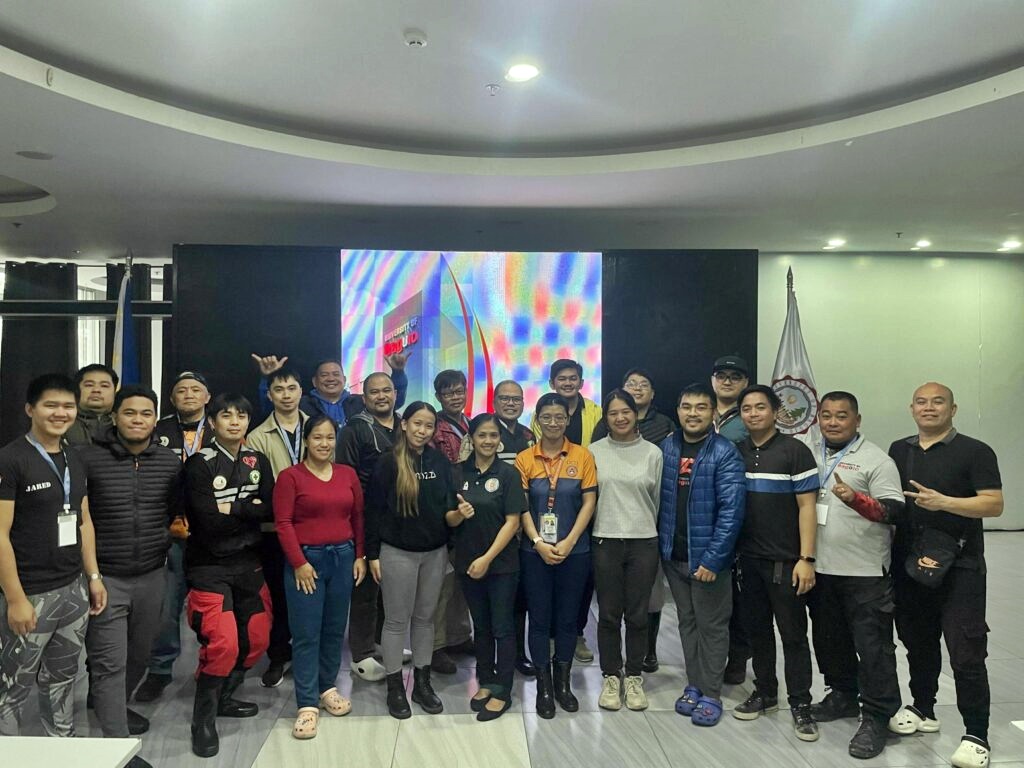
Written by: May-an C. Tinangag | Photographed by: Aydel Joseph L. Malaluan
The speakers are from the Office of the Civil Defense-Cordillera
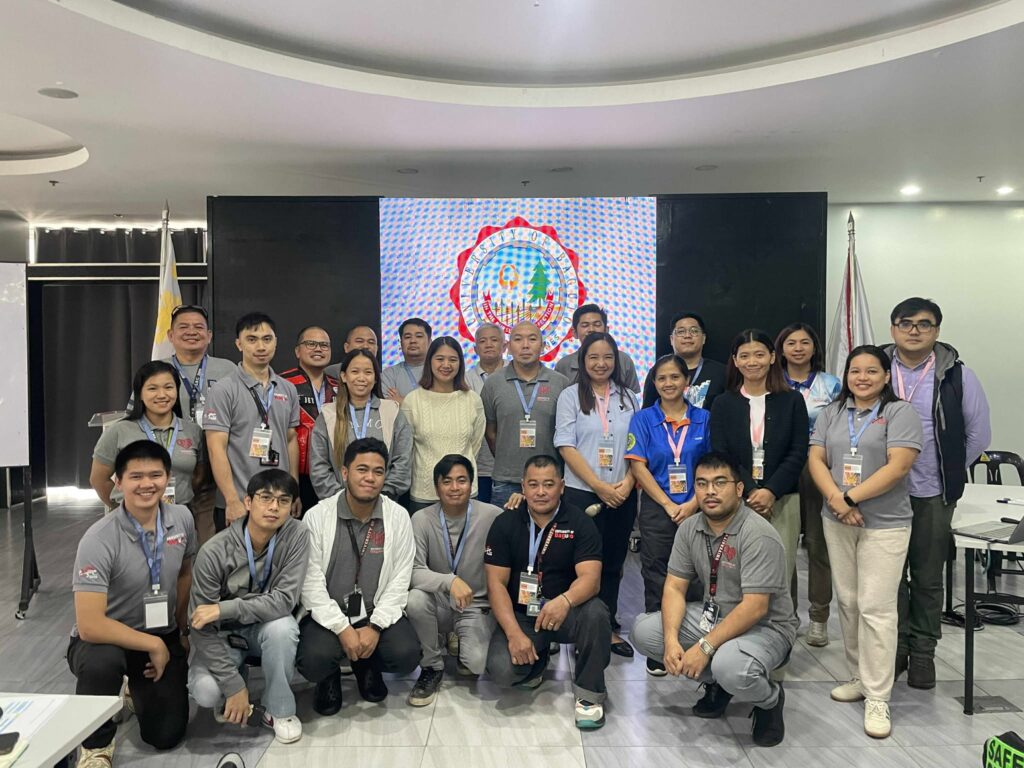
From July 16 to 19, 2025, the RMO in collaboration with the Office of the Civil Defense-Cordillera arranged a training on “Rapid Damage Assessment and Needs Analysis”, a critical capacity-building activity for the UB-Occupational Safety and Health Committee (OSHCOM) members. In the face of increasing natural hazards and disasters, it is vital for safety personnel to respond swiftly and effectively. This training aimed to enhance their technical skills in evaluating disaster impact and identifying urgent UB community needs, thereby strengthening the university’s disaster response capabilities.
A total of 22 OSHCOM members participated in this intensive four-day training conducted at the University of Baguio. Led by expert trainers from Civil Defense Cordillera, the activity focused on practical approaches to conduct rapid damage assessments and analyze immediate needs during emergencies. Participants learned how to gather credible data, assess infrastructure and environmental damage, and prioritize actions for efficient response. The training incorporated hands-on simulations and real-world scenarios designed to sharpen decision-making skills under pressure. Through this professional development, participants are now better prepared to support swift, informed actions in disaster situations to protect lives and property.
The training supports the following SDGs:
SDG 11: Sustainable Cities and Communities is achieved by fostering resilient and well-prepared local communities through the promotion of comprehensive disaster management practices, strengthening infrastructure to withstand natural hazards, and engaging citizens in proactive preparedness initiatives. These efforts ensure that both lives and properties are safeguarded, while building safer, more adaptive, and inclusive urban environments that can thrive despite challenges.
SDG 13: Climate Action is advanced through improved disaster preparedness and risk reduction strategies that integrate public awareness campaigns and climate education programs. By equipping individuals and institutions with the knowledge, skills, and resources needed to adapt to the changing environment, these initiatives cultivate a culture of responsibility and resilience, reducing vulnerabilities and strengthening long-term sustainability in the face of climate-related threats.
SDG 16: Peace, Justice, and Strong Institutions is promoted by strengthening institutional capacity in disaster response, enhancing transparency and accountability in crisis management, and ensuring that governance structures can effectively coordinate and mobilize resources during emergencies. By upholding fairness, inclusivity, and cooperation, these measures not only guarantee effective crisis interventions but also contribute to safer, more resilient communities where peace and justice prevail.