
Written By: Angelo Jas Y. Junsay and Joanna Grace B. Vicmudo
Photographed By: Rosh Brooke L. Laking, Alexandra Nicole A. Sumalinog
Karate and multi-discipline demonstrations underscore the school’s commitment to SDG 16: building peaceful, resilient, and responsible future public safety leaders.
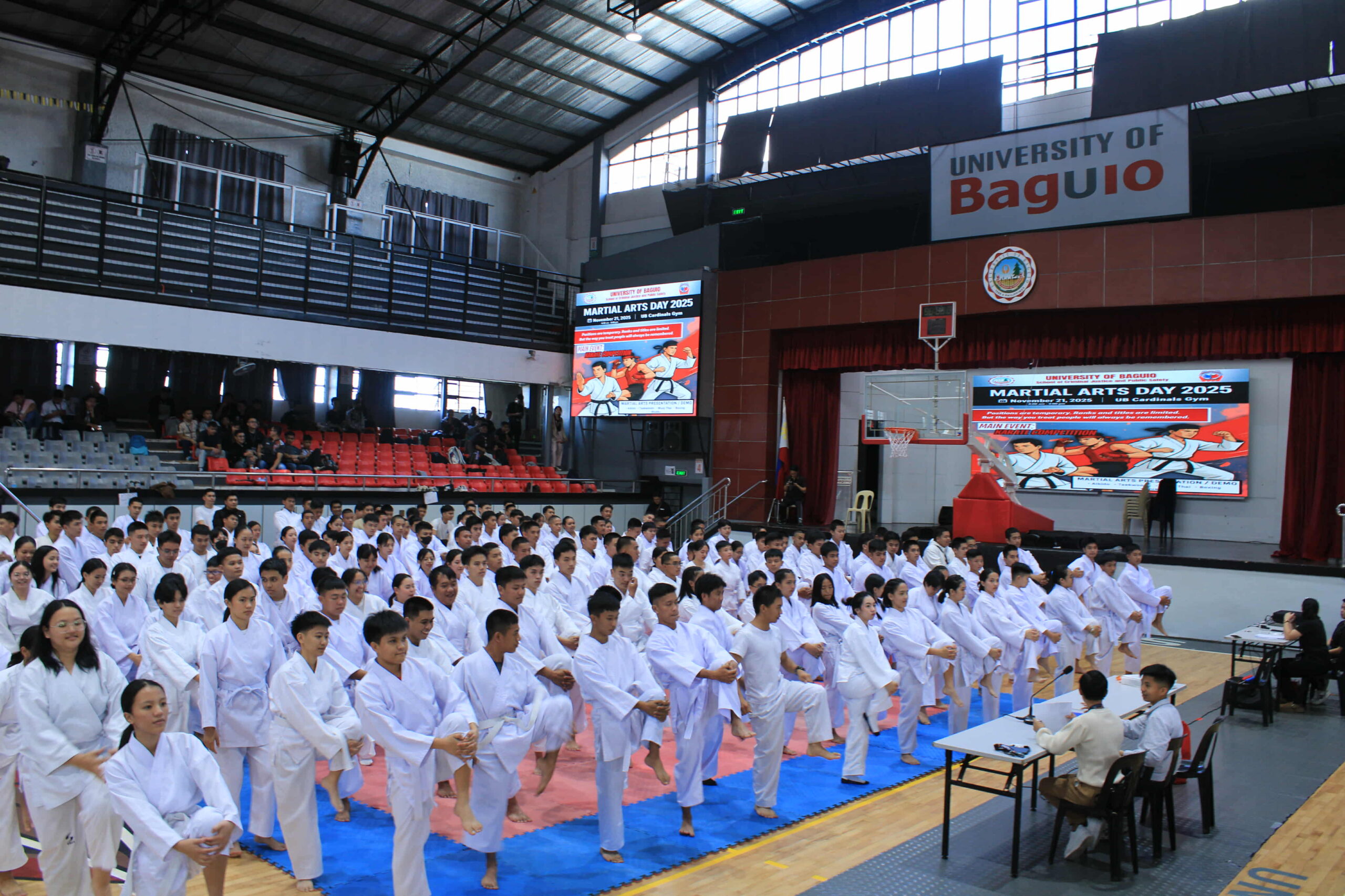
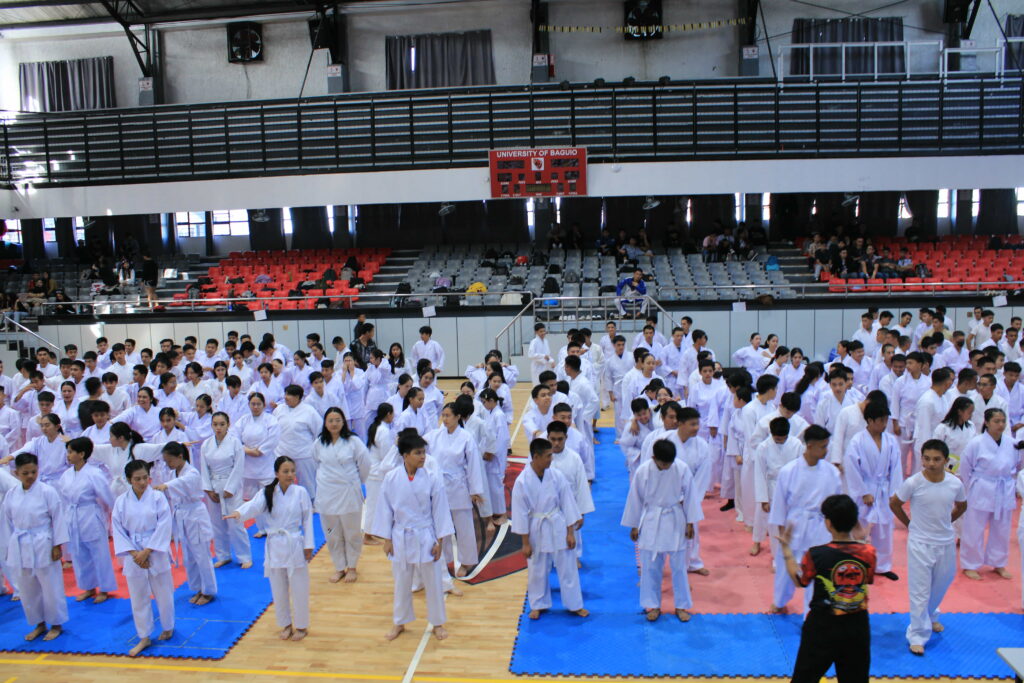
Baguio City, Philippines — The School of Criminal Justice and Public Safety (SCJPS) of the University of Baguio successfully hosted its annual Martial Arts Day on November 21, 2025, highlighting the technical proficiency, discipline, and unity of students enrolled in the PECRIM1 course and other martial arts disciplines. The activity reaffirmed the school’s commitment to fostering peace-oriented values and responsible conduct—core principles that directly support Sustainable Development Goal (SDG) 16: Peace, Justice, and Strong Institutions.
This year’s Martial Arts Day served as the culminating performance for PECRIM1 students, who formally demonstrated their competencies in Karate following months of training and guided instruction. Students from other martial arts backgrounds also took part, showcasing skills in Muay Thai, Tae Kwon Do, Boxing, and Tai Chi. These performances were not solely geared toward showcasing athleticism; they represented the deeper essence of martial arts as systems that cultivate integrity, self-control, emotional regulation, and respect. These are qualities essential to the development of future criminal justice and public safety professionals.
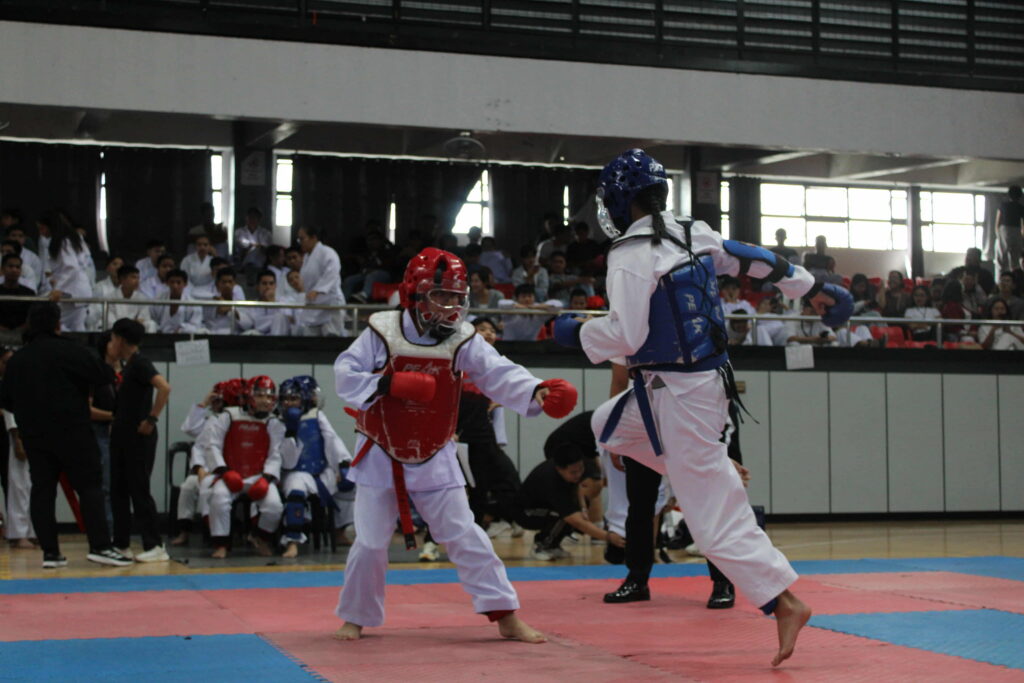
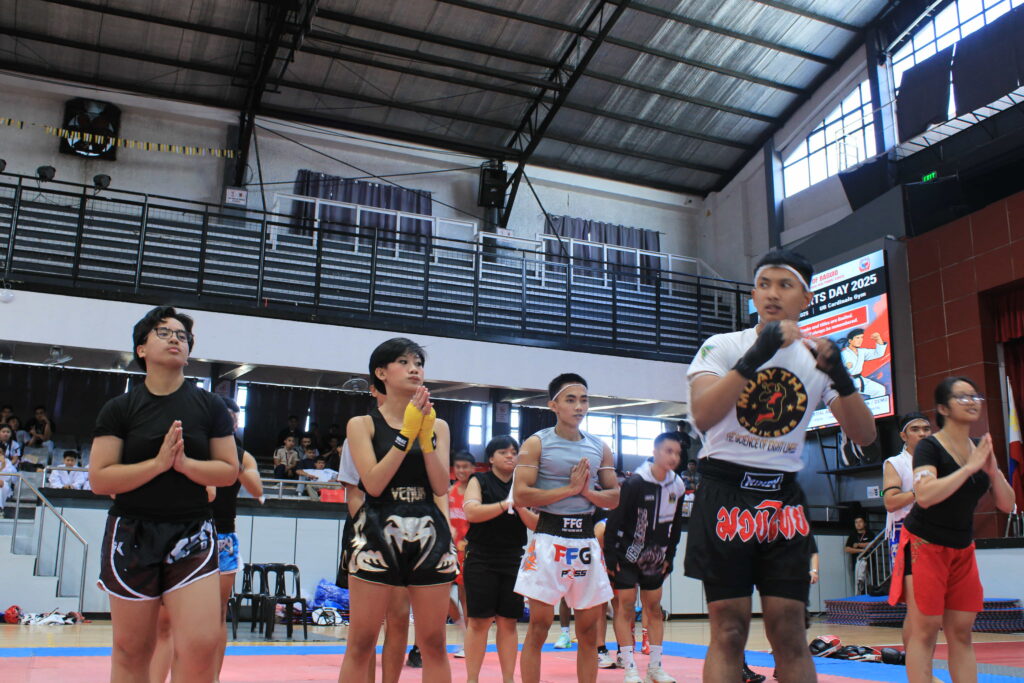
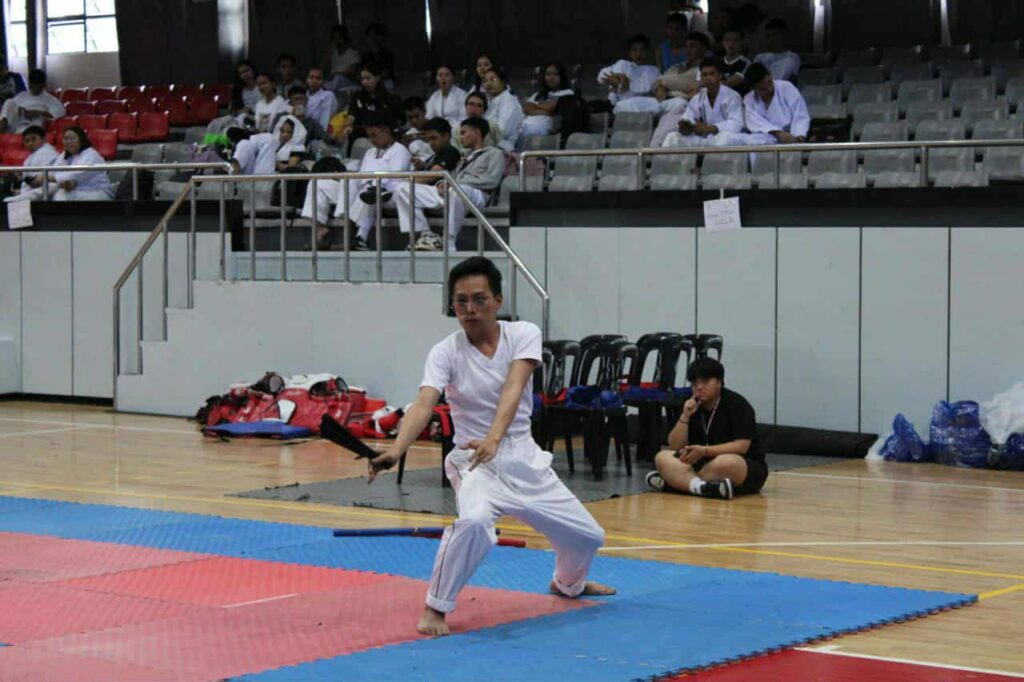
The event underscored martial arts as an educational tool that goes beyond physical capability. Every demonstration—from kata execution to controlled sparring—highlighted the discipline and mental strength required to perform with precision and respect. These characteristics resonate with the foundational principles of SDG 16, which emphasize the formation of peaceful, just, and accountable institutions. By grounding students in practices that shape ethical conduct and reinforce respect for rules and standards, SCJPS continues to build a culture where future public safety officers are trained not only in skill but also in character.
Martial Arts Day also reflected several additional SDG priorities. The program supported SDG 3 (Good Health and Well-Being) through activities that promote physical conditioning, resilience, and stress management—key elements in ensuring holistic health among students. It highlighted SDG 4 (Quality Education) by integrating experiential learning and applied skill-building into the curriculum, enabling students to demonstrate competence through hands-on performance rather than theoretical instruction alone. Moreover, the event demonstrated the value of collaboration, fulfilling the spirit of SDG 17 (Partnerships for the Goals) through cooperative efforts with internal and external partners.
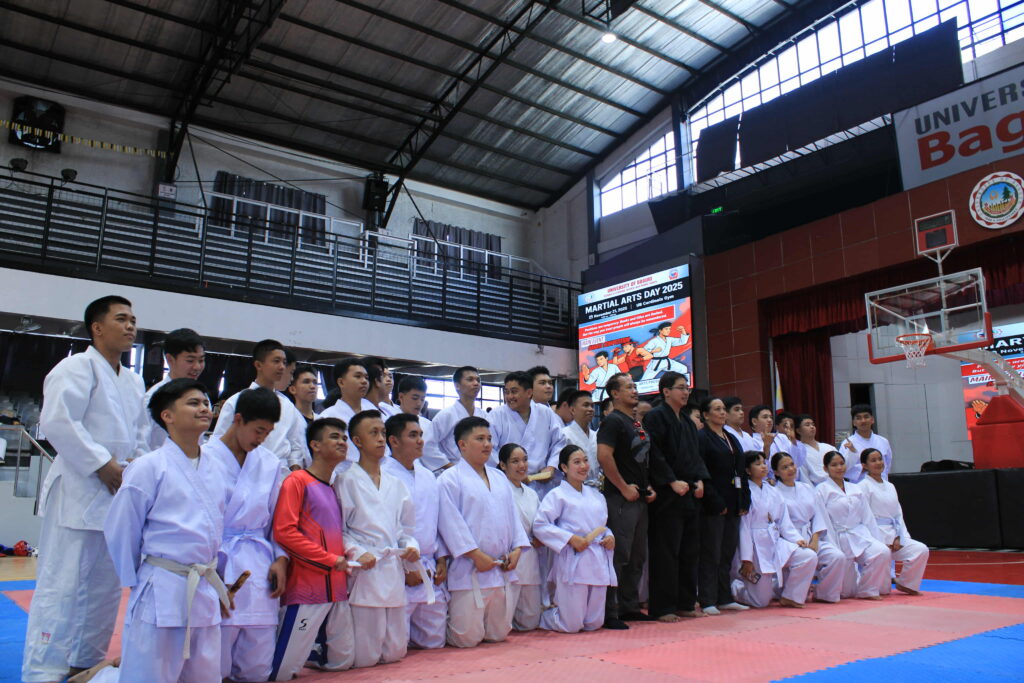
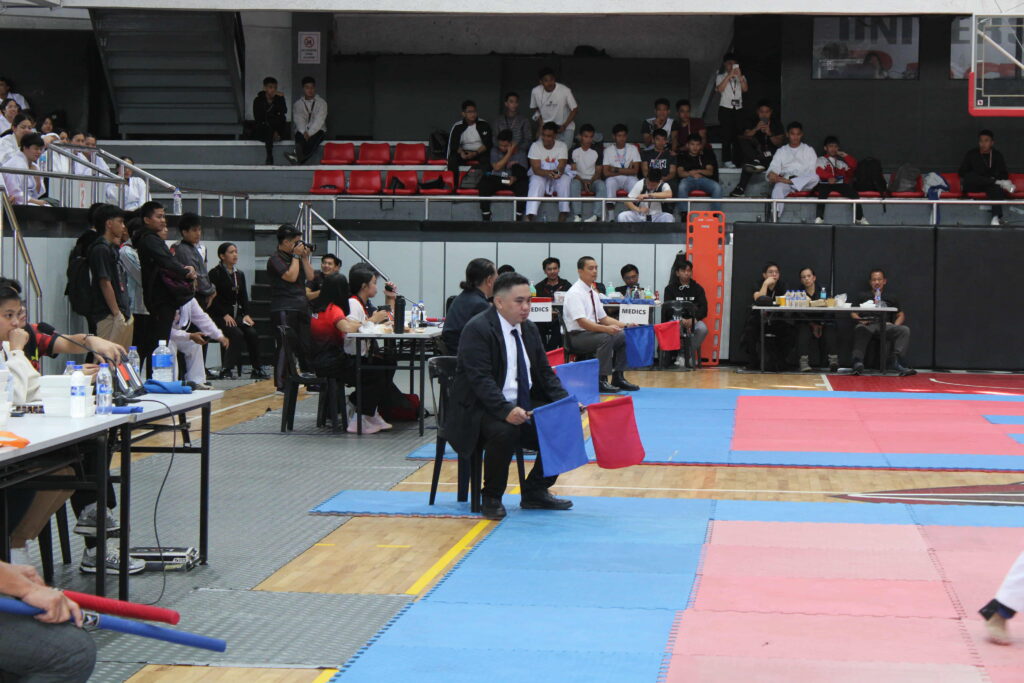
Among the event’s key collaborators was Shotokan JKA, which provided official judges and referees for the Karate demonstrations and competitions. Their involvement ensured that students were evaluated using standardized, internationally recognized criteria. Additionally, the School of Natural Sciences played a vital supporting role by providing medical personnel on-site to ensure the safety and welfare of participants throughout the program. These partnerships strengthened the operational success of the event while reinforcing interdepartmental cooperation within the university.
The activity was made possible through the leadership of SCJPS faculty members Ms. Cora Dogui-is, Mr. Jereign Mejia, Mr. Alain Ringor, and Mr. Theodore Domoguen, together with the dedicated efforts of the SCJPS Student Body. Their collective planning, preparation, and supervision ensured that the event ran efficiently and achieved its intended academic and developmental objectives.
Beyond the performances and competitions, the event also highlighted student reflections that emphasized personal growth and learning. One of the participants, Aldriel Jave Conse, who performed Tai Chi during the halftime demonstration, shared insights on how the activity contributed to his development both as a martial artist and as a student of criminal justice. “The most important thing I have learned is the meaning and the value of true sportsmanship. Regardless of the placement we achieve, sportsmanship is something we should never forget,” he said. Conse further expressed that the program strengthened his confidence as a performer and reinforced the importance of humility, discipline, and respect in every movement.
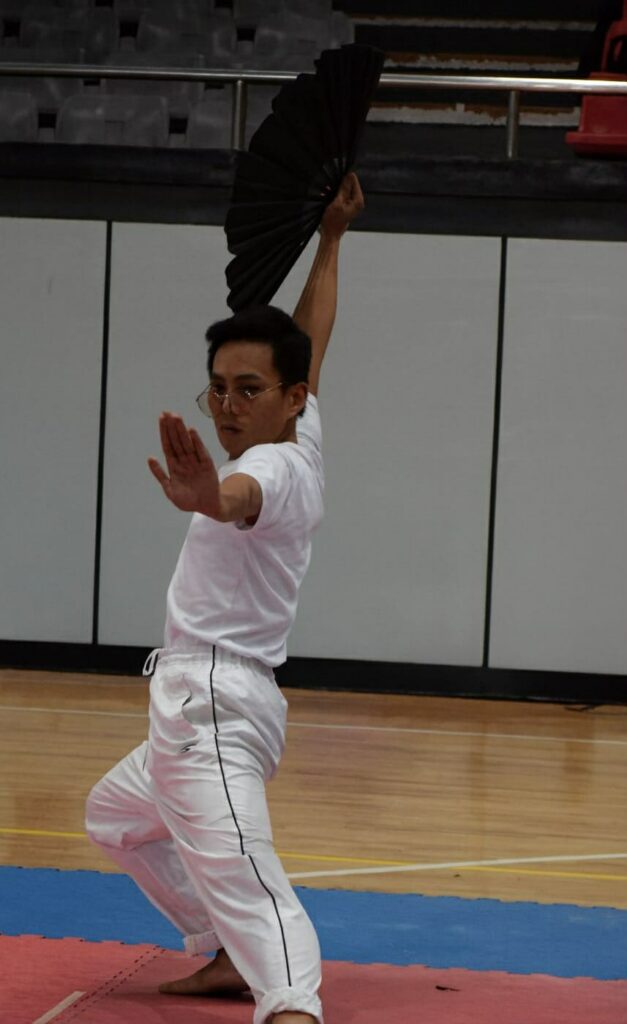
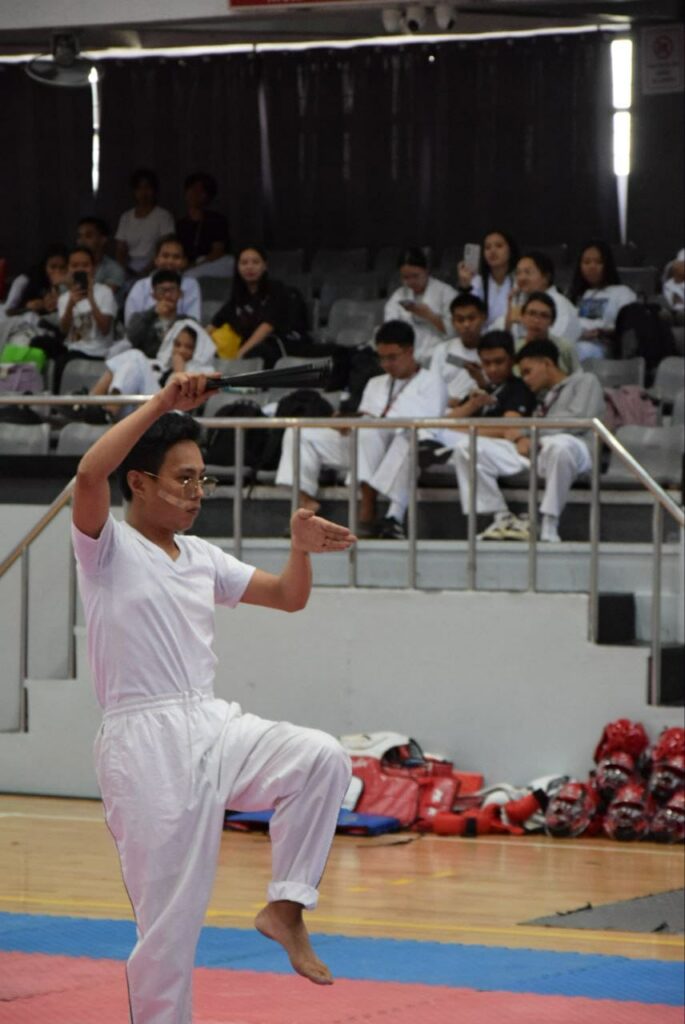
Throughout the day’s exhibitions, the three central pillars of martial arts—strength, discipline, and unity—were consistently on display. Students showed strength not only through physical execution but through perseverance and mental resilience. Discipline manifested in their controlled techniques, adherence to proper form, and respectful engagement with peers. Unity was evident in their collaborative support, shared encouragement, and collective spirit as members of the SCJPS community.
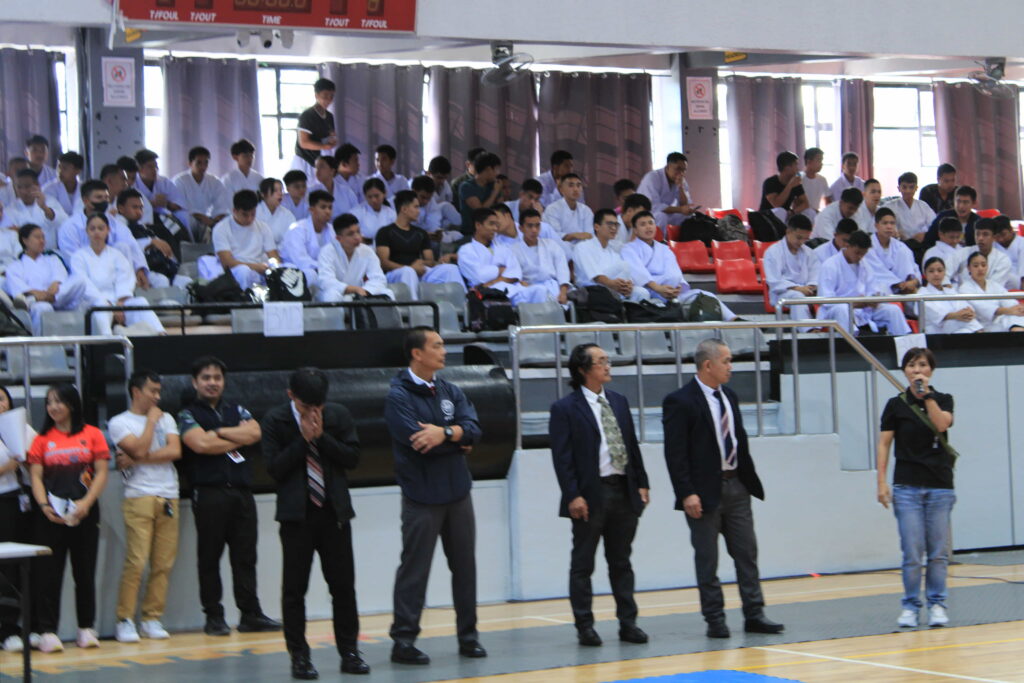
For the School of Criminal Justice and Public Safety, Martial Arts Day is not merely an extracurricular showcase. It is an important educational platform that supports values formation, ethical behavior, and peace-oriented training—key competencies aligned with SCJPS’s mission to produce graduates prepared to serve as dependable protectors of justice and security. By embedding martial arts education into its curriculum, the school reinforces principles vital to SDG 16, nurturing future professionals who are physically capable, emotionally grounded, and morally guided.
The success of Martial Arts Day stands as a testament to the commitment of SCJPS to holistic student development. Through strategic leadership, interdepartmental cooperation, and active student participation, the event demonstrated how academic institutions can contribute to the creation of peaceful and resilient communities. As SCJPS continues to uphold its motto, “Voar Alto” — Soar High, its students carry forward not only technical expertise, but also the discipline, integrity, and unity required to serve society with excellence and accountability.