
Written by: Dr. Charesma Grace K. Lud-ayen | Photos by: Dr. Charesma Grace K. Lud-ayen
SCJPS represents the University of Baguio in a national dialogue on embedding human rights education in criminology programs, promoting justice, integrity, and sustainable institutional reform.
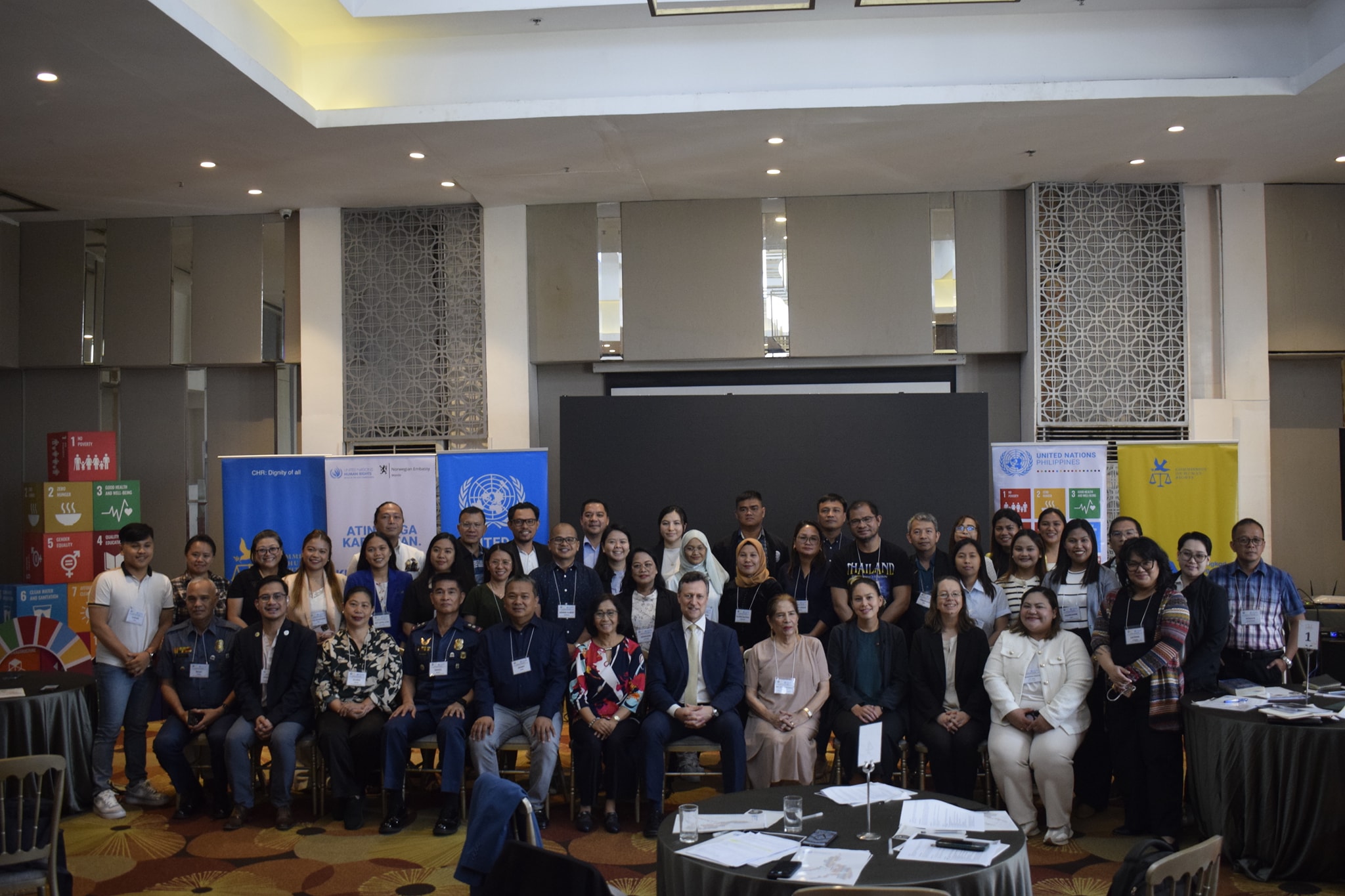
QUEZON CITY — The University of Baguio’s (UB) School of Criminal Justice and Public Safety (SCJPS) continues to uphold its commitment to advancing justice and ethical education as it participated in the national workshop titled “Strengthening Human Rights Education in Criminology Schools” held on May 27–28, 2025, in Quezon City.
Organized by the Commission on Human Rights of the Philippines (CHR) in collaboration with the Office of the United Nations High Commissioner for Human Rights (OHCHR), the two-day workshop brought together over 60 deans and faculty members from criminology schools nationwide. The event also gathered human rights education specialists and officials from the CHR and the UN, marking a significant step toward integrating human rights-based approaches into criminology education across the Philippines.
The workshop centered on a clear mission — to strengthen the culture of human rights within criminology programs. By bringing together educators, experts, and practitioners, it aimed to review progress, identify challenges, and chart a collective path forward to ensure that future criminologists are not only competent in technical skills but also grounded in respect for human dignity and ethical service.
Discussions focused on the integration of human rights into criminology curricula, including the use of case-based learning, research-based instruction, and community engagement projects that align with the United Nations Sustainable Development Goals (SDGs) — particularly SDG 4 (Quality Education) and SDG 16 (Peace, Justice, and Strong Institutions).
Panel sessions explored best practices in rights-based teaching, emphasizing the importance of empathy, social accountability, and restorative justice in modern law enforcement education. Educators were also introduced to pedagogical tools designed to help students connect classroom lessons to real-world human rights contexts.
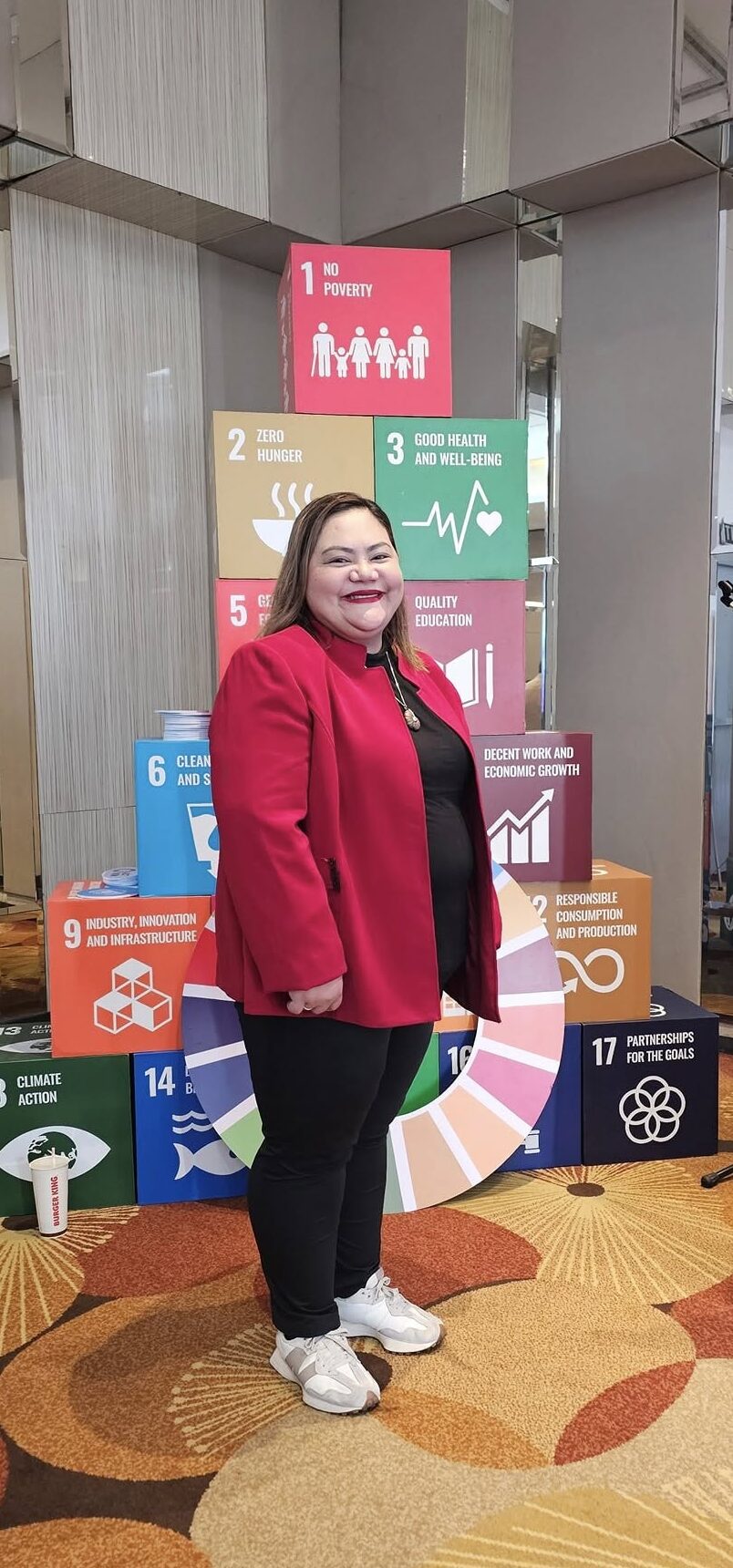
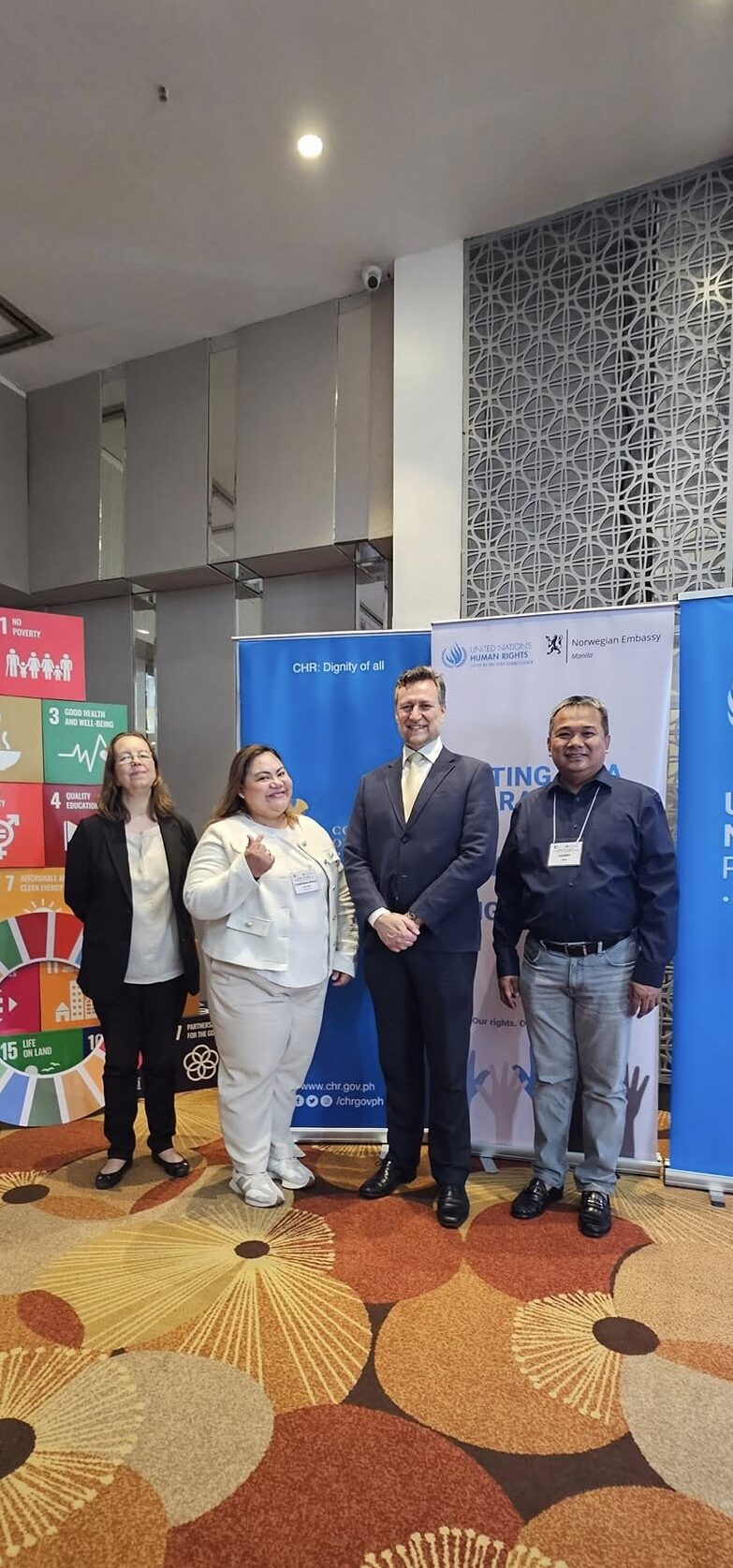
Representing the University of Baguio SCJPS, I was honored to join fellow criminology educators and administrators from various regions in the Philippines. As a participant, I shared insights on UB’s initiatives in embedding ethics, integrity, and social responsibility into criminology and forensic science programs—values that align strongly with both national human rights priorities and the university’s core principles of Integrity, Service, and Excellence.
Dr. Charesma Grace K. Lud-ayen, Dean, School of Criminal Justice and Public Safety
The University of Baguio School of Criminal Justice and Public Safety’s participation underscored the school’s proactive stance in nurturing future law enforcers, investigators, and forensic professionals who are not only technically skilled but also morally conscious and community-oriented. The exchange of experiences revealed a shared vision among criminology schools: to build a future generation of justice practitioners who lead with compassion and uphold the rule of law with fairness and humanity.
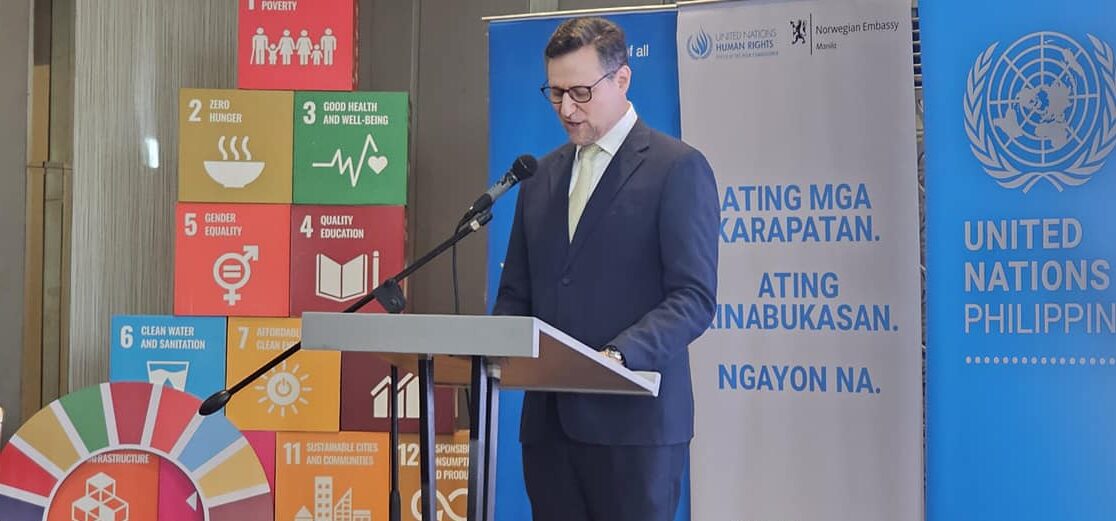
Throughout the sessions, CHR and OHCHR facilitators highlighted the essential role of academic institutions in human rights advocacy and education. Universities, they emphasized, serve as catalysts in transforming law enforcement culture—moving from punitive approaches toward preventive and human-centered justice systems.
Participants also engaged in small-group workshops designed to assess the current integration of human rights education (HRE) in criminology programs. These discussions encouraged institutions to create localized frameworks that respond to community realities while remaining faithful to international human rights standards.
For the University of Baguio, the insights gained from this workshop will be instrumental in further enriching SCJPS programs, particularly in areas such as ethics instruction, research development, and student leadership training. The experience reinforced our resolve to ensure that UB criminology students not only excel in academic performance but also internalize the principles of equality, accountability, and respect for human rights.
The workshop was a practical manifestation of SDG 16, which advocates for peace, justice, and the establishment of strong institutions. By equipping educators with knowledge and teaching tools rooted in human rights, the initiative contributes to building institutions that promote transparency, fairness, and social trust — values essential to sustainable development.
Likewise, SDG 4 (Quality Education) and SDG 17 (Partnerships for the Goals) were reflected in the collaborative nature of the program. The shared commitment among criminology schools, the CHR, and the UN underscores the importance of partnership in creating transformative education systems that empower both educators and learners.
The two-day workshop concluded with a collective affirmation: that criminology education must not only produce capable graduates but also ethical defenders of justice and human rights. As participants, we left with renewed motivation to review our curricula, foster inclusive discussions, and engage our students in projects that reflect the real-world importance of human dignity.
For the University of Baguio, this participation signifies another stride toward becoming a leading institution in rights-based criminal justice education in Northern Luzon. The insights and connections gained from the workshop will guide the school’s continuing pursuit of excellence—educating future public servants who lead with empathy, act with integrity, and serve with honor.
Through this engagement, the UB School of Criminal Justice and Public Safety proudly strengthens its advocacy for a humane, ethical, and sustainable justice system, aligning academic excellence with the timeless principle that every act of justice must begin with respect for human rights.