
Written by: Denmark Rey C. Velasco and Florene Naomi A. Ursua
Photographed by: Florene Naomi A. Ursua, Alseiah A. Haluber, Ivy Mae S. Ballesteros, and Nechel M. Wagas
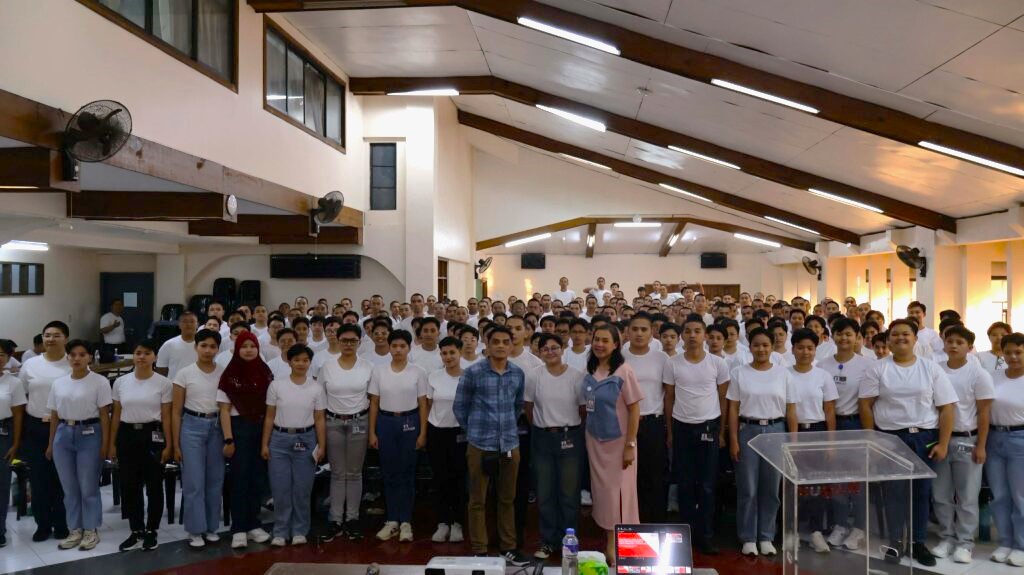
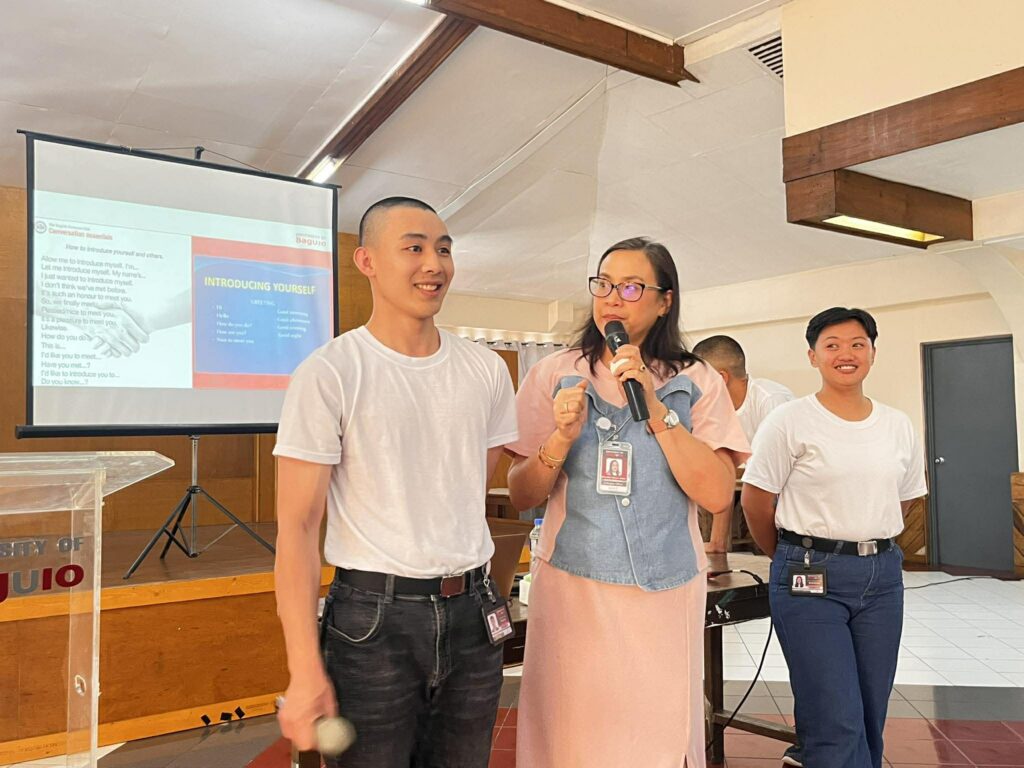
BAGUIO CITY – The University of Baguio (UB) School of Criminal Justice and Public Safety (SCJPS) organized a seminar on Professional Development, Public Relations Etiquette, and International VIP Protocol, with Ms. Melanie Rulla Saro, CGSP, MBA, Director of Linkages Office as the speaker on January 16, 2026. The seminar focused on the essential standards of conduct, communication, and presentation expected of law enforcers in both local and international settings. Key areas covered included digital etiquette, the importance of etiquette in law enforcement, public relations practices, proper greetings and introductions, cultural variations in social interaction, handshake etiquette, business card protocol, types of VIPs and levels of protocol, and the role of power dressing.
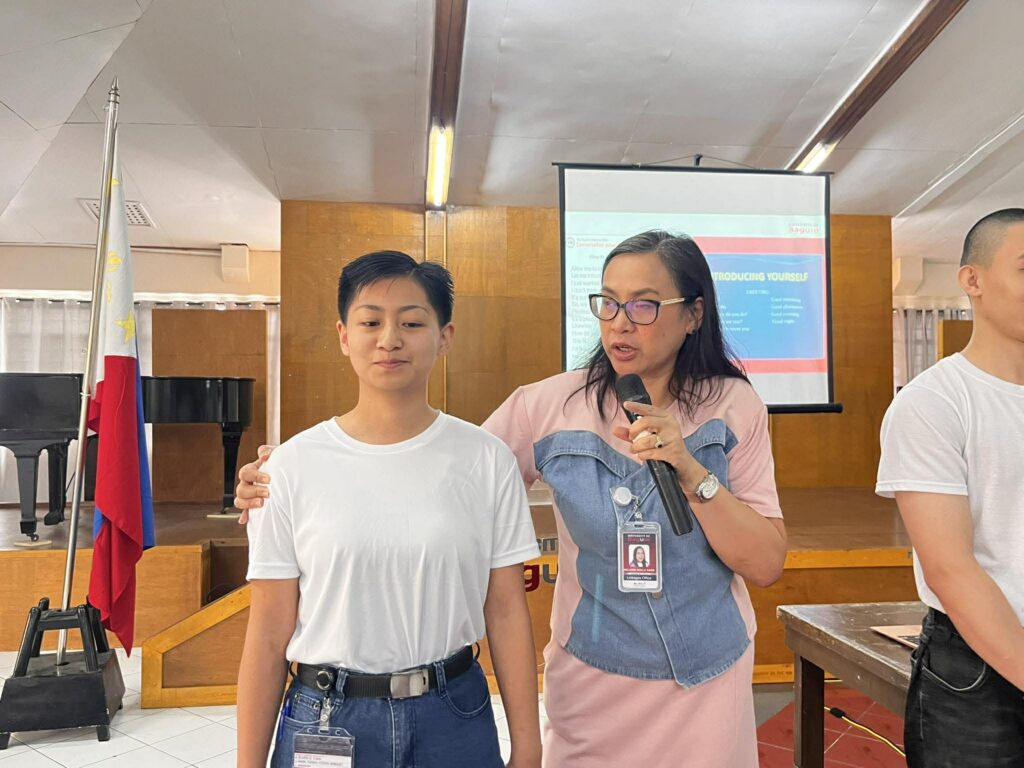
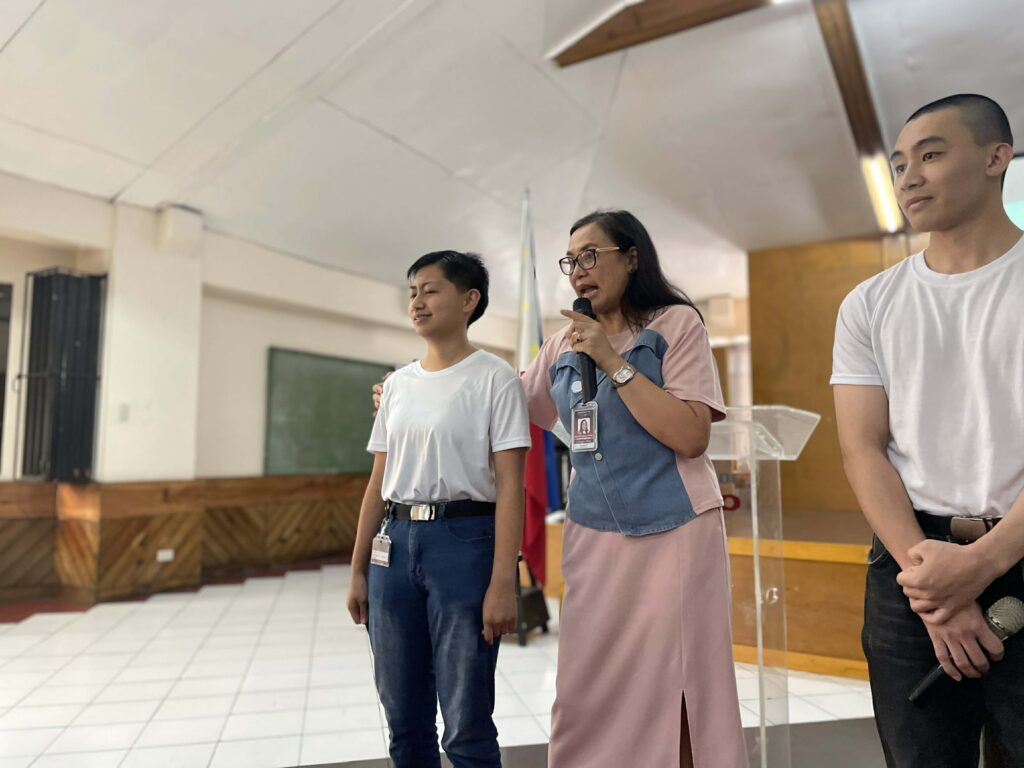
The discussion on digital etiquette especially impactful because students were invited to participate in simulations showing proper and improper online conduct for law enforcers. These interactive demonstrations highlighted the importance of ethical communication in maintaining public trust, protecting institutional credibility, and fostering transparency in engagement with the community, aligning with SDG 16 (Peace, Justice, and Strong Institutions) and SDG 17 (Partnerships for the Goals).
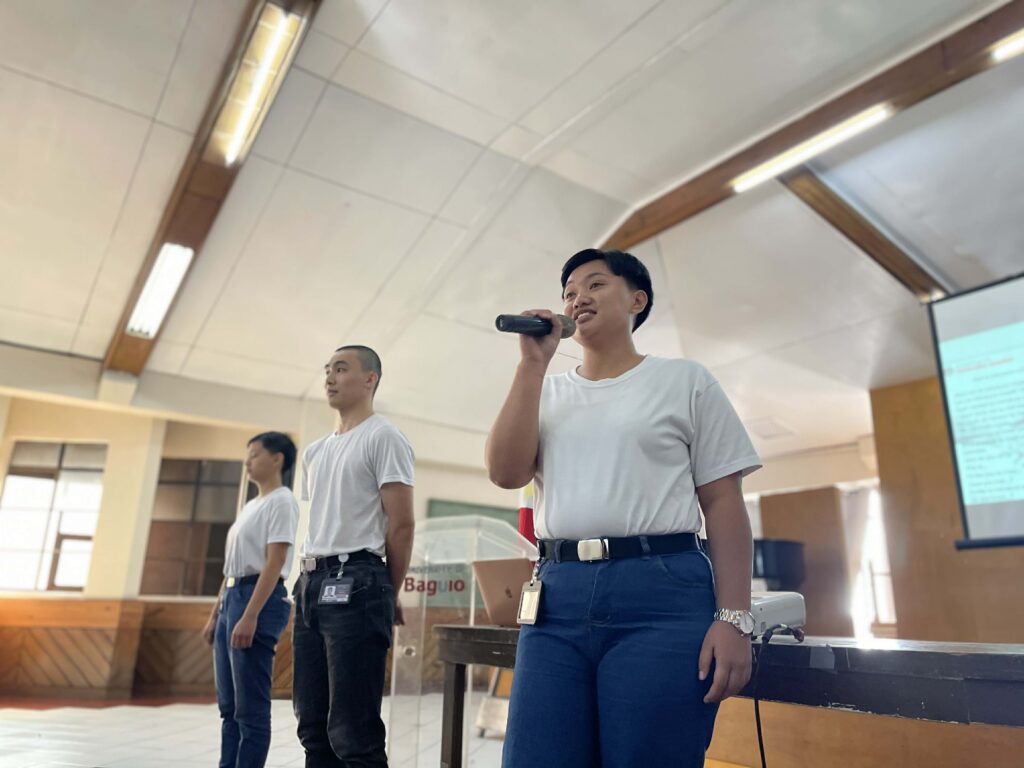
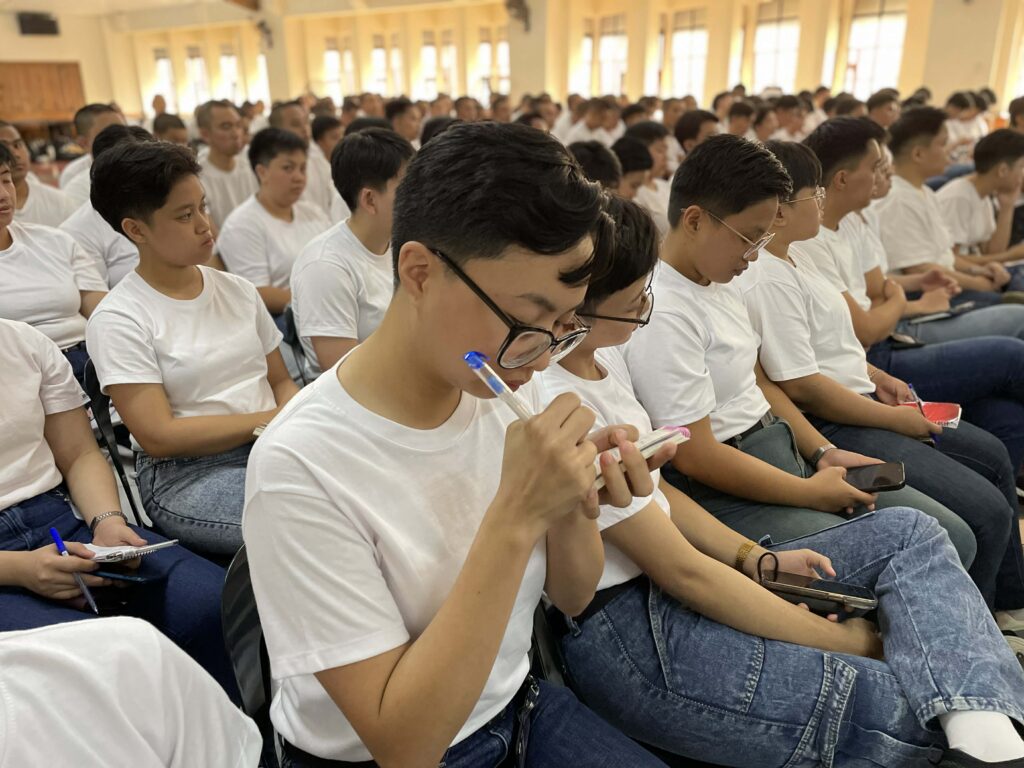
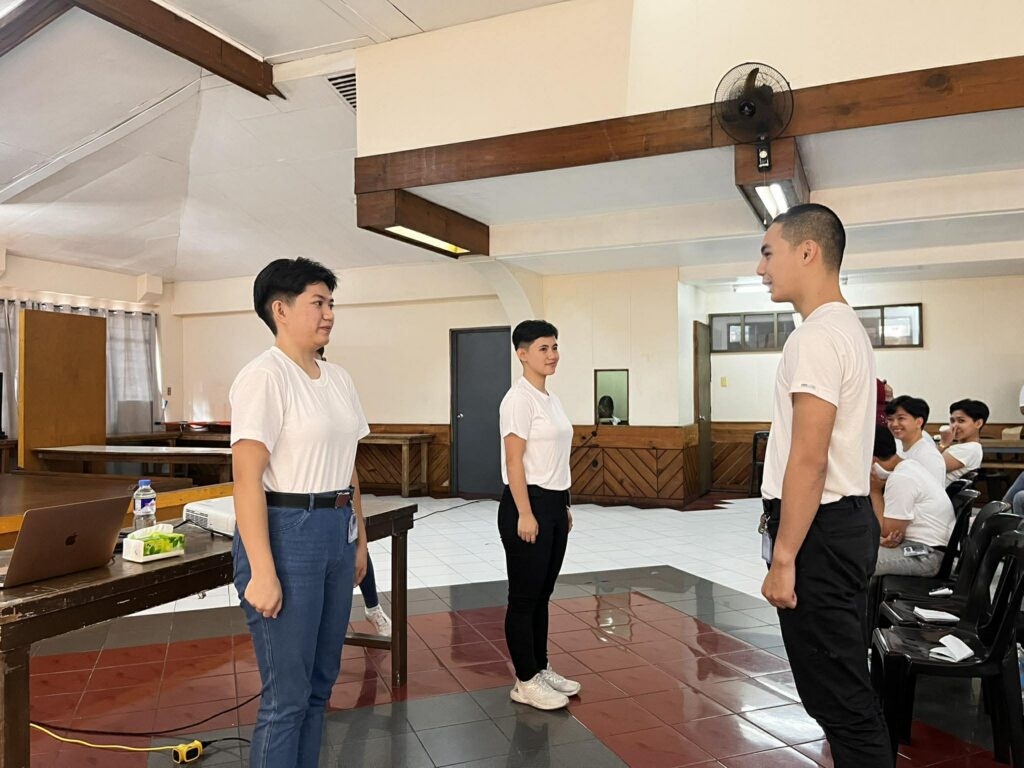
The speaker also emphasized etiquette in law enforcement through live demonstrations of greetings, introductions, and handshakes. Students actively performed these exercises, including cultural variations from different countries, which helped the audience understand the importance of awareness, respect, and adaptability when interacting with diverse populations. These activities reinforced inclusion, mutual understanding, and fairness in professional settings, supporting SDG 10 (Reduced Inequalities).
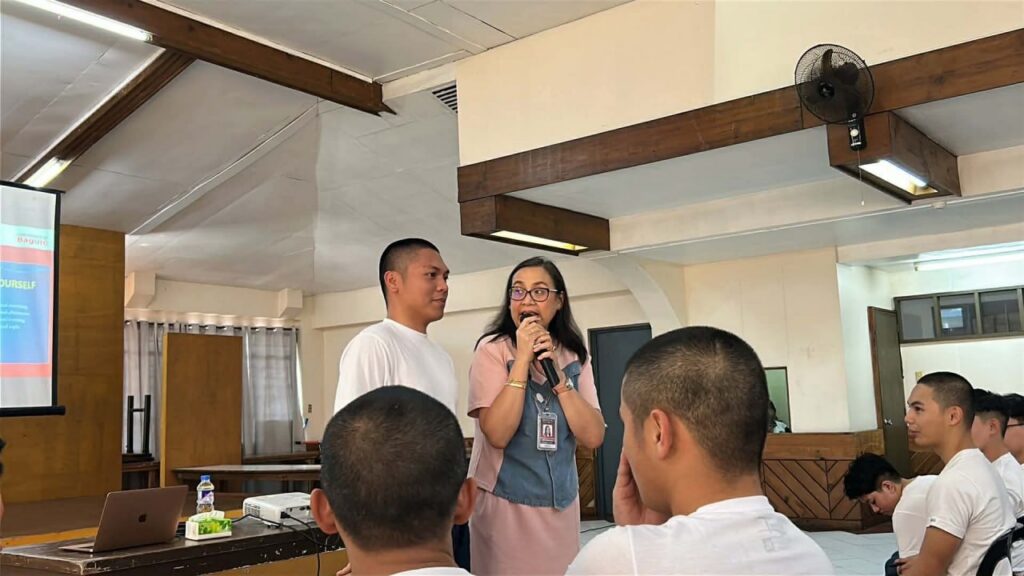
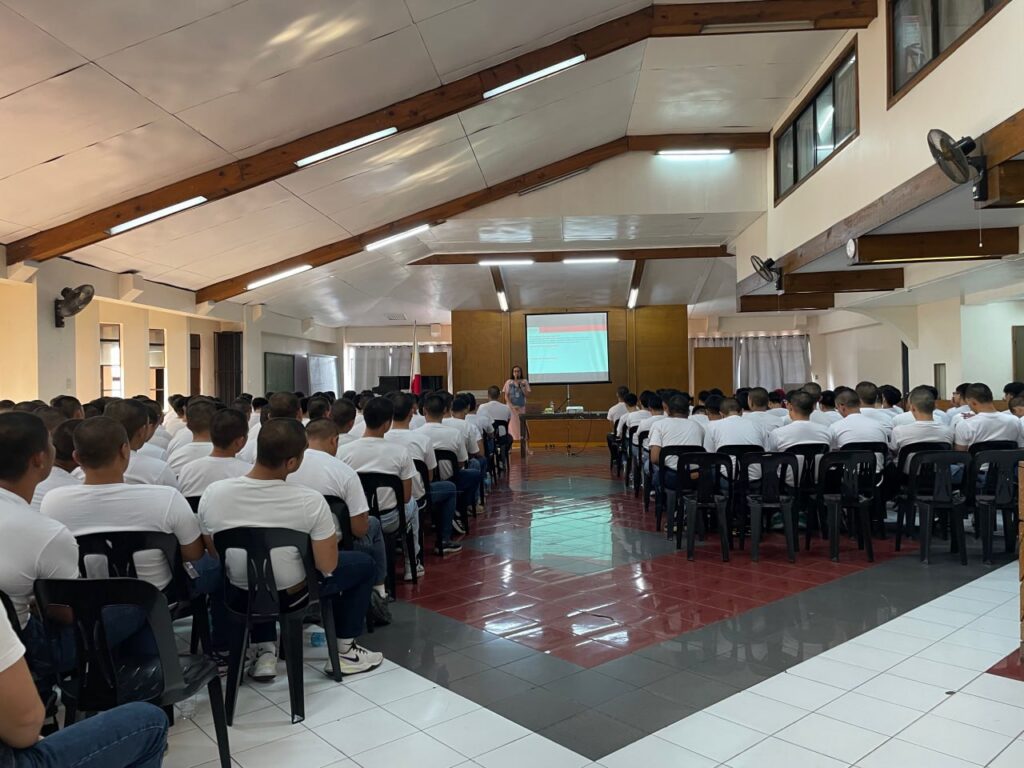
Another major component focused on public relations etiquette and international VIP protocol. Students participated in demonstrations showing how to appropriately address different types of VIPs and observe the correct levels of protocol. Proper business card exchange was also practiced, showing how attention to detail and respectful behavior contribute to professionalism and institutional integrity. These hands-on activities reinforced ethical leadership and effective collaboration, reflecting SDG 16 (Peace, Justice, and Strong Institutions) and SDG 17 (Partnerships for the Goals).
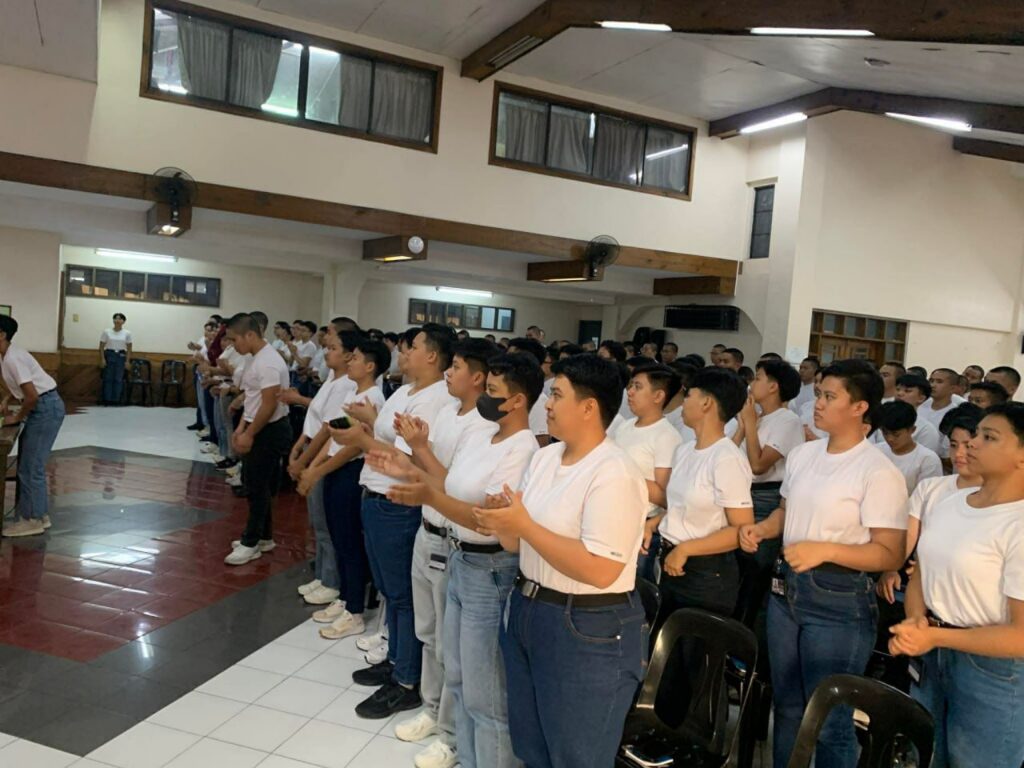
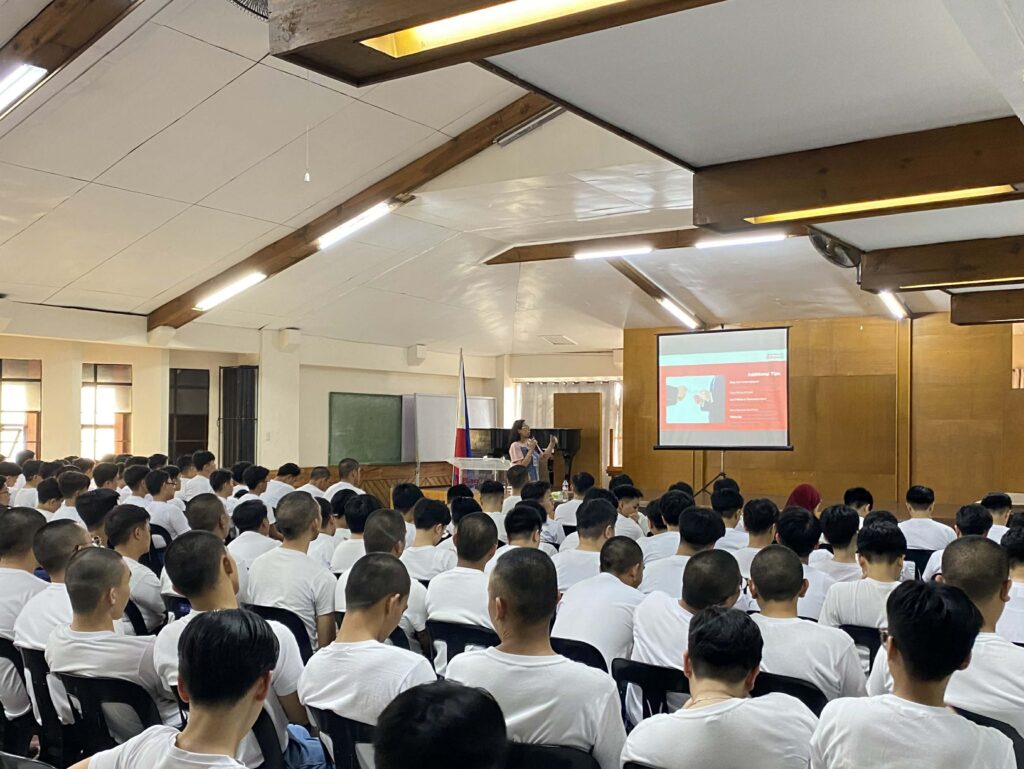
The session concluded with a discussion of the importance of power dressing, in which the speaker emphasized how professional attire can influence confidence, authority, and public perception. Although this topic did not include a demonstration, Ms. Saro’s thorough explanation allowed participants to understand how appearance and presentation complement professional conduct. Overall, the seminar promoted continuous learning, responsible engagement, and effective collaboration, aligning with SDG 4 (Quality Education), SDG 16 (Peace, Justice, and Strong Institutions), and SDG 17 (Partnerships for the Goals).
To reinforce the learning, three personal challenges were given to participants to encourage practical application: rebrand your Facebook profile to reflect professional standards suitable for a law enforcement or forensic science career, create a LinkedIn account and begin building a professional network, and practice self-presentation by speaking to yourself in the mirror to enhance confidence and professional communication. These challenges transformed theoretical concepts into actionable steps that students could implement immediately, ensuring the seminar’s lessons extended beyond the classroom.