
The synergy between culture and sustainable development was powerfully displayed at the Association of Tourism Officers of the Philippines (ATOP) 26th National Convention, held from October 1 to 4, 2025, in Baguio City. The evening of October 1st, hosted at the Hotel Supreme Mall and Event Center, was transformed into a showcase of Filipino heritage and artistic excellence, setting a vibrant tone for the multi-day convergence of tourism leaders.
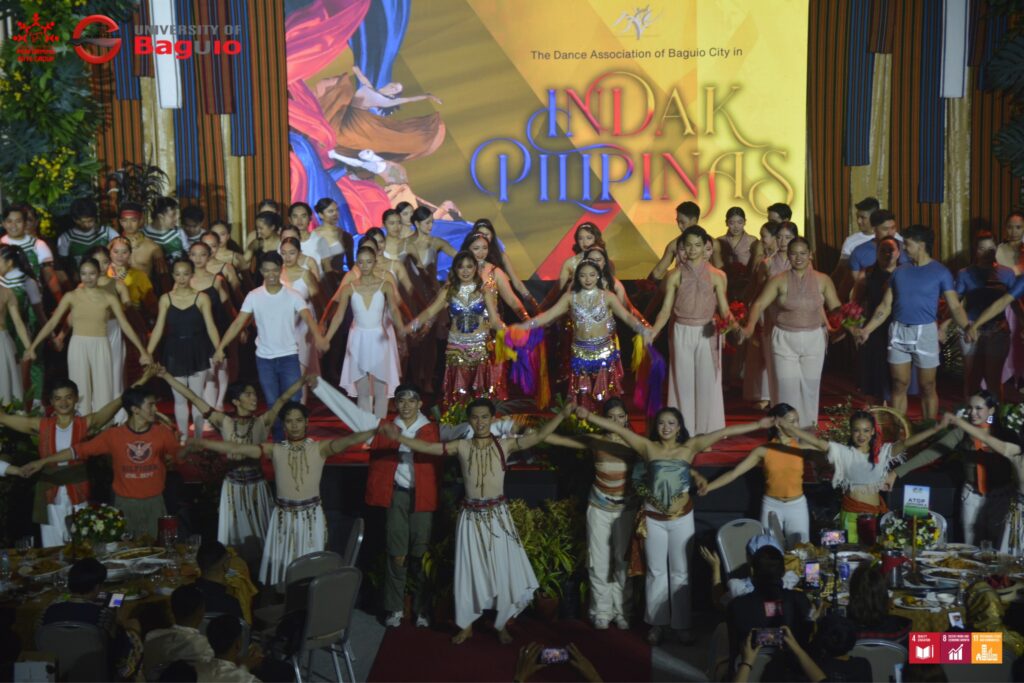
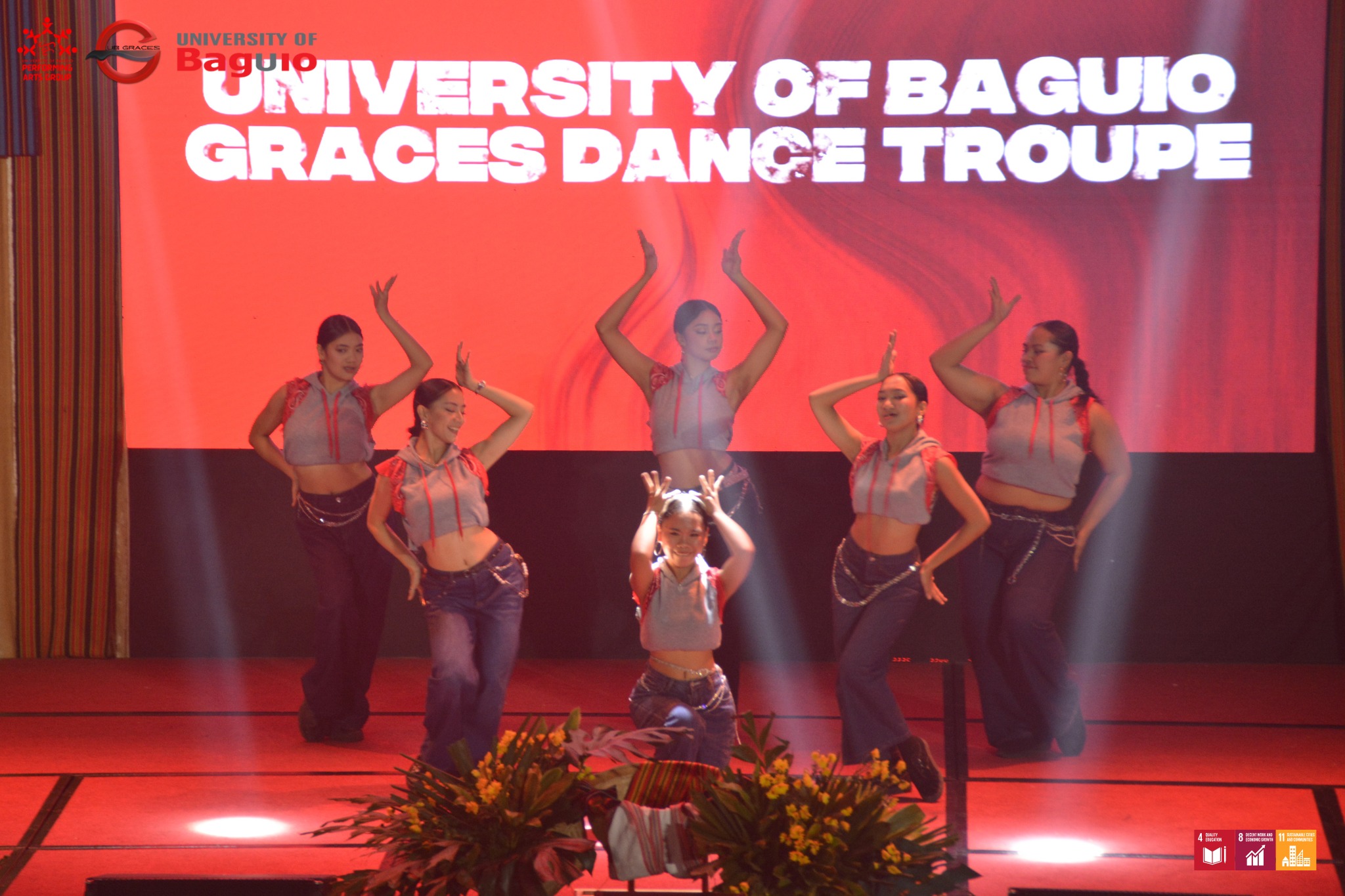
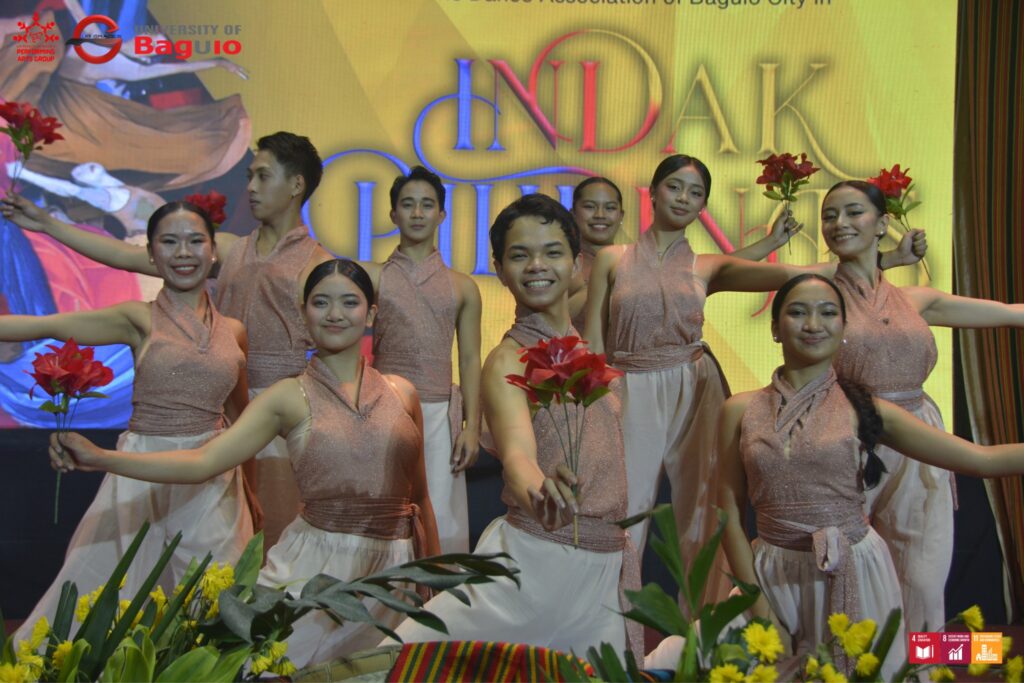
The highlight of the evening was the stellar performance by the UB Graces Dance Troupe from the University of Baguio, who joined fellow artists from the Dance Association of Baguio. As a member of the Creative Baguio City Council (CBCC) Creative Sector 4 for Performance and Celebration, the University of Baguio’s participation underscores the vital role of the academe and the arts in driving tourism and cultural appreciation. The groups brought the stage to life with flair, cultural pride, and compelling choreography set to original Filipino music, receiving an enthusiastic response from the national audience of tourism officers. This collective performance of Filipino artistry served as a tangible reminder of the richness of the country’s heritage.
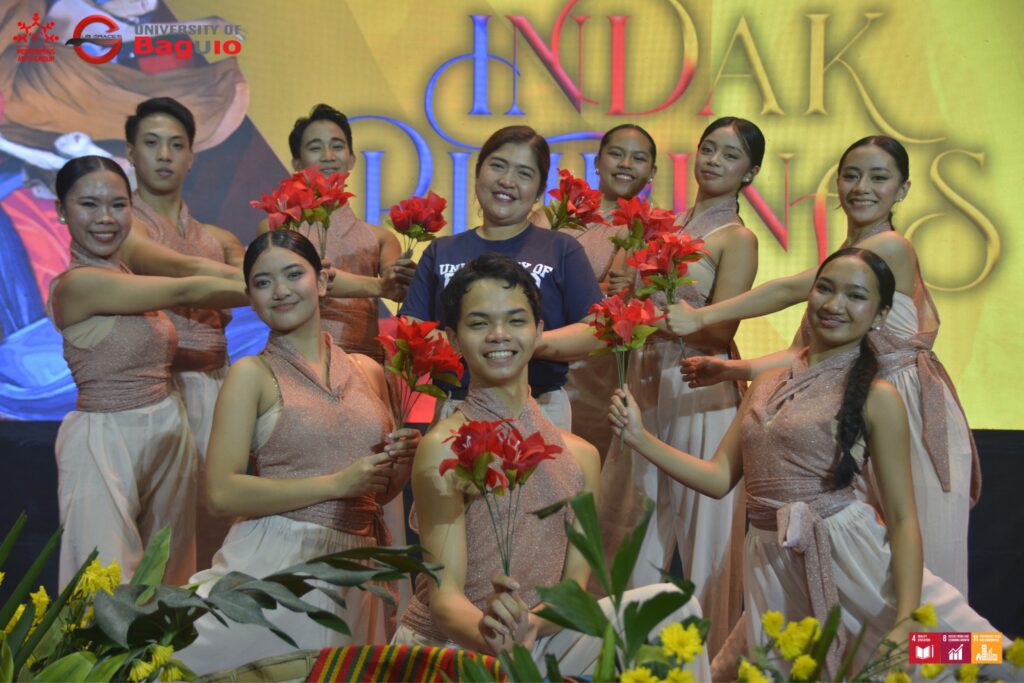
Alignment with Sustainable Development Goals (SDGs) and Baguio’s Creative Vision
This cultural event directly supports Baguio City’s commitment to its status as a UNESCO Creative City and its broader vision for a “Livable, Inclusive, and Creative City” by 2043, aligning with several United Nations Sustainable Development Goals (SDGs).
SDG 4: Quality Education – Nurturing Young Artists: The participation of the UB Graces Dance Troupe, a university-based group, directly reflects the output of quality cultural and artistic learning. It provides students with a high-level platform for performance and professional development in the creative industry.
SDG 8: Decent Work and Economic Growth – Empowering Performers and the Tourism Sector: The performance provides paid engagements and professional exposure for local artists and cultural workers, contributing to the formal creative economy. The successful hosting of the ATOP Convention itself generates economic activity through tourism.

SDG 11: Sustainable Cities and Communities – Preserving and Showcasing Cultural Heritage: By featuring dances and music rooted in Filipino heritage, the event actively preserves and celebrates local culture. Integrating this cultural showcase into a major national convention highlights Baguio’s identity as a cultural hub.
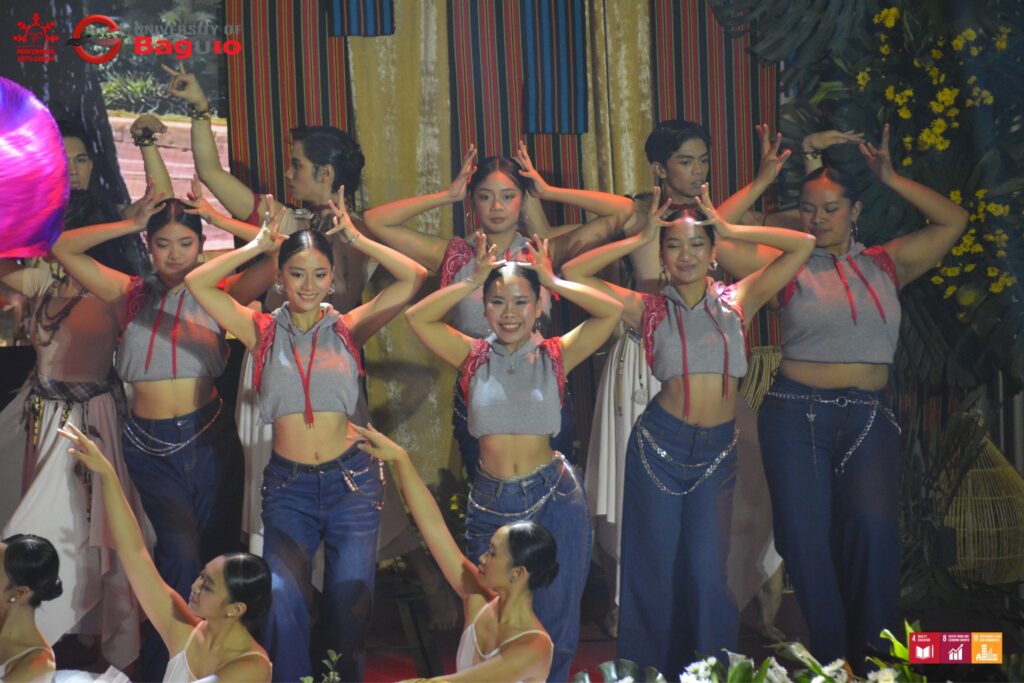
The captivating performance was more than just entertainment; it was a powerful statement on the effective integration of the creative sector with national tourism development, furthering Baguio’s strategic position as a leader in cultural and sustainable tourism in the Philippines.