
Written by Diona Dane T. Ramos
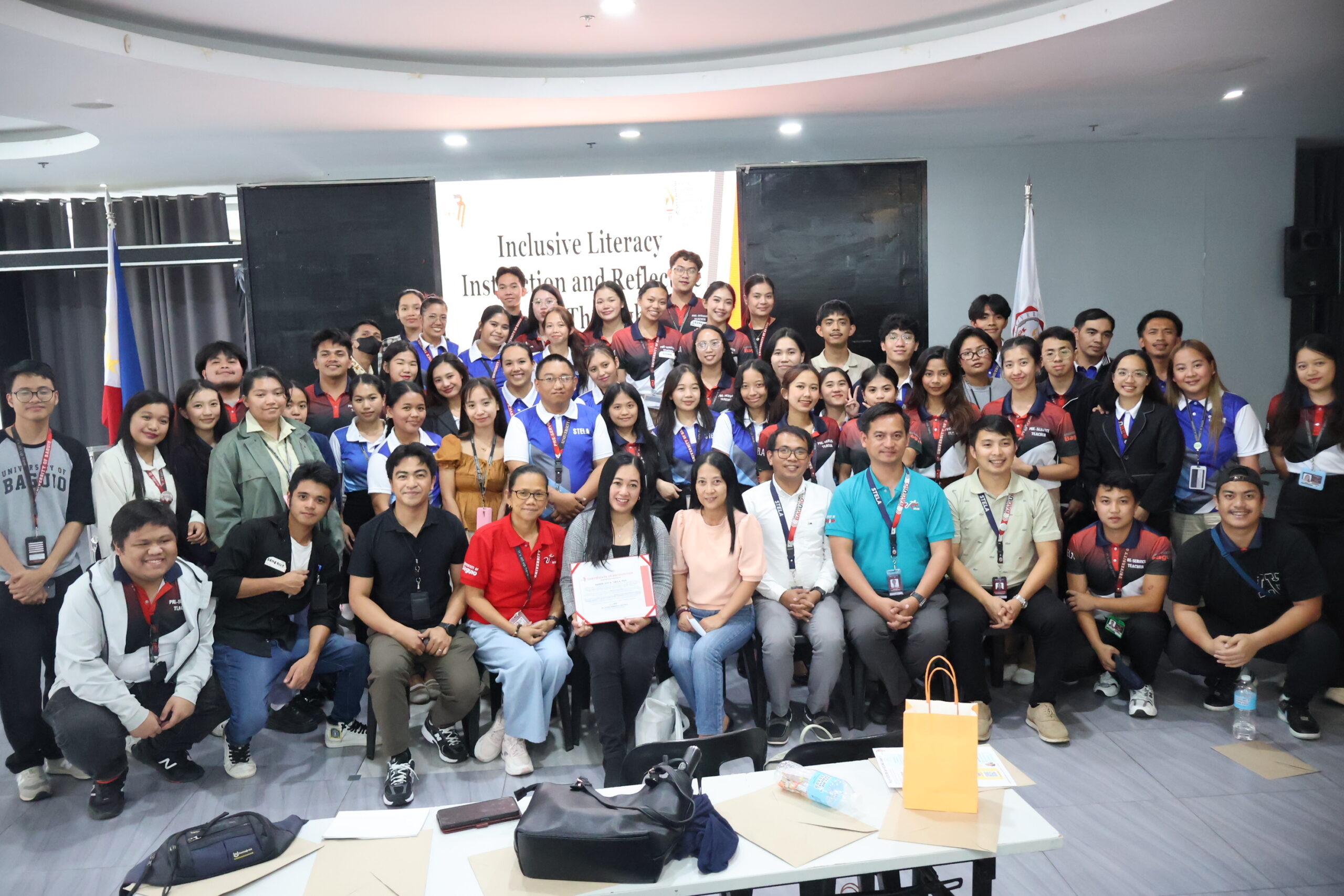
As part of the Bachelor of Secondary Education (BSED) Program’s curriculum innovation initiative under the banner of Project BEACON 2.0 (Becoming Empowered Advocates of Competence and Outcomes through Nurturing Learning Communities), the seminar-workshop “Inclusive Literacy Instruction and Reflective Practice Through the BELONG Literacy Model: Designing Transition Activities from the Opening Block to the Instructional Block in Multilingual Philippine Classrooms” was successfully conducted on July 7, 2026, at the Centennial Hall of the University of Baguio.
The activity brought together incoming Field Study students, faculty members, and alumni in a shared commitment to advancing inclusive literacy instruction and reflective teaching practices. More than a professional development activity, the seminar-workshop represents the BSED Program’s continuing effort to translate research-driven curriculum innovations into meaningful learning experiences that strengthen the preparation of future educators.
The program opened with an inspiring message from Dr. Antonio D. Mangaliag, who reminded participants that students do not simply learn from teachers; they also challenge teachers to become better educators. His message underscored the importance of embracing lifelong learning, adaptability, and continuous professional growth in an ever-changing educational landscape.
This was followed by the presentation of Dr. Dahlia D. Soriano, Program Chair of the Bachelor of Secondary Education Program, who provided an overview of Project BEACON 2.0 and its latest curriculum innovation initiative, Project BEACON CARE: Building Competent, Advocative, and Resilient Educators through Holistic Student Engagement and Support Systems. She emphasized that the project serves as a holistic student development ecosystem that supports pre-service teachers from admission to graduation through research-informed interventions, mentoring, competency development, community engagement, wellness initiatives, and professional identity formation. She further highlighted that this seminar-workshop is one of the flagship initiatives under BEACON 2.0, designed to cultivate future educators who are competent, advocative, resilient, reflective, and inclusive.
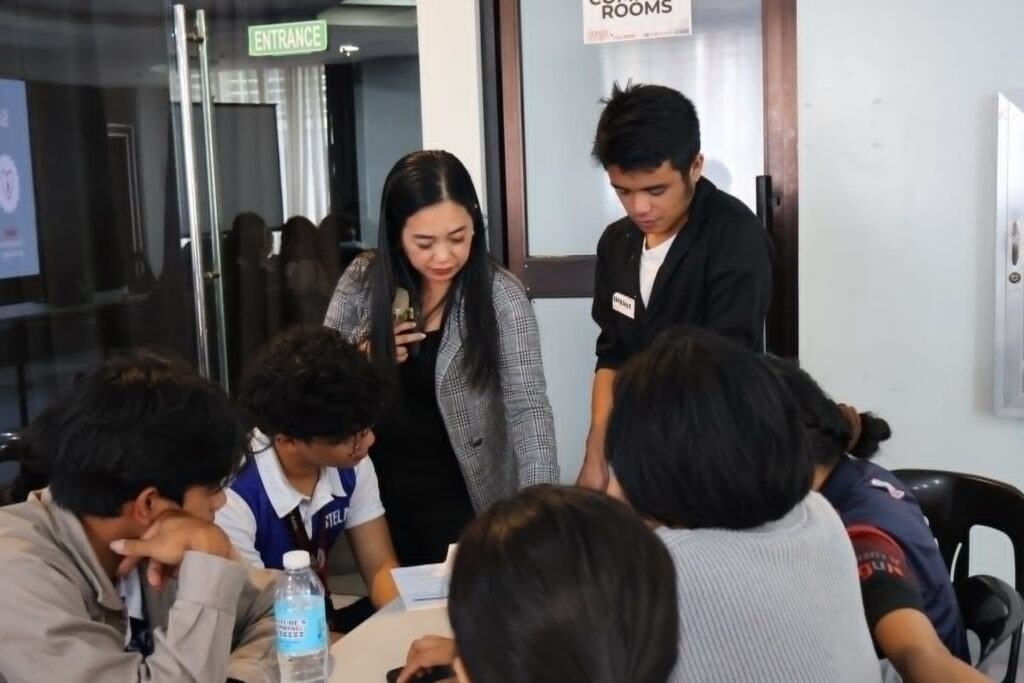
The learning sessions were facilitated by Dr. Karen Umila, the developer of the BELONG Literacy Model, who actively engaged participants in meaningful discussions on inclusive literacy and reflective teaching. She encouraged future educators to embrace humility and continuous improvement, sharing the powerful reminder:
“Teachers should own mistakes, learn more, and improve; not settling is one of the greatest characteristics a teacher can have.”
Central to the seminar was the introduction of the BELONG Literacy Model, a research-informed framework that promotes inclusive and meaningful classroom learning by emphasizing:
- B – Building Identity and Belonging
- E – Engaging Multilingual Voices
- L – Literacy through Dialogue
- O – Ownership of Learning
- N – Navigating Multiple Perspectives
- G – Growing as Readers and Writers
Participants explored how learners may remain silent not because they lack understanding, but because they have yet to experience a genuine sense of belonging within the classroom. The BELONG Model challenges educators to intentionally create learning environments where every learner feels seen, heard, respected, and empowered to participate.
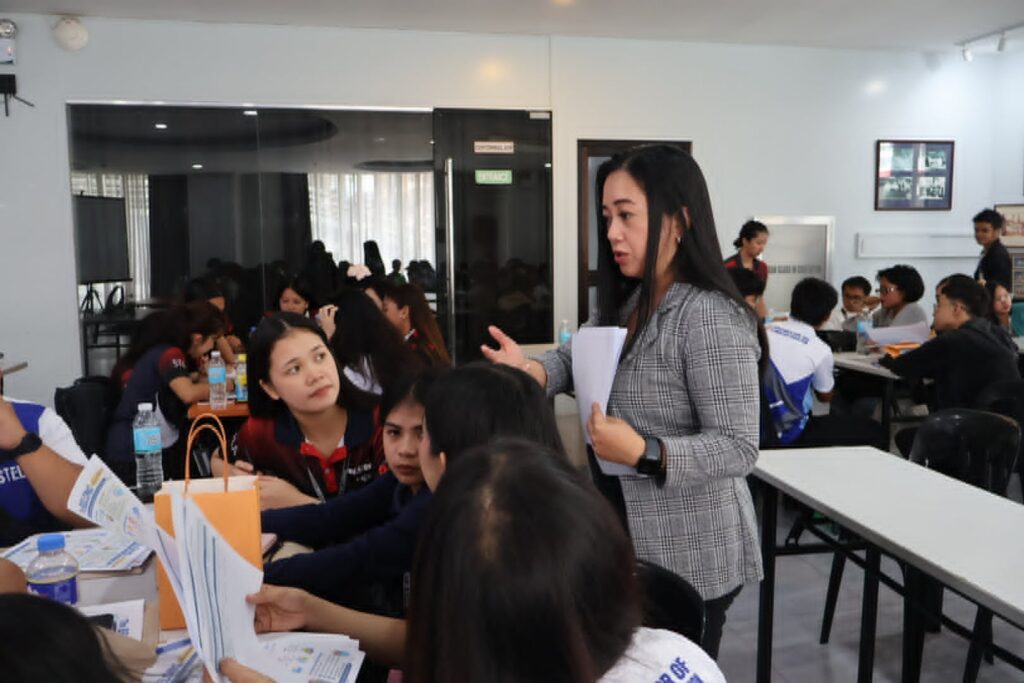
The workshop component allowed participants to collaboratively design transition activities from the Opening Block to the Instructional Block using practical strategies such as bell ringers, journal prompts, think-pair-share activities, and exit tickets. These collaborative sessions provided opportunities to translate theory into classroom-ready instructional practices that support learner engagement and inclusion.
Another meaningful takeaway from the seminar was the emphasis on valuing authenticity over artificial intelligence. Participants were reminded that while technology can assist instruction, genuine learning begins by honoring students’ lived experiences, cultures, identities, and voices. As shared during the session,
“It is not about perfecting English on day one, but instead about creating a space where students feel safe enough to try.”
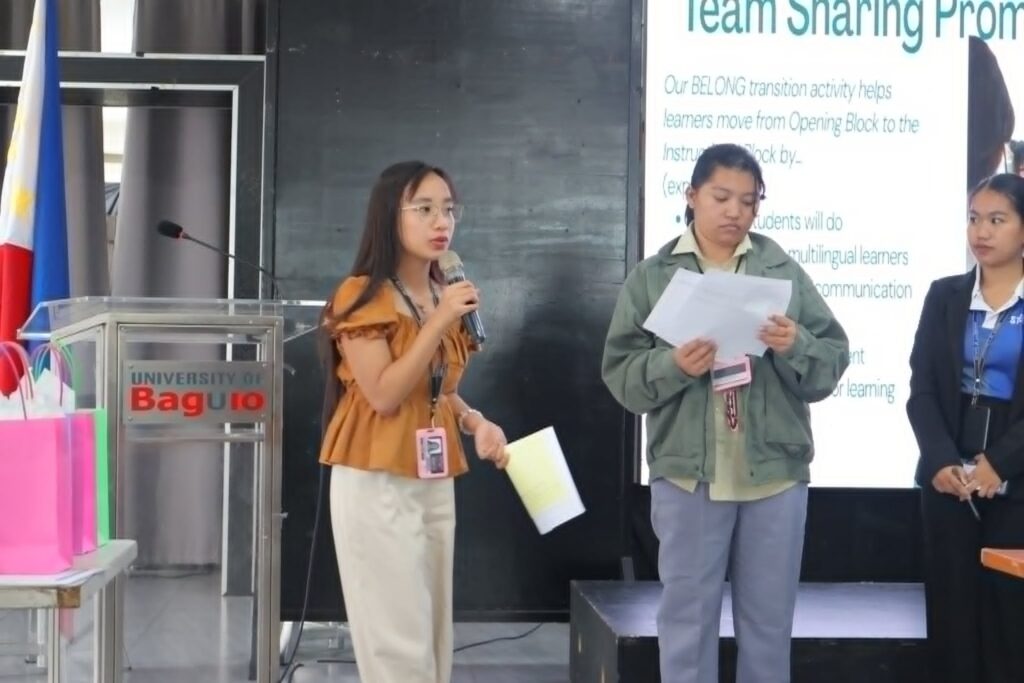
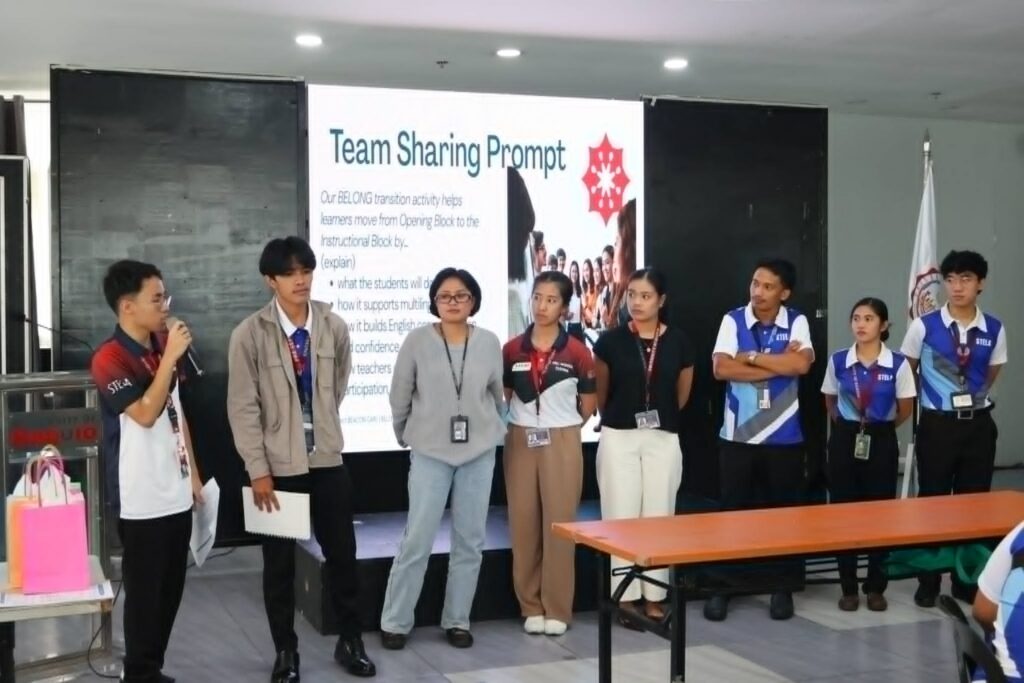
The seminar concluded with group presentations of BELONG-inspired instructional activities, and the introduction of the BELONG Literacy Toolkit.
This curriculum innovation directly supports the United Nations’ Sustainable Development Goals (SDGs), particularly SDG 4: Quality Education, by fostering inclusive, equitable literacy instruction and strengthening teacher preparation. Furthermore, by bringing together pre-service teachers, university faculty, school alumni, and local community stakeholders, the initiative advances SDG 17: Partnerships for the Goals, demonstrating how collaborative learning communities can drive sustainable educational progress.
Through this curriculum innovation initiative under Project BEACON 2.0, the Bachelor of Secondary Education Program continues to demonstrate its commitment to research-driven teacher education, ensuring that curriculum enhancements are grounded in evidence and responsive to the evolving needs of learners, schools, and communities. By equipping future educators with inclusive, reflective, and research-based teaching practices, the BSED Program reaffirms its mission of preparing teachers who are not only academically competent but also compassionate, resilient, and committed to creating meaningful learning experiences for every learner.