
Written By Dahlia D. Soriano, BSED Program Chair
BEACON 2.0 seminar-workshop equips 54 incoming Field Study students with the BELONG Literacy Model for inclusive, multilingual classrooms
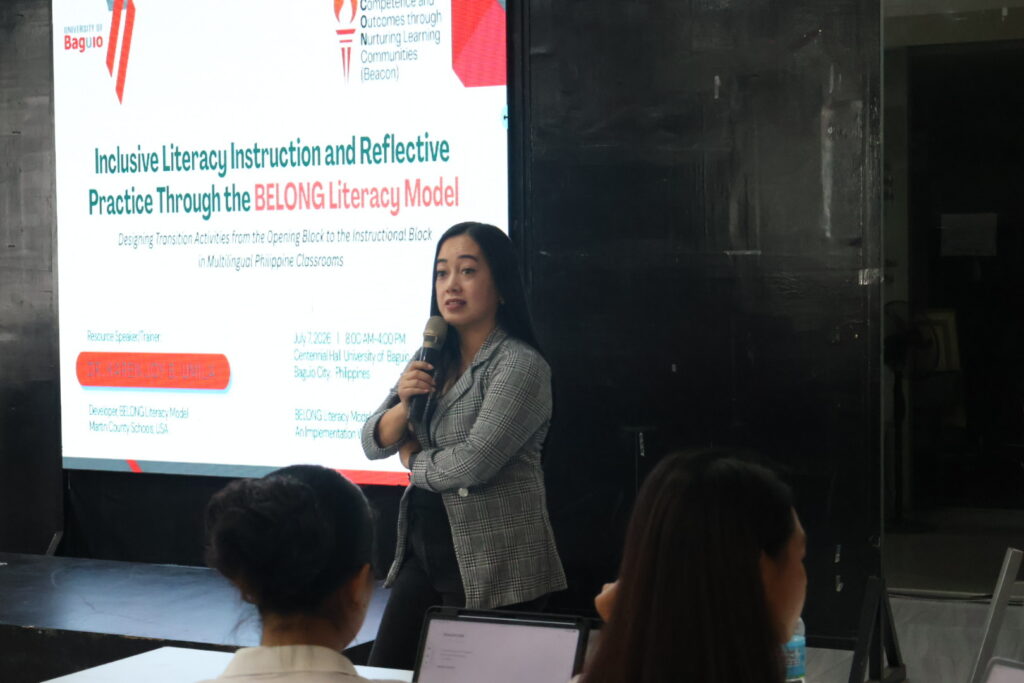
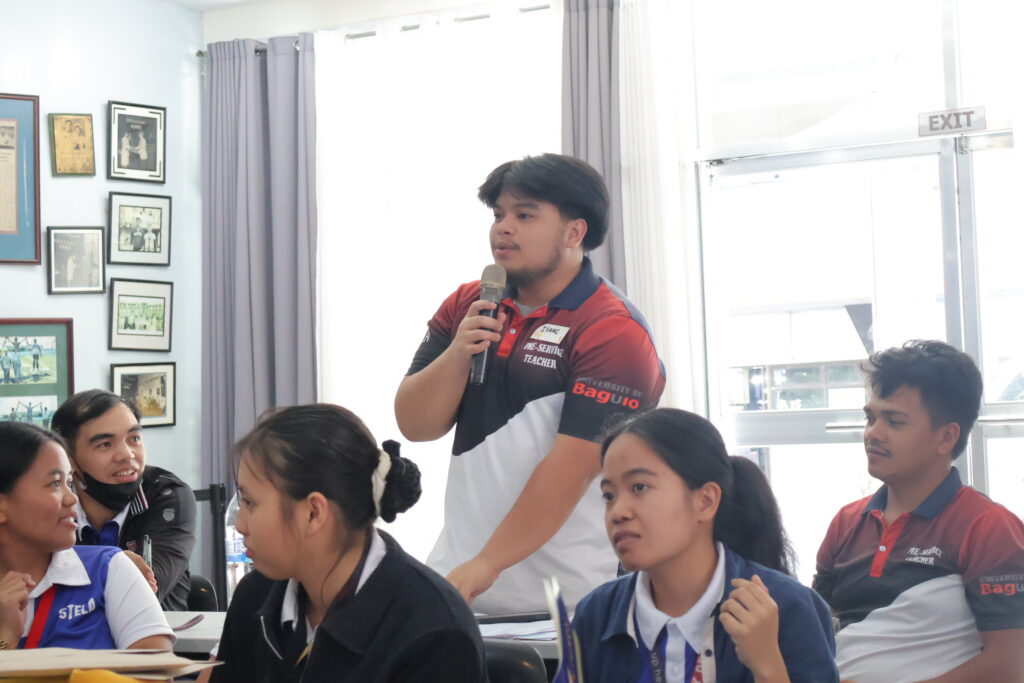
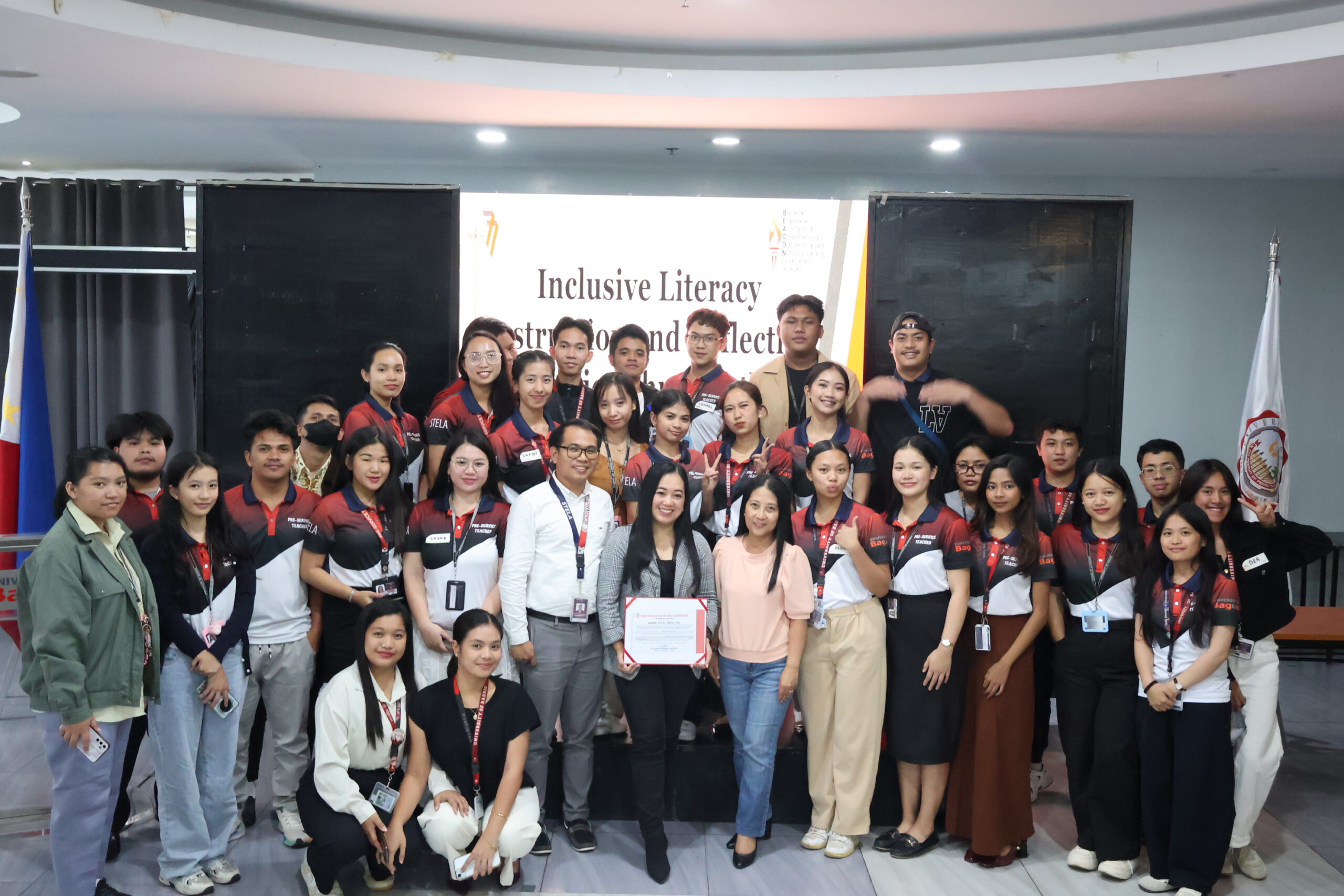
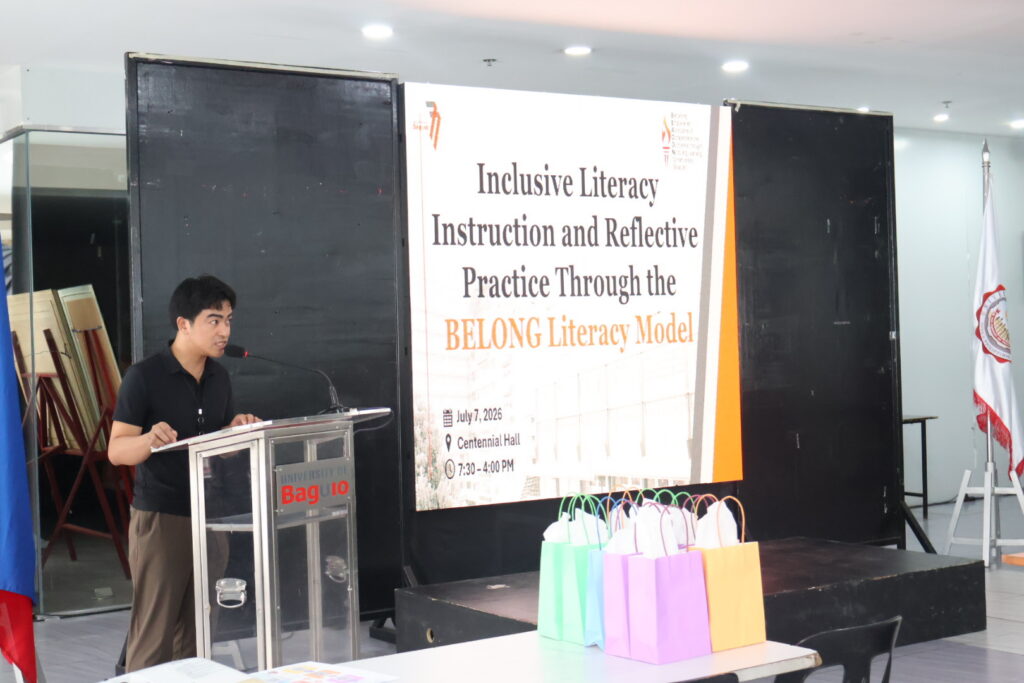
The Bachelor of Secondary Education (BSEd) Program of the University of Baguio, through the School of Teacher Education and Liberal Arts, conducted the seminar-workshop “Inclusive Literacy Instruction and Reflective Practice Through the BELONG Literacy Model” on July 7, 2026, at the Centennial Hall. Held under Project BEACON 2.0 (Becoming Empowered Advocates of Competence and Outcomes through Nurturing Learning Communities), now in its second year, the activity equipped future educators with practical, research-based strategies for building inclusive, culturally responsive classrooms in multilingual Philippine schools.
The seminar-workshop was grounded in the findings of two studies by BSEd faculty: An Evaluation of Student Teachers’ Teaching Performance as Perceived by Their Cooperating Teachers (Soriano, 2022) and Adaptability Quotient and Adaptive Strategies among Philippine Pre-Service Teachers: Evidence from Teacher Education (Rosete, 2025). Both studies pointed to the need for stronger preparation in questioning, communication, and adaptive classroom practice, findings that directly shaped the workshop’s focus on inclusive, and reflective teaching.
Impact and Beneficiaries
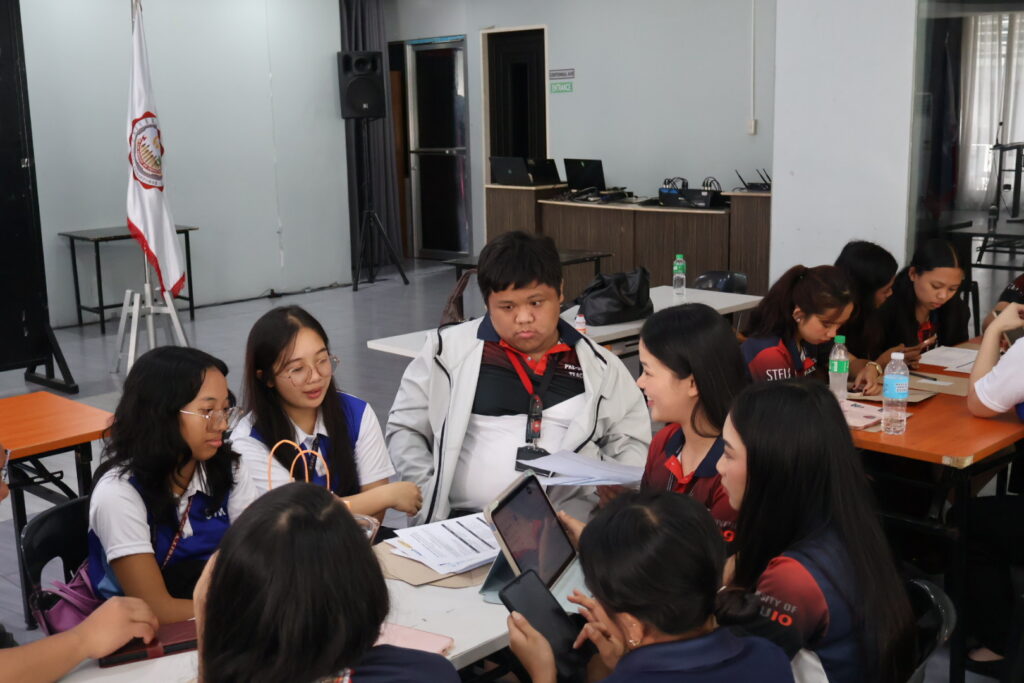
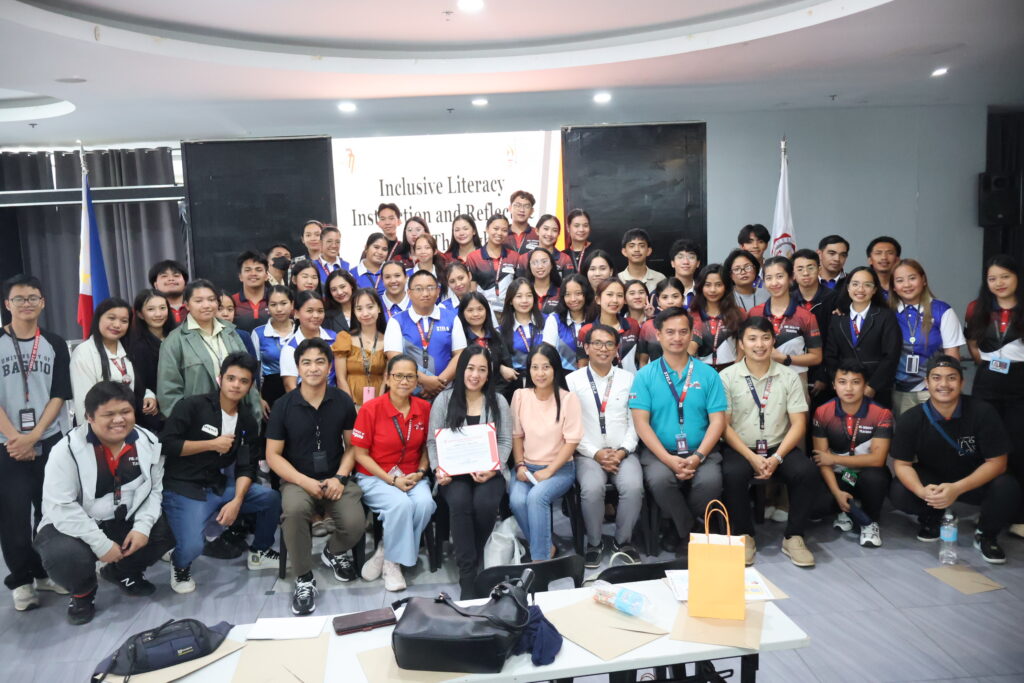
The seminar-workshop brought together 54 incoming Field Study 1 and Field Study 2 students, 31 from the Bachelor of Secondary Education (BSEd) and 23 from the Bachelor of Elementary Education (BEEd) programs, 11 faculty members, and 7 alumni mentors. Dr. Antonio D. Mangaliag opened the program with a reminder that teachers grow alongside their students in a continuous, two-way process of learning.
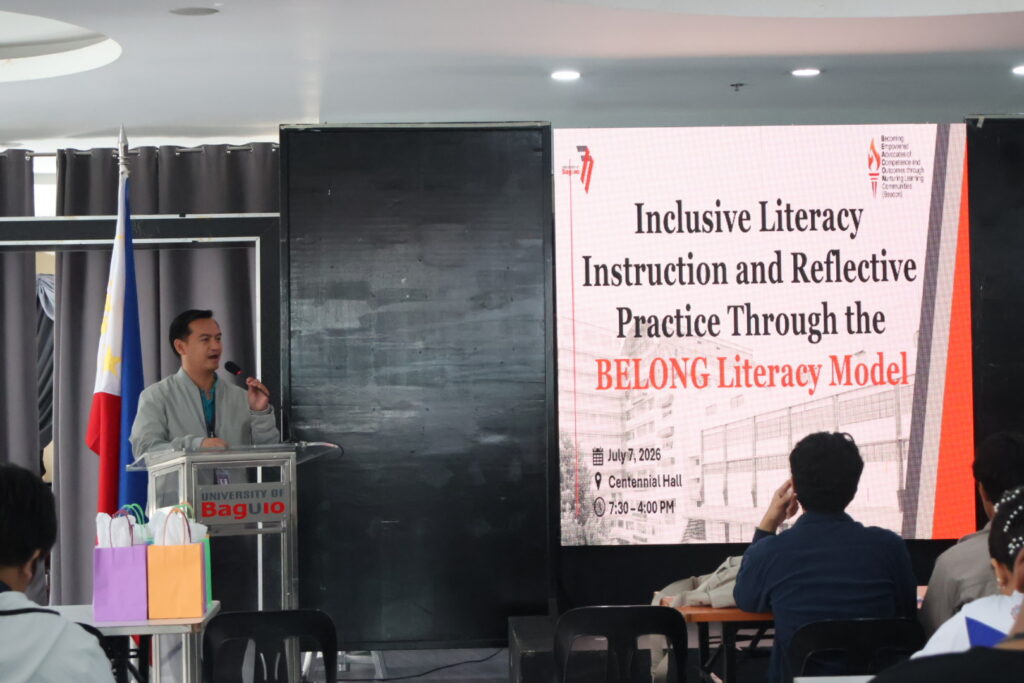
Post-activity feedback pointed to three key takeaways. Participants named the BELONG Literacy Model itself as the most valuable takeaway, describing it as a practical framework for inclusive teaching built on simple, repeatable routines, such as bell ringers, journal prompts, and exit tickets, that help ensure no student is left behind. Many also came away with a clearer sense that inclusion is an intentional, achievable practice, one where deliberately making students feel seen, heard, valued, and safe translates directly into greater student confidence, participation, and resilience. Several participants further described a shift in perspective on learner diversity, recognizing differences in language, culture, and learning style as strengths in inclusive classroom can draw on, especially in reaching shy or non-participating learners, rather than as disadvantages to overcome.
Ongoing Activities
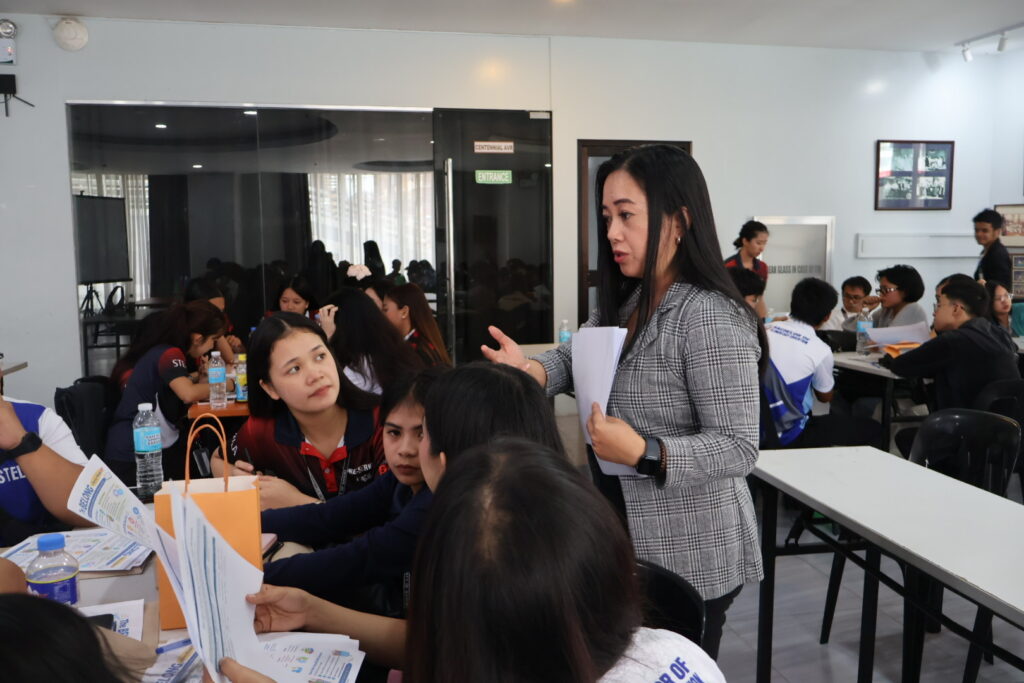
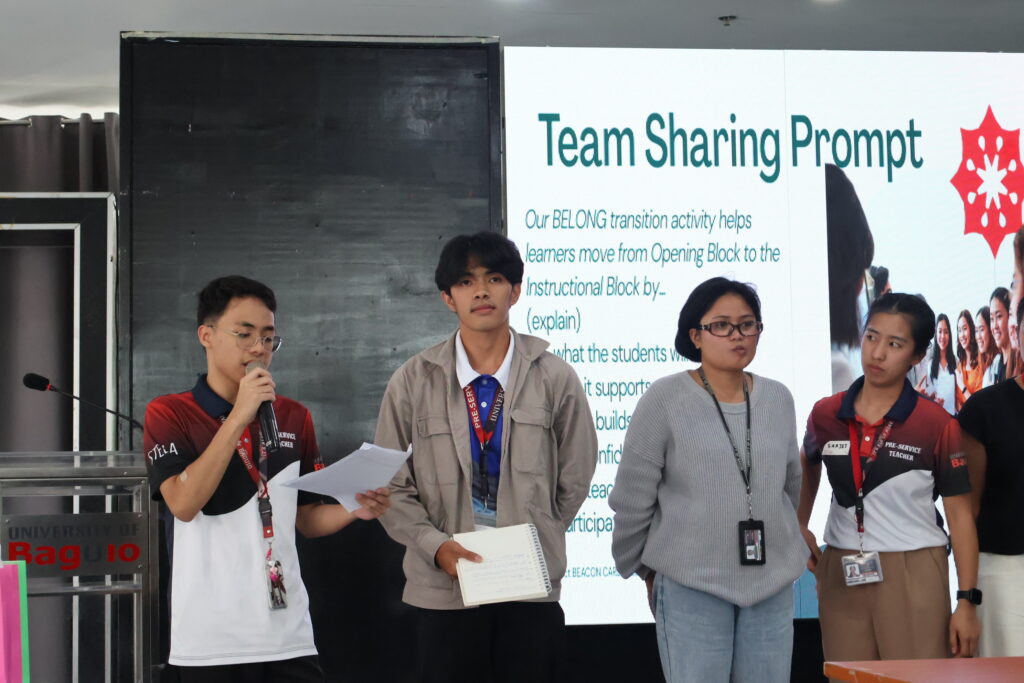
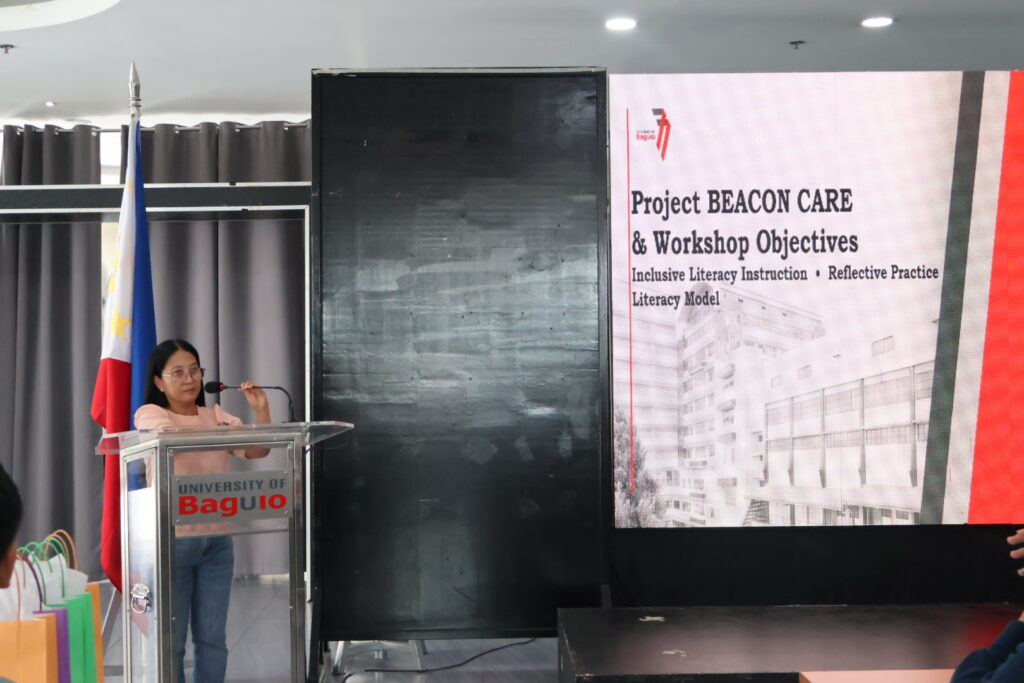
The seminar-workshop is one of the flagship activities under Project BEACON CARE, the BSEd Program’s holistic student development ecosystem supporting pre-service teachers from admission to licensure through mentoring, research engagement, wellness initiatives, and community immersion. Participants explored the BELONG Literacy Model, developed by Dr. Karen B. Umila, English Language Arts Teacher at Martin County Schools in the United States since 2022. Working in groups, they designed classroom transition activities such as bell ringers, journal prompts, and exit tickets, and gained access to a dedicated Google Classroom hub with the BELONG Literacy Toolkit to sustain their learning as they prepare for deployment to the University of Baguio High School and other cooperating schools this August.
Connection to the SDGs
The initiative advances SDG 4: Quality Education by strengthening inclusive and equitable learning opportunities for future classrooms; SDG 10: Reduced Inequalities, by empowering teachers to design instruction responsive to multilingual and culturally diverse learners; and SDG 16: Peace, Justice, and Strong Institutions, by fostering respectful, inclusive school communities where every learner’s voice is valued.
Looking Ahead
Through Project BEACON 2.0, the BSEd Program reaffirms its commitment to research-driven, inclusive teacher education, continuing to prepare competent, advocative, resilient, reflective, and inclusive educators equipped to make a lasting impact in classrooms and communities.