
Written by: Faith A. Matutino and Joanna Grace B. Vicmudo | Photographed by: Wenona Abegail A. Packoy, Jenny Rose L. Palangdao, and Joanna Grace Vicmudo
UB SCJPS Interns Class Salaknib Diwa 2025 Conducts Series of Blood Donations in Support of Community Health Efforts
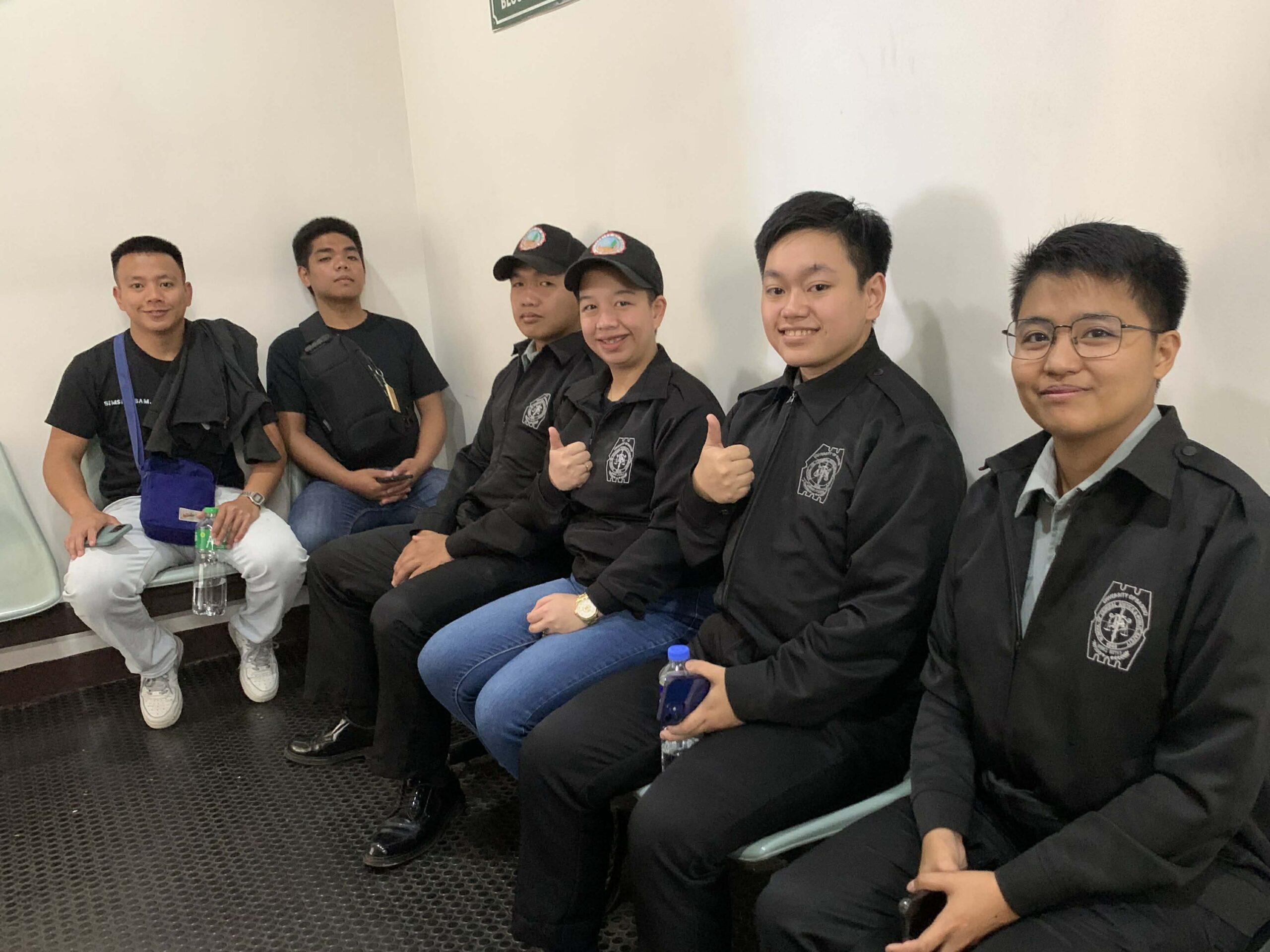
Baguio City, Philippines — Interns from the University of Baguio – School of Criminal Justice and Public Safety (UB-SCJPS), collectively known as Class Salaknib Diwa 2025, conducted a series of coordinated blood donations from August to October 2025 in response to multiple emergency requests from families within Baguio City and La Trinidad. The efforts, carried out in partnership with the Philippine Red Cross, SLU Red Cross Unit, and Baguio General Hospital and Medical Center (BGHMC), underscore the class’s continuing commitment to community service, public welfare, and multi-sectoral collaboration.
The donations form part of the university’s broader community engagement initiatives and directly contribute to the fulfillment of the United Nations Sustainable Development Goals (SDGs), particularly SDG 3: Good Health and Well-Being, SDG 16: Peace, Justice, and Strong Institutions, and SDG 17: Partnerships for the Goals. These goals emphasize the importance of accessible health services, strong public institutions, and coordinated action among sectors in addressing community needs.
The first documented blood donation occurred on August 9, 2025, at the Philippine Red Cross, where eight members of Class Salaknib Diwa 2025 responded to an urgent request for patient Jomelyn Oloan, who required Type O blood. Donors included Ronchell Alalag, Rex Nagnot, Asjee Ognayon, Brent Afiaten, Jan Ritz Laoyan, Adnan Balintaculo, Vander Colingan, and John Rezon Linsangan. Their participation ensured that the patient’s family received immediate support during a critical medical situation.
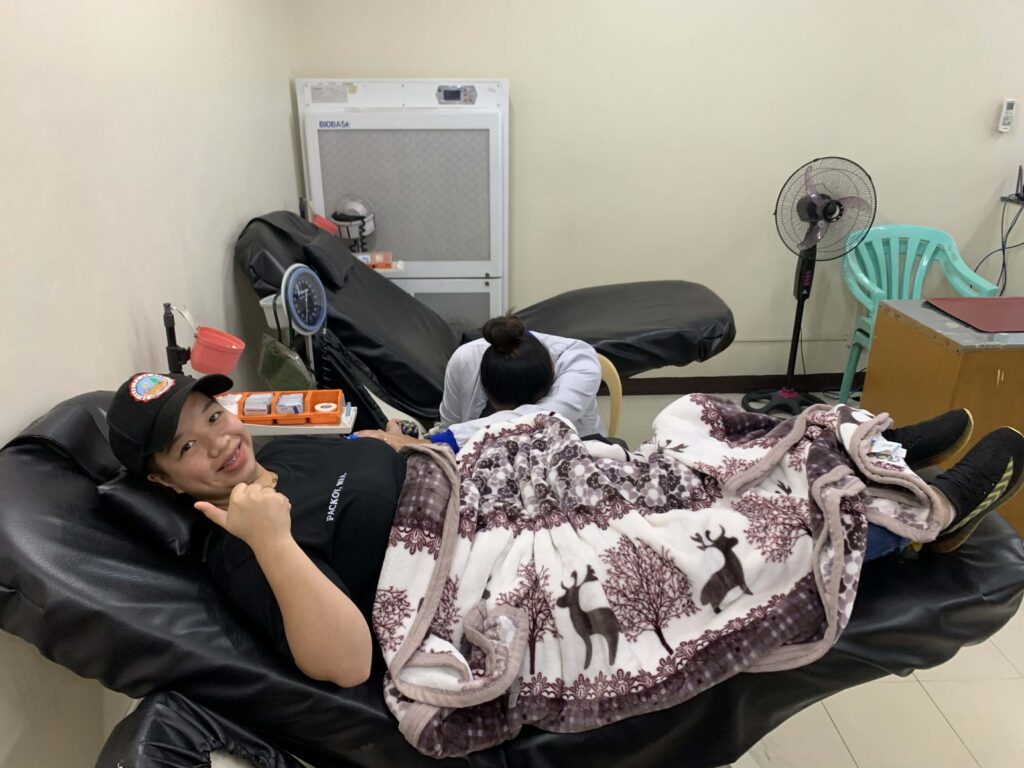
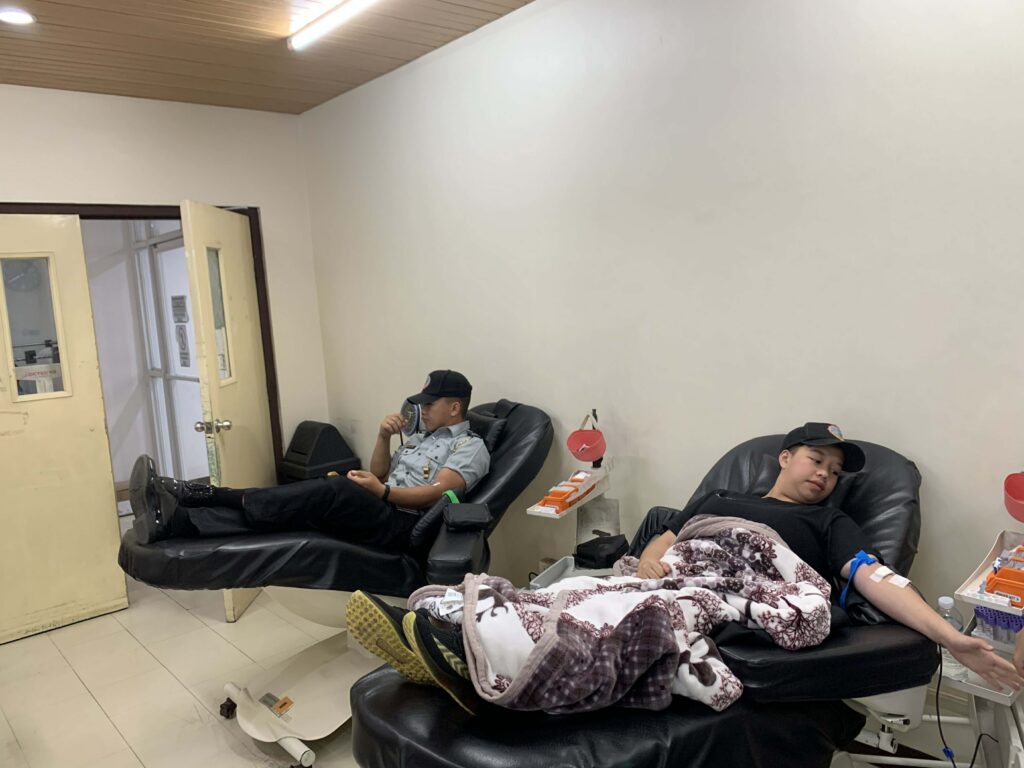
The class continued its community assistance efforts on October 6, 2025, at the SLU Red Cross Unit, when four individuals—Jarel O. Aban, Renden G. Oppas, Leslie Ann K. Cobcobo, and Alexandra Nicole A. Sumalinog—were reported to be in urgent need of Type O blood. Class member Asjee A. Ognayon responded to the request, demonstrating the class’s ongoing availability to assist with emergency blood requirements and its willingness to support public health partners whenever needed.
On October 14, 2025, four additional members of the class proceeded to BGHMC to provide Type A+ blood for patient Rhyl Harlan Guzman, who required immediate transfusion. The donors for this batch included Neil Janson V. Humiwat, Jerome T. Sarmiento, Jenny Rose L. Palangdao, and Kyla Marie Bumilac. Their coordinated response ensured timely support for the patient, reinforcing the role of UB-SCJPS interns as consistent contributors to community-based health efforts.
The most recent recorded assistance took place on October 22, 2025, when six class members once again visited BGHMC to donate Type O blood for Isabel Canaib, who was undergoing medical treatment and in need of urgent transfusion support. The donors—John Lyndon O. Fegsar, Wenona Abegale A. Packoy, Marialexies T. Marquez, Glyssa M. Rebultan, Bryson Ace M. Simsim, and Joebert D. Omaoeng ensured that the patient’s requirements were met promptly, illustrating the class’s consistent readiness to assist community members undergoing medical crises.
The sustained participation of UB-SCJPS interns in these blood donation activities directly aligns with SDG 3: Good Health and Well-Being, which advocates for ensuring healthy lives and promoting well-being for individuals at all ages. Blood availability is an essential component of emergency health care, and the interns’ consistent involvement helps expand the supply of safe and timely blood for patients in need. Their contributions strengthen public health capacity and support families facing urgent medical conditions.
Beyond health-focused initiatives, the actions of the interns also reflect the principles of SDG 16: Peace, Justice, and Strong Institutions. This SDG emphasizes the importance of inclusive, accountable, and effective institutions that build trust with the public. By participating in service-oriented activities that directly benefit the community, criminal justice and public safety interns model responsible citizenship and reinforce positive relationships between future law enforcement professionals and the community they will serve. Their voluntary efforts demonstrate how institutions of learning can contribute to strengthening public trust through transparent, responsive, and humane initiatives.
Moreover, the coordinated nature of the blood donations demonstrates strong alignment with SDG 17: Partnerships for the Goals, which underscores the value of cooperation among institutions, sectors, and organizations. The collaboration among UB-SCJPS, the Philippine Red Cross, the SLU Red Cross Unit, and BGHMC illustrates how shared efforts can effectively address public health concerns and assist communities during emergencies. This partnership-based approach highlights the role of academic institutions in enhancing the reach, efficiency, and impact of local health services through student involvement and volunteerism.
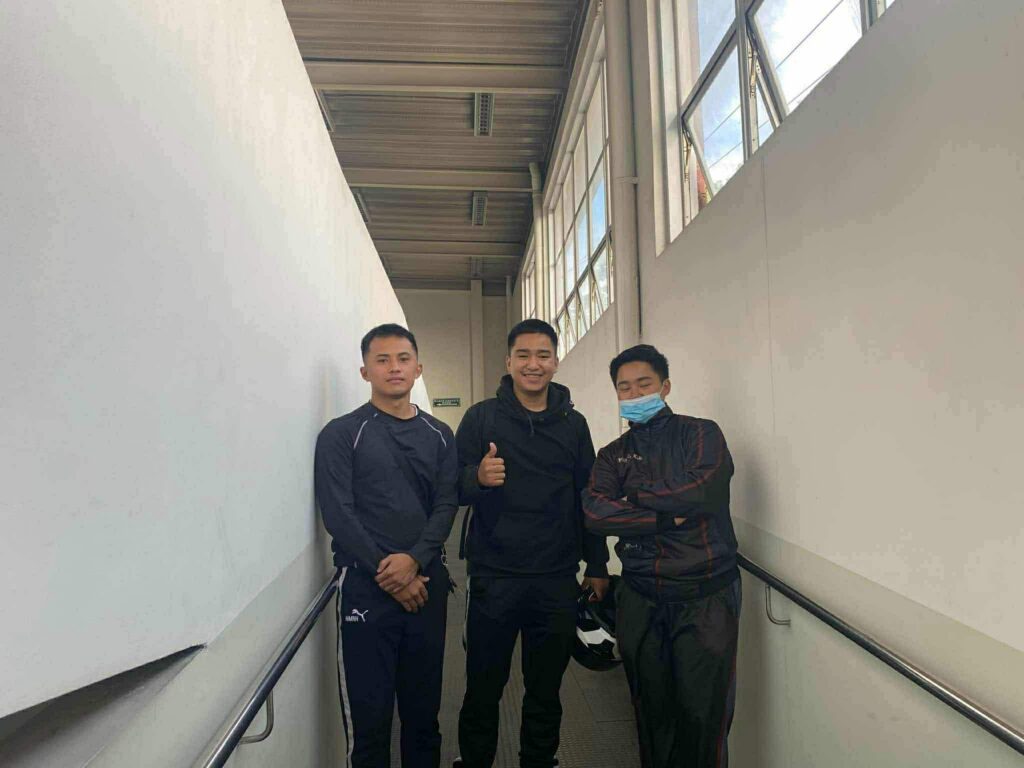
The School of Criminal Justice and Public Safety continues to emphasize the importance of community engagement as part of its academic and training framework. According to faculty mentors, service-oriented opportunities such as these not only strengthen practical readiness but also cultivate responsibility, empathy, and civic awareness among students. The efforts of Class Salaknib Diwa 2025 demonstrate how interns can contribute meaningfully to public welfare through organized and consistent action.
With multiple donations completed across several months, the class has shown a strong pattern of responsiveness to urgent community needs. Their participation reflects the university’s commitment to integrating public service into academic training and preparing future law enforcement and public safety professionals who are capable of contributing to community well-being. UB-SCJPS is expected to continue supporting similar initiatives as part of its engagement with local partners and health institutions.