
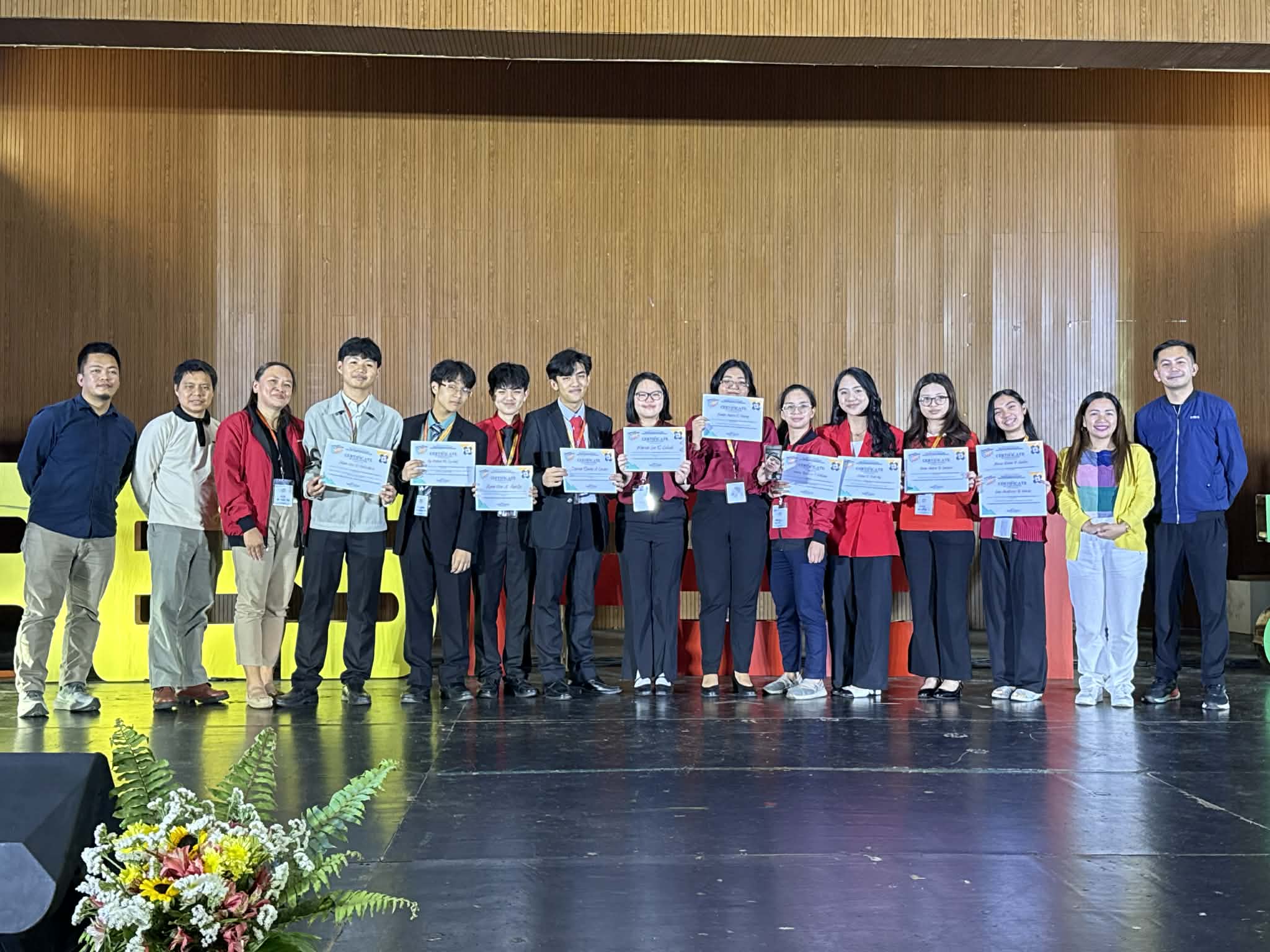
In a vibrant display of youth innovation aligned with global sustainability goals, the University of Baguio Science High School (UBSHS) showcased cutting-edge research projects at the 2nd Research Festival (ResFest) organized by the Philippine Science High School – Cordillera Administrative Region Campus (PSHS-CARC). Held on March 14, 2026, at the Baguio Convention Center under the theme Agham na Ramdam: Siyensiya at Teknolohiya para sa Madla, the event brought together young scientists from top institutions including UBSHS, PSHS-CARC, and neighboring schools, Baguio City National Science High School, University of Cordilleras Senior High School, San Louis School Inc., Philippine Science High School- Cagayan Valley Campus, San Pedro Apartado National High School, and SLU Basic Education School Laboratory High School-Senior High School.
This gathering underscored the critical role of education in advancing the United Nations Sustainable Development Goals (SDGs), particularly those addressing environmental protection, clean water, climate action, and responsible consumption, core pillars emphasized in UBSHS’s ongoing commitment to research- driven solutions.
UBSHS delegates excelled in both the 3-Minute Research Challenge (3MRC) and Poster Presentation categories, presenting work that bridges scientific inquiry with practical applications for sustainable development. In the 3MRC, Kendal Audrey S. Bucang led her group—including Celine S. Kiat-ong, Ninna Andrea B. Lumpias, Anissa Helena P. Quintos, and Quin Arcafloryz B. Wawey—in exploring bioluminescent bacteria as bioindicators for detecting pesticides and fertilizers in aquatic ecosystems. Their project highlights how microbial indicators can monitor agricultural runoff pollution, supporting SDG 6 (Clean Water and Sanitation) by enabling early detection of contaminants threatening freshwater resources.
The team of Fuj Mikael Coronel, comprising Ballesteros, Julian Carl; Malhi, Arman; Malinao, Andrei Theodore; and Rivera, Eitan Hunter—investigated perceived difficulties among Grade 10 students in theoretical versus experimental probability through digital gamification interventions. This educational study ties into SDG 4 (Quality Education), demonstrating innovative tools to make STEM learning accessible and engaging, potentially reducing academic challenges.
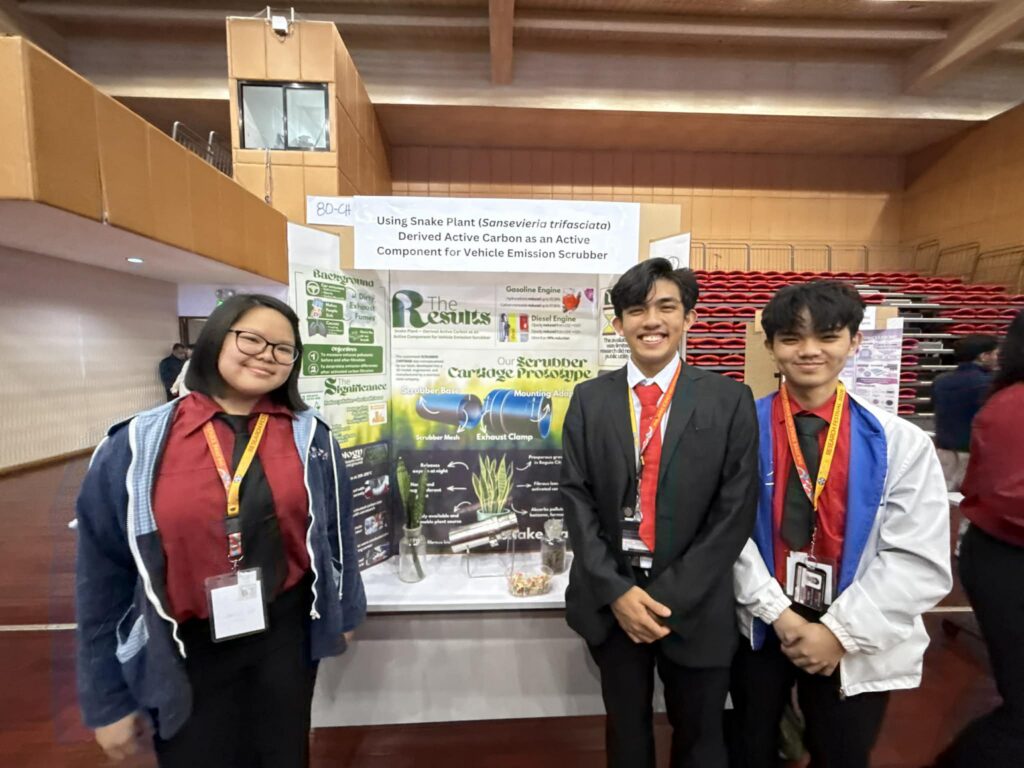
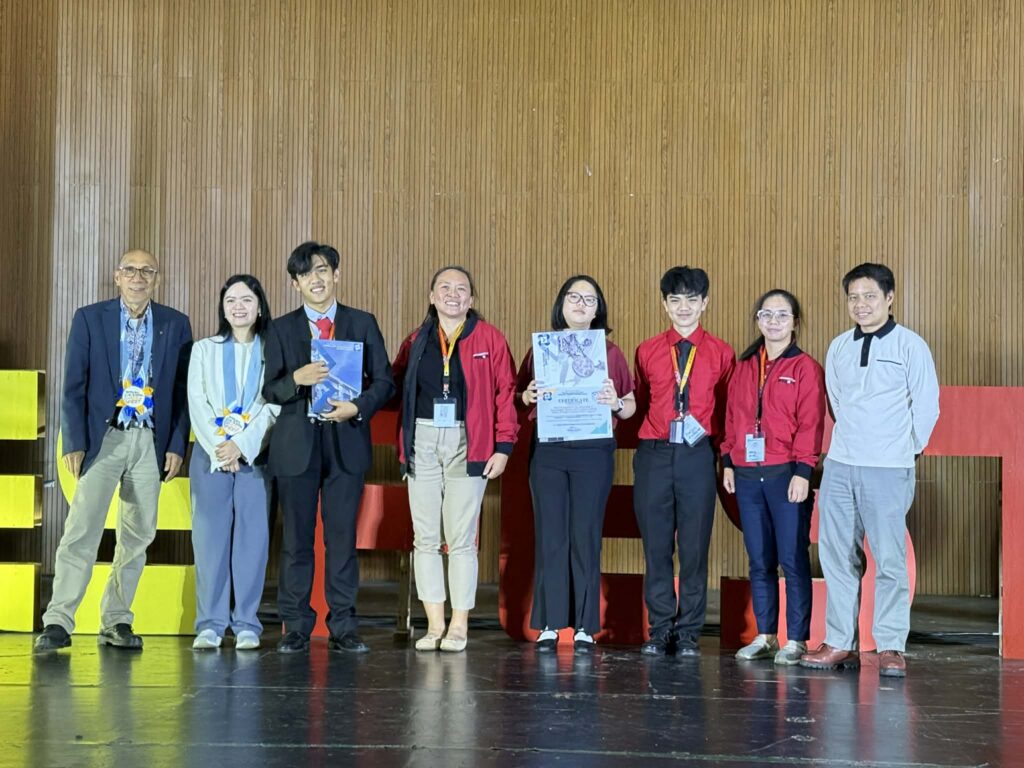
On the poster front, Marion Lee S. Colcol, Lance Alex T. Mocnangan, Bea Chrysantha P. Uy, along with Alynna Vien A. Agustin and Czarina Shaine A. Casem, received special awards, including Chemistry, Halaman para sa Bayan (for environmental stewardship), Collaborative Research Excellence, Green Innovation, and the Executive Director’s Award, which was personally selected by the Executive Director of the Philippine Science High School System.
Their research unveiled a groundbreaking initiative using active carbon derived from snake plant (Sansevieria trifasciata) as a component for vehicle emission scrubbers. By repurposing low-cost, locally abundant plants into eco-friendly air purification materials, this research advances SDG 13 (Climate Action) and SDG 12 (Responsible Consumption and Production), offering scalable solutions for urban air quality challenges in cities like Manila and Baguio amid rising vehicular emissions.
The exhibit drew praise for its interdisciplinary approach, combining botany, chemistry, and engineering to promote circular economy practices. These achievements show UBSHS’s strong support for teamwork and meaningful research. The event highlighted how science and technology can help the community and support the Sustainable Development Goals. With participants from different fields, the ResFest not only recognized student success but also encouraged ideas that could be used on a larger scale. The ResFest also showed how high school research can help support the 2030 Agenda for Sustainable Development. Through its contributions, UBSHS continues to develop future leaders by promoting practical, solution-based learning. In the future, projects like these may help guide programs on green technology and inclusive STEM education.