
Written by Zhein Carlo Molina and Joanne Christine Fatima Uraga
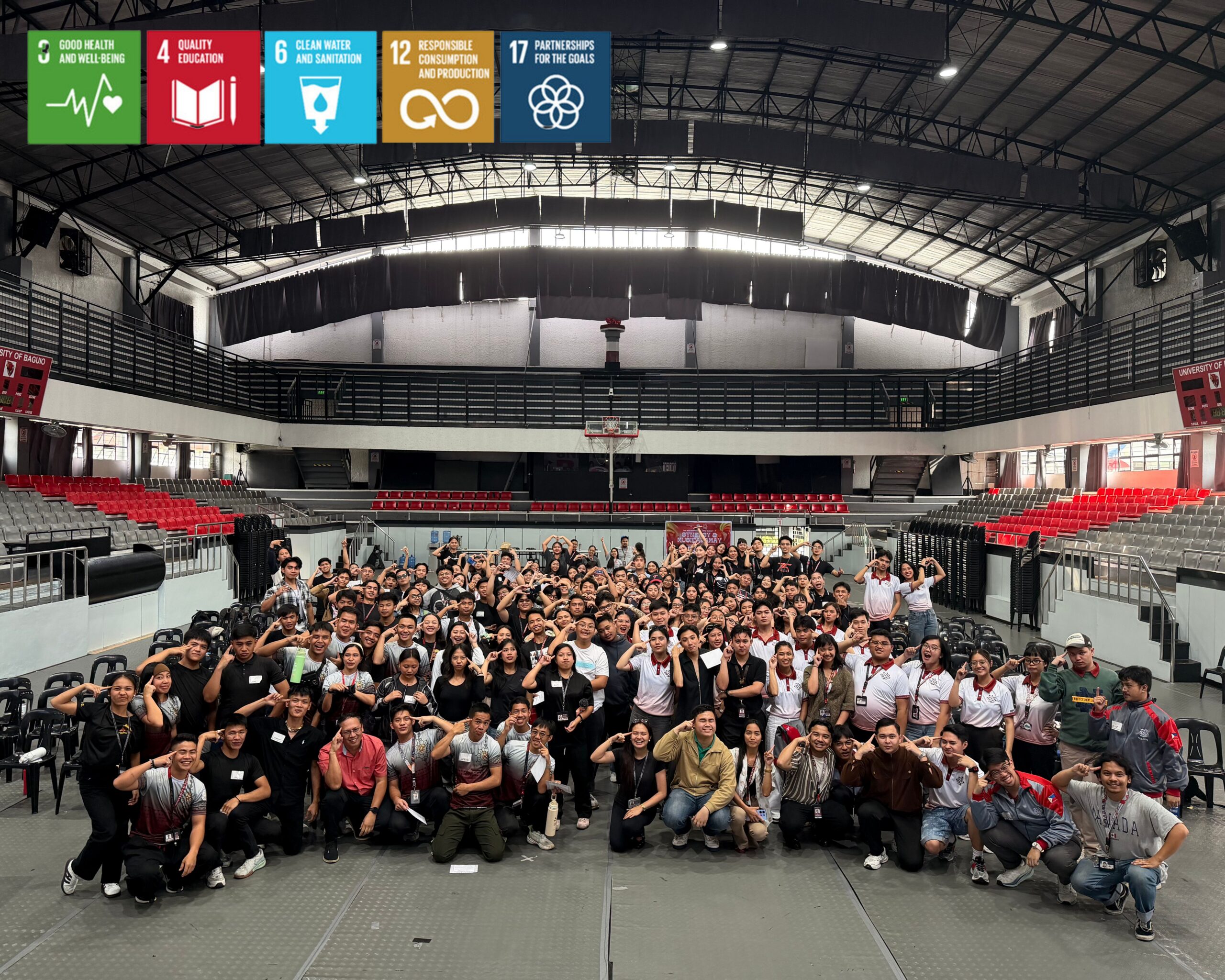
The university’s performing arts community came together to celebrate creativity, leadership, and social responsibility during the 4th Performing Arts Summit held from May 18 to 20, 2026. Organized by the Office of Student Affairs, this year’s summit carried the theme “SYNERGY & MUSIKARAMAY: Collaboration and Community Advocacy,” highlighting the importance of unity, innovation, and service through the arts.
The event brought together members of the Graces Dance Troupe, Voices Chorale, Chamber Orchestra, Rondalla, Plug and Play, and the University of Baguio Bibak Ubbun Kaafuan (UBBUK) in a shared learning environment designed to strengthen both artistic excellence and community engagement. Through workshops, discussions, and interactive activities, participants explored the evolving role of performing arts as a platform for collaboration, cultural expression, and social impact.
One of the invited speakers, Mr. Frank Lloyd De Guzman, an award-winning educator and performing arts advocate, emphasized the importance of teamwork and interdisciplinary collaboration in his session, “The Power of the Ensemble.” His discussion encouraged participants to value collective creativity and recognize how collaboration strengthens modern artistic performances.
Meanwhile, Ms. Evangeline Payno, Chief of Staff of the Baguio Flower Festival Foundation, Inc. (BFFFI), shared practical insights on leadership and organizational management through her talk, “The Business of Art: Succession Planning, Managing Artistic Egos, and Fundraising on a Student Budget.” Her session highlighted the realities of sustaining arts organizations while fostering professionalism and responsible leadership among student performers.
The summit also addressed personal growth and innovation in the arts. Ms. Leny Estacio, CCSD Director, discussed mental resilience, overcoming performance anxiety, and the emerging role of technology and artificial intelligence in enhancing traditional performances. Her session encouraged students to remain adaptable while preserving authenticity and cultural identity in their craft.
Adding a technical dimension to the summit, Mr. Ryan Jerome Lu, owner of Reinforcement Lights and Sounds, facilitated “The Sonic Canvas: Painting with Sound,” an engaging workshop on live sound reinforcement and immersive audio design. Participants gained a deeper understanding of how sound engineering contributes to impactful stage productions and audience experiences.

Inclusivity and social relevance were likewise highlighted in the session of Ms. CJ Colinn Fernandez of University of the Philippines-Baguio, who encouraged participants to create performances that reflect contemporary issues and represent diverse communities. Her discussion reinforced the role of performing arts as a voice for awareness, representation, and positive change.
Another significant part of the summit was the workshop of Mr. Harold Deane Piog titled “Brand Identity: The Unified Aesthetic,” which guided performing arts groups in developing cohesive and professional identities while still honoring the individuality of each discipline. The workshop emphasized creativity, consistency, and collaboration in building a stronger performing arts community.
With how grounded and wide their learnings were, the participants have shown a variety of takeaways that could really help their groups grow through an effective co-creation of their own kind of art and branding. Meanwhile, Clarence Valdez, a member of Chamber Orchestra, shared one of his key learnings during the event: “art is usually seen as not that important or relevant. But I believe that art has the power to change something that can lead to a bigger impact. Even when an artwork does not directly talk about government or elections, it still reflects values, struggles, or perspectives shaped by the world around it.”
Beyond the stage, the summit carried a meaningful advocacy component through “Musikaramay: The Heart of the Arts,” an outreach initiative dedicated to daycare students, senior citizens, and persons with disabilities. Participants conducted performances, storytelling sessions, and interactive games that brought joy and connection to partner communities. The activity reflected the university’s commitment to community engagement and social responsibility, demonstrating how the arts can become a bridge for inclusivity, empathy, and human connection while empowering communities through meaningful interactions.
Aligned with the United Nations Sustainable Development Goals (SDGs), particularly SDG 12 on Responsible Consumption and Production and SDG 17 on Partnerships for the Goals, the summit also promoted environmental awareness and collaborative action among student performers. Through the support of Smart Communications, performing arts members received reusable water flasks to help minimize the use of single-use plastics during rehearsals, training, and performances. The initiative encouraged sustainable practices while supporting the health and well-being of performers during physically demanding activities.
The summit concluded with a reflection and closing ceremony where participants shared their experiences, insights, and renewed commitment to collaboration, artistic growth, innovation, and community service. More than a gathering of talented performers, the 4th Performing Arts Summit served as a testament to how the arts can cultivate transformative leadership, strengthen partnerships, and contribute to sustainable and socially responsive development within and beyond the university community.