
Written by Dr. Warren Galas Moyao | Photographed by Dr. Warren Galas Moyao
On April 16, 2026, the University of the Cordilleras hosted a landmark event at its theater in Baguio City—the official launch of the Justice Through Science Project. More than a ceremonial gathering, the event marked a strategic commitment to advancing forensic science education and strengthening the scientific foundations of the Philippine criminal justice system. The occasion brought together leaders from academia, government, and international institutions, reflecting a unified direction toward a justice system anchored in scientific rigor, collaboration, and innovation.
The initiative is led by the University of the Cordilleras in partnership with the United States Department of State, the United States Embassy in the Philippines, and the U.S.-Philippine International Exchange Alumni. It aims to enhance forensic science capacity in the Philippines through a comprehensive program that includes specialized online instruction, laboratory-based training, and nationwide seminars. Core areas of focus include forensic anthropology, friction ridge examination, and DNA analysis—disciplines that are essential in strengthening evidence-based investigation and prosecution.
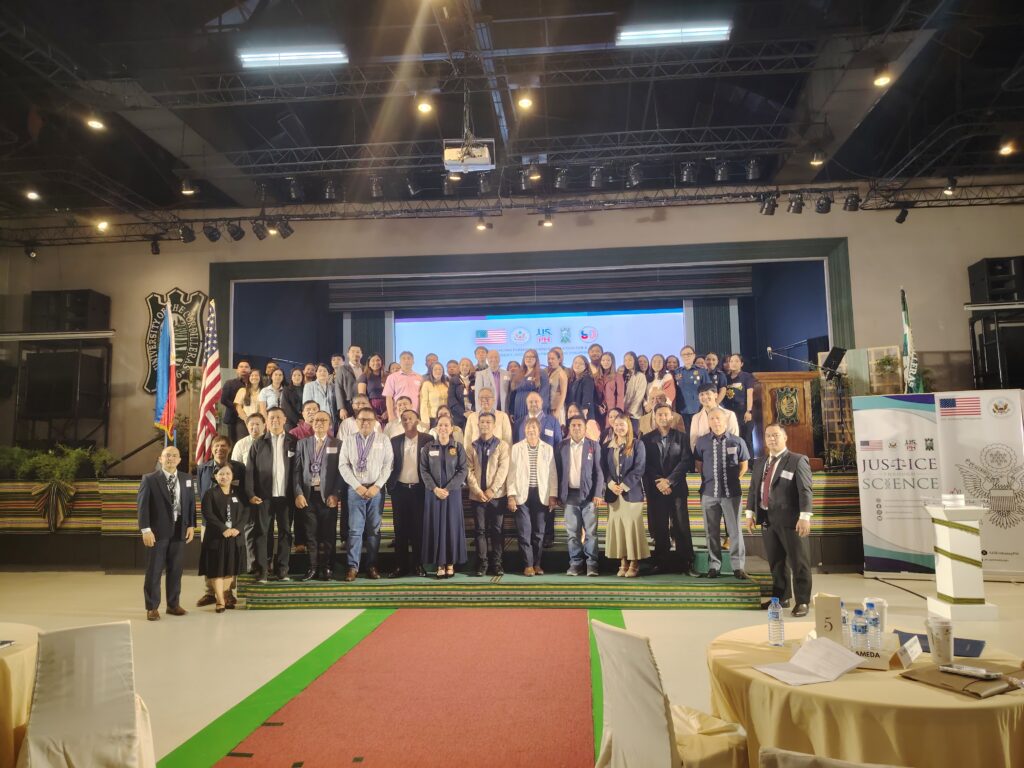
The program formally opened with welcome remarks from UC Board of Trustees Chairman, Ray Dean D. Salvosa, emphasizing the role of higher education institutions in driving innovation and institutional development within the justice sector. This was followed by remarks from the Deputy Director of Public Engagement, U.S. Embassy in the Philippines, Mr. Chad Kinnear in commemoration of the 80th anniversary of diplomatic relations between the Philippines and the United States, highlighting the enduring partnership between the two nations and its evolving focus on justice sector cooperation.

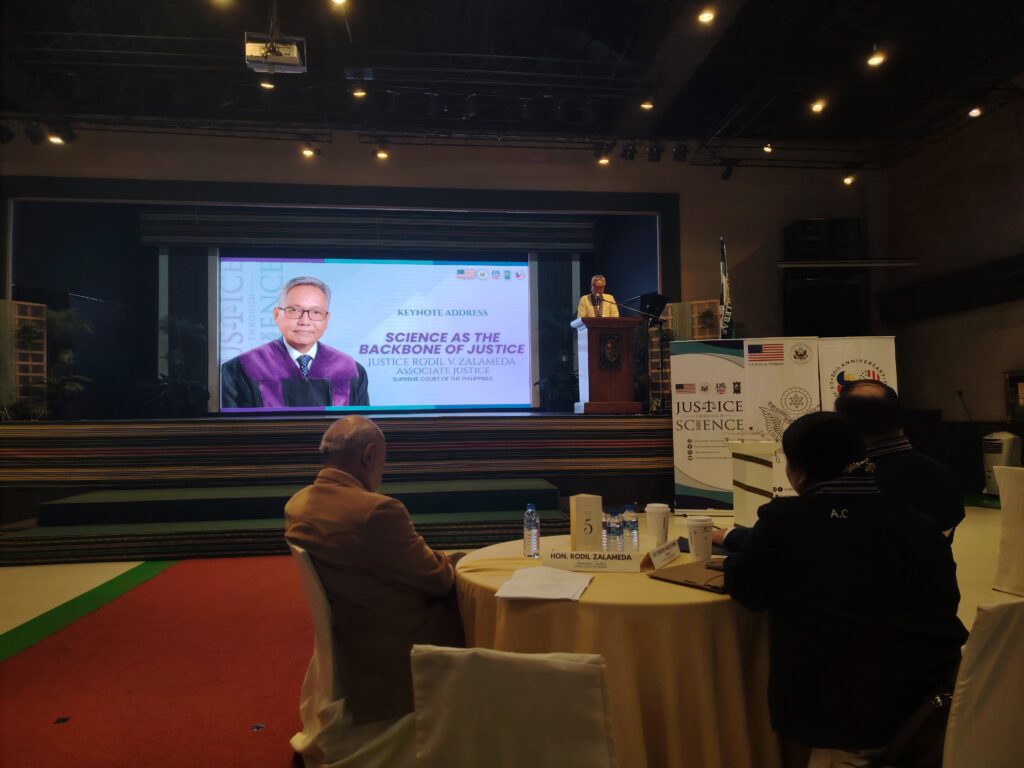
The keynote address was delivered by Justice Rodil V. Zalameda, stressing the importance of scientific integrity and methodological precision in ensuring fairness and credibility in the justice system. His discussion reinforced the necessity of integrating forensic science into legal processes to improve the reliability of criminal investigations and judicial outcomes.
The project presentation was led by Dr. Christian T. Pascual, who provided a comprehensive overview of the initiative’s structure, objectives, and long-term impact. He outlined how the project will serve as a platform for sustained collaboration among academic institutions, forensic practitioners, and law enforcement agencies. Complementing this, Judge Lady Ivy Vanity D. Velasco elaborated on the implementation framework and the importance of bridging academic knowledge with practical application in forensic science.
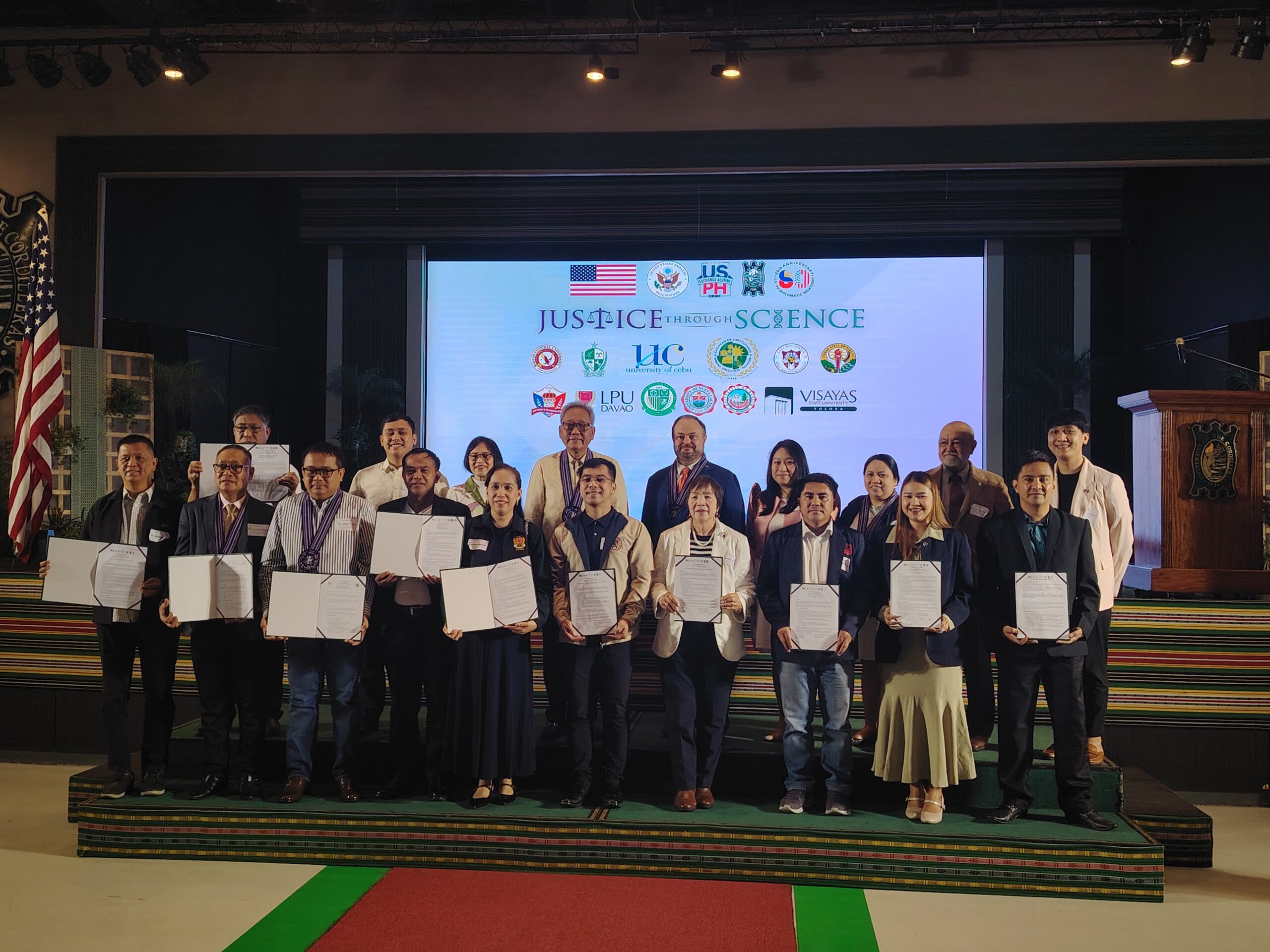
A defining feature of the Justice Through Science Project is its nationwide scope and collaborative framework. While the University of the Cordilleras leads implementation in Luzon, partner institutions such as the University of Cebu and PHINMA Cagayan de Oro College will spearhead activities in the Visayas and Mindanao, respectively. This tri-regional strategy ensures broader reach, inclusivity, and the strengthening of forensic science education across diverse geographic contexts.
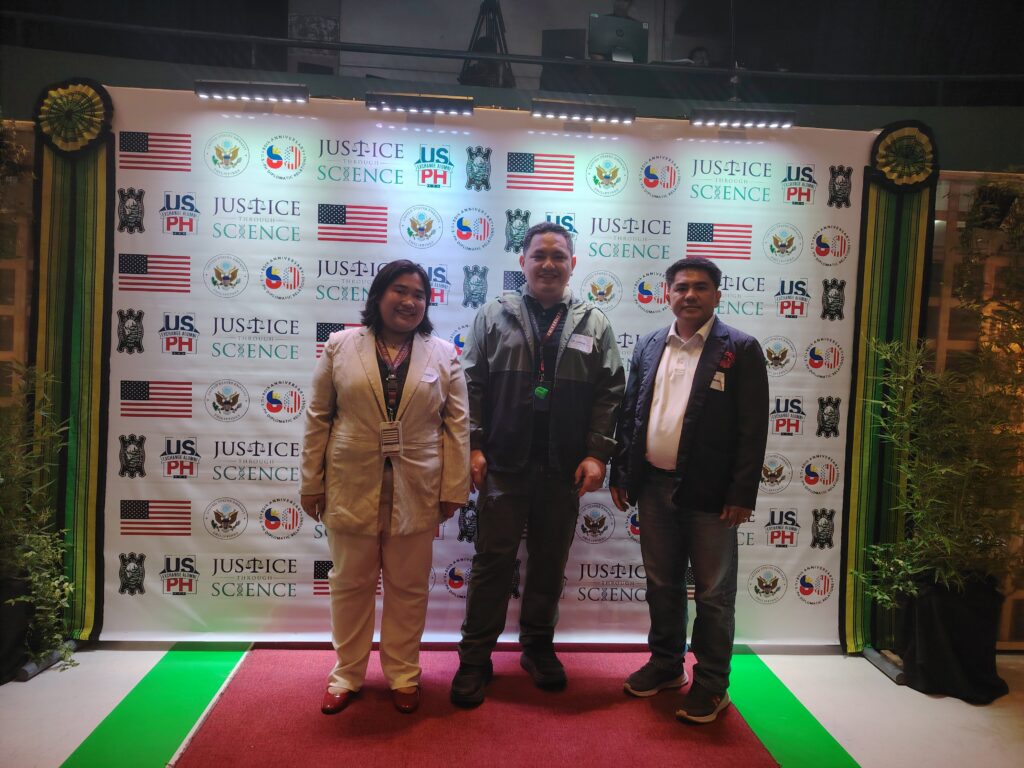
As a committed partner institution, the University of Baguio actively supports this national initiative. Representing the university are the delegates from School of Criminal Justice and Public Safety namely Dr. Filibert Patrick F. Tad-awan, Dr. Warren Galas Moyao, and Ms. Hannah Francene Reboroso. Their participation mirrors the University’s continuing dedication to advancing criminology and forensic science education, as well as its active contribution to collaborative efforts aimed at strengthening the country’s justice system.
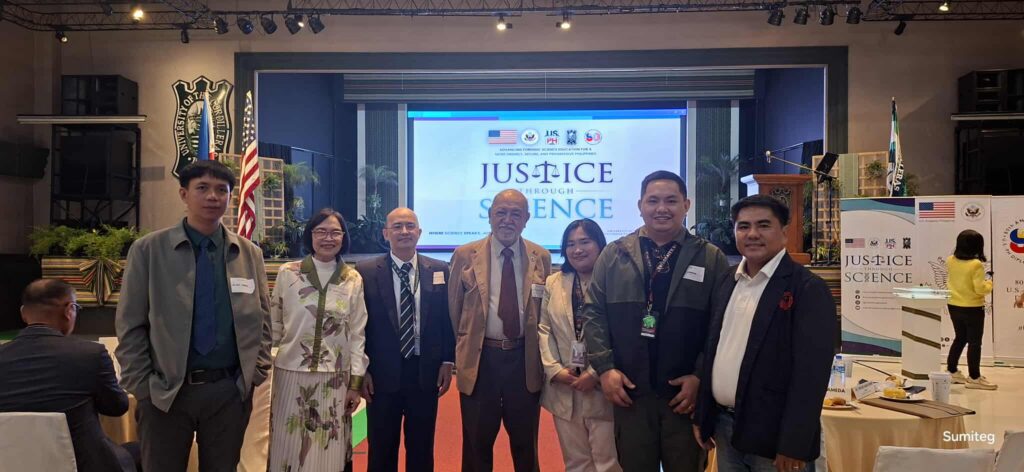
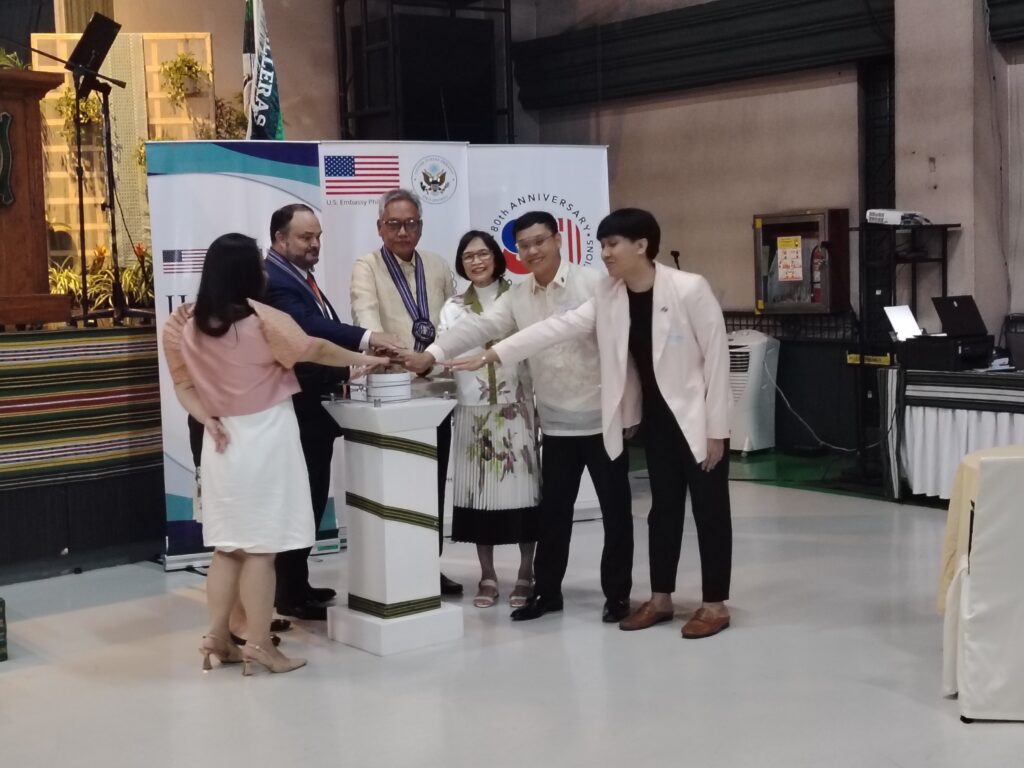
The event also featured the ceremonial launching and signing of commitments, symbolizing the formal establishment of partnerships and the shared responsibility of participating institutions in achieving the project’s objectives. Cultural presentations and networking activities further enriched the program, creating a sense of community and shared purpose among stakeholders.
Beyond the launch, the Justice Through Science Project is set to implement a series of capacity-building initiatives, including forensic science webinars, interdisciplinary exchanges, and hands-on training sessions. These efforts are expected to strengthen professional competencies, promote knowledge exchange, and enhance collaboration among forensic experts, law enforcement agencies, and academic institutions.
Aligned with the United Nations Sustainable Development Goals, the initiative contributes significantly to SDG 4 (Quality Education) by enhancing specialized learning opportunities, SDG 16 (Peace, Justice, and Strong Institutions) by strengthening the integrity of the justice system, and SDG 17 (Partnerships for the Goals) by fostering international and inter-institutional collaboration.
As the Philippines continues to modernize its criminal justice system, the Justice Through Science Project stands as a model of how academic leadership, global partnerships, and scientific innovation can converge—highlighting the vital role of the University of Baguio as a key partner in shaping a more credible, science-driven justice system.