
Written by Mark Supsupin and Krystianne Diane Labay | Photos by Oliver Celi
The University of Baguio, through its Research Innovation Extension and Community Outreach (RIECO) Office, successfully concluded a donation drive for individuals and families affected by the landslide that struck Purok 2, Barangay Guisad Surong on the evening of August 9, 2026. The incident displaced dozens of families and claimed several lives, prompting an outpouring of support from institutions across Baguio City, including UB. The donation drive was organized from August 10-15, 2026, to provide immediate relief to families displaced by the landslide and extend UB’s institutional support to the broader disaster response being coordinated by the local government.
This initiative supports several Sustainable Development Goals. It advances SDG 1 (No Poverty) and SDG 11 (Sustainable Cities and Communities) by helping displaced families recover from sudden loss of shelter and livelihoods while reinforcing community resilience against disasters. It contributes to SDG 3 (Good Health and Well-Being) by supporting the physical and psychosocial recovery of evacuees. Lastly, the activity embodies SDG 17 (Partnerships for the Goals), as UB worked hand-in-hand with generous donors, barangay officials, school partners, and local government, and the Girl Scouts of UB’s School of Nursing (SON) and Senior High School.
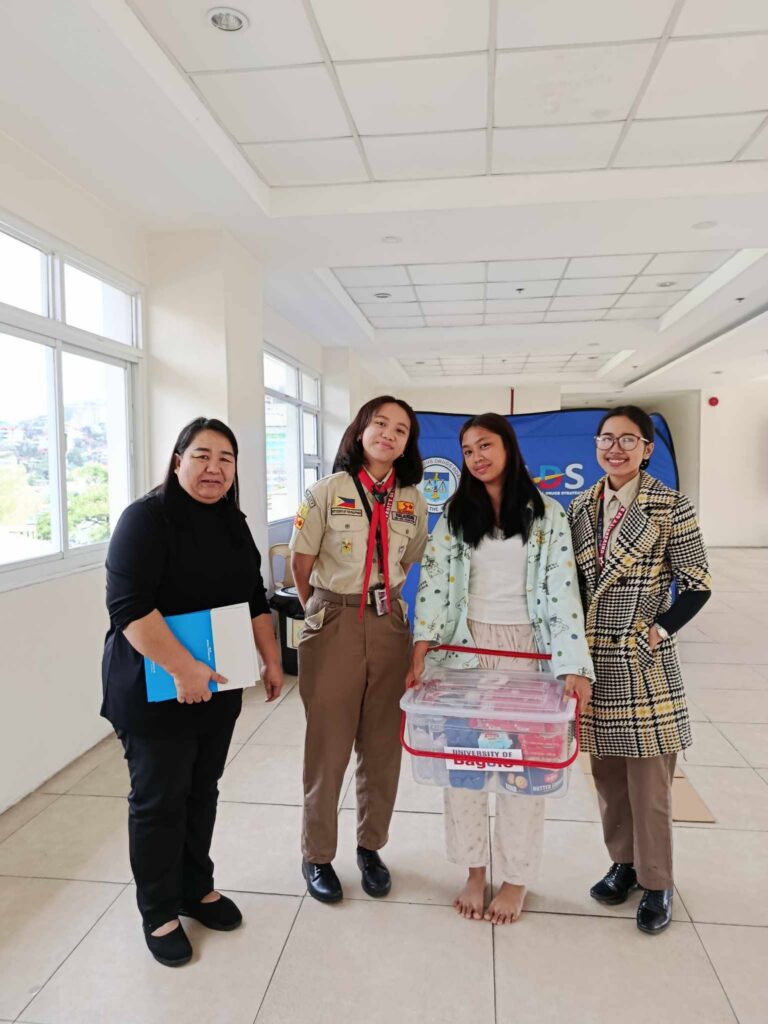
Last August 14, 2026, UB turned over the first batch of donations directly to two designated evacuation sites for displaced Guisad Surong families – the Guisad Surong Barangay Hall and Baguio International Academy. The first batch consisted of blankets, hygiene kits, and food worth Php 43,000, and cash donations of Php 130,000.00, amounting to a total of Php 173,000.
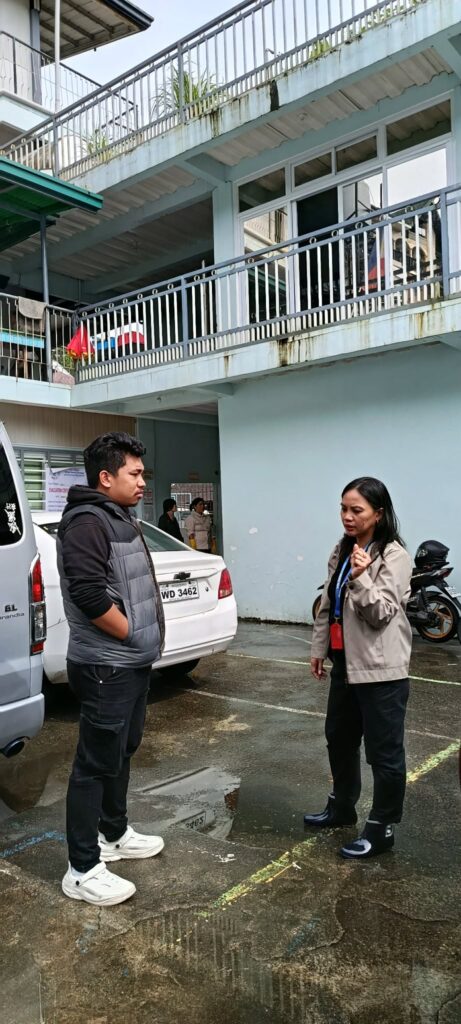
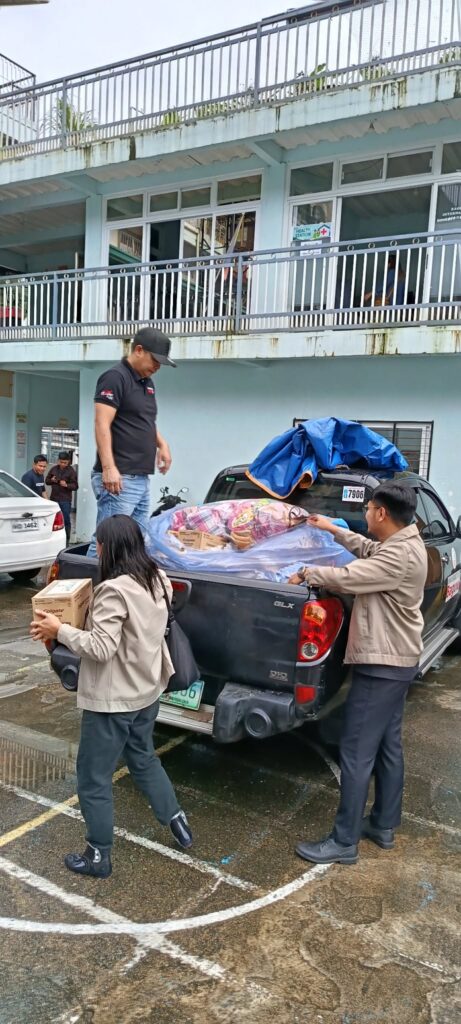
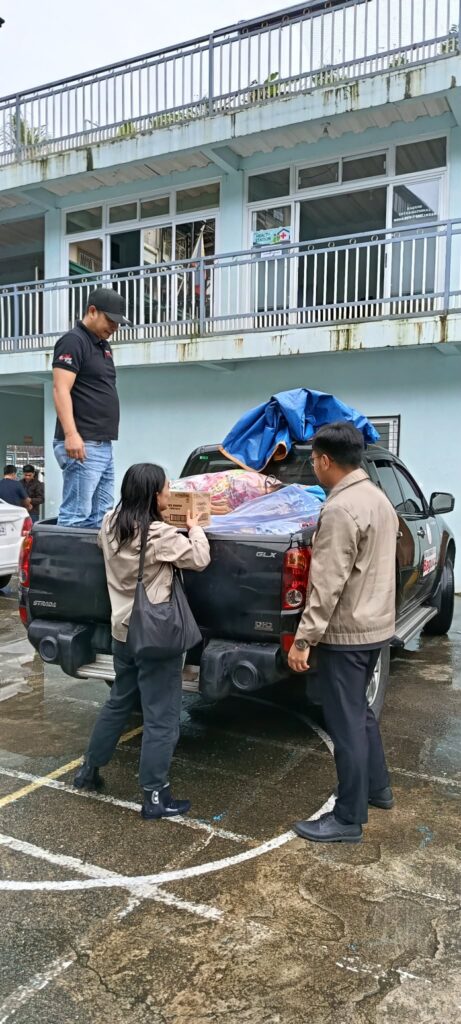
These two sites have been housing families relocated after the landslide rendered their homes unsafe or inaccessible.
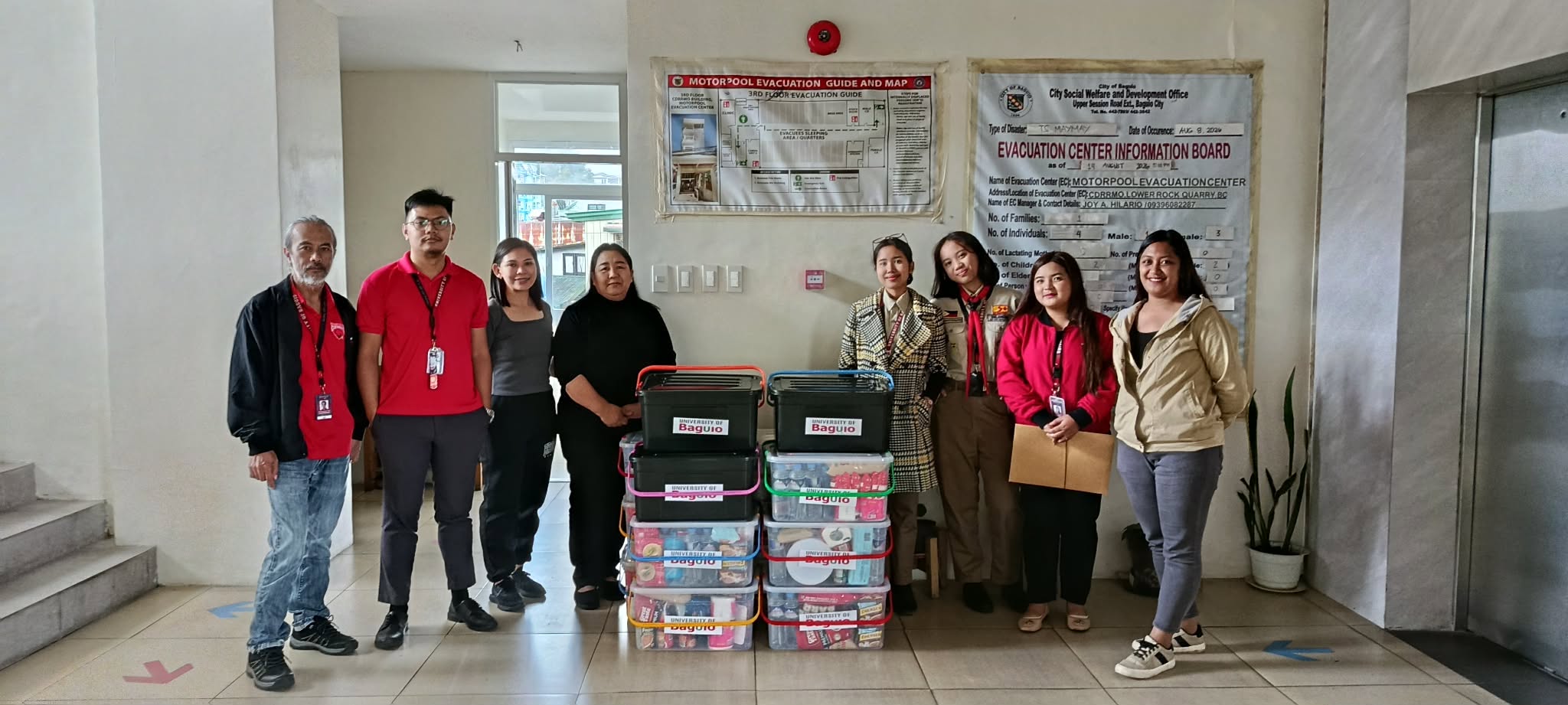
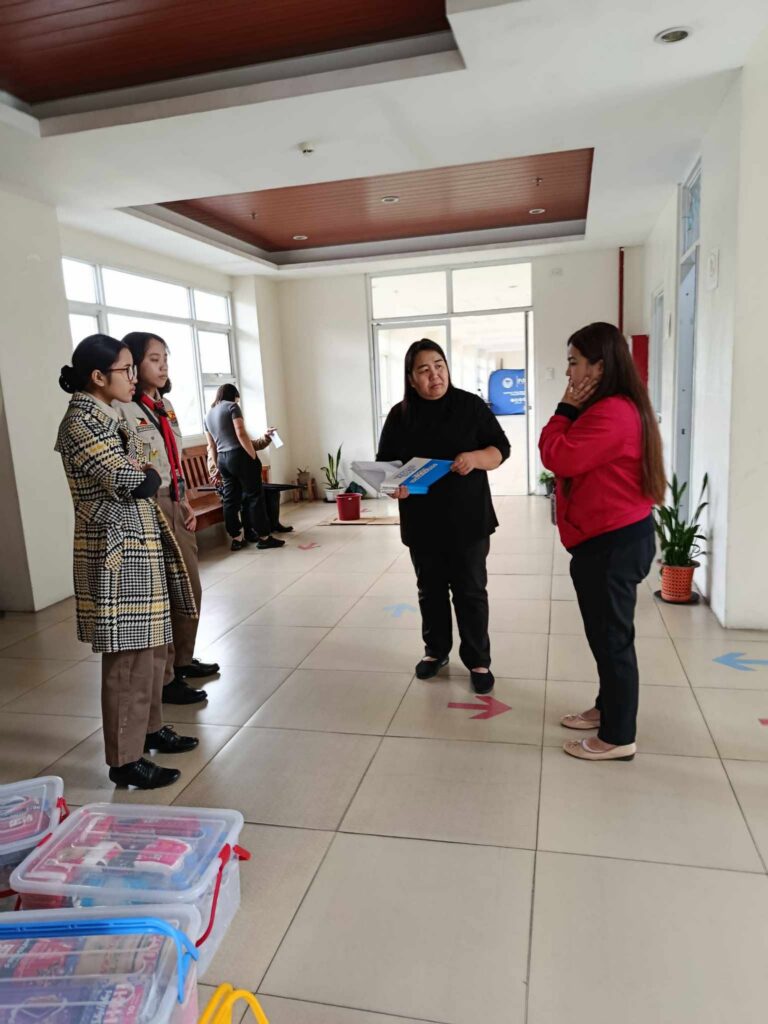
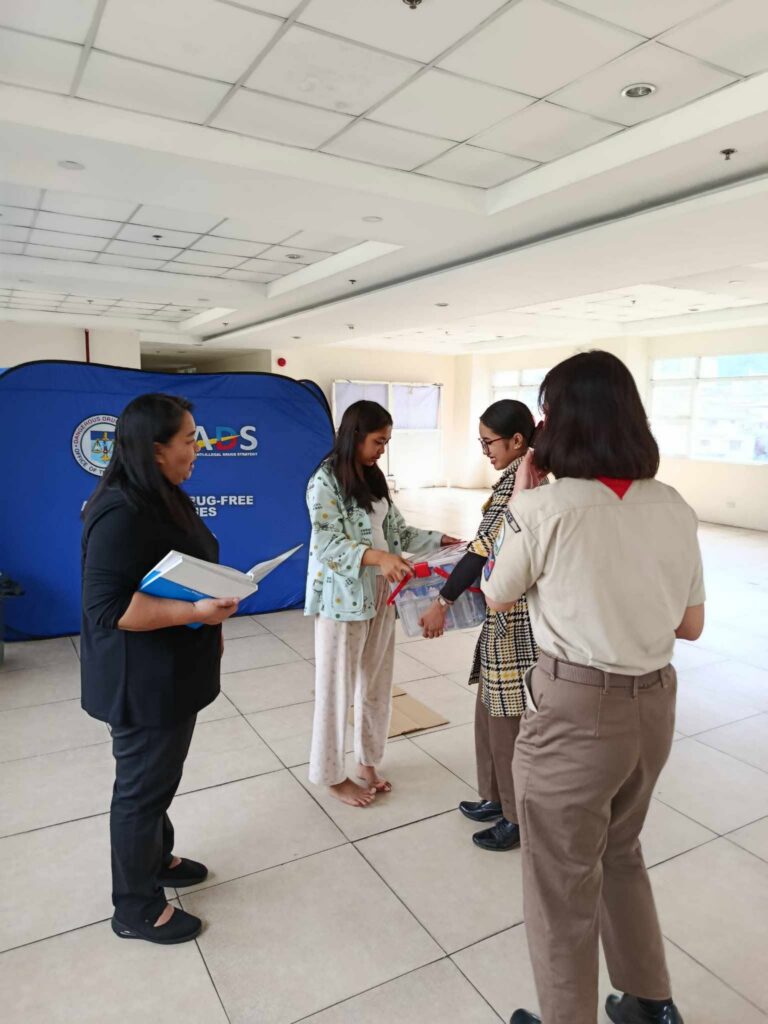
Moreover, on August 18, 2026, UB, through the RIECO Office and in partnership with the Girl Scouts of SON and Science High School, turned over a second batch of donations to the City Disaster Risk Reduction and Management Office (CDRRMO). The second batch included 15 bins of groceries worth Php 17,391.00.
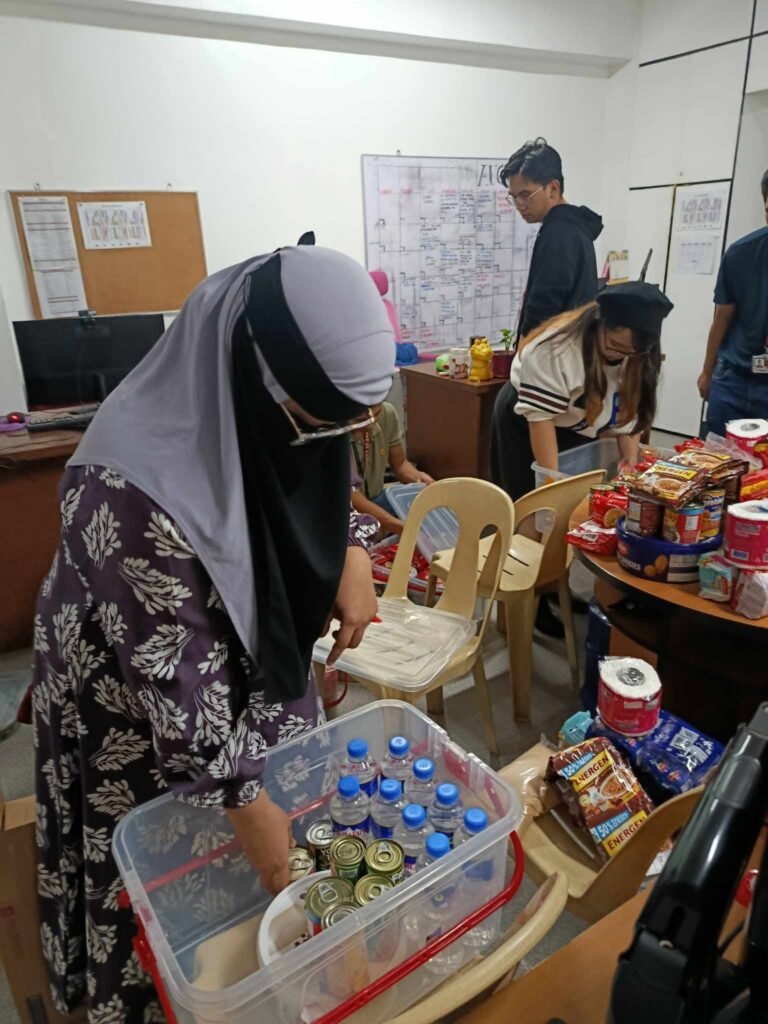
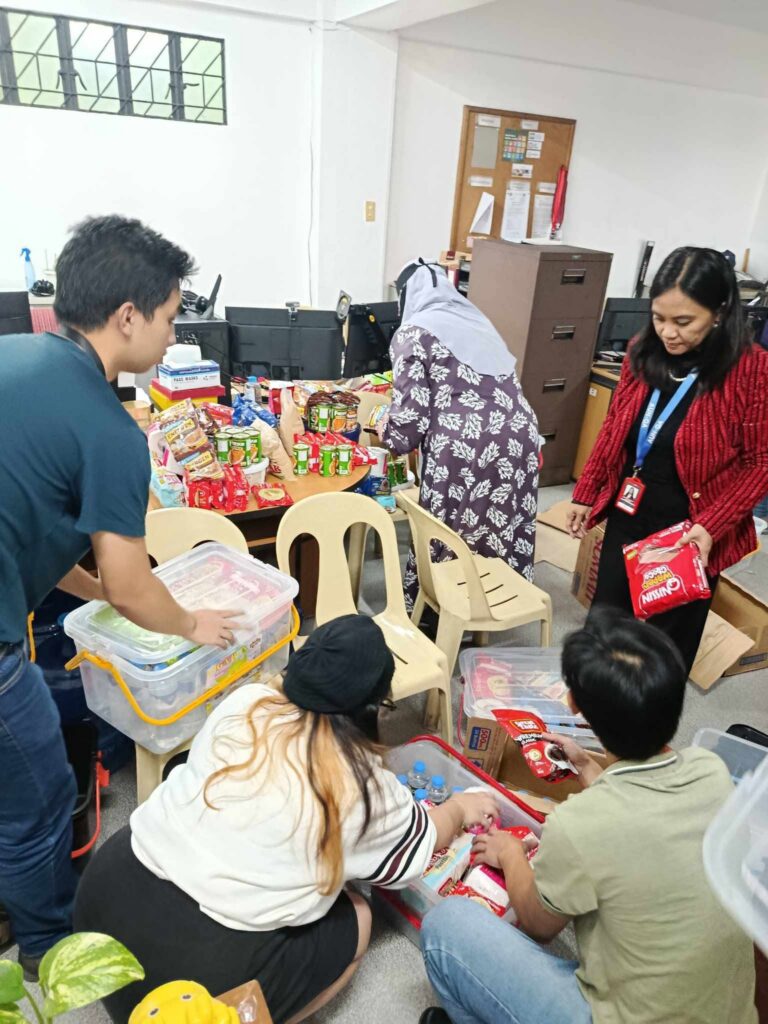
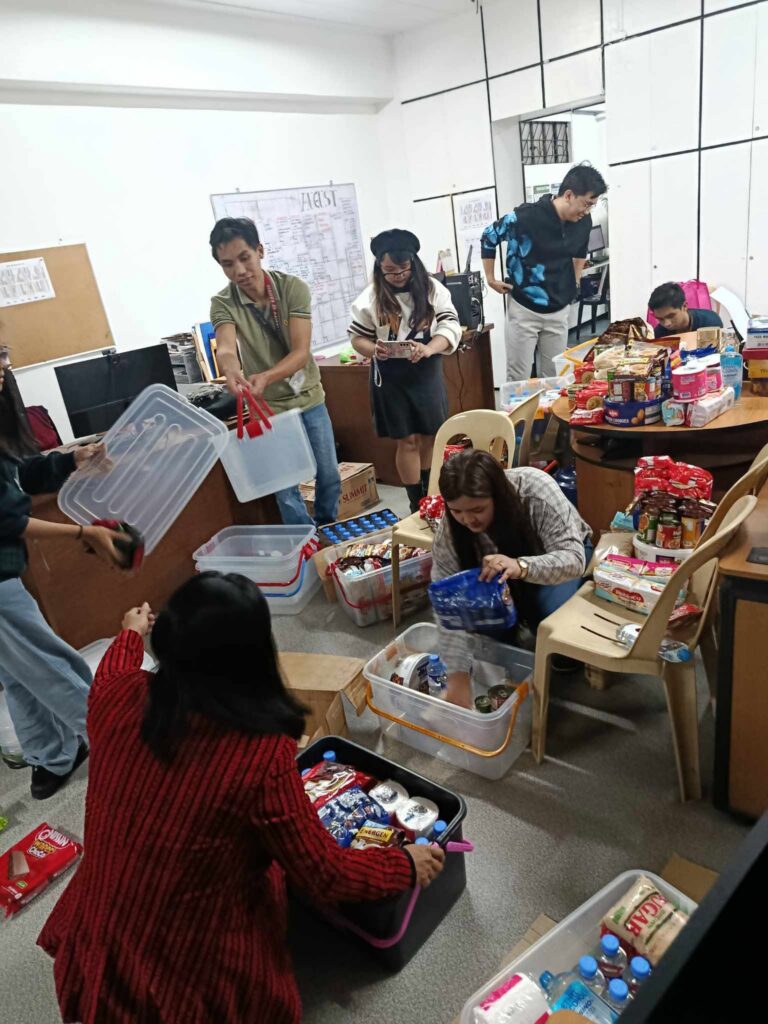
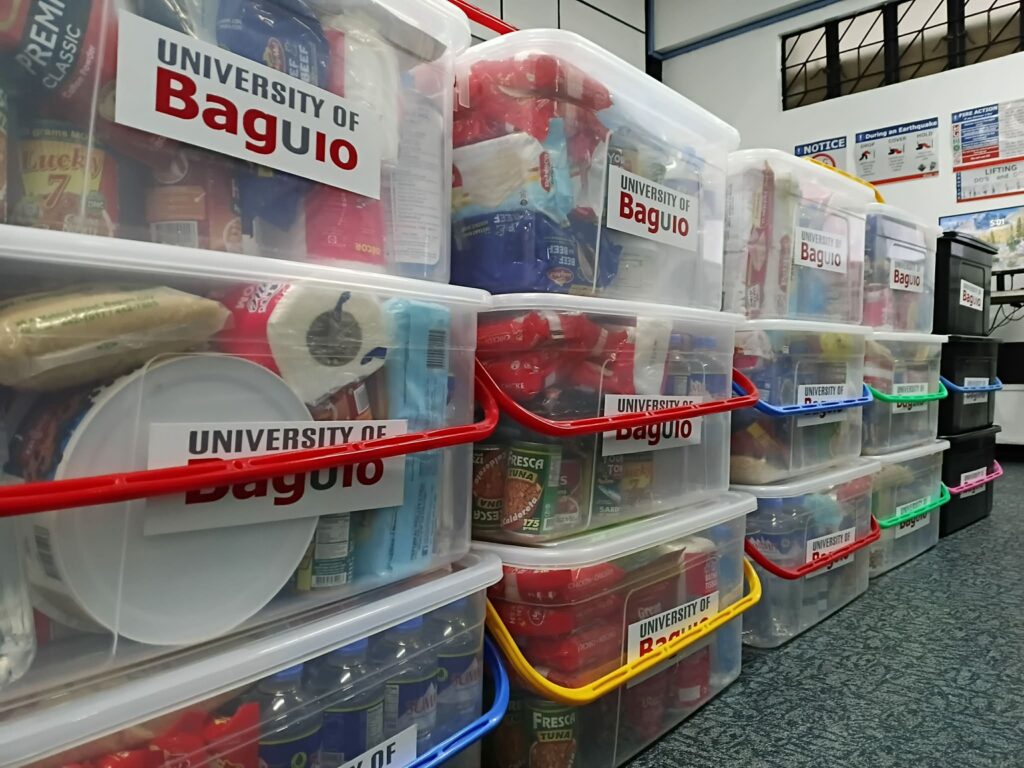
Channeling this batch through CDRRMO, who allowed the donations to be integrated into the city’s broadened coordinated relief efforts, ensuring equitable distribution among all families affected by the disaster.
The donation drive provided immediate relief to families who lost their homes and belongings in the landslide, addressing urgent needs during a critical period of displacement. Beyond its immediate impact, it also reflected the University’s broader institutional culture of civic engagement, demonstrating to students, faculty, and staff the value of translating academic and institutional resources into responsive community action in times of crisis.
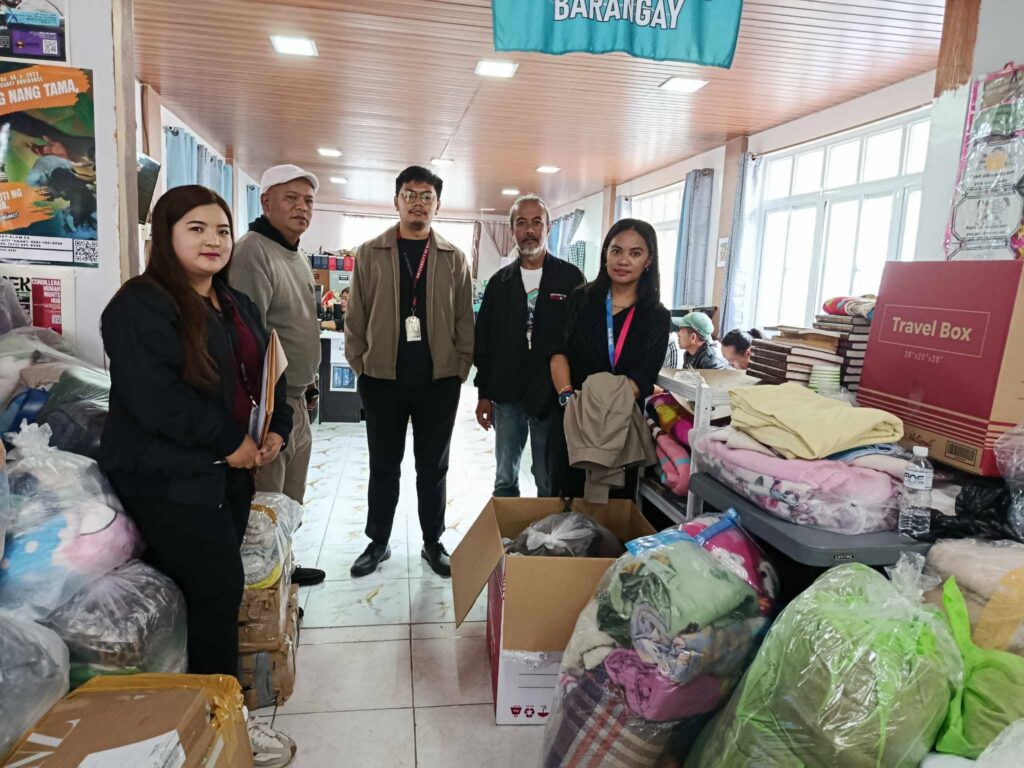
This collective effort was made possible through the generosity of our donors. The University of Baguio, through the RIECO Office, extends its heartfelt gratitude to the following:
- the UB Graduate School,
- The School of Teacher Education and Liberal Arts (STELA),
- The Office of the Vice President for Academic Affairs (OVPAA),
- The School of Business Administration and Accountancy (SBAA),
- UB Laboratory Elementary School (UBLES),
- the School of Criminal Justice and Public Safety (SCJPS),
- UB Library, UB High School (UBHS),
- the School of Natural Sciences (SNS),
- the Linkages Office, the Campus Development Office (CPDO),
- the School of Dentistry (SOD),
- the School of International Hospitality and Tourism Management (SIHTM),
- UB Alumni,
- the Admissions and Records Center (ARC),
- the Disbursing Office,
- the Procurement Office,
- Smart Communications Inc.,
- Love Development Corporation,
- the University of Baguio
- the community members of the city of Baguio;
for their generosity and compassion in this time of need. Their willingness to answer the call for help, whether through cash, goods, or other forms of assistance, made this donation drive possible and brought meaningful relief to those who needed it most in a time of crisis.