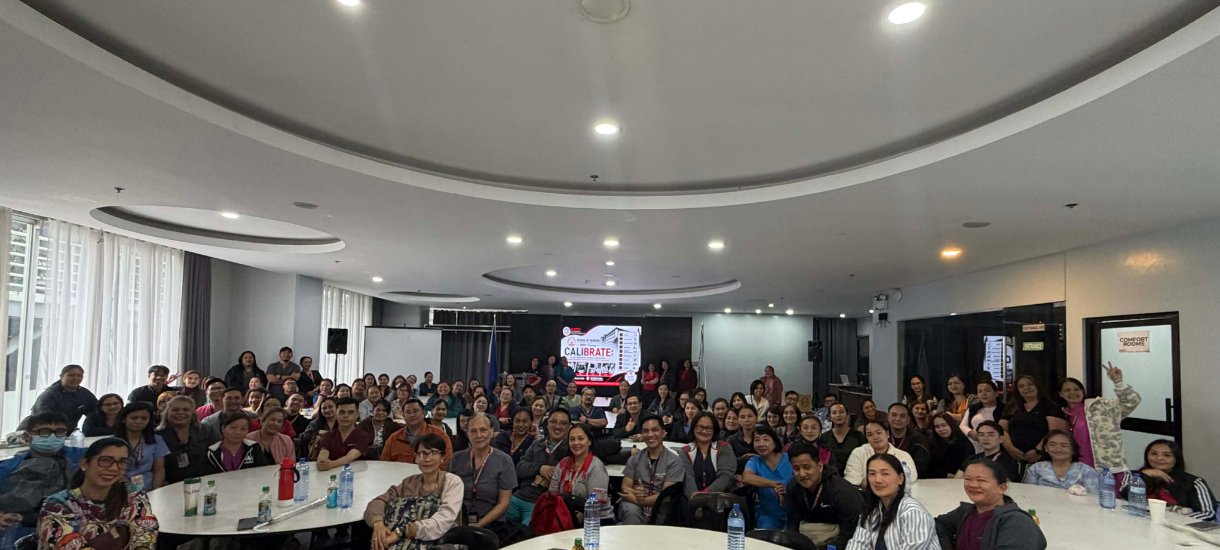

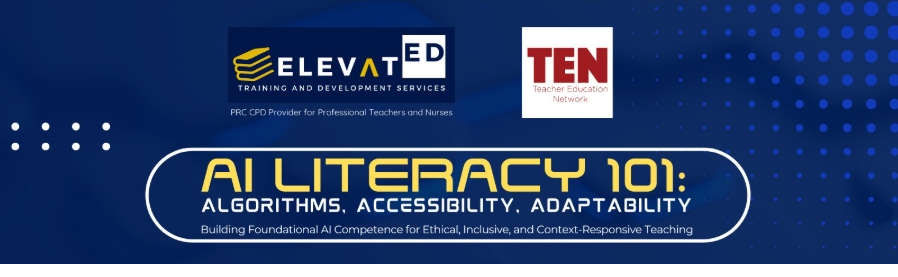
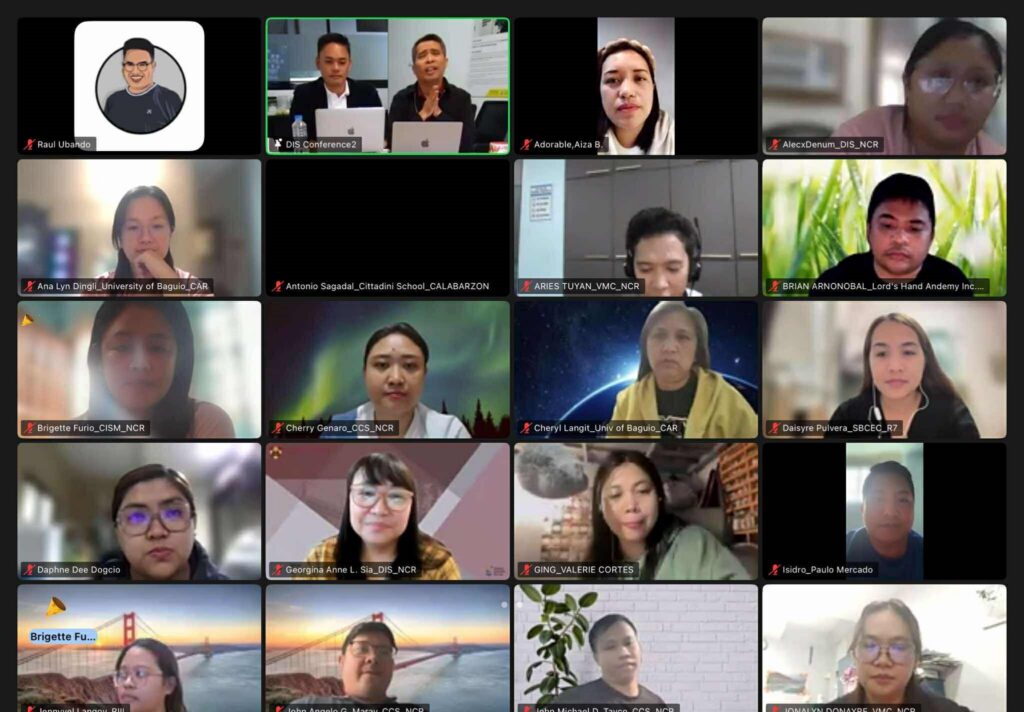
In a decisive step toward preparing students for a rapidly evolving digital landscape, the University of Baguio High School faculty and staff participated in the AI Literacy 101: Algorithms, Accessibility, Adaptability webinar workshop on February 7, 2026. With Management approving the requested budget for the online registration of all personnel, the entire academic community took part in a shared learning experience designed to strengthen artificial intelligence competence in today’s classrooms.
Building AI-Ready Educators
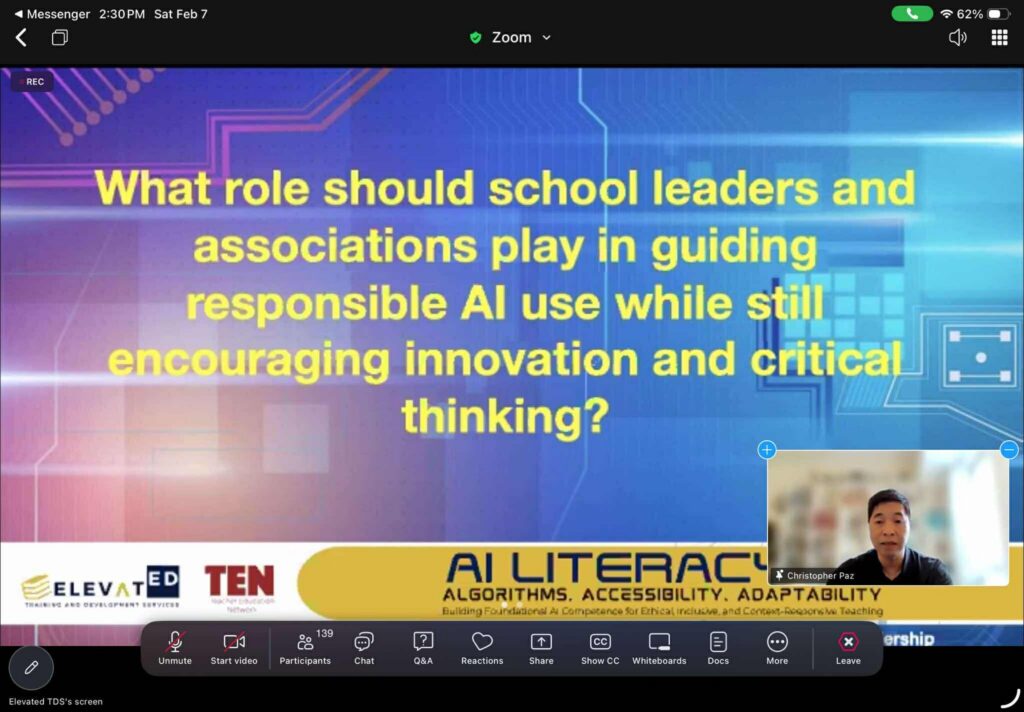
The webinar, organized by ElevatED Training and Development Services in partnership with Teacher Education Network, served as a foundational, ethical, and practical introduction to artificial intelligence for educators. As schools across the country respond to the growing presence of artificial intelligence technologies in education, the training positioned UBHS teachers not merely as users of digital tools, but as informed and responsible facilitators of technology-enhanced learning.
The program featured a keynote session by internationally recognized digital learning specialist Francis Jim Tuscano, who emphasized that artificial intelligence literacy is no longer optional in modern education. He underscored the importance of understanding how algorithms function, how data shapes digital outputs, and how educators can guide students in navigating AI responsibly. Joining him in the discussion were Christopher Paz and Dr. Ellaine Praxidio, who highlighted ethical considerations, digital safety, and the importance of accountability in the integration of emerging technologies.
In an era where students interact daily with AI-powered platforms—from search engines and recommendation systems to automated writing and design tools—the role of teachers has expanded beyond instruction. Educators must now equip learners with critical thinking skills to question, analyze, and responsibly utilize artificial intelligence outputs. The seminar addressed this growing responsibility by providing concrete examples of classroom applications while reinforcing the importance of academic integrity, data privacy, and ethical use.
Artificial intelligence continues to transform industries, economies, and modes of communication worldwide. In the Philippine context, the direction toward artificial intelligence integration in basic education has gained momentum, with President Ferdinand Marcos Jr. expressing support for embedding artificial intelligence into the national curriculum framework. As this shift unfolds, schools face the urgent need to ensure that teachers possess not only technical familiarity but also pedagogical readiness to harness artificial intelligence as a tool for deeper learning.
For UBHS, the artificial intelligence literacy 101 webinar represented more than compliance with professional development goals; it signified a commitment to preparing students for Education 5.0—a paradigm that blends technological innovation with human-centered values. Education 5.0 calls for adaptive learning environments, interdisciplinary thinking, and responsible digital citizenship. By strengthening faculty competence in artificial intelligence, UBHS ensures that its students will encounter technology in ways that enhance creativity, collaboration, and problem-solving rather than replace them.
The seminar also addressed accessibility, an increasingly vital concern in contemporary education. Artificial intelligence-powered tools have the potential to support diverse learners by providing translation features, speech-to-text functions, personalized feedback, and adaptive assessments. When used ethically and thoughtfully, these technologies can promote inclusion and reduce learning barriers. Through the webinar, UBHS educators explored how AI can serve as an equalizer—extending support to students with varying needs and learning styles.
At the same time, speakers cautioned against uncritical adoption of artificial intelligence systems. The conversation emphasized that while AI offers efficiency and innovation, it also presents risks such as misinformation, bias in algorithms, and overreliance on automated outputs. Teachers were encouraged to model discernment, guiding students to verify information, understand data limitations, and maintain intellectual honesty. In this way, AI literacy becomes not just a technical skill, but a moral and civic responsibility.
The collaborative nature of the webinar further strengthened professional solidarity among UBHS faculty and staff. Engaging in a unified training experience allowed educators across disciplines to share insights, ask questions, and reflect on how artificial intelligence may reshape lesson design, assessment strategies, and classroom dynamics. The exchange of perspectives reinforced the understanding that adapting to technological change requires collective effort.
Ultimately, the artificial intelligence Literacy 101 webinar affirmed that preparing students for the future begins with empowering teachers in the present. In a generation defined by rapid digital transformation, the ability to understand and ethically apply Artificial Intelligence tools will shape academic success, career readiness, and informed citizenship. Through this initiative, UBHS demonstrates its resolve to remain proactive, responsive, and forward-thinking—ensuring that its educators are AI-ready and its students are future-ready in an increasingly intelligent world.
Written by: Mr. Raul T. Ubando- UBHS Faculty