
Sto. Rosario Valley Barangay | April 17, 2026 | Written by Harold Deane Piog
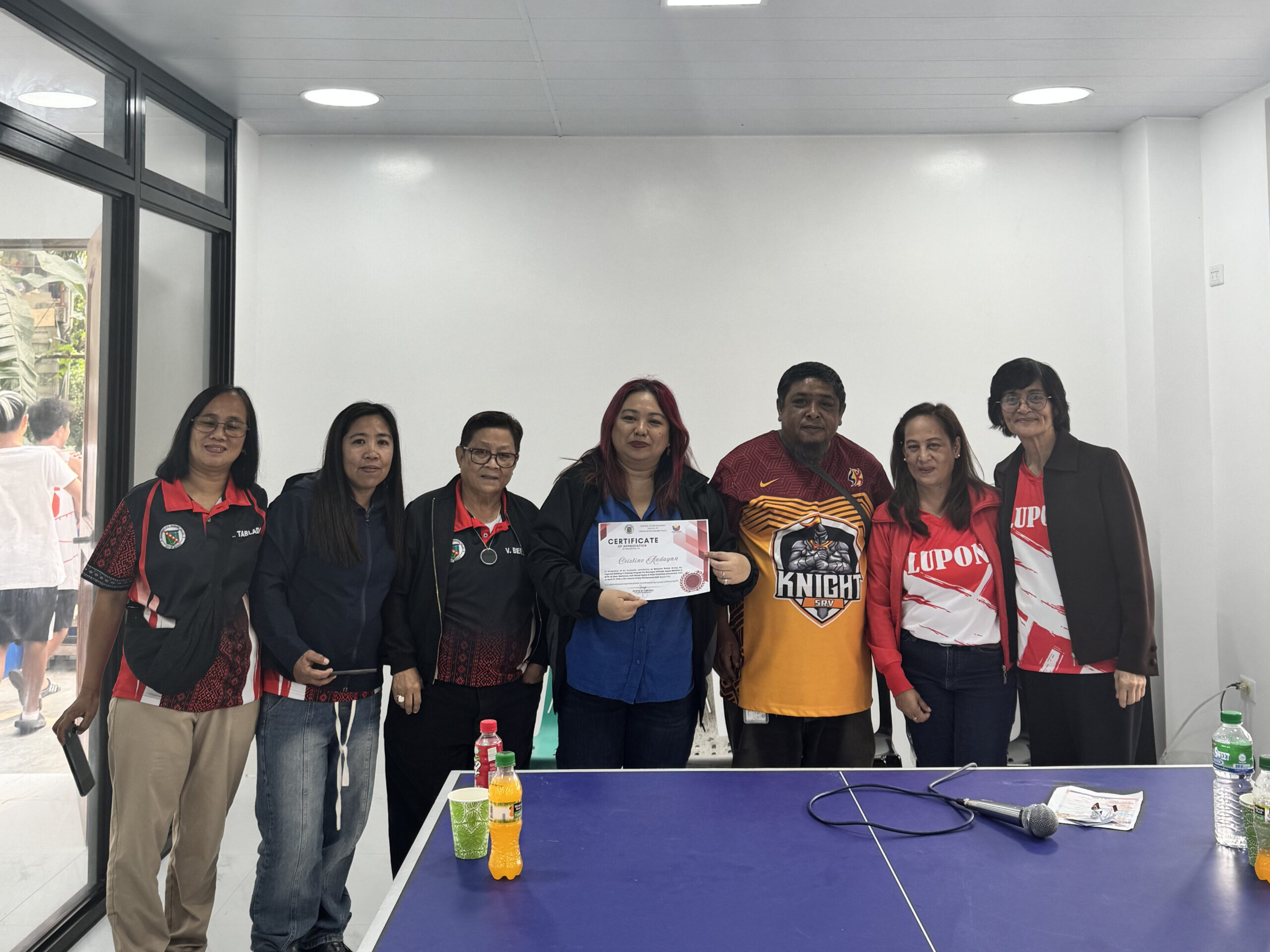
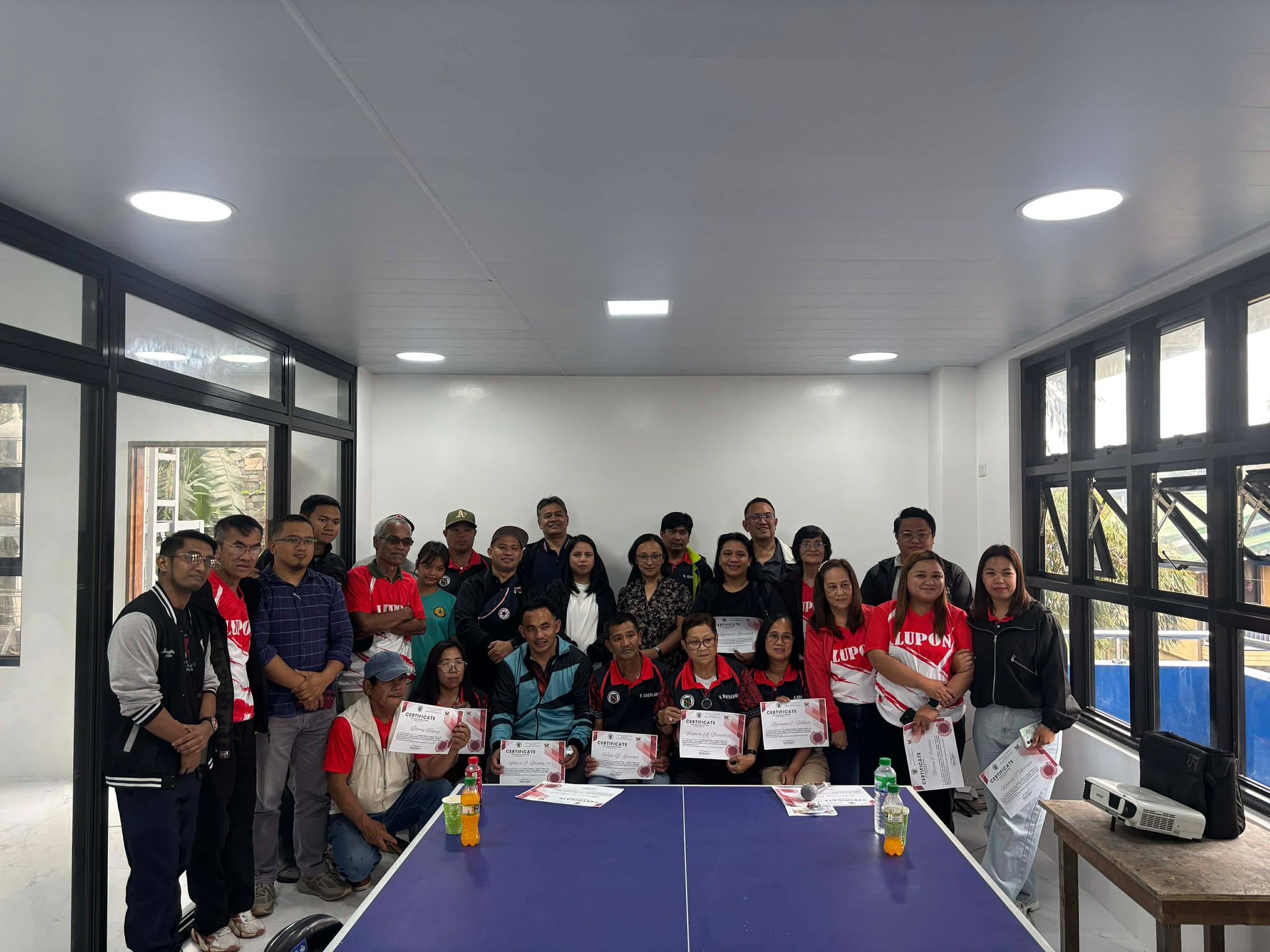
The Capacity Building and Training Program was conducted in Sto. Rosario Valley Barangay on April 17, 2026, represents a grounded intervention to strengthen local governance through applied, community-centered learning. Led by the University of Baguio – Bachelor of Arts in Political Science Faculty under the leadership of Program Chair Marianne Basoyang, the program brought together barangay officials, Lupon members, and BCPC representatives in a structured yet dialogic setting that emphasized both legal literacy and experiential exchange.
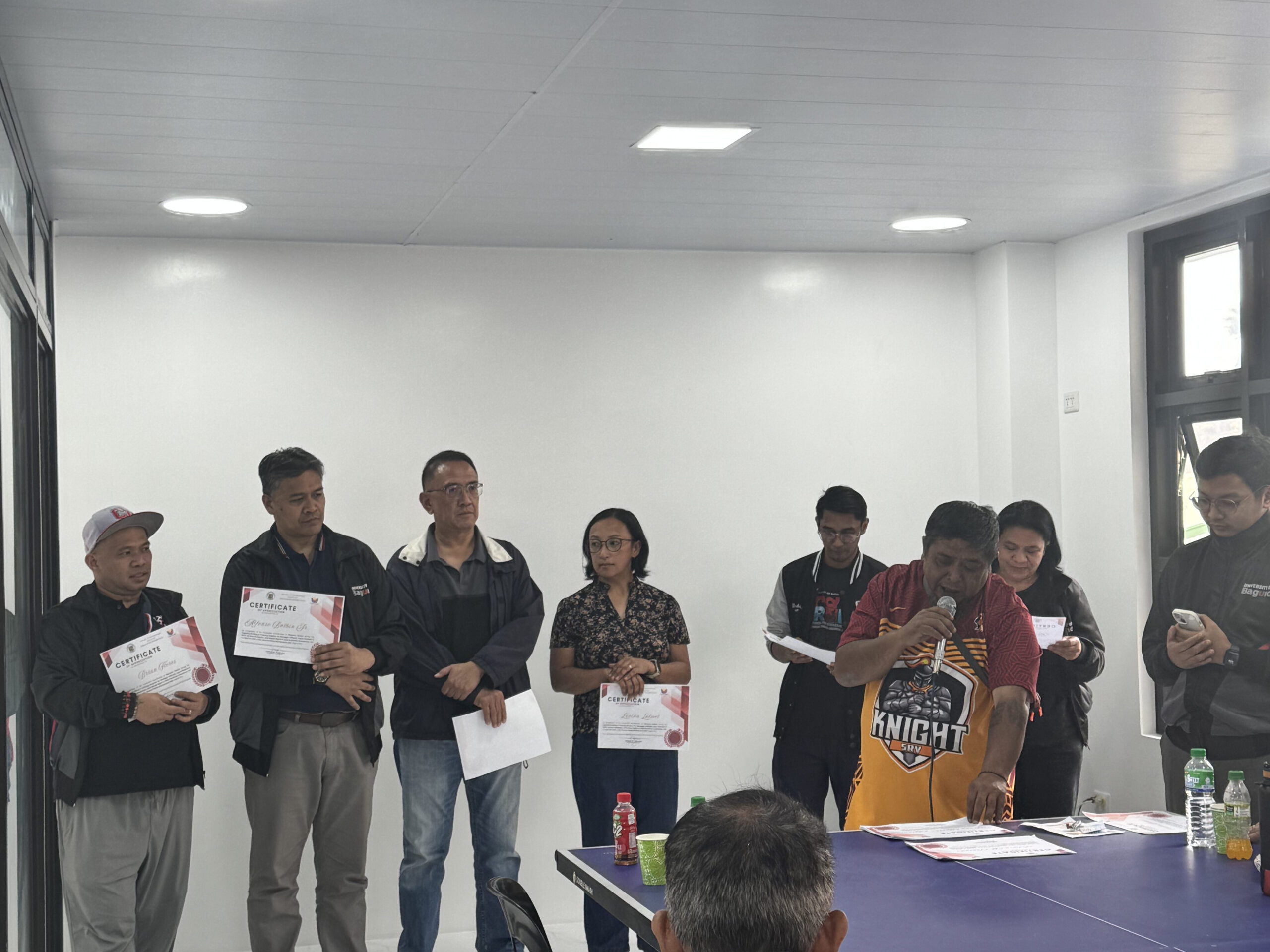
The morning sessions tackled critical thematic areas: Violence Against Women and Children (VAWC), Children’s Rights within constitutional and substantive legal frameworks, and the Katarungang Pambarangay system, including its procedural and technical dimensions. Facilitated by Ms. Cristine Andayan, Ms. Luvina Lalwet, and Mr. Brian Flores—alongside Mr. Mark Anthony Baliton—the sessions were not confined to abstract legal exposition. Participants actively contributed narratives drawn from their own barangay experiences: cases of domestic disputes mediated at the community level, challenges in enforcing child protection mechanisms, and the realities of navigating informal power structures in dispute resolution. These on-the- ground accounts functioned as both validation and critique of existing frameworks, allowing facilitators to anchor legal provisions in lived governance contexts.
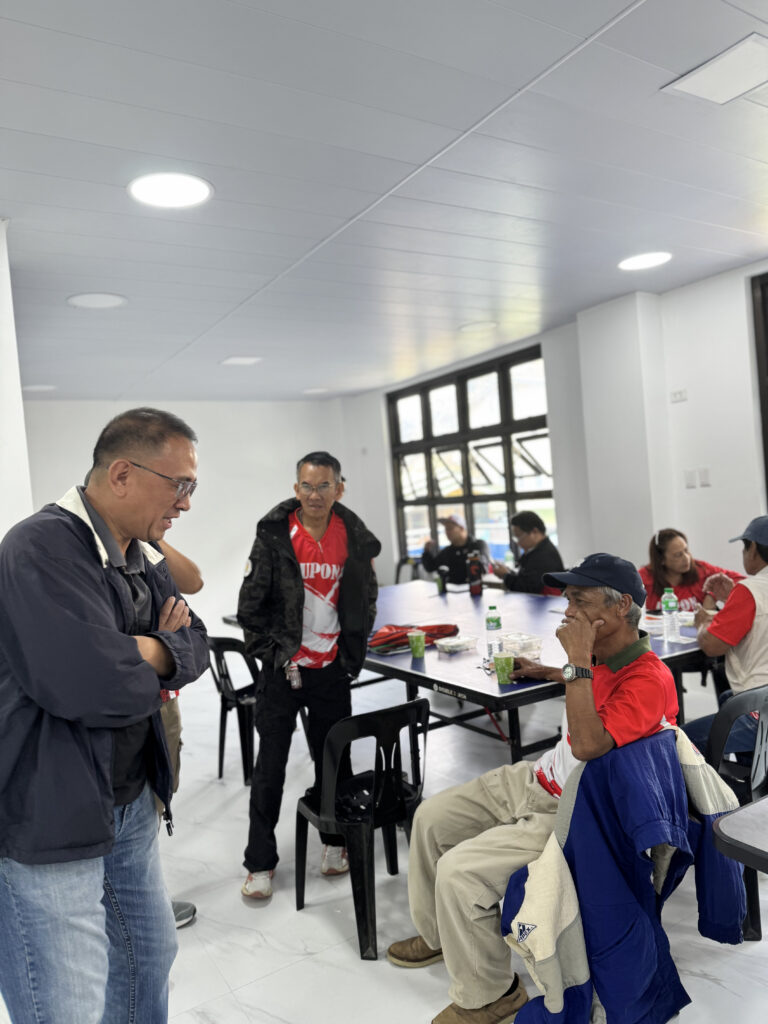
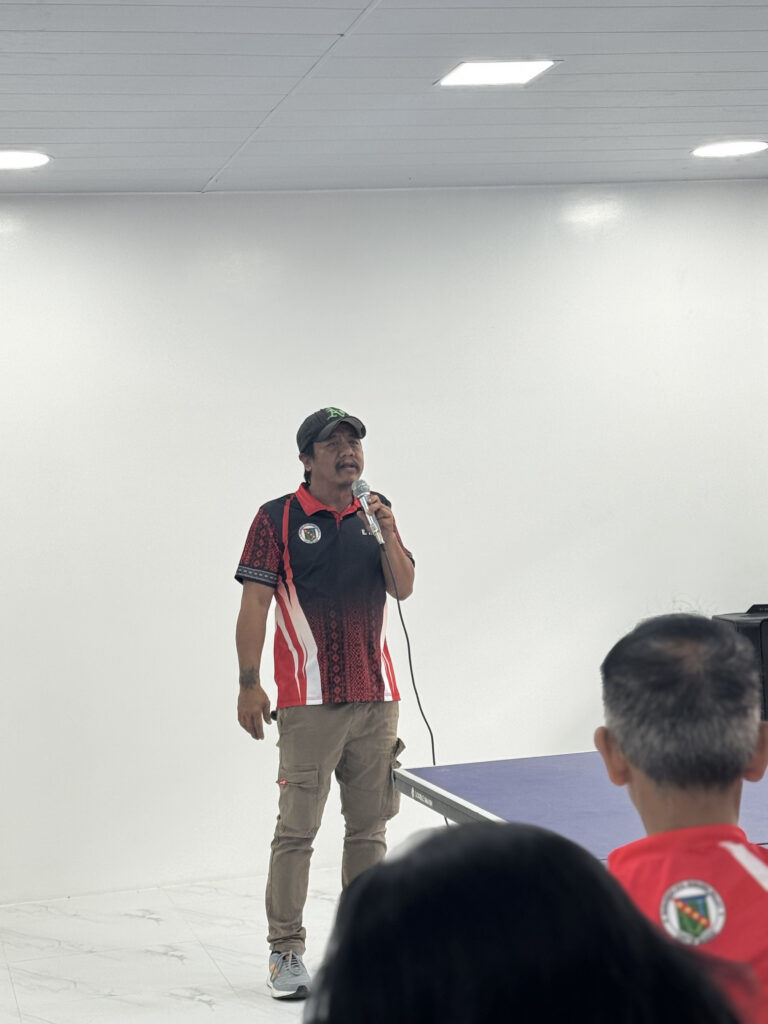
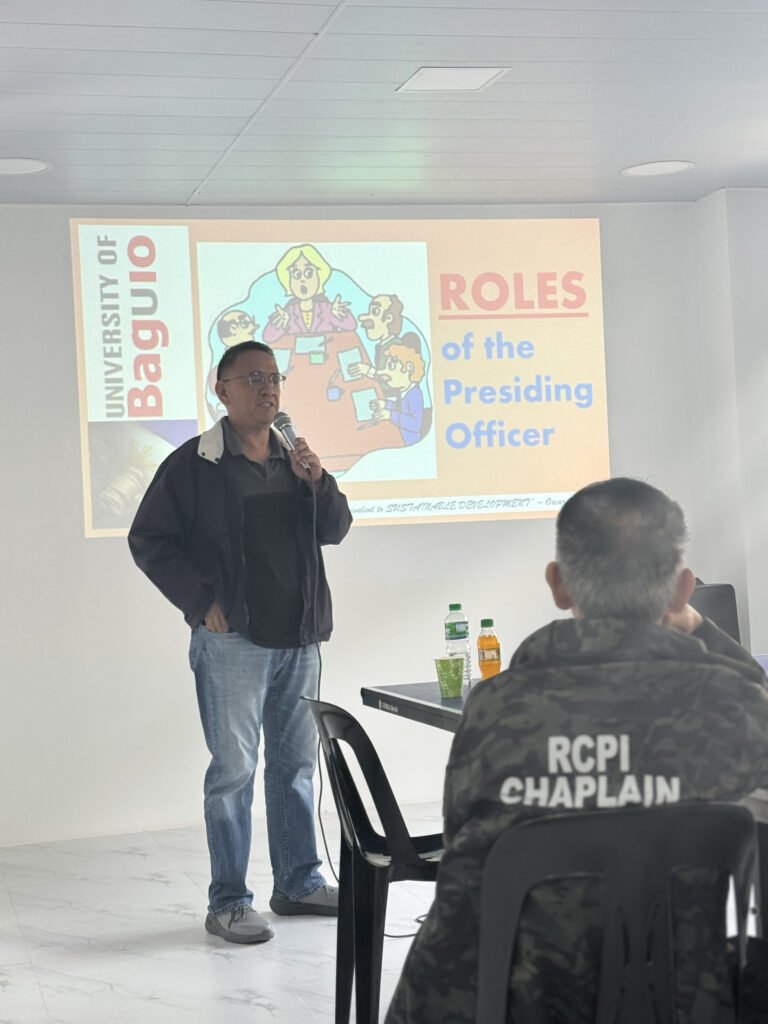
The afternoon sessions transitioned toward institutional functionality and procedural clarity. A focused discussion on parliamentary procedure, led by Mr. Mark Anthony Baliton, equipped participants with essential competencies in conducting orderly deliberations, motions, and decision-making processes—skills often assumed but rarely formalized at the barangay level. It was within this session that Mr. Baliton emphasized a central principle of local governance: that the work of the barangay remains the most critical layer of governance, precisely because it operates at the grassroots. In emphasizing this, he reframed barangay service not as a peripheral administrative function, but as the frontline of state–community interaction.
This was complemented by a session on administrative functions, documentation practices, and the operational demands placed on barangay governance, facilitated by Mr. Alfonso Balbin Jr. Supplementary knowledge was also extended to specialized roles, particularly the Barangay Secretary and the VAW Desk, ensuring that frontline administrative and gender-responsive mechanisms are both procedurally sound and contextually responsive.
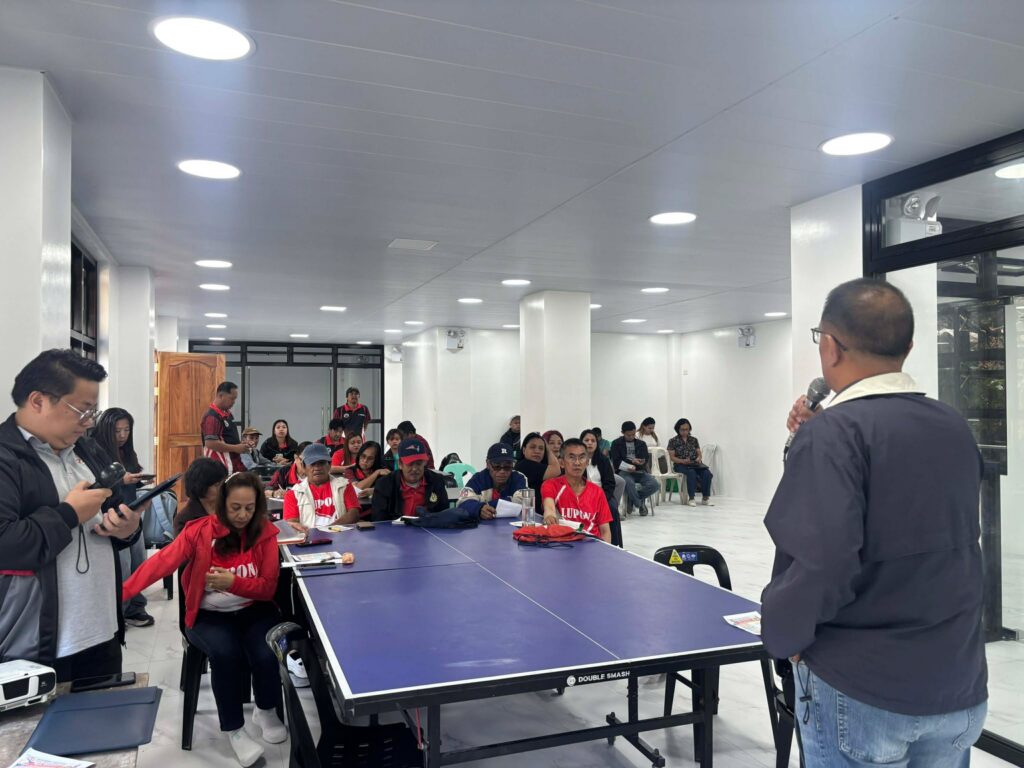
What distinguished the program was its reflexive design. The open forum and synthesis segments did not merely consolidate learning; they surfaced patterns across barangay experiences—recurring gaps in documentation, inconsistencies in mediation procedures, and the need for clearer institutional memory. Notably, participant feedback emphasized the urgency of sustaining such initiatives beyond a single engagement. Attendees expressed that similar capacity-building programs should be conducted across different barangays and strongly encouraged the faculty facilitators to return for future sessions addressing other areas of governance and community development. In this sense, the training operated not only as
capacity building, but as a site of collective diagnosis and forward-looking institutional collaboration.
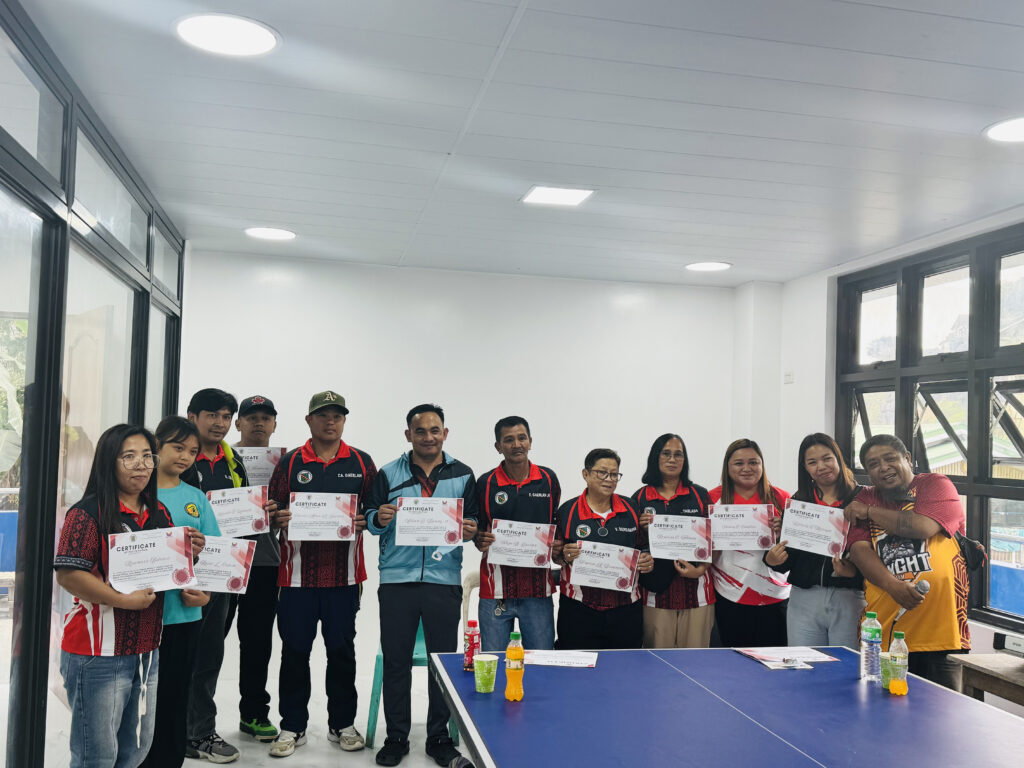
Aligned with global development frameworks, the program substantively contributes to multiple Sustainable Development Goals (SDGs). It advances SDG 16 (Peace, Justice, and Strong Institutions) by strengthening grassroots justice systems and promoting accessible, community-based dispute resolution. It supports SDG 5 (Gender Equality) through its focused engagement with VAWC mechanisms and the empowerment of VAW Desk officers. Additionally, it reinforces SDG 4 (Quality Education) by providing continuous, practice-oriented learning opportunities for local officials, thereby enhancing governance literacy beyond formal schooling.